Say "Cologne" like kuh-LOHN; the German name "Köln" sounds more like "KURN" with rounded lips.
I’ve spent years helping travelers and language learners pronounce place names clearly. This guide on how to pronounce cologne germany breaks the sounds down step by step, explains the German name Köln, and gives practical drills you can use today. Read on and you’ll be able to say both the English and German names naturally and confidently.
Why pronunciation matters for Cologne visitors and learners
Pronouncing Cologne correctly shows respect and helps you connect.
Clear speech prevents awkward moments at train stations, restaurants, and events.
If you want to fit in or be understood, knowing how to pronounce cologne germany is a small skill with big payoff.
Cologne versus Köln: the names and why they differ
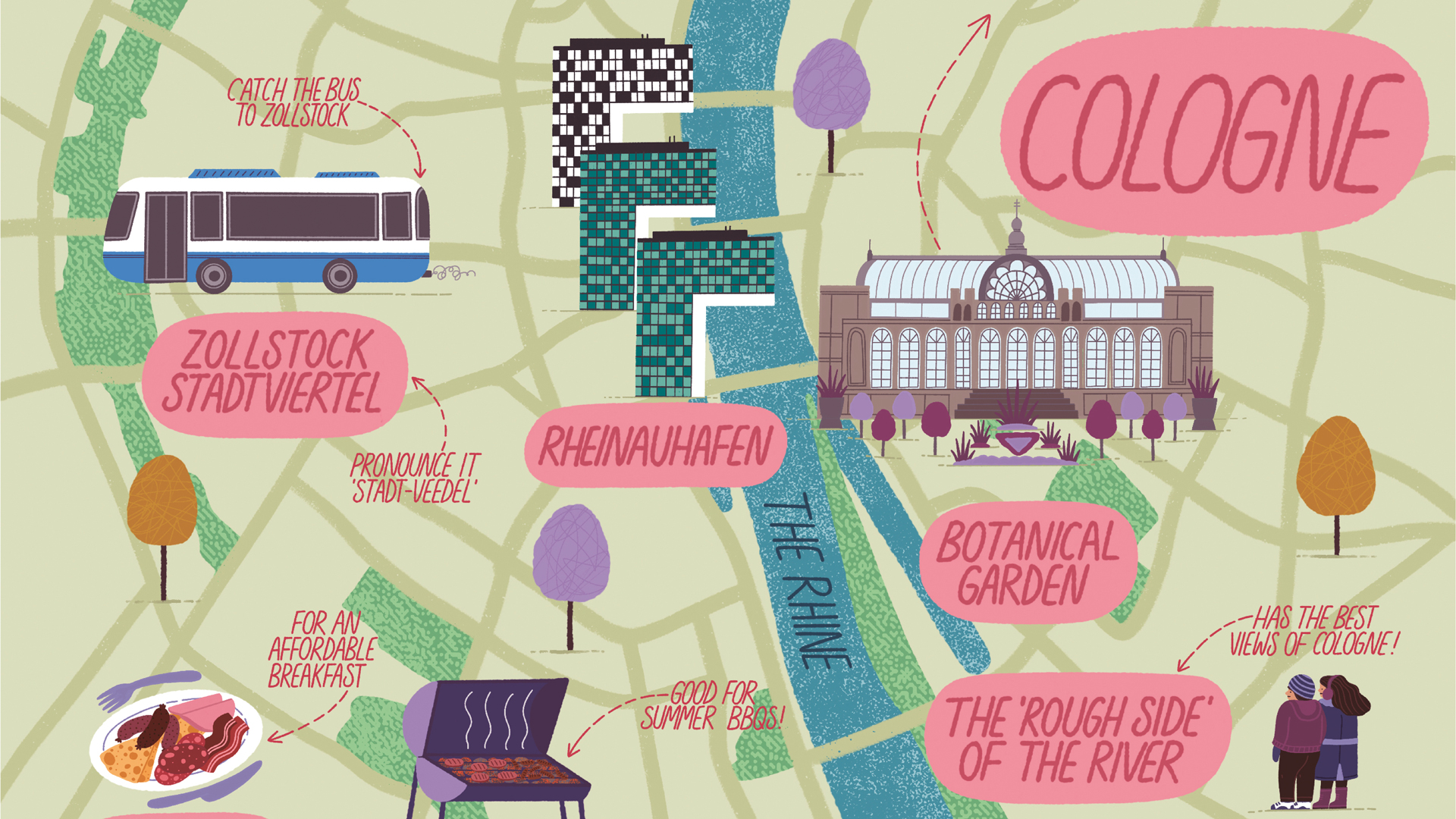
Cologne is the English name. Köln is the German name.
Both refer to the same city on the Rhine, but the sounds differ.
English speakers say kuh-LOHN. German speakers say a short, rounded vowel in Köln.
When you learn how to pronounce cologne germany, it helps to learn both forms.

Step-by-step guide to pronounce "Cologne" in English
- Say a short "kuh" sound to start.
- Stress the second syllable: say LOHN with a long "oh" sound.
- Blend them: kuh-LOHN.
- Practice slow, then speed up until it sounds natural.
Practice phrases to try:
- "I’m visiting Cologne next week."
- "How do I get to Cologne Central Station?"
If you are practicing how to pronounce cologne germany in English, use these short steps and repeat them aloud until comfortable.
How to pronounce "Köln" like a local
Köln has one short syllable in German. The vowel is the front rounded sound [œ] (like the French eu).
Steps to make the sound:
- Start with the "eh" shape as in "bet."
- Round your lips as if saying "oh" while keeping the tongue forward.
- Add a light n at the end: Köln — [kœln].
Quick drill: say "bet" then round lips without moving the tongue. Add k at the start and n at the end. Repeat slowly.
From personal experience, I practiced this in cafés in Cologne. Locals smiled when I got it close. That small effort opens friendly conversations.
If you want to master how to pronounce cologne germany in German, focus on lip rounding and a short vowel.
Common mistakes and how to avoid them
Saying "co-lone" with two full syllables. Correct: kuh-LOHN in English, one short syllable for Köln.
Pronouncing the ö like a plain "o." Fix: round lips and keep the tongue forward.
Over-stressing the first syllable. Fix: stress the second syllable in English and keep one short sound in German.
Remember these corrections when you practice how to pronounce cologne germany.
Regional accents and variations
Local Rhineland speakers may soften consonants or use a slight twang.
Some English speakers say kuh-LOAN or kuh-LOSH; these are not standard but commonly heard.
Tourists and expats who learn the Köln vowel earn nods of approval from locals.
When you learn how to pronounce cologne germany, expect small regional differences and focus on clarity rather than perfect mimicry.

Quick practice drills and tips
- Slow-repeat: say kuh-LOHN very slowly five times.
- Lip-rounding drill: say "bet" and then round lips without changing tongue.
- Swap practice: say Köln, then say Cologne, back and forth.
- Record yourself and compare to native speakers.
- Use short phrases in real situations: ask for directions or order food.
People also ask (concise answers):
- How long will it take to learn the Köln vowel? A few focused minutes per day for a week will help most learners notice real progress.
- Can English speakers sound native? You may not be perfect, but clear and confident speech works well.
- Is it rude to use "Cologne" instead of "Köln"? No. Both are acceptable; using Köln shows added effort.
Practicing these drills improves how to pronounce cologne germany quickly.
Resources and next steps
- Listen to native speakers in short clips and repeat.
- Use pronunciation tools and slow-play audio.
- Practice in real life: ask for directions or say the city name at a ticket counter.
From my experience, a few short practice sessions before a trip makes a big difference in confidence and clarity.
If you want to keep improving how to pronounce cologne germany, build short daily drills into your routine.
Frequently Asked Questions of how to pronounce cologne germany
How do I say Cologne correctly in English?
Say kuh-LOHN with stress on the second syllable. Keep the first syllable short and light.
What is the correct German pronunciation of Köln?
Köln is one short syllable with a rounded front vowel, roughly [kœln], pronounced with rounded lips and a light final n.
Is it better to say Cologne or Köln when visiting?
Both are correct. Use Cologne in English conversations and try Köln with German speakers to show respect.
How can I practice the ö sound found in Köln?
Practice by saying "bet" and then rounding your lips without moving your tongue. Repeat and add k at the start and n at the end.
Will locals understand me if I say Cologne wrong?
Yes. Locals are used to many pronunciations, and clear effort matters more than perfection.
Can I learn the pronunciation quickly?
Yes. Short focused drills, listening to native clips, and real-world practice usually produce noticeable improvement within days.
Conclusion
Pronouncing Cologne well is simple with the right steps: learn the English kuh-LOHN and the German rounded Köln, practice short drills, and use both names naturally. Try the quick exercises above, speak them out loud, and don’t be afraid to ask locals for feedback. Start a five-minute daily routine now, and you’ll notice real progress—then share your success or questions in the comments or subscribe for more pronunciation guides.

Rubel Miah is the Senior Editor at MyStyleGrid.com, where he brings a sharp editorial eye and an unshakable love for fashion to everything he does. A true style addict, Rubel lives and breathes trends, from streetwear to high fashion, and has a knack for turning inspiration into impactful stories. With years of experience in fashion journalism and digital media, he curates content that empowers readers to express themselves through style. When he’s not editing features or forecasting the next big thing, you’ll find him hunting down vintage pieces or capturing street style moments around the city.