Use vegetable oil or peanut butter to loosen glue, then gently wash and dry.
I’ve removed sticky mouse trap glue from dozens of shoes—sneakers, work boots, even suede flats—and I know what works fast and what damages the material. This guide on how to get mouse trap glue off shoes walks you through safe, step-by-step methods, tools to use, what to avoid, and real tips from hands-on experience so you can save your footwear without panic.
Why mouse trap glue sticks to shoes
Mouse trap glue is a strong, tacky adhesive designed to immobilize pests. It bonds to rough fibers, rubber, leather, and suede by filling tiny surface gaps. Heat, pressure, and time make the glue firmer and harder to remove.
Understanding why the glue sticks helps you choose the right method. Softening the adhesive is usually safer than forceful scraping. Different shoe materials react differently to solvents and oils, so the material matters when learning how to get mouse trap glue off shoes.

Safety first: precautions before you start
Put on gloves to protect skin and wash hands after. Work in a well-ventilated area if you use chemicals. Test any solvent on a hidden part of the shoe to check for color loss or damage.
Avoid using sharp blades that can cut the shoe. If the shoe is expensive or delicate, consider a professional cleaner. These steps lower the risk while you remove glue and teach safe habits for future cleanups.
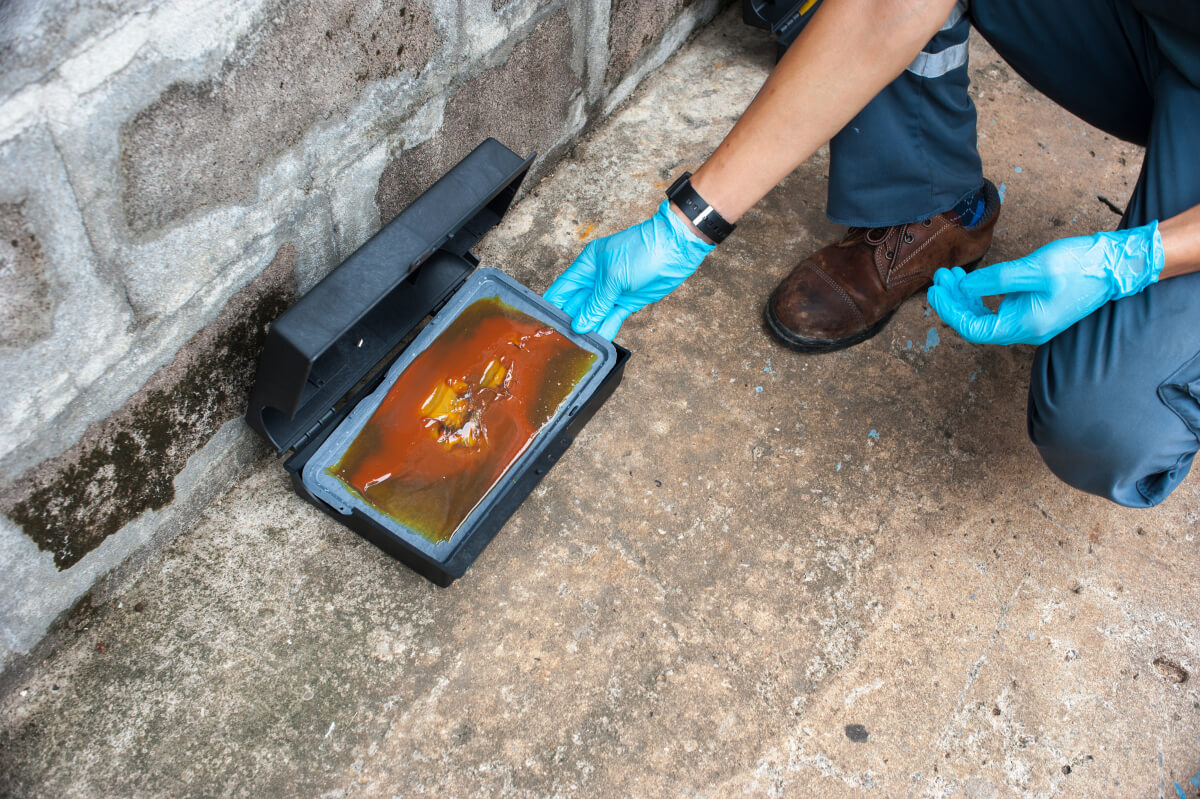
Materials you'll need
- Gloves to protect skin and grip.
- Soft cloths and paper towels for blotting.
- Vegetable oil, olive oil, or peanut butter to soften glue.
- Rubbing alcohol (isopropyl alcohol) or citrus-based cleaner for tougher spots.
- Baking soda and dish soap for washing.
- Plastic scraper, old credit card, or wooden tongue depressor for gentle scraping.
- Freezer or ice cubes for the freeze method.
- Suede brush and leather conditioner for material-specific care.
Having these items ready makes the process quick and controlled and improves your chance of success when learning how to get mouse trap glue off shoes.
Step-by-step methods to remove glue
Below are proven methods ranked from gentlest to strongest. Start with the mildest and move up if needed, testing on an inconspicuous area first.
Oil or peanut butter method (best for canvas, rubber, and many synthetics)
- Apply a small amount of vegetable oil or peanut butter to the glued area.
- Let it sit for 10–20 minutes to soften the adhesive.
- Gently rub with a soft cloth or use an old credit card to lift softened glue.
- Wash the area with warm water and dish soap. Rinse and air dry.
This is my go-to. I once saved a beloved canvas sneaker using peanut butter and a lot of gentle rubbing. It loosened the glue without harming the fabric.
Freezing method (good for small globs on rubber or hard soles)
- Place the shoe in a sealed plastic bag and freeze for several hours.
- After freezing, the glue becomes brittle. Tap or gently pry with a plastic scraper.
- Wipe away residue with oil or rubbing alcohol if needed.
This method works well for sole glue and is low-risk for most materials.
Rubbing alcohol or isopropyl method (stronger, use with care)
- Apply a small amount of rubbing alcohol on a cloth. Test on a hidden spot.
- Dab the glue repeatedly until it softens and comes off.
- Clean with soap and water and condition leather if used on leather.
Rubbing alcohol dissolves many adhesives. Use it cautiously on dyed or delicate materials.
Commercial adhesive removers (for stubborn cases)
- Use an adhesive remover formulated for fabrics or shoes following the label.
- Work in a ventilated space and test first.
- Rinse and clean well after removal.
This is effective but stronger. Reserve it for heavy glue that resists oil or alcohol.
Mechanical removal and washing
- After softening, scrape gently with a plastic card.
- Use warm soapy water and a brush for canvas or rubber.
- For leather, finish by applying leather conditioner to restore suppleness.
Combine mechanical action with solvents for the best results without over-scraping.
 materials”
style=”max-width: 100%; height: auto; border: 2px solid black; border-radius: 10px; display: block; margin: 0 auto;”
loading=”lazy”
/>
How to handle specific materials
Different shoes need different care. Match the method to the material.
- Canvas: Oil or peanut butter, gentle scrubbing, then wash.
- Leather: Test rubbing alcohol in a hidden area; use leather cleaner and conditioner after.
- Suede: Avoid oil and liquid solvents. Use freezing, and then gently brush with a suede brush. If stained, take to a pro.
- Rubber or plastic soles: Freezing, oil, or rubbing alcohol works well.
- Fabric with colorful dyes: Test solvents; stick to mild methods to avoid color run.
When you know how to get mouse trap glue off shoes by material, you lower the chance of permanent damage.
Tips to restore shoes after glue removal
- Air dry shoes naturally, away from heat.
- Use leather conditioner on leather items.
- For canvas, a gentle wash cycle can refresh the whole shoe.
- For suede, use a suede brush and protective spray once dry.
A little aftercare makes shoes look and feel better after glue removal.

Common mistakes to avoid
- Rushing to use a razor or sharp tool. That often cuts material.
- Using acetone or nail polish remover on dyed leather or synthetic fabric without testing.
- Skipping a patch test on hidden areas.
- Ignoring safety: no gloves, poor ventilation with chemicals.
Avoiding these errors saves shoes and prevents costly repairs.
Personal experience and lessons learned
I once had a leather boot with a large patch of mouse trap glue. I tried scraping first and left a scratch. Then I switched to an oil soak and rubbing alcohol patch testing. The oil loosened most of the glue. The lesson: be gentle first, escalate carefully, and always condition leather after. Small steps preserve the shoe.

Quick PAA-style questions
What if the glue has dried for weeks? Start with oil and then move to rubbing alcohol or a commercial remover; older glue may need multiple tries.
Will soap and water remove fresh glue? Fresh glue often responds to soap and warm water after initial softening with oil.
Can I use acetone on my shoes? Acetone can damage dyes and some synthetics; test first and use sparingly only if other methods fail.
Frequently Asked Questions of how to get mouse trap glue off shoes
How quickly should I start cleaning the glue?
Start as soon as possible. Fresh glue is easier to soften and remove than glue that has fully cured.
Is peanut butter safe for all shoe materials?
Peanut butter is safe for canvas, rubber, and many synthetics but avoid it on suede and some leathers due to oils and staining.
Can I use a hairdryer to remove mouse trap glue?
Heat can soften glue, but use a low heat setting and keep distance to avoid warping or damaging the shoe.
Will rubbing alcohol ruin my shoe color?
Rubbing alcohol can affect dyes. Always patch-test in an inconspicuous spot before treating the visible area.
When should I seek professional cleaning?
If the shoe is expensive, vintage, or delicate (especially suede or patent leather), or if DIY attempts fail, take it to a professional cleaner.
Conclusion
Removing mouse trap glue from shoes is doable with the right approach: start gentle with oil or peanut butter, move to freezing or rubbing alcohol if needed, and match the method to the shoe material to avoid damage. Test first, work patiently, and follow up with cleaning and conditioning to restore the shoe. Try these steps on an old pair to practice, and share your results or questions below — your next cleanup will go smoother.

Rubel Miah is the Senior Editor at MyStyleGrid.com, where he brings a sharp editorial eye and an unshakable love for fashion to everything he does. A true style addict, Rubel lives and breathes trends, from streetwear to high fashion, and has a knack for turning inspiration into impactful stories. With years of experience in fashion journalism and digital media, he curates content that empowers readers to express themselves through style. When he’s not editing features or forecasting the next big thing, you’ll find him hunting down vintage pieces or capturing street style moments around the city.