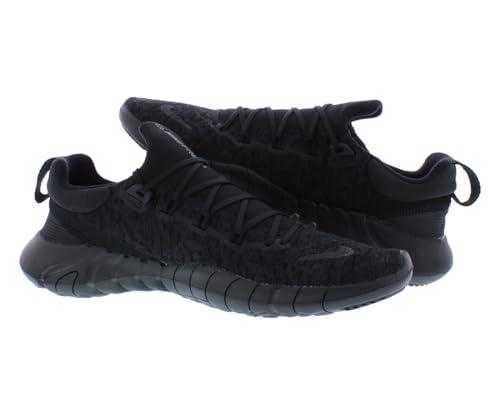
Nike Free Run 5.0 delivers lightweight flexibility and natural-feel running without breaking the bank.
You lace up and want a shoe that feels like part of your foot, not a bulky machine. Whether you jog around the neighborhood, hit short tempo runs, or want a daily trainer for errands and gym visits, the Nike Free Run 5.0 aims to bridge barefoot feel and everyday support. I tested these on pavement, treadmill, and quick gym circuits to see if they really deliver that flexible, responsive ride.

Is Nike Free Run 5.0 Good?
I’d say yes — for certain runners and casual users. The Nike Free Run 5.0 is best for people who want a low-profile, flexible shoe that encourages a more natural foot strike. It’s not for heavy-distance runners who need maximal cushioning or serious stability features. In my daily use, the shoe felt nimble and breathable. I ran short 3–5 mile routes, used them for gym HIIT, and wore them for all-day errands. Each time, the lightweight feel was the standout. If you prefer lively responsiveness over cushy protection, the Nike Free Run 5.0 will likely serve you well.
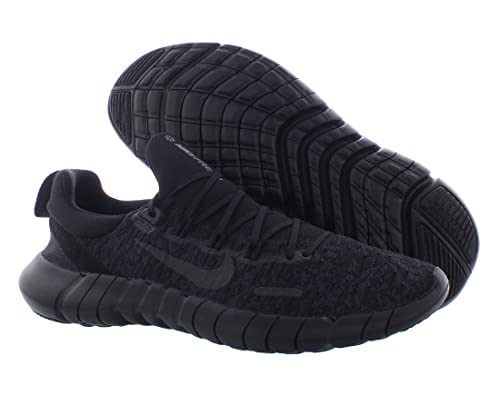
My First Impression for Nike Free Run 5.0
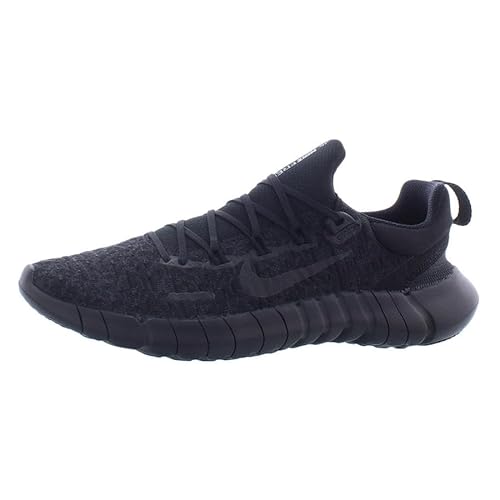
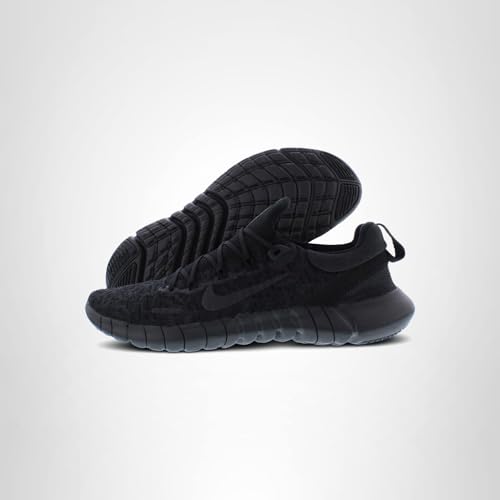
The shoes arrived in standard Nike box packaging. They looked clean and simple in black, with subtle branding and a flexible sole that stood out right away. The mesh upper felt soft and breathable when I ran my hand over it. Lacing them up was easy — the fit was snug but not tight. The sole bent readily under my fingers, which matched the “free” feel Nike advertises. On first short runs, the shoe delivered a springy, ground-hugging sensation. I felt pleasantly surprised by how natural my foot movement felt. Overall, the build felt light and well-made for everyday training.

What Makes It Stand Out / Key Features
- Flexible outsole grooves that promote natural foot movement
- Lightweight mesh upper for breathability and quick dry
- Low-profile midsole for ground feel and responsiveness
- Minimal heel-to-toe drop to encourage forefoot engagement
- Durable rubber pods placed in high-wear zones for traction

What I Like
- Feels extremely light during runs and daily wear
- Excellent flexibility — moves with your foot naturally
- Breathable upper keeps feet cool on hot days
- Versatile for short runs, gym sessions, and errands
- Modern, simple styling that pairs with casual outfits
What Could Be Better
- Limited cushioning for long runs or heavy impact days
- Not ideal if you need strong arch or motion control
- Durability may vary with heavy mileage over time
My Recommendation
If you want a shoe that promotes a natural stride and feels almost barefoot, the Nike Free Run 5.0 is a smart pick. I recommend it for short-distance runners, gym-goers, and anyone who values flexibility and breathability. If your priority is long-distance cushioning or heavy support, consider a different model. For me, the Nike Free Run 5.0 hit the sweet spot for daily variety and quick workouts. It’s affordable and widely available, so it’s a good value if its strengths match your needs.
| Best for | Why |
|---|---|
| Short road runs | Lightweight and flexible for quick, nimble miles |
| Gym workouts | Stable low profile for lifts and HIIT |
| Everyday wear | Comfortable and breathable for all-day use |
Alternative Products You Can Consider
Nike Free RN Flyknit — A knit upper gives a sock-like fit for runners who want the Free sole but prefer stretch and form-fitting comfort. Better for those who like a snug, adaptive upper compared to the standard mesh on the Nike Free Run 5.0.
New Balance Minimus — Offers a similar low-drop, minimalist feel with slightly more durable construction. Good if you want a tougher outsole and a little more structure for trail light use.
Brooks PureFlow — A soft, flexible trainer with more cushioning than the Free Run. Best if you like natural foot motion but want extra protection on longer runs.
| Product | Best For | Key Difference |
|---|---|---|
| Nike Free Run 5.0 | Short runs, gym, everyday wear | Very flexible, lightweight, low cushion |
| Nike Free RN Flyknit | Runners who want a snug knit fit | Sock-like knit upper for adaptive fit |
| New Balance Minimus | Minimalist runners wanting durability | Sturdier outsole and more structure |
| Brooks PureFlow | Natural runners needing more cushion | Softer midsole while keeping flexibility |
Final Verdict: Which Should You Buy?
If you want a lightweight, flexible shoe that feels close to the ground, choose the Nike Free Run 5.0. It excels for short runs, gym workouts, and casual wear. If you need extra cushioning for long runs, look at more cushioned trainers like the Brooks PureFlow. For a knit, sock-like fit with similar sole flexibility, consider the Nike Free RN Flyknit. Overall, the Nike Free Run 5.0 is a strong pick if you value natural movement and light weight in a daily trainer.
FAQs Of nike free run 5.0 review
Are Nike Free Run 5.0 shoes true to size?
Yes, they generally fit true to size. If you plan to use thick socks or prefer more room, consider going half a size up.
Can I use the Nike Free Run 5.0 for long runs?
They’re better suited for short to moderate runs. For long-distance comfort, go for a shoe with more cushioning and support.
Are these shoes good for gym and cross-training?
Yes. The low profile and flexibility make them very good for gym circuits, light lifting, and HIIT sessions.
How durable are Nike Free Run 5.0 outsoles?
Durability is good for regular, low-mileage use. Heavy daily mileage may show wear sooner than more robust trainers.
Do they offer arch support?
The Free Run 5.0 has minimal arch support. If you need strong arch stability, choose a shoe with dedicated support features.

Rubel Miah is the Senior Editor at MyStyleGrid.com, where he brings a sharp editorial eye and an unshakable love for fashion to everything he does. A true style addict, Rubel lives and breathes trends, from streetwear to high fashion, and has a knack for turning inspiration into impactful stories. With years of experience in fashion journalism and digital media, he curates content that empowers readers to express themselves through style. When he’s not editing features or forecasting the next big thing, you’ll find him hunting down vintage pieces or capturing street style moments around the city.