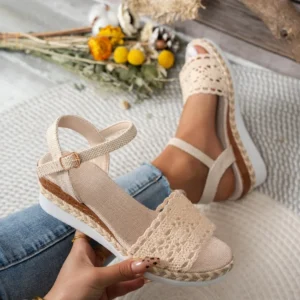
Design sneakers for a small business brand by blending clear brand identity with smart, cost‑effective design choices.
I’ve designed and launched shoes for small brands and worked with factories and freelancers. This guide walks you through how to design sneakers for small business brand step by step. You will learn research methods, sketches, materials, prototyping, manufacturing, marketing, pricing, and legal basics. Read on to build a strong, sellable sneaker that fits your brand and budget.
Research and brand strategy
Start by defining why your brand exists. Good sneakers solve a problem or tell a story. Research your target buyer. Write a one-paragraph brand promise that explains who you serve and why your sneaker matters.
Analyze competitors and gaps in the market. Look for trends, price points, and missed needs. Save examples of colors, shapes, and materials you like. This makes decisions fast later.
Create mood boards and persona sheets. Use images, words, and simple sketches. Keep files organized to show partners and manufacturers.
PAA-style question: What’s the first step in how to design sneakers for small business brand? Answer: Define your brand, your buyer, and the core problem your sneaker will solve.

Concept development and sketching
Start broad, then narrow. Sketch 20 quick ideas in one sitting. Pick the top three and refine them. Use simple tools: pencil, marker, and basic digital apps.
Translate sketches into colorways and material notes. Keep a list of trims, stitches, and construction types. Prioritize features that match your brand promise.
Make a simple tech sketch for each final idea. Show side, top, and sole. This reduces back-and-forth with a factory.

Materials, construction, and sustainability
Choose materials that match your price and brand values. Common options include canvas, leather, knit, and synthetic leather. Each has cost, weight, and supply implications.
Consider sustainable options carefully. Recycled meshes and plant-based leather feel good to buyers. They may raise cost and minimum orders. Test durability before committing.
List construction details: stitch type, sole attachment (cemented or stitched), lining materials, eyelets, and insoles. Clear lists help factories and cut down errors.

Prototyping, tech packs, and working with manufacturers
Create a clear tech pack. Include dimensions, materials, color codes, and labels. Add photos, sketches, and expected tolerances. A good tech pack saves time and cost.
Order samples and expect 2–4 rounds. Test fit, comfort, and durability. Note every change and update the tech pack each time.
Find factories that work with small brands. Ask for minimum order quantities, lead times, and payment terms. Build relationships and keep communication frequent.
Costing, pricing, and profit margins
Calculate landed cost per pair: materials, labor, shipping, tariffs, packaging, and fees. Add a reasonable margin. Small brands often aim for 3x cost to retail as a rule of thumb.
Test with preorders or small runs. A quick limited release lowers risk. Adjust price based on customer feedback and demand.
Track unit economics per model. Know breakeven and target profit for each SKU. This keeps growth sustainable.
Branding, packaging, and storytelling
Design packaging that matches the shoe experience. Simple boxes, tissue, and tags can feel premium. Keep packaging costs aligned with price.
Use storytelling to sell. Explain design choices, materials, and a brand origin story. Customers buy meaning as much as shoes.
Plan launch content: product photos, lifestyle shots, and short videos. Use consistent fonts, colors, and tone across channels.
Marketing, sales channels, and community building
Choose sales channels: direct-to-consumer site, marketplaces, wholesale, or pop-ups. Each channel has costs and benefits. Start with one or two and expand.
Build a content plan. Share behind-the-scenes, prototyping shots, and founder notes. Real, human content builds trust and drives word-of-mouth.
Leverage collaborations and local events. Small brand growth often comes from community and partnerships. Track ROI on each channel.
Legal considerations and intellectual property
Register your brand name and logo. Consider trademarking key marks early. This prevents costly disputes later.
Add clear labels for materials and care. Follow local product safety rules. Include terms, privacy, and return policies on your site.
Be honest about claims. Avoid unsupported eco-claims or performance promises. Transparency keeps trust and avoids legal risk.
Scaling, inventory, and lifecycle planning
Plan SKUs and restock cycles. Start with 1–3 core models and a few colorways. Small brands thrive on focus and clarity.
Use preorders to finance bigger runs. Forecast conservatively based on real demand. Plan for seasonal updates and long-term repairs or replacements.
Track returns, defects, and customer feedback. Use data to improve next designs and to reduce waste.
Personal experience, mistakes to avoid, and practical tips
I once rushed a first run without a final fit sample. Sales were strong, but returns doubled our margin loss. Always approve a wearable sample.
I also learned to keep margin buffers for unexpected fees. Build relationships with two suppliers. One will fail, the other may save your launch.
Practical tips:
- Create a clear tech pack before contacting factories.
- Do a simple wear test for at least 2 weeks.
- Keep early runs small. Validate demand before scaling.
- Photograph every sample detail for records.
These small steps save money and headaches over time.
PAA-style questions
What materials work best when learning how to design sneakers for small business brand? Short answer: Canvas, knit, and synthetic leather are low-cost and versatile choices for new brands. Test durability and fit first.
How long does it take to launch a sneaker line? Short answer: Expect 4–9 months from concept to first retail-ready stock, depending on sampling and factory lead times.
Can small brands get custom soles and lasts? Short answer: Yes, but custom lasts and molds raise cost and minimum orders. Use standard lasts for early runs to reduce risk.
Is sustainability costly for small sneaker brands? Short answer: It can be. Sustainable options often cost more, but they can also command higher prices and loyalty when marketed honestly.
How to find trustworthy manufacturers for small runs? Short answer: Ask for references, request past product photos, and start with small sample orders to verify quality.
Frequently Asked Questions of how to design sneakers for small business brand
How much does it cost to design a sneaker for a small brand?
Costs vary widely. Plan for sample costs, tooling, and a minimum order. Expect initial costs from a few thousand to tens of thousands depending on choices.
What is a tech pack and why do I need it?
A tech pack is a blueprint for the product. It lists materials, sizes, colors, and stitching. Factories use it to make accurate samples.
How many pairs should I order for a first run?
Start small. Many brands begin with 100–500 pairs per colorway. Use preorders to reduce inventory risk.
How do I ensure quality from overseas factories?
Request wear-tested samples and third-party inspections. Keep a quality checklist and review each sample carefully.
Can I design sneakers without technical skills?
Yes. Use design freelancers or design platforms. Learn basic tech pack elements to communicate clearly with makers.
Conclusion
Designing sneakers for a small business brand is a mix of clear strategy, practical design, and careful execution. Define your brand, choose smart materials, build strong tech packs, and test samples before scaling. Use honest storytelling and tight cost controls to grow slowly and sustainably. Start small, learn from each run, and iterate. Share your plans, take action, and launch the pair that best represents your brand—then refine from real customer feedback.

Rubel Miah is the Senior Editor at MyStyleGrid.com, where he brings a sharp editorial eye and an unshakable love for fashion to everything he does. A true style addict, Rubel lives and breathes trends, from streetwear to high fashion, and has a knack for turning inspiration into impactful stories. With years of experience in fashion journalism and digital media, he curates content that empowers readers to express themselves through style. When he’s not editing features or forecasting the next big thing, you’ll find him hunting down vintage pieces or capturing street style moments around the city.