A half size in shoes is about 1/6 inch longer — roughly 4 to 5 millimeters.
I’ve measured feet, tried dozens of brands, and helped many people find their best fit. In this guide I will explain exactly how much bigger is a half size in shoes, why that small change matters, how brands differ, and how to choose the right half size for comfort and performance. Expect practical tips, clear measurements, and real-world examples you can use when buying shoes online or in store.

Understanding shoe sizing basics
Shoe sizes come from old systems based on small length units. In the common system used in the U.S., a full size equals one barleycorn, which is about 1/3 inch or 8.46 mm. A half size is exactly half of that amount. That means a half size is roughly 1/6 inch or about 4.23 mm.
This length shift sounds small. It can still change comfort and performance. The same foot may feel snug in one size and roomy in the next half size. Knowing the exact difference helps you choose wisely, especially online.

How much bigger is a half size in shoes — the numbers explained
How much bigger is a half size in shoes in plain numbers:
- Full size increase: about 8.46 mm (0.33 inches).
- Half size increase: about 4.23 mm (0.17 inches).
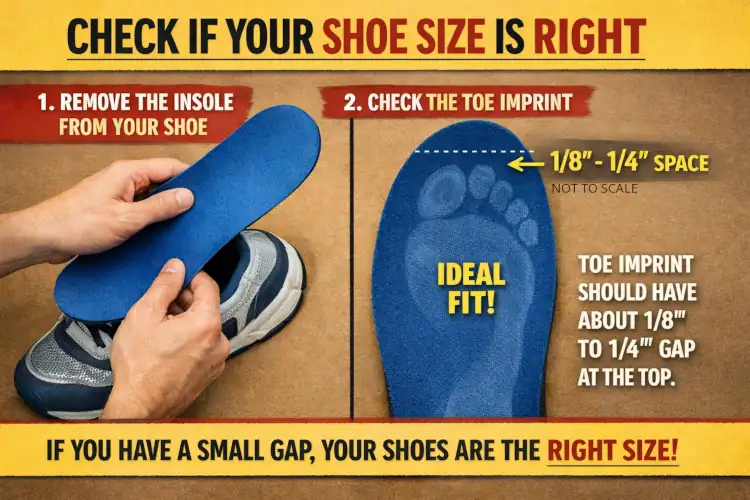
- Recommended toe room: about 10–15 mm (0.4–0.6 inches) depending on activity.
If your foot is 10 inches (254 mm), a half-size up makes the internal length about 4 mm longer. That is less than the usual toe room most experts recommend. So a half size fine-tunes length more than fixes major sizing issues.
Keep in mind brands and lasts vary. Some manufacturers add more internal volume or change width with a half size. So the strict 4.23 mm rule is a baseline, not an absolute.
How a half size change affects fit and comfort
Length vs width
- A half size mainly changes the length of the shoe.
- Width is often unchanged unless the brand adjusts the last.
- Volume in the toe box and arch support may feel different even with the same width.
Common comfort effects
- Extra toe room for swollen feet or thick socks.
- Reduced heel slip if the shoe has an adjustable heel counter.
- Slightly different balance and feel for athletic shoes, which can affect performance.
Practical takeaway: try shoes on and walk. Small length changes can matter for running, long hikes, or dress shoes. Listen to how your foot lands and if toes hit the front during activity.

Brand, gender, and regional variations
Not all systems match the barleycorn exactly. Notes to know:
- European sizes use Paris points; increments roughly 6.67 mm, so half sizes don’t map neatly.
- UK sizes are close to U.S. but can differ by brand.
- Men’s and women’s sizing can shift by 1 to 2 sizes across regions and brands.
Shoe type matters
- Running shoes often fit snug and use half sizes for fine tuning.
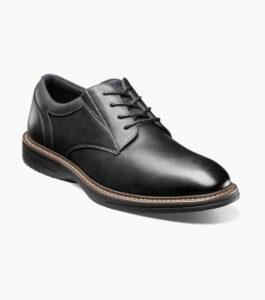
- Dress shoes may run small or narrow and benefit from half sizes or whole-size adjustments.
- Boots sometimes size differently because of thicker materials and linings.
Always check each brand’s size chart and read fit notes. When in doubt, measure your foot and compare to the brand’s internal length guide.

How to measure your foot and decide on a half size
Simple steps to measure at home:
- Place paper on floor and stand with heel against wall.
- Mark the longest toe and measure from wall to mark.
- Measure both feet; use the larger measurement.
- Add 4–15 mm depending on footwear use (less for tight shoes, more for boots).
When to pick a half size
- If your measurement falls between two sizes, a half size may be the best fit.
- If you wear thick socks or expect foot swelling, size up by half.
- If the shoe brand is known to run wide, stick to your usual length and adjust width instead.
Try shoes on later in the day when feet swell. Walk at least 10 minutes to check heel slip and toe room.

Practical tips for buying and trying shoes
Shopping in store
- Bring the socks you plan to wear with the shoe.
- Walk on different surfaces, go up and down stairs.
- Test for heel slip and toe bumping when walking fast.
Shopping online
- Use the brand’s internal length chart rather than general size charts.
- Read customer reviews for fit clues.
- Order two sizes if the return policy is free; keep only the best fit.
Minor fixes
- Insoles can fill small gaps.
- Thicker socks or heel grips can reduce slip.
- Consider a half size up if you run, hike, or have circulation/swelling issues.

Source: reddit.com
Personal experience: what I learned about half sizes
I once bought two running shoes from the same brand in two adjacent half sizes. The smaller half felt crisp, but my toes hit the front after a long run. The half size up gave toe room but added a little heel slip. Adding a thin insole solved the slip and kept comfort. Lesson learned: test on a run or long walk when possible.
I also helped a friend who switched between brands. Her half-size habit worked for sneakers but not for Italian dress shoes. That taught me to avoid one-size-fits-all rules. Verify fit per shoe type.

Common myths and facts
Myth: You can ignore half sizes; they don’t matter.
- Fact: Half sizes fine-tune length and can prevent blisters or toe pain.
Myth: Width always changes when you go up a half size.
- Fact: Width usually stays the same. Only some brands widen the last with size changes.
Myth: All brands follow the same increments.
- Fact: Brands vary. Use measurements and reviews, not assumptions.
Source: reddit.com
Frequently Asked Questions of how much bigger is a half size in shoes
Will a half size make a big comfort difference?
A half size can change comfort noticeably for tight-fitting shoes or athletic footwear. For casual shoes it may be subtle but still helpful for swollen feet or thick socks.
Is a half size the same across men’s, women’s, and kids’ shoes?
The physical increment is based on the system, but how brands apply it can differ across genders and age groups. Always check the specific brand’s sizing chart.
If I’m between sizes, should I size up or down?
Size up for long walks, running, or thick socks. Size down for a snug, performance fit or for thin dress socks.
Can I adjust shoe fit without changing size?
Yes. Insoles, heel grips, and thicker socks can adjust fit without buying a different size. These fixes work for small volume differences.
How does foot swelling affect the half size choice?
Feet swell through the day and more during activity. If you expect swelling, opt for a half size up to avoid discomfort and blisters.
Conclusion
A half size in shoes equals a small but meaningful length change of about 4 to 5 millimeters. That little shift can mean the difference between pinching toes and walking comfortably. Measure both feet, test shoes in motion, and use brand charts to decide. If you buy online, consider ordering two sizes and testing them with the socks and activities you plan to use. Try these tips and you’ll reduce returns and find shoes that feel right faster. Share your fit wins or questions below, or subscribe for more practical shoe-fit advice.

Rubel Miah is the Senior Editor at MyStyleGrid.com, where he brings a sharp editorial eye and an unshakable love for fashion to everything he does. A true style addict, Rubel lives and breathes trends, from streetwear to high fashion, and has a knack for turning inspiration into impactful stories. With years of experience in fashion journalism and digital media, he curates content that empowers readers to express themselves through style. When he’s not editing features or forecasting the next big thing, you’ll find him hunting down vintage pieces or capturing street style moments around the city.