For most men who are 6 feet tall, a 32-inch inseam is the best starting point. Some will fit a 30-inch inseam, while men with longer legs may need 34 inches. Height alone cannot determine the right pants length because torso and leg proportions vary.
In the United States, pants are usually labeled by waist size × inseam. For example, 34×32 means a 34-inch waist and a 32-inch inseam.
The most reliable answer is to measure your inseam and then adjust for the pants style, shoe height, and desired break.

The Best Pants Length for a 6-Foot Man
A 6-foot man will most often wear a 32-inch inseam in jeans, chinos, and casual trousers. However, the correct length can range from 30 to 34 inches.
| Height and body shape | Common inseam starting point |
|---|---|
| 6 feet with a shorter leg or longer torso | 30 inches |
| 6 feet with average proportions | 32 inches |
| 6 feet with long legs | 34 inches |
| 6 feet with a very long inseam | 36 inches in select tall sizes |
These are starting points, not fixed rules. A man with a 32-inch inseam may prefer a 30-inch pant for a clean, short look or a 34-inch pant for boots and a larger break.
Why height does not give an exact inseam
Two men can have the same height but different proportions. One may have a long torso and shorter legs. Another may have a shorter torso and longer legs.
Pants length also changes with:
- The rise of the pants
- The cut of the leg
- The type of shoes
- Whether the pants shrink
- The amount of fabric break desired
- Whether the pants are worn at the natural waist or lower on the hips
For that reason, a height chart is useful only as a rough guide. Your actual inseam measurement is more useful.
How to Measure Your Inseam at Home
Measure a well-fitting pair of pants if you want to copy a length you already like. Measure your body if you are buying pants for the first time or changing styles.
Method 1: Measure a pair of pants
- Lay the pants flat on a table or clean floor.
- Smooth the legs without stretching the fabric.
- Find the point where the inner leg seams meet at the crotch.
- Measure from that point down the inside seam to the bottom of the leg.
- Record the result in inches.
If the pants fit well, this measurement gives you a useful starting point. Do not measure from the outside of the waistband or from the top of the pants.
Method 2: Measure your body
For a body measurement, wear thin clothing and stand upright.
- Place a book between your legs.
- Pull the book up so its top edge sits firmly against your crotch.
- Keep the book level with the floor.
- Measure from the top edge of the book to the floor.
- Repeat the measurement once or twice.
- Round to the nearest whole inch for standard pants sizing.
A second person can help keep the tape straight. Do not pull the tape tightly or bend your knee during the measurement.
Measure from a pair you already like
This method often works best because it includes your preferred rise and fit. A body inseam and a garment inseam do not always match perfectly. A higher-rise pant can sit higher on your body, while a low-rise pant may sit lower and appear longer.


Choose the Length Based on the Pants Style
The right inseam depends on how much fabric should reach the shoe. Dress trousers, jeans, joggers, and shorts do not use the same visual standard.
Jeans
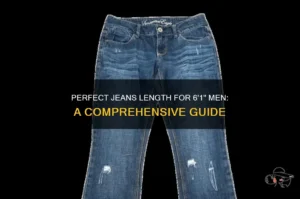
For straight-leg or regular-fit jeans, a 6-foot man will often start with a 32-inch inseam.
Choose a 30-inch inseam if:
- You want little or no stacking
- You wear low-profile sneakers
- You prefer a cropped or modern look
- The jeans sit high on your waist
Choose a 34-inch inseam if:
- You wear boots
- You like a noticeable break
- The jeans have a wider leg
- You plan to cuff them
- You have a long leg proportion
Jeans may change after washing. Raw or unsanforized denim can shrink more than prewashed denim, so check the care label and the brand’s shrink guidance before choosing a final length.
Chinos and casual trousers
A 32-inch inseam is also a sensible starting point for chinos. A 30-inch inseam can look sharper with loafers or low sneakers, especially when the pants have a slim or tapered leg.
For a relaxed chino, avoid choosing a very short inseam just because the waist fits. A short hem can make the leg look wider and may create an uneven visual balance.
Dress pants
Dress trousers usually look best with a small or medium break. A 32-inch inseam is common for a 6-foot man, but tailoring is often needed.
The main options are:
- No break: The hem ends near the top of the shoe with little fabric crease.
- Half break: The front of the pants has one small crease over the shoe.
- Full break: More fabric rests on the shoe, creating a deeper crease.
A half break is a useful middle choice for work and formal settings. A no-break hem can look clean with slim trousers, while a full break may suit fuller trousers or traditional tailoring.
Suit trousers
Suit pants should usually be judged with the suit jacket, shirt, and dress shoes worn together. A tailor can set the hem more precisely than a standard size label.
If you buy ready-to-wear suit pants, do not assume that the listed inseam is your finished length. Many suit trousers are sold with extra fabric for alterations.
Joggers and athletic pants
Joggers are designed to end near the ankle. A 30- or 32-inch inseam may work for many 6-foot men, but the cuff and taper matter more than the number.
A longer jogger may bunch above the ankle. A shorter one may expose too much sock when you sit or move. Check the garment’s finished length and leg opening when available.
How Much Break Should Pants Have?
“Break” is the fold or crease where the pant hem meets the shoe. It affects whether pants look neat, traditional, relaxed, or intentionally cropped.


| Hem style | Appearance | Useful for |
|---|---|---|
| No break | Clean line with little or no fold | Slim trousers, loafers, modern suits |
| Half break | One small fold | Most office and smart-casual outfits |
| Full break | Noticeable fold and more fabric | Traditional suits, fuller trousers |
| Cropped | Hem stops above the shoe | Casual outfits and summer styles |
The hem should not drag on the floor. Excess fabric can wear down, collect dirt, and make the pants look too large. On the other hand, a hem that rises far above the shoe may look too short unless that cropped style is intentional.
Stand naturally when checking the length. Then sit, walk, and look at the pants from the side. Pants often rise several inches when you sit, so a length that looks fine while standing may feel too short during normal movement.

Pants Length by Shoe Type
Shoes can change how the same inseam looks. A 32-inch pant may appear longer with low sneakers and shorter with high boots.
With sneakers
For jeans and casual pants, a slight break or clean finish usually works well. A 30- or 32-inch inseam may suit a 6-foot man, depending on the rise and leg cut.
With boots
Boots often work better with a longer hem. A 32- or 34-inch inseam can prevent the pants from appearing short above the boot shaft.
The pants should cover part of the boot without dragging heavily over the heel. Boot height, heel size, and the width of the leg all affect the result.
With loafers
Loafers often look best with a shorter, cleaner hem. Slim chinos or trousers may work with a 30- or 32-inch inseam, especially with little or no break.
With dress shoes
A half break is a safe starting point for most office and formal outfits. The finished length should cover enough of the shoe to avoid showing too much sock when standing.
What Pants Size Should a 6-Foot Man Buy?
Height determines neither waist size nor inseam by itself. A 6-foot man might wear 30×32, 34×32, or 40×34, depending on his body.
Read the size as two separate measurements:
- The first number is the waist size.
- The second number is the inseam.
- The label may use inches, such as 34×32.
- Some brands use letter sizes or tall sizes instead.
For example:
- 32×30: 32-inch waist and 30-inch inseam
- 34×32: 34-inch waist and 32-inch inseam
- 36×34: 36-inch waist and 34-inch inseam
Do not choose a longer inseam to solve a waist problem. If the waist is too tight or loose, choose a different waist size. If the waist fits but the hem does not, look for another inseam or have the pants altered.
Why labeled sizes may not match the tape
Brand sizing is not perfectly uniform. A labeled 34-inch waist may measure somewhat differently across brands and cuts. Stretch fabric can also change how the pants fit.
Before ordering online, check:


- The brand’s size chart
- The garment’s actual measurements
- Whether the fabric stretches
- Whether the pants are prewashed
- The return and alteration policy
When a 6-Foot Man Needs Tall Pants
A 6-foot man does not automatically need tall sizes. Tall pants are more useful when the rise, thigh, knee, and leg length all feel short.
Consider tall sizing if:
- The waistband sits too low even at the correct waist size
- The crotch feels tight or uncomfortable
- The pockets look too small or sit too high
- The knee placement feels wrong
- A 34-inch inseam is still too short
- Sleeves and shirt lengths also tend to be short
A standard 32-inch inseam may be enough if only the hem needs extra length. Tall sizing is more helpful when the whole garment is proportioned for a longer frame.
Should You Buy 30, 32, or 34-Inch Inseam?
Use this simple decision guide:
- Choose 30 inches for a shorter, cleaner hem or shorter leg proportion.
- Choose 32 inches as the normal starting point for most 6-foot men.
- Choose 34 inches for long legs, boots, cuffs, or more fabric at the shoe.
- Choose 36 inches only when your measured inseam supports it and the brand offers the size.
If you are between sizes, buy based on the fit at the waist, seat, and thighs first. The hem can often be altered. A poor rise or tight seat is harder to correct.

Common Mistakes When Choosing Pants Length
Using height as the only measurement
Height is a quick estimate, not a final answer. Use your inseam and compare it with a pair of pants that already fits well.
Confusing outseam with inseam
The inseam runs from the crotch to the hem along the inside of the leg. The outseam runs from the waistband to the hem along the outside. They are different measurements.
Ignoring the rise
A high-rise pant sits higher on the body and may need a different length than a low-rise pant. Compare pants that sit in the same place on your waist.
Forgetting fabric shrinkage
Cotton pants can shrink after washing. Follow the care label and avoid hot washing or high heat if the manufacturer warns against it.
Buying based on one brand
A 32-inch inseam is not guaranteed to measure exactly the same across every brand. Check the brand’s chart and product details.
Checking only while standing
Walk, sit, and bend your knees before deciding. Pants that look long while standing may become short when you move.
Hemming before washing
If the fabric may shrink, wash or preshrink the pants according to the care instructions before final alterations.
A Simple Fit Check Before You Keep the Pants
A pair of pants is likely close to the right length when:
- The hem does not touch the floor
- The back of the hem does not drag under the heel
- The fabric does not bunch heavily at the ankle
- The pants stay comfortable when you sit
- The hem covers the shoe in the way you intended
- Both legs appear even when you stand naturally
Try the pants with the shoes you will wear most often. A hem that works with sneakers may be too short for boots or too long for loafers.


Key Takeaways
- Most 6-foot men should start with a 32-inch inseam.
- A 30-inch inseam may suit shorter-leg proportions or a cropped look.
- A 34-inch inseam may suit long legs, boots, cuffs, or a fuller break.
- Measure your inseam instead of relying on height alone.
- Check the rise, fabric shrinkage, shoe type, and desired break.
- If the waist and seat fit well, a tailor can usually correct the hem.
Frequently Asked Questions
Is a 32-inch inseam normal for a 6-foot man?
Yes. A 32-inch inseam is a common starting point for a 6-foot man, but it is not universal. Body proportions and clothing style can move the best choice to 30 or 34 inches.
Is a 34-inch inseam too long for someone who is 6 feet tall?
Not necessarily. A 34-inch inseam may fit a 6-foot man with long legs or work well with boots and a fuller break. Measure before buying, since a 34-inch inseam may be too long for shorter-leg proportions.
What is the average inseam for a 6-foot man?
There is no single inseam that fits every 6-foot man. In retail practice, 32 inches is a reasonable starting point, but individual measurements are more reliable than an average.
Should pants touch the floor when standing?
No. Pants should not drag on the floor. The hem should meet the shoe in a controlled way, with the amount of break chosen for the style and occasion.
Can a tailor shorten pants?
Usually, yes. Most trousers can be shortened, although the original hem, cuffs, zippers, design details, or heavy denim construction may affect the alteration. Lengthening is more limited because it depends on extra fabric inside the hem.
What inseam should a 6-foot man wear with boots?
Start with 32 or 34 inches. The best choice depends on the boot height, heel, pant cut, and preferred break. Try the pants with the actual boots before making a final decision.
Final Recommendation
If you are 6 feet tall and need a starting point, try 32×your waist size first. Choose 30 inches for a shorter, cleaner look and 34 inches if you have long legs or wear boots.
For the most accurate fit, measure a pair of pants you already like, compare that measurement with the brand’s size chart, and check the hem while wearing your usual shoes.

Rubel Miah is the Senior Editor at MyStyleGrid.com, where he brings a sharp editorial eye and an unshakable love for fashion to everything he does. A true style addict, Rubel lives and breathes trends, from streetwear to high fashion, and has a knack for turning inspiration into impactful stories. With years of experience in fashion journalism and digital media, he curates content that empowers readers to express themselves through style. When he’s not editing features or forecasting the next big thing, you’ll find him hunting down vintage pieces or capturing street style moments around the city.