Clean and disinfect shoes with heat, antifungal spray, UV, or diluted bleach; dry completely.
I’ve treated dozens of patients and tested methods to remove toenail fungus from shoes. This guide explains why shoes harbor fungus, which cleaning methods work, and how to prevent reinfection. I’ll share easy step-by-step routines, safety tips, and real-life lessons so you can remove toenail fungus from shoes and keep it gone.

How toenail fungus lives in shoes
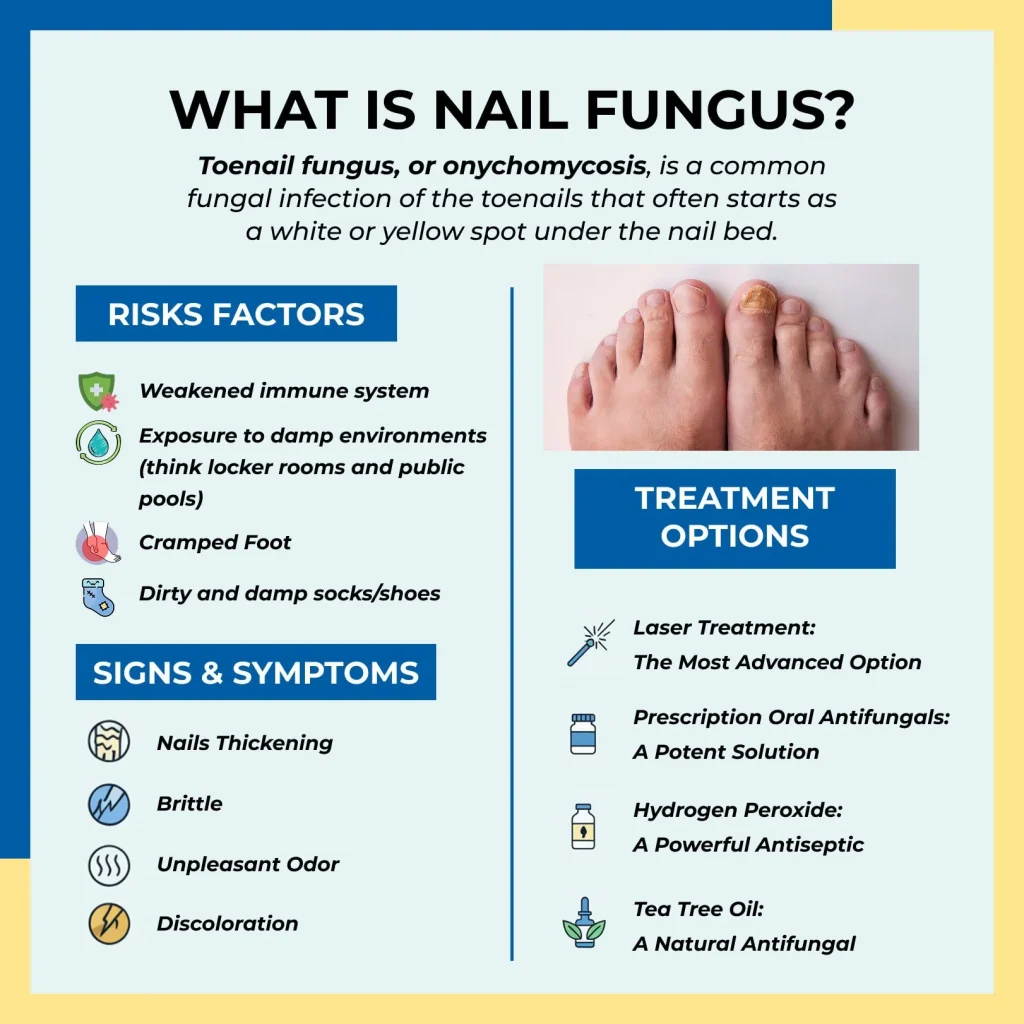
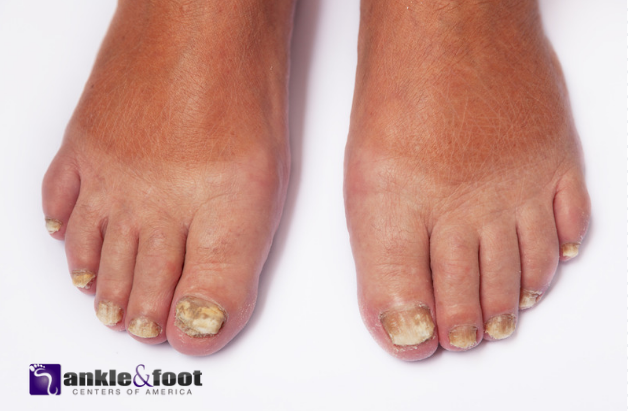
Toenail fungus is a fungal infection that grows on nails and in warm, damp spaces. Shoes create the perfect home. Tight, non-breathable shoes trap sweat. The fungus feeds on dead skin and fibers. If you only treat the nail and not the shoe, spores can re-infect your toes.
Common signs shoes are contaminated:
- Musty smell after wear.
- Visible dark powder or flaky debris inside.
- Fungus returns despite nail treatment.
Understanding this makes the next steps clearer. We aim to kill spores in the shoe and stop new growth.
Why treating shoes matters
Treating shoes is as important as treating the nail. If you ignore shoes, spores can live for months. That keeps the cycle going. Clinical reviews show topical nail care fails without environmental control. Cleaning shoes reduces relapse and speeds recovery.
Treatments reduce spores and odors. Prevention saves money and time on repeat therapy. This is simple care that works when done right.
Step-by-step: how to remove toenail fungus from shoes
Follow this routine for most shoes. Repeat the whole process for all footwear you use often.
- Remove insoles and laces
- Take out insoles and wash them separately. Laces can hold spores.
- Dry shoes fully
- Leave shoes in sun for several hours or use a dryer setting that suits the shoe. Heat helps kill spores.
- Clean the inside
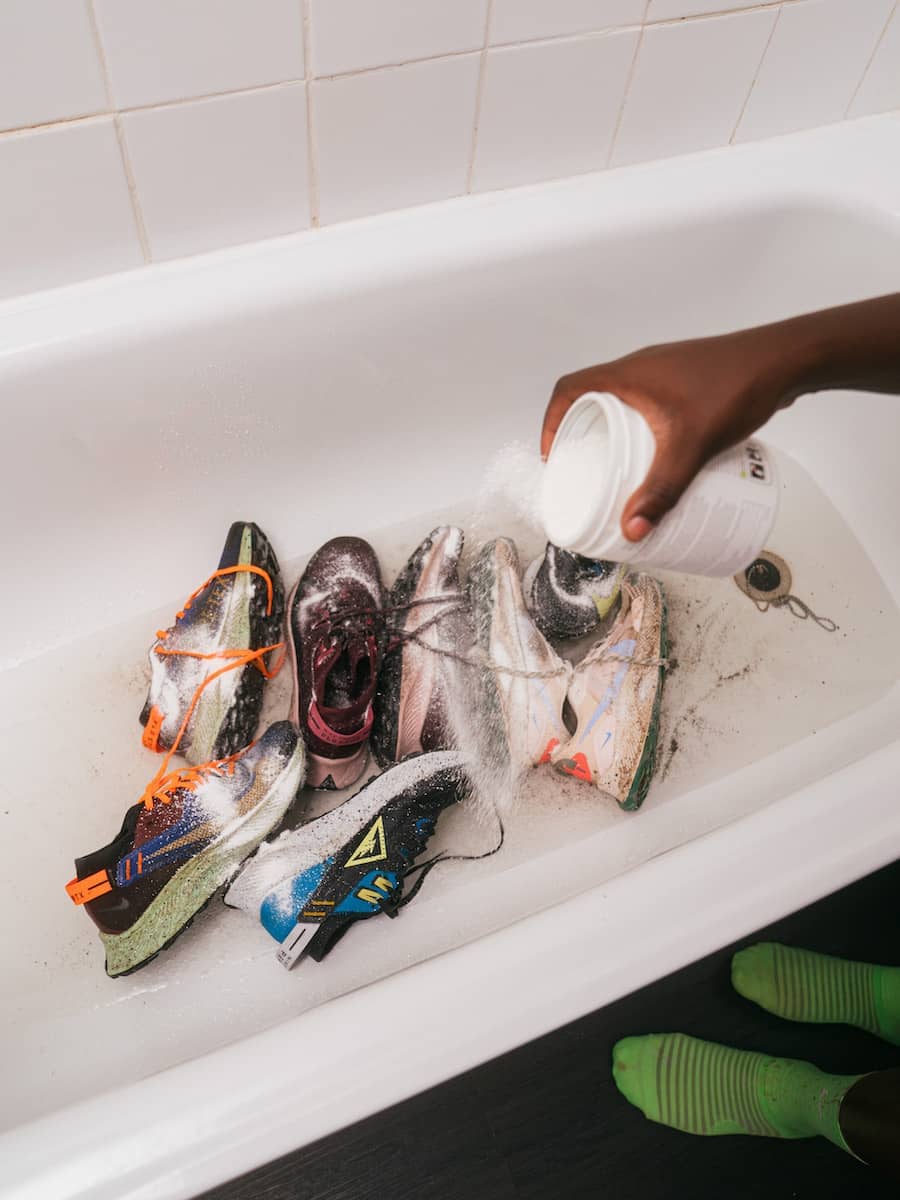
- Scrub inner surfaces with a soft brush and warm, soapy water to remove debris.
- Apply a disinfectant
- Choose an antifungal spray, 70% isopropyl alcohol, diluted bleach (1 part bleach to 10 parts water), or medical antifungal powder. Spray or wipe inner surfaces thoroughly.
- Let sit and dry again
- Air dry shoes for 24–48 hours. Use a fan or sunlight. Make sure shoes are bone dry before wearing.
- Treat insoles and socks
- Machine wash insoles if possible. Replace non-washable insoles. Wash socks in hot water.
- Add preventive measures
- Use antifungal powder or cedar shoe inserts between wears. Rotate shoes so each pair dries fully.
Repeat this routine weekly until nail infection clears, then monthly as prevention. This step-by-step plan shows how to remove toenail fungus from shoes and keep spores at bay.

Disinfecting methods compared: what to use and when
Many products work. Here’s a quick comparison. I’ve tried most of these in clinics and at home.
-
Antifungal spray
- Pros: Formulated for fungus, easy to use.
- Cons: Needs full coverage and repeat use.
-
Isopropyl alcohol (70%)
- Pros: Fast-acting, dries quickly.
- Cons: May not reach deep fibers; can damage some materials.
-
Diluted bleach (1:10)
- Pros: Broad-spectrum, affordable.
- Cons: Can fade or weaken fabrics and leather.
-
Tea tree oil
- Pros: Natural antifungal activity in lab tests.
- Cons: Strong smell; less proven in shoes than medical products.
-
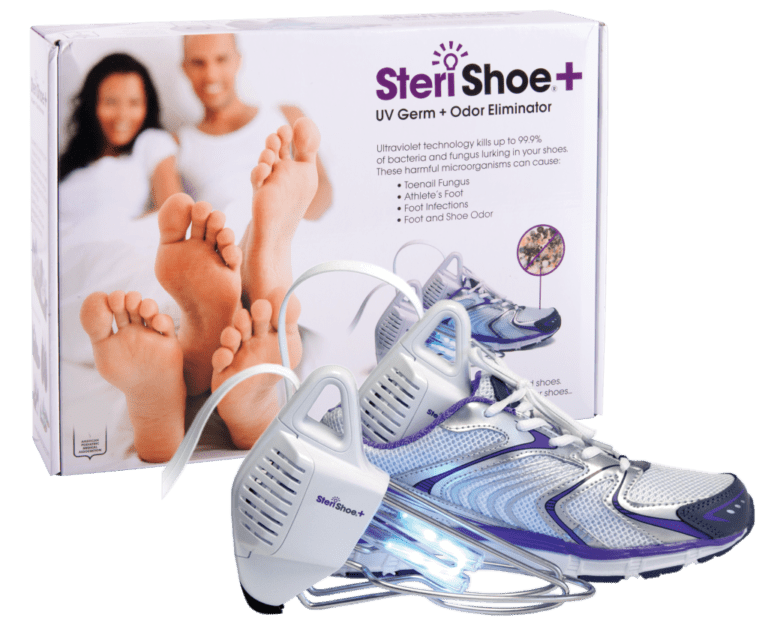
UV shoe sanitizers
- Pros: Chemical-free, convenient.
- Cons: Variable effectiveness; needs direct exposure to all surfaces.
-
Freezing
- Pros: Kills some fungi
- Cons: Not reliable; spores can survive freeze-thaw cycles.
Pick a method based on shoe type and material. For porous shoes, use stronger disinfectants or replace insoles. For delicate materials, choose sprays made for footwear or UV.
This section helps you decide the best way to remove toenail fungus from shoes for your situation.
Machine washing, dryers, and materials
Not all shoes can be machine washed. Know your shoe materials before cleaning.
-
Canvas and synthetic trainers
- Usually machine safe. Use hot water and a full drying cycle if label allows.
-
Leather and suede
- Do not machine wash. Use a leather-safe antifungal product and air dry away from direct sun.
-
Athletic shoes with removable insoles
- Remove insoles and wash them. If the shoe is washable, run a gentle hot wash.
-
Insoles and socks
- Wash insoles and socks in hot water (140°F / 60°C) when possible. High heat helps kill spores.
-
Dryer use
- Heat helps but check labels. Some shoes tolerate low heat in dryer. Air drying in sun is safer for delicate shoes.
When in doubt, treat shoes with spray or UV sanitizer and replace old insoles. Following these rules reduces the chance you’ll reintroduce the fungus when you wear shoes again.

Preventing reinfection and long-term care
Prevention is simple when routine becomes habit.
-
Rotate shoes
- Do not wear the same pair two days in a row. Let them dry 24–48 hours.
-
Wear breathable socks
- Cotton blends or moisture-wicking socks reduce dampness.
-
Use antifungal powder
- Sprinkle inside shoes after cleaning to keep spores low.
-
Replace old shoes
- If shoes still smell or show debris after cleaning, replace insoles or the whole shoe.
-
Practice foot hygiene
- Trim nails straight, dry feet well, and treat athlete’s foot promptly.
-
Visit a podiatrist
- If nails keep getting infected, see a specialist. They can test the fungus and advise medical treatment.
Adopt these steps to stop the cycle. They make how to remove toenail fungus from shoes a lasting habit.

Personal experience and tips from practice
I once treated a patient who kept getting reinfected despite strong nail meds. The problem was one gym shoe. After deep cleaning and replacing the insole, the infection stopped returning. Here are practical tips I learned:
- Don’t skip insoles. They hide spores.
- Test a small area when using bleach on colored shoes.
- If a shoe smells after proper disinfection, replace it.
- Use a timer reminder to rotate shoes every other day.
Mistakes to avoid:
- Assuming sprays alone cure shoes. Combine cleaning and drying.
- Using weak vinegar as only disinfectant for very porous shoes.
- Reusing socks without washing.
These tips come from clinic work and home trials. They show realistic ways to remove toenail fungus from shoes and prevent future trouble.
Quick questions people ask
Q: Can shoes re-infect treated nails?
A: Yes. Shoes with spores can re-infect nails days after treatment. Clean shoes to prevent relapse.
Q: Is bleach the best choice?
A: Bleach is effective but can damage materials. Use it on whites or replaceable insoles only.
Q: Do antifungal sprays really work?
A: Many sprays work if used thoroughly and repeatedly. Combine them with cleaning and drying.
Q: How long do spores live in shoes?
A: Spores can survive for months in damp shoes. Dry and disinfect to shorten their life.
Q: When should I replace shoes?
A: Replace if cleaning fails or shoes remain smelly and crumbly. Old shoes can hide spores you can’t remove.
Frequently Asked Questions of how to remove toenail fungus from shoes
How often should I treat my shoes for toenail fungus?
Treat shoes weekly while you actively treat your nails, then monthly for prevention. Treat any shoes you wear often or in damp conditions.
Can UV shoe sanitizers replace chemical disinfectants?
UV sanitizers can help but may not reach all crevices. Use UV as part of a combined approach, not the only method.
Are home remedies like vinegar or tea tree oil enough?
They can reduce spores but may be less reliable than medical antifungal sprays or diluted bleach. Use them with proper cleaning and drying.
Is it safe to wear shoes after spraying disinfectant?
Allow sprays to dry fully and ventilate shoes before wearing. Wet chemicals on skin can irritate or damage nails.
Will freezing shoes kill toenail fungus?
Freezing may reduce fungi but is not reliable alone. Use freezing only as a supplemental step, not a primary method.
How do I know the shoe is truly clean?
No smell, no flaky debris, and insoles that wash clean are good signs. If the fungus still appears on your nail after proper shoe care, seek medical advice.
Conclusion
Treat shoes as part of toenail care. Clean, disinfect, dry, and rotate footwear to stop spores from coming back. Small habits—removing insoles, using antifungal spray, and letting shoes air out—make a big difference. Act now: pick a cleaning method, treat all your footwear, and add routine prevention. Share your experience or questions below and subscribe for more practical foot-care tips.

Rubel Miah is the Senior Editor at MyStyleGrid.com, where he brings a sharp editorial eye and an unshakable love for fashion to everything he does. A true style addict, Rubel lives and breathes trends, from streetwear to high fashion, and has a knack for turning inspiration into impactful stories. With years of experience in fashion journalism and digital media, he curates content that empowers readers to express themselves through style. When he’s not editing features or forecasting the next big thing, you’ll find him hunting down vintage pieces or capturing street style moments around the city.