If you ever spent time outside on a sunny day, you know how bright the sunlight can be. Maybe you squint or cover your eyes with your hand. But did you know that the sun’s rays can harm your eyes, not just make you uncomfortable?
That’s why eye doctors often talk about the importance of the right sunglasses. They don’t just make you look cool — they protect your vision.
But choosing sunglasses is not as simple as picking the style you like. There are many types, and not all of them give real protection. In this article, I’ll guide you through what type of sunglasses eye doctors actually recommend, why they do, and what you need to know before you buy your next pair.
I’ll also share facts, examples, and a few things most people forget about sunglasses and eye health.
Why Sunglasses Matter For Eye Health
You might think sunglasses are just for comfort or style, but their main role is protection. Sunlight has invisible rays called ultraviolet (UV) light. These rays can cause eye problems, even if you don’t feel it right away.
If you don’t protect your eyes, UV light can lead to:
- Cataracts (clouding of the lens)
- Macular degeneration (damage to the center of your vision)
- Photokeratitis (a sunburn on your eye)
- Pterygium (growth on the white of the eye)
The World Health Organization says up to 20% of cataracts may be caused by UV exposure. That’s a big number, and it shows how important sunglasses are.
What Do Eye Doctors Look For In Sunglasses?
I want to be clear — eye doctors don’t care much about brand or fashion. They look for real protection and benefits for your eyes. When eye doctors recommend sunglasses, they focus on:
- Full UV protection (UV400 or 100% UV protection)
- Lens quality (no distortion, strong material)
- Coverage (how much of your eye and skin is covered)
- Comfort and fit
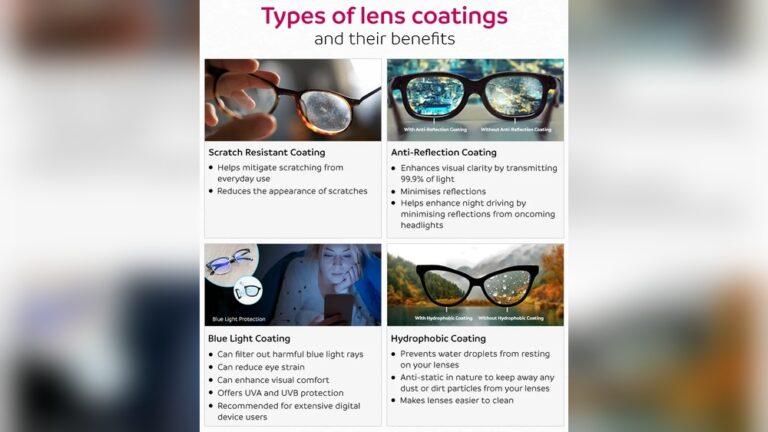
- Special lens features (polarized, tint, coatings)
Let’s break down each one.
Credit: www.pearlevision.com
Full Uv Protection: The Non-negotiable
Eye doctors always say: Make sure your sunglasses block 100% of UV rays. You may see labels like “UV400.” This means the glasses block all light up to 400 nanometers — that covers both UVA and UVB. Without this, sunglasses are just tinted glass. In fact, dark lenses without UV protection are worse than nothing! Your pupils get bigger behind dark lenses, letting in more harmful rays.
Look for:
- A sticker or label that says 100% UV protection or UV400
- Trusted brands (but always check the label)
- Avoid buying from street vendors or unknown online shops
Non-obvious tip: The color or darkness of the lens does not tell you if there is UV protection. Clear lenses can have UV protection, and dark lenses can have none.
Lens Quality: Clarity And Safety
Cheap sunglasses may have poor-quality lenses. This can cause:
- Blurry vision
- Headaches
- Eye strain
- Lenses that break easily
Doctors recommend lenses that are:
- Optically correct (no distortion)
- Made from safe materials (polycarbonate is common)
- Scratch-resistant
To check lens quality, hold the glasses at arm’s length and look through them at a straight line, like a window frame. Move the glasses slowly side to side. If the line bends, the lenses are not good.
Extra tip: Polycarbonate lenses are often recommended for kids and people who play sports. They are much less likely to shatter than glass or regular plastic.
Coverage: Size And Shape Matter
It’s not just about the front of your eye. UV rays can come in from above, below, and the sides. That’s why eye doctors often suggest:
- Wraparound styles (these curve around your face)
- Large lenses (cover the eye and the skin around it)
- Sunglasses with wide arms (these block light from the side)
Bigger is usually better for sun protection, even if it’s not always the latest fashion.
Comfort And Fit: Don’t Ignore This
Even the best sunglasses are useless if you don’t wear them. Doctors say comfort is key:
- Glasses should sit snug but not tight
- They should not pinch your nose or ears
- No slipping down your nose
Non-obvious insight: A poor fit can let in more light from the top or sides, reducing protection. It can also cause you to keep taking them off, which means your eyes stay unprotected.
Special Lens Features Eye Doctors Recommend
Not all sunglasses are the same. Doctors sometimes suggest extra features, depending on your eyes or how you spend your time outside.
Polarized Lenses
Polarized lenses are a favorite for many eye doctors. They cut down glare — the bright reflections from water, roads, or snow. This makes them ideal if you:
- Drive a lot
- Fish or boat
- Spend time near water or snow
Polarized lenses can make things look sharper and colors more vivid. But they are not for everyone. Sometimes, polarized lenses make it hard to read screens (like your phone or car dashboard).
Lens Tints
Tints can change how you see colors and light. Doctors may recommend:
- Gray tint (most neutral; best for general use)
- Brown/amber tint (boosts contrast; good for driving and sports)
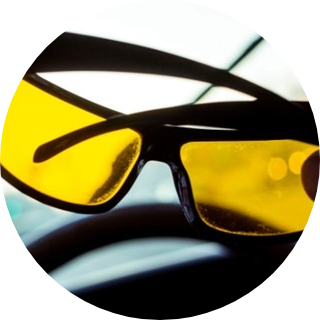
- Yellow tint (improves contrast in low light, not for strong sun)
Avoid very dark or colored tints for kids. They can block too much light and make it hard to see.
Anti-reflective And Mirror Coatings
Some sunglasses have a shiny mirror on the outside. This can reflect even more sunlight away and reduce glare. Anti-reflective coatings on the inside stop light from bouncing into your eyes.
Prescription Sunglasses
If you wear glasses, you can get sunglasses with your prescription. This means you don’t have to pick between seeing well and protecting your eyes. Some people use clip-on lenses, but these are often less effective and can scratch your main glasses.
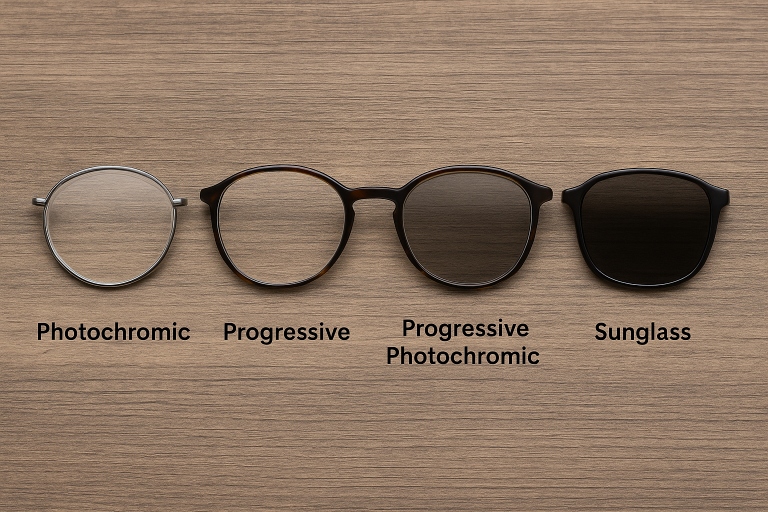
Photochromic Lenses
These lenses change color in sunlight. Indoors, they are clear. Outside, they darken. They give UV protection, but sometimes they don’t get dark enough for very strong sun.
Types Of Sunglasses Eye Doctors Most Often Recommend
Let’s look at the main types of sunglasses eye doctors suggest for different people and situations.
1. Classic Full-frame Sunglasses
These are the everyday sunglasses you see most people wear. They cover the eyes well and often have large lenses. If they offer full UV protection and fit well, they are a solid choice for most people.
2. Wraparound Sunglasses
Wraparounds curve around your face and block sunlight from almost every angle. Eye doctors like these for:
- Sports
- People who spend many hours outdoors
- Those with sensitive eyes
3. Sport Sunglasses
These are made for running, cycling, hiking, and other outdoor activities. They are tough, lightweight, and stay in place. Most have polycarbonate lenses for safety.
4. Prescription Sunglasses
If you have vision correction needs, prescription sunglasses are best. You can get them in any style, with all the protective features you need.
5. Clip-on And Fit-over Sunglasses
Some people use clip-ons or “fit-over” sunglasses (they go over your regular glasses). Doctors say these are okay if they are high quality and offer full UV protection. But they should fit snugly and not let in extra light from the sides.
6. Children’s Sunglasses
Kids’ eyes are even more sensitive to sunlight. Eye doctors recommend:
- 100% UV protection
- Polycarbonate lenses (for safety)
- Bright, fun styles so kids want to wear them
- Good fit (no gaps)
7. Photochromic Sunglasses
For people who move between indoors and outdoors all day, photochromic lenses can be useful. They react to sunlight and darken as needed. Always check that they block 100% UV.
8. Sunglasses For Special Conditions
People with eye diseases, recent eye surgery, or very light-sensitive eyes may need extra-dark glasses, side shields, or even special medical sunglasses. Eye doctors can help pick the right ones.
Comparing Sunglasses: What Features Matter Most?
You may wonder how different sunglasses compare in real life. Here’s a look at how some common types stack up for key features:
| Type | UV Protection | Coverage | Best For |
|---|---|---|---|
| Classic Full-Frame | Excellent (if UV400) | Good | Daily use |
| Wraparound | Excellent | Excellent | Sports, high sun |
| Clip-On | Varies | Fair | Glasses wearers |
| Sport Sunglasses | Excellent | Very Good | Outdoor activity |
| Children’s Sunglasses | Excellent | Good | Kids |
What About Lens Colors?
You might notice sunglasses come in many colors. Doctors say the color does not affect UV protection, but it can change how you see.
| Lens Color | Main Benefit | Best Use |
|---|---|---|
| Gray | Natural color vision | All-purpose |
| Brown/Amber | Improved contrast | Driving, sports |
| Yellow | Sharpens vision in low light | Foggy/cloudy days |
| Green | Reduces glare, enhances shadows | Golf, tennis |
| Blue/Red | Fashion mostly | Style |
Quick tip: Always check the label for UV protection, no matter what color the lens is.
Credit: seattleeyecaredoctor.com
Sunglasses For Different Activities
Eye doctors sometimes recommend different sunglasses for different activities. Here’s what you should know:
Driving
- Polarized lenses are excellent for cutting glare from the road.
- Gray or brown tints are best because they don’t change traffic signal colors.
- Avoid blue or pink lenses for driving.
Water Sports
- Polarized lenses are a must to reduce glare from water.
- Wraparound styles keep wind and spray out.
Snow Sports
- Sunglasses with mirror coating help reflect strong sunlight from the snow.
- Wraparounds or goggles give the best protection.
Everyday Wear
- Choose comfort and style you like, but never skip UV protection.
- Larger lenses offer more coverage.
Children And Teens
- Fun, bright colors help kids want to wear them.
- Lightweight, durable material is important.
- Straps can keep them from getting lost.
Common Mistakes When Choosing Sunglasses
Even people who care about their eyes often make mistakes. Here are some of the most common:
1. Choosing Style Over Protection
Many buy sunglasses just for the look. But a stylish pair without UV protection does more harm than good.
2. Trusting Price As A Sign Of Quality
Expensive does not always mean better protection. Always check the label.
3. Buying From Unknown Sources
Glasses from street vendors or untrusted online shops may have fake labels.
4. Forgetting About Fit
Glasses that are too small or sit far from your face let in sunlight.
5. Not Wearing Sunglasses On Cloudy Days
UV rays pass through clouds. Doctors say to wear sunglasses any time you are outside, not just in bright sun.
6. Letting Children Go Without
Kids need sun protection even more than adults.
7. Ignoring The Side And Bottom
If light gets in around the sides, your eyes are still exposed.
8. Using Sunglasses For Too Long
Over time, coatings can wear off. Replace sunglasses every few years.
How To Test If Sunglasses Offer Real Uv Protection
You can’t see UV protection, but here’s how you can be sure:
- Look for a sticker or tag saying 100% UV or UV400
- Buy from trusted brands or eye care offices
- Some optical shops have UV meters. You can test your glasses there.
Non-obvious tip: Don’t trust a dark lens to mean better protection. UV is invisible and not connected to how dark the lens looks.
What About Sunglasses And Blue Light?
Some sunglasses claim to block blue light as well as UV. Blue light mainly comes from screens and LEDs, but it’s also in sunlight. Too much blue light may play a role in eye strain and sleep problems.
Doctors say that for outdoor use, UV protection is much more important. If you work with screens all day, talk to your eye doctor about blue light filters.
Prescription Vs. Non-prescription: What Should You Choose?
If you wear glasses, you have three main options:
- Prescription sunglasses: Give the best protection and vision.
- Clip-on sunglasses: Less expensive, but must fit well and offer UV protection.
- Photochromic lenses: Good for people who move between inside and outside often.
Non-prescription sunglasses are fine if you don’t need vision correction. But never wear sunglasses on top of your regular glasses unless they are made to fit together.
How To Take Care Of Your Sunglasses
Good sunglasses are an investment in your eye health. Take care of them by:
- Keeping them in a case when not in use
- Cleaning with a soft, non-abrasive cloth
- Avoiding leaving them in hot cars (heat can damage lenses)
- Checking for scratches or damage
Replace your sunglasses if the lenses are scratched, loose, or the UV coating wears off.
Eye Doctor Advice For Special Cases
Some people need more than regular sunglasses. For example:
- After eye surgery, you may need extra-dark or wraparound glasses
- People with eye diseases (like macular degeneration) may need special filters
- Those who work with chemicals or in dangerous jobs need safety-rated sunglasses
If you have any eye health concerns, ask your eye doctor for a specific recommendation.
How To Read Sunglasses Labels
Sunglasses labels can be confusing. Here are some terms to know:
- UV400: Blocks all UVA and UVB rays
- Polarized: Reduces glare, but not always UV (check both)
- ANSI Z80.3: Meets American standards for non-prescription sunglasses
- CE Mark: Meets European standards
If you see “cosmetic only,” don’t buy them for sun protection!
Are Expensive Sunglasses Always Better?
Price doesn’t always mean better protection. You can find great sunglasses at many prices. The key is the UV protection label, lens quality, and fit. Sometimes, expensive brands offer style and comfort, but cheaper glasses can protect you just as well.
Myths And Truths About Sunglasses
Let’s clear up some common myths:
- Myth: Darker lenses give more protection.
Truth: Only the UV label matters.
- Myth: Kids don’t need sunglasses.
Truth: Kids’ eyes are more sensitive.
- Myth: You don’t need sunglasses on cloudy days.
Truth: UV rays still reach your eyes.
- Myth: All polarized lenses protect from UV.
Truth: Polarization and UV protection are separate.
Credit: www.lenscrafters.com
How Often Should You Replace Sunglasses?
Doctors say you should replace sunglasses every 2-3 years, or sooner if:
- Lenses are scratched
- The frame is damaged or loose
- The UV coating is worn (lenses look faded or cloudy)
Older sunglasses may not block UV as well, especially if they are cheap or have no visible label.
Sunglasses Around The World: Laws And Standards
Different countries have standards for sunglasses. For example:
- In the U.S., sunglasses should meet ANSI standards.
- In Europe, they should have a CE mark.
- Australia and New Zealand have very strong sun; their sunglasses must meet strict standards.
If you travel a lot, check local guidelines for best protection.