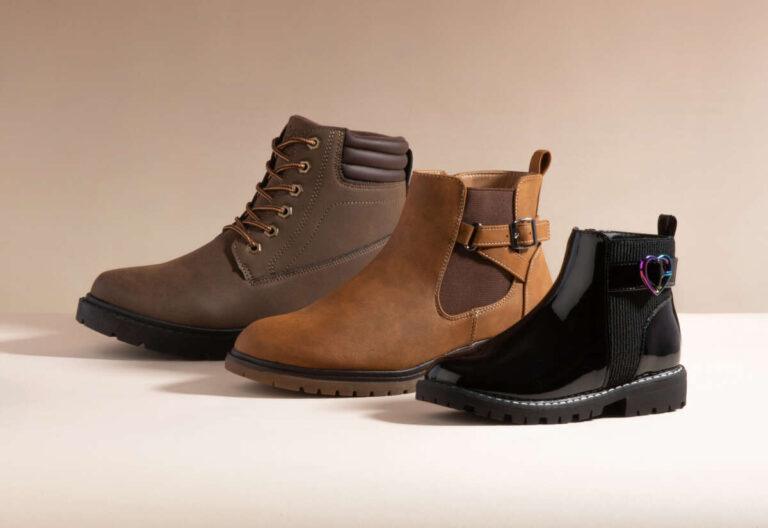
Tighten laces, use heel grips or tongue pads, and change socks to improve boot fit.
I’ve worked with footwear for years and helped people solve fit issues without buying insoles. This guide shows practical, tested ways for how to make boots fit better without insoles. You’ll get clear steps, simple tools, and trade tricks I’ve used myself. Read on to fix fit problems fast and safely.
Why boots feel off and how to approach the problem
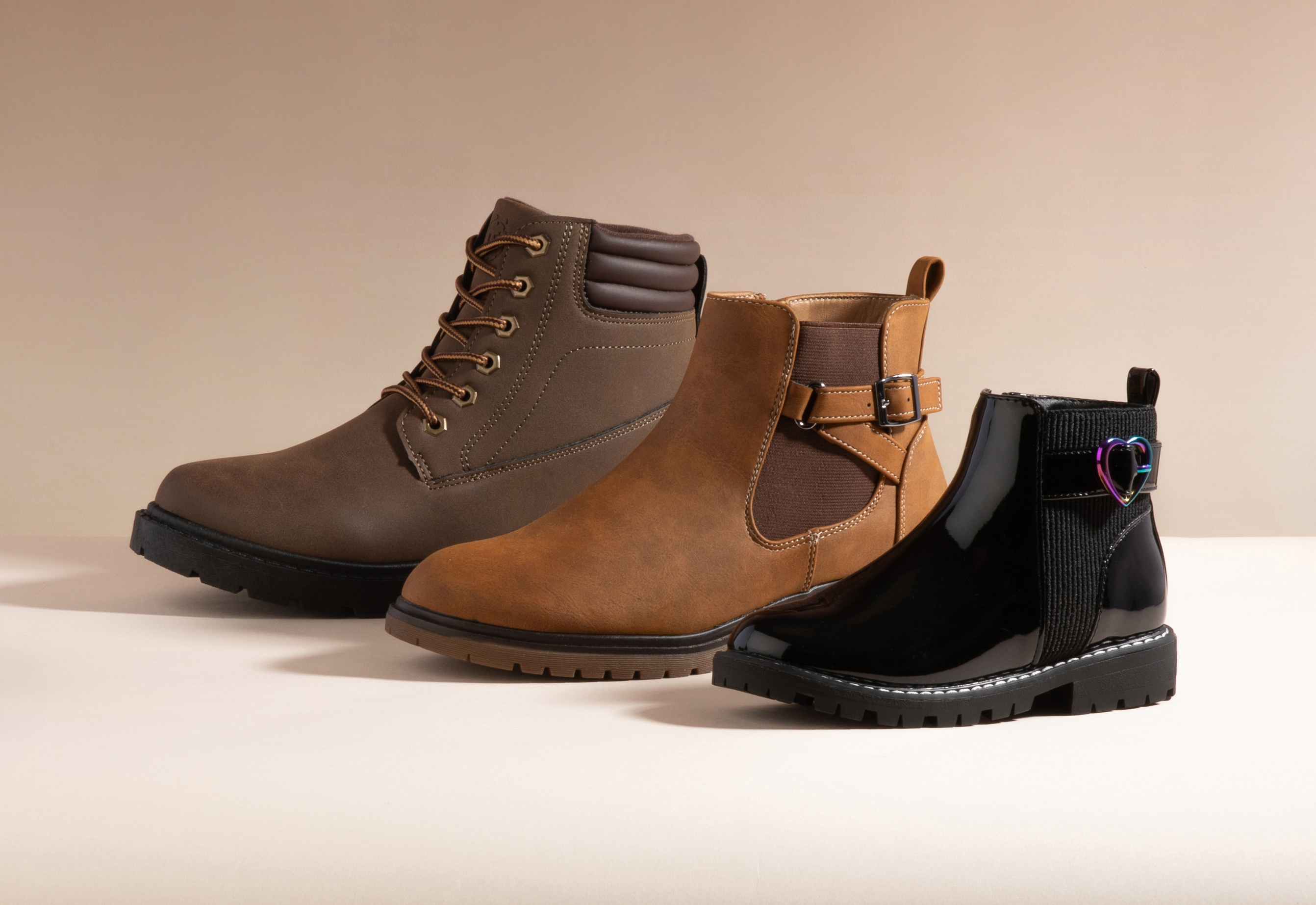
Boots can feel wrong for three main reasons: length, width, or heel slip. Narrow toes, loose heels, or pressure points each need a different fix. When you search for how to make boots fit better without insoles, start by diagnosing the exact issue. Measure your feet, try the boots with the socks you plan to wear, and walk around on hard and soft floors. That tells you what to change next.
Quick fixes to make boots fit better without insoles
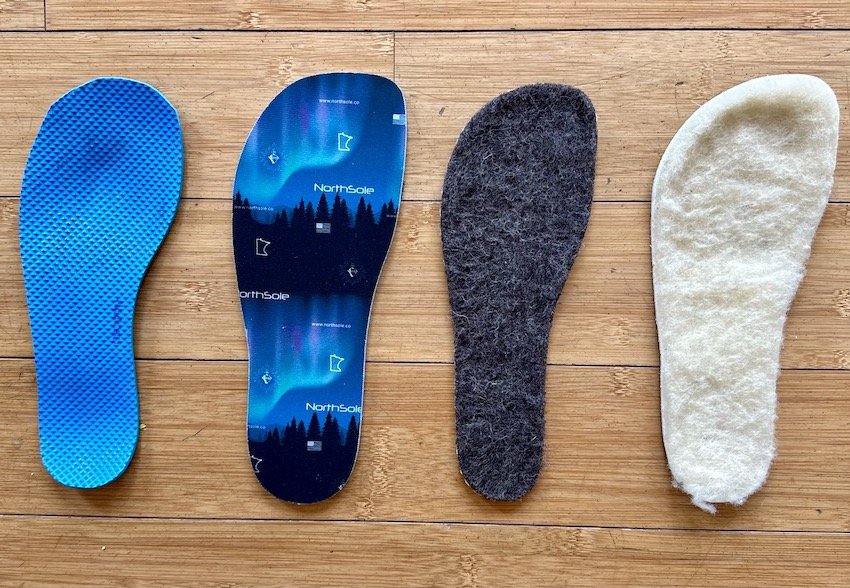
These are low-cost, fast methods you can try at home. They work well when you want immediate comfort and cannot or do not want to add insoles.
- Adjust lace patterns to change fit. Use different lacing to tighten the forefoot or relax the ankle.
- Add heel grips to stop heel slip. Thin gel or foam strips stick to the boot heel.
- Use tongue pads to push your foot back slightly and reduce forward movement.
- Swap socks for different thickness or material. Thicker socks can take up space; thin performance socks reduce friction.
- Use a shoe stretcher for tight spots. A basic two-way stretcher can add width or relieve pressure points.
- Wear the boots around the house with thick socks to break them in gently.
- Try heel-counter stiffeners or softeners. Heat and reshaping can help molded heels fit better.
I often start with lace changes and heel grips. They are cheap and usually fix the issue within a day or two. These steps show how to make boots fit better without insoles in a practical way.

Adjusting lacing and fit techniques
Lacing is a simple tool you control every time you put boots on. Small changes create big differences.
- To reduce heel slip: Use a runner’s loop (lock lacing) at the ankle.
- To free pressure on the instep: Skip a lace hole or use parallel lacing across the top.
- To tighten the forefoot: Tighten lower eyelets and leave upper eyelets looser.
- For uneven foot shapes: Try asymmetrical lacing to favor the tight side.
I once fixed a pair of leather boots for a client by swapping to a gap-lace pattern and adding a tongue pad. The boots stopped rubbing instantly. Lacing patterns are a low-risk first step for how to make boots fit better without insoles.

Materials and tools that help without insoles
You don’t need full insoles to improve fit. These items are small, affordable, and effective.
- Heel grips: Thin pads that stop slipping at the back of the boot.
- Tongue pads: Small cushions that shift the foot slightly back.
- Gel strips and moleskin: Reduce friction and cushion pressure points.
- Shoe stretch spray: Softens leather for safe stretching.
- Socks with different thickness: Wool, cotton blends, or performance synthetics change fit and friction.
- Boot trees and stretchers: Maintain shape and add slight width or length adjustments.
- Leather conditioner: Softens stiff uppers to conform to foot shape.
I keep a small kit with heel grips, moleskin, and a stretcher in my shop. Using the right tool makes how to make boots fit better without insoles feel simple and fast.
Long-term alterations and professional tweaks
If quick fixes do not solve the problem, consider low-impact alterations. These are best done by a cobbler or a skilled DIYer.
- Shorten or replace laces with thinner or elastic options for better tension control.
- Have a cobbler add a permanent heel cup or sewn-in padding.
- Stretch problem areas professionally to avoid damaging leather.
- Replace or repair the boot lining if it causes rubs or fit issues.
- Reshape or rebuild the heel counter to stabilize the foot.
Professionals can make subtle changes that keep the boot’s original design but improve fit. When you need lasting solutions, these options show how to make boots fit better without insoles while preserving boot integrity.

Common mistakes to avoid when fixing boot fit
Small errors can make fit worse or damage boots. Avoid these common mistakes.
- Don’t over-stretch leather quickly. That weakens the material.
- Avoid bulky additions across the whole foot; they can create pressure points.
- Don’t rely only on one fix. Heel grips plus lacing changes often work best.
- Avoid using household glue or tape that leaves residue or ruins leather.
- Don’t expect the same solution for all boots; fit fixes are boot- and foot-specific.
From my experience, people often try one fix and give up. A few combined steps usually solve the issue and show how to make boots fit better without insoles.
Frequently Asked Questions of how to make boots fit better without insoles
How can I stop my heel from slipping without an insole?
Use heel grips or a runner’s loop lacing. Both reduce movement and are easy to apply.
Will wearing thicker socks make boots fit better?
Yes. Thicker socks take up space and cushion pressure points. Make sure the boot still allows toe wiggle.
Can I stretch boots at home safely?
Yes, with a shoe stretcher and stretch spray. Go slowly and check progress often to avoid damage.
Are tongue pads better than heel grips?
They solve different problems. Tongue pads move your foot back; heel grips stop rear slip. Use both if needed.
When should I see a cobbler instead of doing it myself?
See a cobbler for permanent changes, leather repairs, or if several quick fixes fail. They can offer safe, long-term solutions.
Conclusion
Making boots fit better without insoles is usually a mix of simple fixes and smart adjustments. Start by diagnosing the issue, then try lacing tweaks, heel grips, tongue pads, and sock changes. If the problem persists, use a stretcher or seek a cobbler for subtle, durable work. Try one step at a time and track what works for your feet. Put these tips to use today, and share your success or questions below.

Rubel Miah is the Senior Editor at MyStyleGrid.com, where he brings a sharp editorial eye and an unshakable love for fashion to everything he does. A true style addict, Rubel lives and breathes trends, from streetwear to high fashion, and has a knack for turning inspiration into impactful stories. With years of experience in fashion journalism and digital media, he curates content that empowers readers to express themselves through style. When he’s not editing features or forecasting the next big thing, you’ll find him hunting down vintage pieces or capturing street style moments around the city.