Keep leather clean, conditioned, and protected—regular care prevents winter cracking fast.
I’ve worked with leather for years and helped countless people save boots from winter damage. In this article I’ll show clear, practical steps on how to prevent leather boots from cracking in winter. You’ll get simple routines, product choices, and real-life tips I use myself. Read on to protect your boots and extend their life.
Why leather cracks in winter
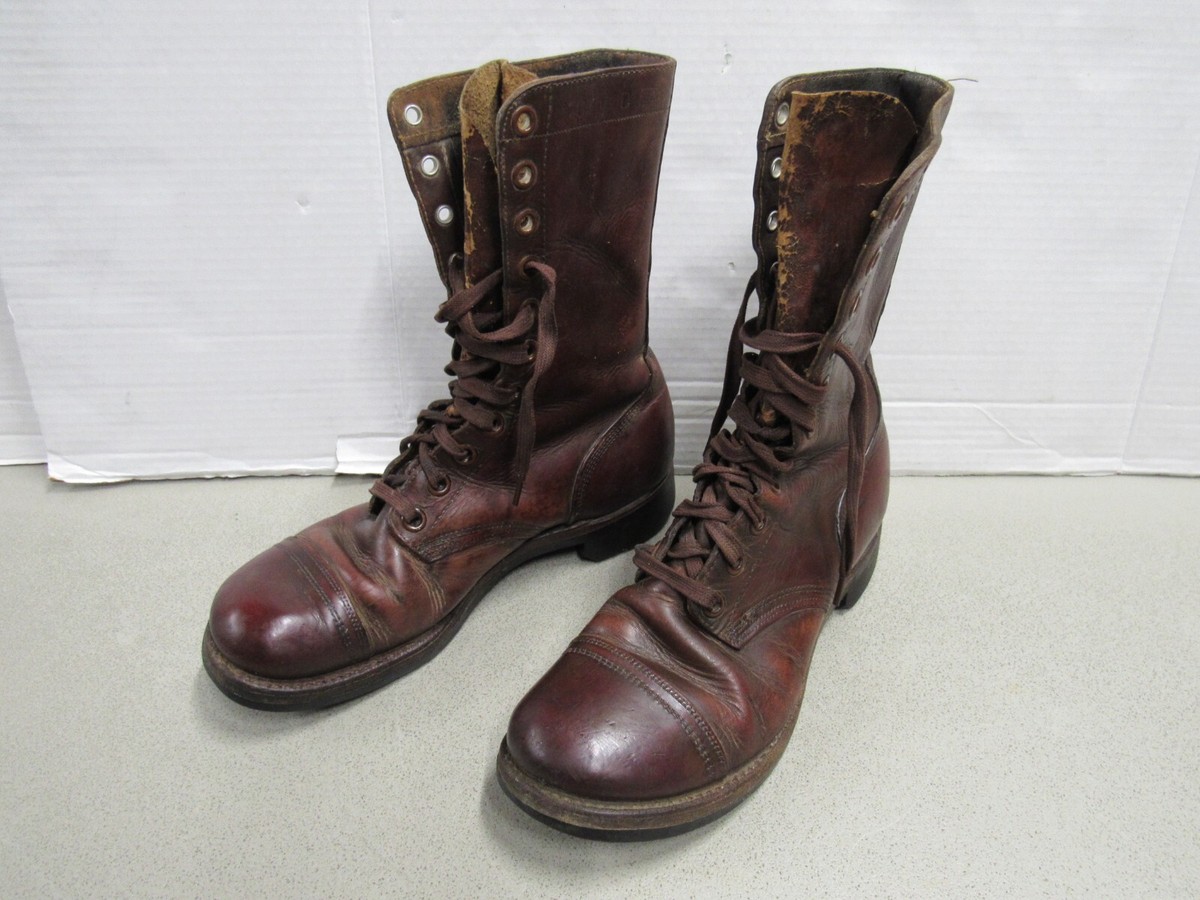
Leather is a natural material. It needs oils and moisture to stay flexible. Cold air and indoor heat dry leather fast. When leather loses oils it becomes stiff and then cracks.
Common causes of cracking:
- Low humidity that draws oils out of leather.
- Salt, snow, and road chemicals that strip finishes.
- Heat sources like radiators that dry leather quickly.
- Infrequent cleaning and conditioning that let damage build.
Understanding these causes helps you act early. That is the core of how to prevent leather boots from cracking in winter. Treat the problem before cracks form. Small steps prevent big repairs.
A simple preventive care routine
A short, repeatable routine is the best defense. Do this weekly or every two weeks in heavy winter use.
Step-by-step routine:
- Clean first. Remove dirt and salt with a soft brush or damp cloth.
- Dry gently. Let boots air dry at room temperature. Avoid heaters.
- Condition. Apply a leather conditioner to restore oils and flexibility.
- Protect. Finish with a waterproofing product suited to your leather type.
- Rotate boots. Avoid wearing the same pair every day to let leather rest.
Stick to this routine. It’s a reliable answer to how to prevent leather boots from cracking in winter. Consistency beats rare deep fixes.
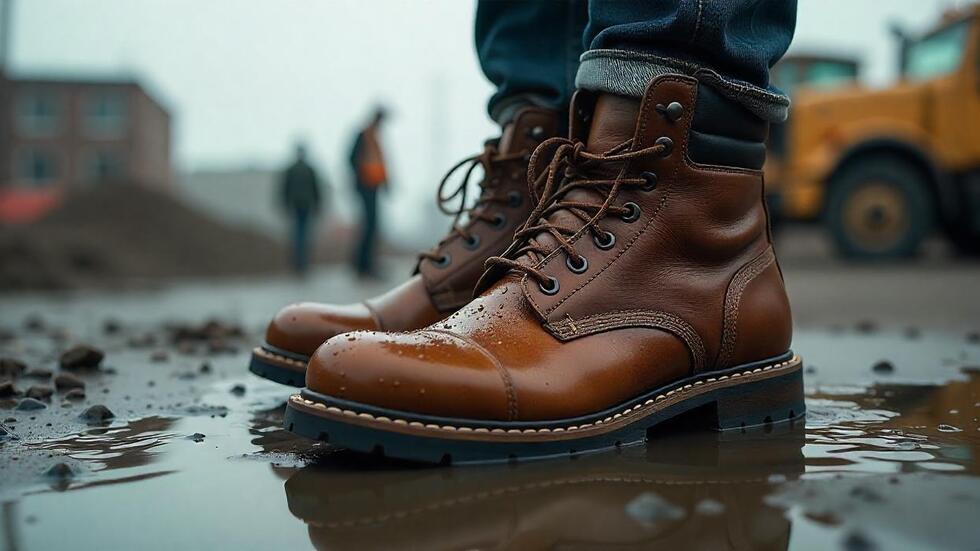
Cleaning, conditioning, and waterproofing — detailed how-to
Cleaning
- Use a soft brush or cloth to remove grit and salt. Salt is a major villain in winter.
- For stains, use a saddle soap or mild leather cleaner. Test on a hidden spot first.
Conditioning
- Use a conditioner made for smooth leather. Apply a small amount with a soft cloth.
- Work in thin, even layers. Let the conditioner absorb fully before the next step.
- Avoid over-oiling. Too much product can weaken stitching and darken leather.
Waterproofing
- Choose a breathable waterproofing product for leather. Balms and sprays work well for different finishes.
- Reapply after heavy snow or salt exposure. Waterproofing helps repel water and salt but does not replace conditioning.
Frequency guidance:
- Light winter use: clean and condition once a month.
- Heavy winter use: clean weekly, condition every 2–3 weeks, and waterproof monthly.
These steps are the core strategy for how to prevent leather boots from cracking in winter. Proper sequence matters: clean, condition, then protect.

Storage and daily habits that extend boot life
Small daily choices make a big difference. Good habits prevent water damage and drying.
Storage tips:
- Use cedar shoe trees to keep shape and wick moisture.
- Store boots upright in a cool, dry place away from direct heat.
- Keep a humidity tray or room humidifier if indoor air is very dry.
Daily habits:
- Wipe boots after exposure to snow or salt.
- Let wet boots dry slowly at room temperature with shoe trees inserted.
- Rotate pairs to avoid overworking one pair.
These habits answer how to prevent leather boots from cracking in winter by reducing stress and moisture loss.

Quick fixes for small cracks and scuffs
If you spot a small crack, act fast to stop it from growing.
Quick repair steps:
- Clean the area and let it dry.
- Apply a small amount of leather conditioner or leather balm to soften edges.
- For deeper cracks, use a leather filler followed by dye or polish to blend.
- Finish with a leather protector to seal repairs.
Minor repairs save time and money. They also teach you how to prevent leather boots from cracking in winter by catching issues early.
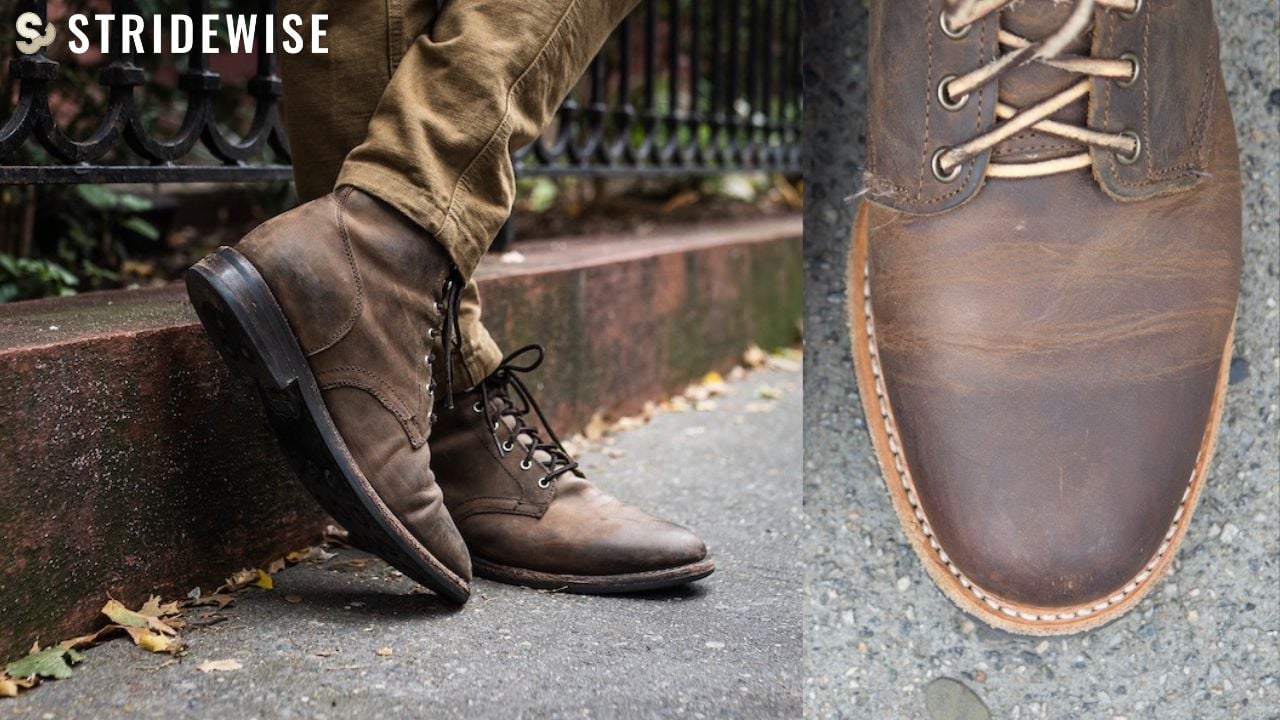
Choosing materials and products that resist winter damage
Not all leather and products behave the same in winter. Choose wisely.
Leather types and winter performance:
- Full-grain leather is durable and resists cracking if cared for.
- Corrected-grain or coated leathers can be easier to waterproof but may crack if the coating fails.
- Suede needs special treatment; avoid heavy oils and use specific protectors.
Product checklist:
- pH-balanced leather cleaner for regular use.
- Silicone-free conditioner for most smooth leathers.
- Wax-based or spray waterproofers for snow and salt protection.
- Leather filler and colorant for repairs.
Choosing the right leather and products helps you prevent leather boots from cracking in winter. Match product to leather type and follow directions.

My real-world experience and lessons learned
I’ve rehabbed boots that owners thought were lost. I learned key lessons the hard way.
What worked for me:
- Conditioning too late does little. Start early in fall and keep up weekly work.
- Salt stains removed promptly prevent deep damage.
- Cheap conditioners often sit on the surface. Invest in a quality product designed for your leather.
- Shoe trees and rotation add months of useful life to a pair.
I once saved a pair of work boots by cleaning daily, conditioning weekly, and replacing the insoles. The boots outlived a newer pair that got neglected. These lessons show practical ways on how to prevent leather boots from cracking in winter.

Frequently Asked Questions of how to prevent leather boots from cracking in winter
How often should I condition my leather boots in winter?
Condition boots every 2–4 weeks in winter depending on use. Heavy daily use needs more frequent conditioning to replace lost oils.
Can I use petroleum jelly or Vaseline on leather?
Petroleum jelly can darken leather and clog pores. Use a product made for leather to avoid long-term harm.
Is it safe to dry wet boots near a heater?
No. Direct heat dries leather too fast and causes cracking. Let boots air dry at room temperature with shoe trees inside.
Will waterproofing stop all damage from snow and salt?
Waterproofing repels water and reduces salt penetration but does not replace conditioning. Combine both for best protection.
Can small cracks be repaired at home?
Yes. Clean the area, use a leather conditioner for minor cracks, and apply a filler and dye for deeper ones. For large damage, consult a pro.
Are synthetic cleaners better than traditional products?
Not always. Choose cleaners and conditioners formulated for your leather type. Test on a hidden area first to avoid color changes.
Conclusion
Caring for leather is simple if you follow a steady routine. Clean, condition, protect, and store boots correctly to prevent leather boots from cracking in winter. Start early, act fast on salt and wetness, and use products matched to your leather. Take small steps now and your boots will last for years. Try the routine this week, and share your results or questions below — I’d love to help.

Rubel Miah is the Senior Editor at MyStyleGrid.com, where he brings a sharp editorial eye and an unshakable love for fashion to everything he does. A true style addict, Rubel lives and breathes trends, from streetwear to high fashion, and has a knack for turning inspiration into impactful stories. With years of experience in fashion journalism and digital media, he curates content that empowers readers to express themselves through style. When he’s not editing features or forecasting the next big thing, you’ll find him hunting down vintage pieces or capturing street style moments around the city.