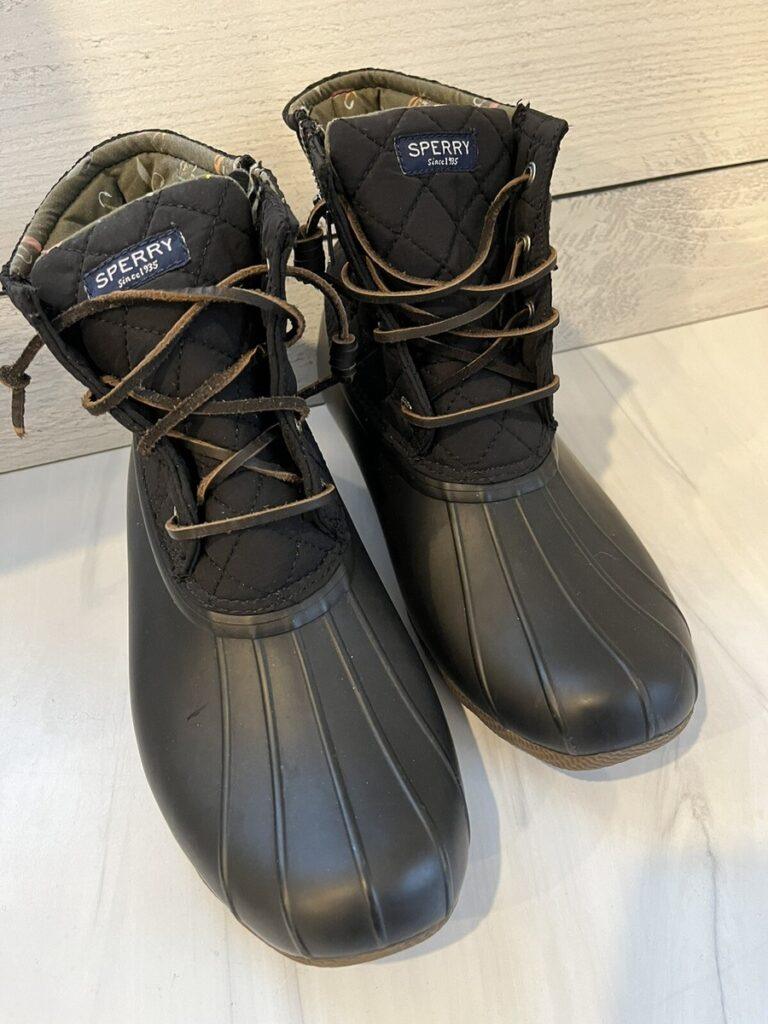
Tie duck boots with criss‑cross lacing, add a heel lock, and finish with a tight double knot.
I’ve tied hundreds of pairs of duck boots and taught others how to tie shoe strings on duck boots so they stay dry, snug, and comfy. This guide walks you step by step through lacing methods, knot options, lace types, and real tips I learned in the field. Read on to master how to tie shoe strings on duck boots with confidence and keep your feet stable in mud, rain, or snow.
Why proper lacing matters for duck boots
Duck boots mix rubber and leather. They need a tight, even fit. How you tie shoe strings on duck boots affects comfort, grip, and water protection. A bad knot lets the boot slip. A good tie locks your heel and saves your feet from blisters.
Good lacing:
- Keeps water from pouring in around the tongue.
- Prevents heel slip on wet trails.
- Lets you loosen or tighten the fit fast.
I’ve seen folks use factory knots and then wish they had switched to a heel lock. Learning how to tie shoe strings on duck boots makes a day outdoors better.

Tools, lace types, and length recommendations
Choosing the right lace is step one for how to tie shoe strings on duck boots. The right lace lasts longer and ties tighter.
Lace types to consider:
- Waxed cotton laces — resist water and hold knots well.
- Round nylon laces — strong and thin, fit hooks easily.
- Leather laces — classic look, but they stretch with use.
Length guide (rough):
- 4–5 eyelets: 45–54 inches.
- 6–7 eyelets: 54–63 inches.
- 8+ eyelets: 63–72 inches.
Tip: If your laces slip through hooks, switch to round laces or add a short stopper knot at the tip. Proper length and type make learning how to tie shoe strings on duck boots much easier.

Basic criss-cross lacing for duck boots — step by step
This is the go‑to for most duck boots. It balances pressure and is easy to adjust.
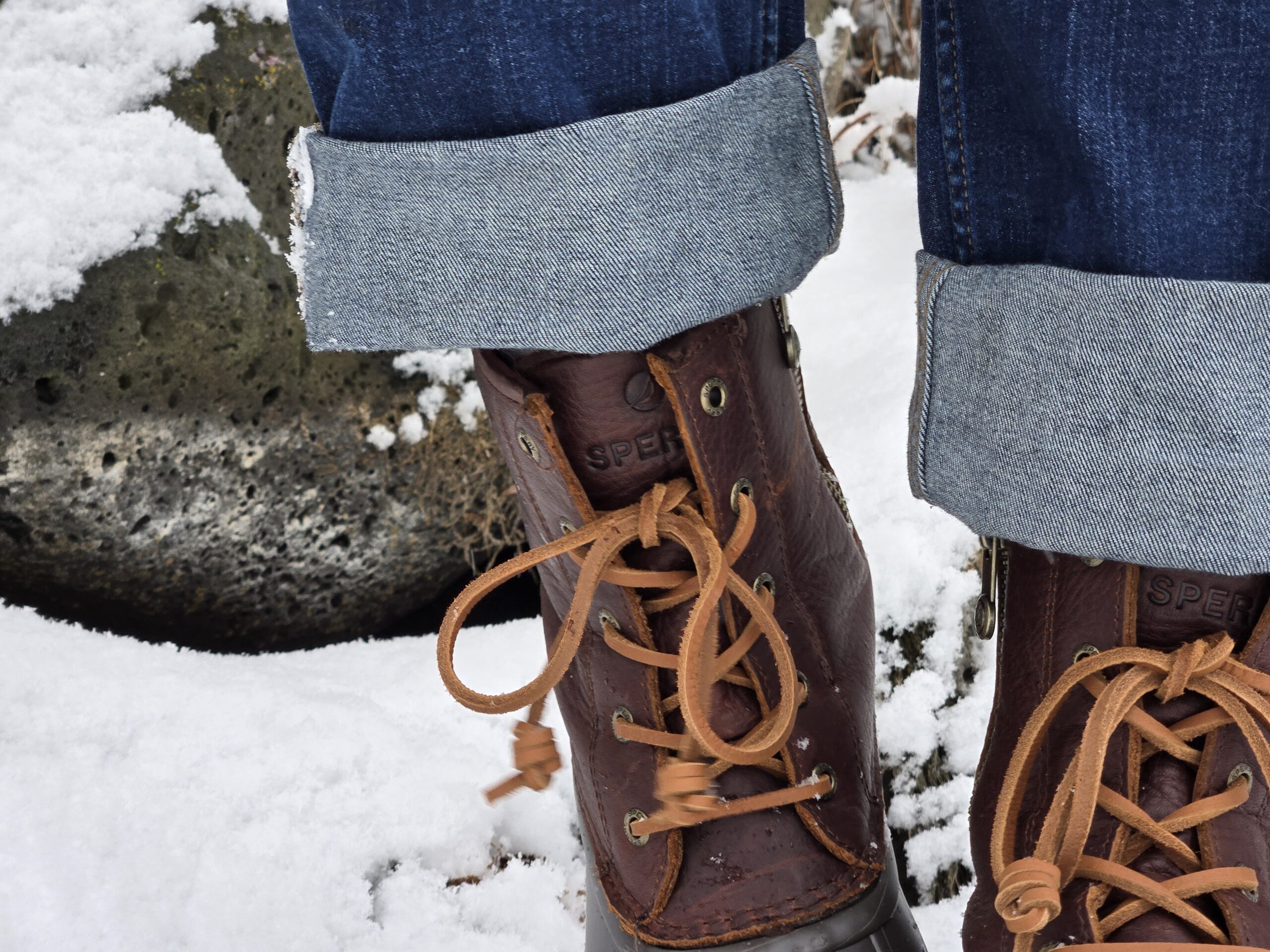
- Start with the lace centered. Thread both ends through the bottom eyelets from outside in.
- Pull even length on both sides.
- Cross the left end over to the next right eyelet. Thread from outside in.
- Repeat with the right end crossing to the left eyelet.
- Continue until you reach the top hooks or eyelets.
- Finish with a firm knot and a double knot for security.
Criss-cross lacing is simple and answers the core need when you learn how to tie shoe strings on duck boots. It gives even hold across the foot without tight spots.

Heel lock (lace lock) — stop heel slip
A heel lock is vital when you hike, walk on ice, or carry weight. It secures the ankle so your heel does not lift.
How to add a heel lock:
- Lace normally to the second-to-top eyelet.
- Instead of crossing, thread each lace straight up into the top eyelet on the same side.
- Pull the laces across and insert each lace into the loop formed on the opposite side.
- Pull down to snug the lock, then tie your final knot.
This small tweak is one of the best tricks in how to tie shoe strings on duck boots. It prevents blisters and keeps your foot planted.

Knot choices: secure knots that last
Knot matters. Duck boots face wet conditions and rough use. Pick knots that hold even when wet.
Knot options:
- Standard knot + double knot — fast and secure for daily use.
- Surgeon’s knot — adds friction; good for slippery laces.
- Reef knot plus tuck — neat and stays put under moderate strain.
How to tie a surgeon’s knot:
- Make the first overhand knot and loop the lace twice instead of once.
- Finish with a standard overhand and pull tight.
This knot helps when learning how to tie shoe strings on duck boots with wet or waxed laces.

Lacing patterns for special needs
Different tasks call for different lacing styles. Change patterns to get more room, more hold, or less pressure.
Patterns to try:
- Straight (bar) lacing — cleaner look, less pressure on top of foot.
- Over-under lacing — reduces friction and extends lace life.
- Skip-lacing — relieves pressure over a sore spot.
Use these when you want comfort, style, or to solve a fit problem. Knowing multiple ways to tie helps when you need to adapt on the trail.

Care, waterproofing, and maintenance
Proper care keeps your laces and boots lasting longer. Small steps go a long way.
Care tips:
- Rinse salt and grit out after winter use.
- Replace laces when frayed or weak.
- Use waxed laces or treat cotton laces with a bit of wax for water resistance.
- Re-lace if one side wears faster; uneven wear points to a fit issue.
Good care supports the technique you use to tie shoe strings on duck boots and keeps you dry and steady.

Common mistakes and quick fixes
Avoid these errors when you learn how to tie shoe strings on duck boots. They are easy to fix.
Common mistakes:
- Using too-short laces — limits options and causes stress on hooks.
- Leaving loose top hooks — causes heel slip.
- Over-tightening one area — causes hot spots and pain.
- Swap to longer laces.
- Add a heel lock.
- Re-lace with even tension.
I once hiked a full day with a single under-tight lace. Lesson learned: check laces before you leave.

When to re-lace or replace laces
Knowing when to act saves you from a failed hike or soggy socks.
Replace laces if:
- They show fraying or core exposure.
- Knots slip despite fresh tying.
- The lace stretches and won’t hold tension.
Re-lace if:
- Comfort changes after a break-in.
- You change socks or add insoles.
- You swap to a new lace type for weather or style.
Timely changes keep your technique for how to tie shoe strings on duck boots working well.
Personal experience and real tips
I work outdoors and test gear. I prefer waxed round laces for most duck boots. They handle hooks well and won’t soak up water. My go-to move is a criss-cross with a heel lock and a surgeon’s knot. That combo kept my feet blister-free on muddy hunts.
Lessons I learned:
- Test laces at home first. Walk around in them for 10–15 minutes.
- Tighten from bottom up, not top down. It evens pressure.
- Keep spare laces in your pack. A quick swap can save a trip.
These real tips come from hours in rain and cold. They help when you practice how to tie shoe strings on duck boots.
Frequently Asked Questions of how to tie shoe strings on duck boots
What is the best lace type for duck boots?
Waxed cotton or round nylon laces are top picks. They resist water and hold knots well in wet conditions.
How long should laces be for duck boots?
For 6–7 eyelets, 54–63 inches works for most adults. Count your eyelets and add a few inches if you use hooks or extra wrapping.
Do I need a heel lock for casual wear?
Not always for casual use. A heel lock is helpful if you hike, carry weight, or get heel slip. It adds security with little fuss.
Can I use leather laces in wet weather?
Leather looks great but can absorb water and stretch. If you get leather wet often, choose waxed or synthetic laces instead.
How do I stop laces from soaking up water?
Use waxed laces or treat cotton laces with a thin layer of wax. Keep lace tips sealed to reduce wicking and replace laces when they show heavy wear.
Conclusion
Mastering how to tie shoe strings on duck boots is a small skill that makes a big difference. Start with the right lace, use criss-cross lacing, add a heel lock when you need extra hold, and pick a knot that won’t slip. Test your laces at home and carry spares. Try the tips here on your next outing and see how much more stable and dry your feet feel. Share your experience, subscribe for more gear tips, or leave a comment about your favorite lacing trick.

Rubel Miah is the Senior Editor at MyStyleGrid.com, where he brings a sharp editorial eye and an unshakable love for fashion to everything he does. A true style addict, Rubel lives and breathes trends, from streetwear to high fashion, and has a knack for turning inspiration into impactful stories. With years of experience in fashion journalism and digital media, he curates content that empowers readers to express themselves through style. When he’s not editing features or forecasting the next big thing, you’ll find him hunting down vintage pieces or capturing street style moments around the city.