Is 400 Uv Protection Good? What You Need To Know
Have you ever stood under the sun, felt the heat on your skin, and wondered if your sunglasses really protect your eyes? Many brands say their sunglasses have “400 UV protection. ” But is 400 UV protection good? Let’s break this down in clear, simple words so you can make the right choice for your eyes.
I’ll answer your questions, share facts, and give you advice that’s easy to follow.
What Does 400 Uv Protection Mean?
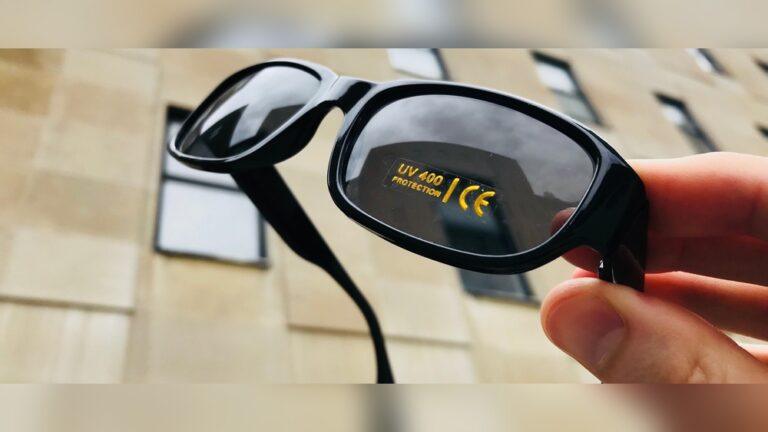
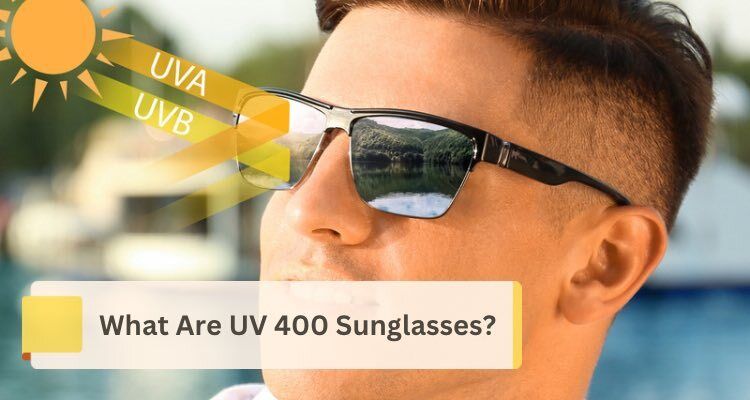
When you see “UV 400” on sunglasses, it means those glasses can block light rays with a wavelength up to 400 nanometers. Sunlight has many types of rays. The most dangerous for your eyes are ultraviolet rays (UV rays). There are three types of UV rays:
- UVA (320–400 nm)
- UVB (290–320 nm)
- UVC (100–290 nm)
The “400” in UV 400 covers all of these. So, UV 400 sunglasses block 100% of harmful UV rays. This is not just a marketing term. It is an important safety feature.
Why Is Uv Protection So Important?
The sun’s UV rays can hurt your eyes in many ways. Too much UV can cause:
- Cataracts: A cloudy area in your eye lens that makes vision blurry.
- Macular degeneration: Damage to the center part of your eye, which can lead to blindness.
- Photokeratitis: Sunburn of the eye, causing pain and redness.
- Pterygium: A growth on the eye’s surface.
- Skin cancer: Around the eyes and eyelids.
Even on cloudy days, UV rays reach your eyes. Glasses with UV 400 protection block these rays and keep your eyes safe.
Is 400 Uv Protection Good For Everyone?
Yes, UV 400 is the highest level of protection you can get in sunglasses. It is good for adults, children, and even people with sensitive eyes. Whether you are at the beach, driving, hiking, or just walking outside, UV 400 is the standard you should look for.
How To Check If Your Sunglasses Have Uv 400 Protection
Not all sunglasses are made equal. Some look stylish but do not block UV rays. Here’s how you can check:
- Look for the label: It should say “UV 400” or “100% UV protection.”
- Ask the seller: If you are in a shop, ask for proof of UV protection.
- Use a UV flashlight: Some opticians have a special light to test sunglasses.
- Buy from trusted brands: Cheap, fake sunglasses often do not protect your eyes.
What Happens If You Wear Sunglasses Without Uv 400 Protection?
Wearing dark glasses without UV protection is actually worse than not wearing sunglasses at all. Here’s why:
- Dark lenses make your pupils open wider, letting in more light.
- If the lens does not block UV, more UV rays enter your eyes.
- Over time, this can cause more damage to your eyes.
So, always choose sunglasses with UV 400.
Uv 400 Vs. Other Uv Protection Levels
You might see sunglasses with labels like “UV 100,” “UV 200,” or “UV 380.” What’s the difference? Here’s a quick comparison:
| Label | Blocks Up To (nm) | Level of Protection |
|---|---|---|
| UV 100 | 100 nm | Low (blocks UVC only) |
| UV 200 | 200 nm | Low (blocks UVC only) |
| UV 380 | 380 nm | Good, but not all UVA |
| UV 400 | 400 nm | Best (blocks all UV) |
UV 400 is the only label that means full protection from UVA and UVB rays.
Who Should Wear Uv 400 Sunglasses?
Everyone should wear UV 400 sunglasses when outside. But some people need them even more:
- Children: Kids’ eyes are more sensitive and let in more UV light.
- Light-eyed people: Blue, green, or gray eyes are more at risk.
- Outdoor workers: Farmers, builders, lifeguards, and others outside all day.
- People at high altitudes: UV is stronger in the mountains.
- Boaters and beachgoers: Water and sand reflect sunlight, increasing UV exposure.
- Drivers: Sunlight and glare can reduce safety.
Common Misunderstandings About Uv Protection
Many people think darker lenses mean more protection. This is not true. The darkness of the lens has nothing to do with UV protection. Also, higher price does not always mean better UV protection. Always check for the UV 400 label.
Some also believe that cloudy days are safe. But up to 80% of UV rays can pass through clouds. So, you still need UV 400 sunglasses, even when it’s not sunny.
How Is Uv 400 Different From Polarized Sunglasses?
Polarized sunglasses reduce glare from surfaces like water or roads. But not all polarized glasses have UV 400 protection. And not all UV 400 glasses are polarized.
UV 400 is about blocking harmful rays. Polarization is about cutting glare. For the best comfort and safety, pick sunglasses that are both UV 400 and polarized.
Are There Standards For Uv 400 Protection?
In many countries, there are rules for UV protection in sunglasses. For example, the American National Standards Institute (ANSI) and the European Union (CE mark) have guidelines.
But some cheap sunglasses from untrusted sources can have fake labels. That’s why it’s important to buy from stores or brands that you trust.
Can Prescription Glasses Have Uv 400 Protection?
Yes. Many prescription glasses and contact lenses now come with UV 400 coatings. But not all do. Ask your eye doctor if your glasses have this coating. You can also get clear lenses with UV 400, not just tinted ones.
How Does Uv 400 Protection Work?
Sunglasses with UV 400 have a special chemical layer added to the lens. This layer absorbs and blocks UV rays from reaching your eyes. The coating is clear, so it does not change the look of the glasses. It works on both plastic and glass lenses.
How Long Does Uv Protection Last?
The UV protection layer can wear out over time, especially if the sunglasses get scratched, cleaned with strong chemicals, or exposed to high heat. It’s a good idea to replace your sunglasses every 2–3 years, or sooner if they are damaged.
Sunglasses Styles With Uv 400
UV 400 protection is not about style. You can find UV 400 in many types:
- Aviator sunglasses
- Wayfarer sunglasses
- Sport sunglasses
- Fashion sunglasses
- Clip-on sunglasses
Pick the style you like, but make sure it says UV 400.
Uv 400 Protection For Children
Children’s eyes are more open to UV rays than adults. Most parents remember sunscreen but forget about eye protection. Look for:
- Soft, flexible frames
- Comfortable fit
- UV 400 label
- Wrap-around style for full coverage
Start the habit early. Healthy eyes last a lifetime.
Uv 400 For Sports And Outdoor Activities
If you play sports outside, UV 400 sunglasses are a must. For example:
- Cycling: Protects from wind, dust, and UV.
- Running: Reduces glare and sunburn risk.
- Fishing: Cuts glare from water.
- Skiing: UV rays are stronger at high altitudes.
- Golf: Helps see the ball in bright light.
Some sports sunglasses also add impact resistance and extra grip.
Uv 400 And Fashion Brands
Many fashion brands offer UV 400, but not all. Always check the label. Some brands focus more on looks than safety. Popular brands that offer real UV 400 include:
- Ray-Ban
- Oakley
- Maui Jim
- Prada
- Gucci
But you can also find UV 400 in cheaper, non-branded sunglasses. The label is what matters.
Uv 400 In Different Lens Colors
You can get UV 400 in any lens color:
- Gray: True color, good for daily use.
- Brown/amber: Good for changing light.
- Green: Reduces glare, gives contrast.
- Yellow: Brightens vision in low light.
- Blue/purple: Mostly style, but can also block UV.
The color is for comfort and style. The UV protection comes from the coating, not the color.
Uv 400 And Contact Lenses
Some contact lenses now offer UV 400 protection. This helps, but does not cover the white part of your eye (the sclera) or the skin around your eyes. So, even with UV-protective contacts, you still need sunglasses.
How Much Do Uv 400 Sunglasses Cost?
Prices range from a few dollars to hundreds. You do not need to buy expensive sunglasses for good UV protection. Many cheap sunglasses have UV 400. But very cheap, unknown brands might lie about the label. It’s best to buy from shops you trust.
How To Care For Uv 400 Sunglasses
To keep your sunglasses working well:
- Store them in a case
- Clean with a soft cloth, not your shirt
- Do not leave in a hot car
- Replace if scratched or broken
Proper care helps the UV coating last longer.
Data: Uv Damage And Sunglasses
Let’s look at some numbers:
- About 20% of cataracts are caused by UV exposure.
- UV rays can increase your risk of macular degeneration by up to 60%.
- 90% of visible skin aging around the eyes is from UV rays.
Wearing UV 400 sunglasses helps lower these risks.
Credit: www.stngredge.com
Uv 400 For Driving
Car windows block most UVB, but not all UVA. This means your eyes can still get hurt when driving. UV 400 sunglasses are good for driving, but avoid very dark lenses at night.
Uv 400 For People With Eye Conditions
If you have had eye surgery (like cataract removal or LASIK), your eyes are more sensitive to UV. Ask your doctor about UV 400 sunglasses. People with eye diseases like macular degeneration also need UV 400.
How To Spot Fake Uv 400 Labels
Some sunglasses say “UV 400” but do not really protect your eyes. Here are clues:
- Price is too low
- No brand or store name
- Label looks like a sticker, not printed on lens or frame
- No warranty or return policy
If unsure, test them at an optical store.
Uv 400 For Pets
Some pets, like dogs who spend a lot of time outside, can also get UV damage. There are sunglasses for dogs with UV 400, especially for working dogs, like police or rescue dogs.
Uv 400 And Sunglass Lenses: Plastic Vs. Glass
Both plastic and glass lenses can have UV 400. Plastic is lighter and less likely to break. Glass gives sharper vision but is heavier. The UV protection comes from the coating, not the material.
Sunglasses And Face Shape
This does not affect UV protection, but a good fit helps block rays from the sides. Wrap-around or larger frames block more UV.
Uv 400 And Prescription Clip-ons
If you wear prescription glasses, you can get clip-on sunglasses with UV 400. Make sure the clip-on is not just tinted, but really has UV 400.
Uv 400 For Fashion And Everyday Use
Even if you wear sunglasses for style, always check for UV 400. Eye health is more important than looks.
Uv 400 And Eye Makeup
Some eye makeup can make your skin more sensitive to sunlight. UV 400 sunglasses protect both your eyes and the skin around them.
Uv 400 For Older Adults
As you age, your eyes let in more UV rays. Wearing UV 400 sunglasses can slow down eye aging and lower the risk of cataracts.
Uv 400 For People With Light Sensitivity
If you are sensitive to light (photophobia), UV 400 helps reduce discomfort outdoors.
Uv 400 And Sunglasses In Different Weather
You need UV 400 sunglasses in all weather—sunny, cloudy, snowy, or rainy. UV rays are present every day.
Uv 400 Protection: Myths And Facts
- Myth: Expensive sunglasses protect better. Fact: Price does not equal UV protection.
- Myth: Children do not need sunglasses. Fact: Kids’ eyes are more at risk.
- Myth: Only sunny days are dangerous. Fact: UV rays can harm eyes even on cloudy days.
Uv 400 And Fashion Trends
Trends come and go, but UV 400 is always needed. Look for the label, not just the style.
Uv 400 In Safety Goggles
Workers in construction, welding, or labs need UV 400 goggles. This protects eyes from both sunlight and artificial UV from machines.
Uv 400 And Blue Light
UV 400 does not block blue light from screens. Some lenses have extra coatings for blue light, but this is different from UV protection.
Uv 400 For Water Sports
Boating, fishing, and surfing reflect more sunlight. UV 400 sunglasses are a must to prevent “snow blindness” (photokeratitis) from water glare.
Uv 400 And Snow Sports
Snow reflects up to 80% of UV rays. Skiers and snowboarders need UV 400 goggles or glasses for safety.
Uv 400 For Travel
When traveling to sunny places or high altitudes, UV is stronger. Always pack UV 400 sunglasses.
Uv 400 For Different Skin Tones
Everyone, no matter their skin color, can get eye damage from UV. Darker skin does offer some protection, but not for the eyes.
How To Choose The Right Uv 400 Sunglasses
- Check for “UV 400” or “100% UV protection.”
- Pick a style that fits well.
- Make sure they are comfortable.
- Choose wrap-around or large frames for more coverage.
- Look for polarized if you want less glare.
Uv 400 Sunglasses: Buying Online Vs. In-store
Online shopping is easy, but check for clear photos of the label, and read reviews. In-store, you can try on and test the glasses.
Uv 400 And Sunglasses For Babies
Babies’ eyes are very sensitive. There are special UV 400 sunglasses for babies with soft, flexible bands.
Uv 400 And Sunglasses For Seniors
Older adults can get prescription sunglasses with UV 400, or clip-ons. This helps protect eyes that may already be weak.
Uv 400 For Hikers And Campers
UV rays are stronger in the mountains. Hikers and campers need UV 400, even in the shade or under trees.
Uv 400 And Eye Health Over Time
Wearing UV 400 sunglasses every day lowers your risk of eye diseases. It keeps your vision clearer, longer.
Uv 400 For People With Eye Surgery
After surgery, your eyes need more protection. Ask your doctor about UV 400 sunglasses.
Uv 400 And Sunglass Maintenance
Keep your sunglasses clean and safe. Dirty or scratched lenses can let in more UV.
Uv 400 And Prescription Safety Glasses
If you need safety glasses for work, ask for UV 400. This protects your eyes from both sun and work hazards.
Uv 400 And Fashion Accessories
You can still look stylish and protect your eyes. Many accessories, like hats and visors, work well with UV 400 sunglasses.
Uv 400 And Reading Glasses
You can get reading glasses with UV 400 for outdoor use.
Uv 400 And Glare Reduction
UV 400 does not always mean less glare. For glare, look for polarized lenses.
Uv 400 And Anti-reflective Coating
Some sunglasses have both UV 400 and anti-reflective coating. This improves vision comfort.
Uv 400 And Night Driving
Do not wear dark UV 400 sunglasses at night. They block too much light. For night driving, use clear lenses with an anti-reflective coating.
Uv 400 And Eye Health Tips
- Wear sunglasses every day
- Pick a wide-brimmed hat for extra shade
- Avoid looking directly at the sun
- Get regular eye checks
Uv 400 And The Law
Some places require sunglasses for workers. Check your local rules if you work outside.
Uv 400 And The Environment
Some UV 400 sunglasses use recycled materials. This helps protect the planet too.
Uv 400 And Sports Glasses
Sports glasses with UV 400 protect your eyes from both UV rays and injury.
Uv 400 In Sunglass Repairs
If your sunglasses need repair, make sure the new lenses are UV 400.
Uv 400 And Eye Exams
Ask your eye doctor to check your sunglasses for UV 400 when you go for eye exams.
Credit: www.automotiveartpaints.com
Uv 400 And Technology
Some new tech uses smart lenses that adjust tint and have UV 400 built-in.
Uv 400 And Fashion Shows
Fashion shows often use sunglasses for style. Ask about UV 400 if you buy sunglasses from these shows.
Uv 400 And Sunglasses For Medical Use
Some eye diseases need extra protection. UV 400 is a must for these cases.
Uv 400 And Outdoor Events
Always bring UV 400 sunglasses to sports games, concerts, or picnics.
Uv 400 And Sunglasses For Driving At Night
At night, clear lenses with UV protection are better than dark sunglasses.
Uv 400 And Travel Insurance
Some travel insurance covers lost or broken prescription UV 400 sunglasses. Check your policy.
Uv 400 And Children’s Health
Teach children to wear sunglasses early. This keeps their eyes healthy for life.
Uv 400 And Sunglasses For Adults
Adults need UV 400 for work, play, and travel.
Uv 400 And Elderly Eye Health
Older people are more at risk for eye diseases. UV 400 sunglasses help protect aging eyes.
Uv 400 And Outdoor Hobbies
Gardeners, cyclists, and anyone outside should wear UV 400 sunglasses.
Credit: www.clinicadvisor.com
Uv 400 And Sunglasses For Water Sports
Water sports need wrap-around UV 400 sunglasses for full protection.
Uv 400 And Different Sunglass Brands
Check for UV 400 on every brand, not just big names.
Uv 400 And Sunglasses For Fashion
You can look good and stay safe. Many stylish sunglasses have UV 400.
Uv 400 And The Science
UV 400 is based on how the eye reacts to light. Blocking up to 400 nm means blocking all harmful UV rays.
Uv 400 And Sunglass Cases
A case keeps your sunglasses safe and the coating working longer.
Uv 400 And Sunglass Lenses: Mirrored, Gradient, And More
Mirrored or gradient lenses can also have UV 400. The protection comes from the coating, not the color or finish.
Uv 400 And Sunglass Recycling
Some stores recycle old sunglasses. This is good for the planet.
Uv 400 And Sunglasses For All Ages
Everyone, from babies to seniors, should wear UV 400 sunglasses.
Uv 400 And Eye Health Research
Studies show UV 400 sunglasses lower the risk of eye diseases and keep vision healthy for longer. You can read more about UV eye health at American Academy of Ophthalmology.
You can see, UV 400 protection is not just good; it is the best you can get for your eyes. It is easy to find, not always expensive, and helps keep your eyes healthy for life.
Frequently Asked Questions
What Is Uv 400 Protection?
UV 400 protection means the lenses block all UV rays with wavelengths up to 400 nanometers. This covers 100% of UVA and UVB rays.
Is Uv 400 Better Than Polarized?
UV 400 blocks harmful rays. Polarized lenses cut glare. The best sunglasses have both features, but they are not the same.
How Do I Know If Sunglasses Really Have Uv 400?
Look for the label “UV 400” or “100% UV protection. ” Ask the seller or test at an optical store if you are unsure.
Can I Get Uv 400 On Prescription Glasses?
Yes, many prescription glasses can have UV 400 coatings. Ask your eye doctor.
Do Children Need Uv 400 Sunglasses?
Yes, children’s eyes are more sensitive. They need UV 400 sunglasses to prevent damage from the sun.
You now have all the facts to keep your eyes safe. Remember, UV 400 is the gold standard for eye protection. Wear your sunglasses every time you step outside and enjoy the sun with peace of mind.
Madison Clark is a footwear expert and the voice behind MyStyleGrid.com. She specializes in honest shoe reviews, style tips, and practical guides to help readers find the perfect pair for any occasion. With years of experience in blogging and content creation, Madison makes footwear knowledge simple, stylish, and easy to follow.