You can gently and safely widen the toe area using heat, moisture, stretchers, or DIY tricks.
I’ve helped many people fix pinching shoes and I know what works. This guide on how to stretch shoes at the toes walks you through safe methods, tools, and step-by-step plans for leather, suede, canvas, and synthetics. I’ll share what I’ve tested, common mistakes to avoid, and clear tips so you can reshape the toe box without ruining your shoes. Read on to learn practical ways to make your shoes fit better and keep them looking great.

Why toes get tight and what stretching does
Tight toes usually come from narrow toe boxes, new materials, or poor sizing. Stiff leather and synthetic uppers resist foot shape. Stretching targets the toe box to add width or loft. It changes the fit without altering length. Knowing why helps you pick the right method for how to stretch shoes at the toes.
- Causes of tight toes
- Materials that resist stretching
- What stretching changes: width, volume, and comfort

Tools and materials you’ll need
Pick tools that match the shoe material and the amount of stretch needed. Using the wrong tool can damage the shoe.
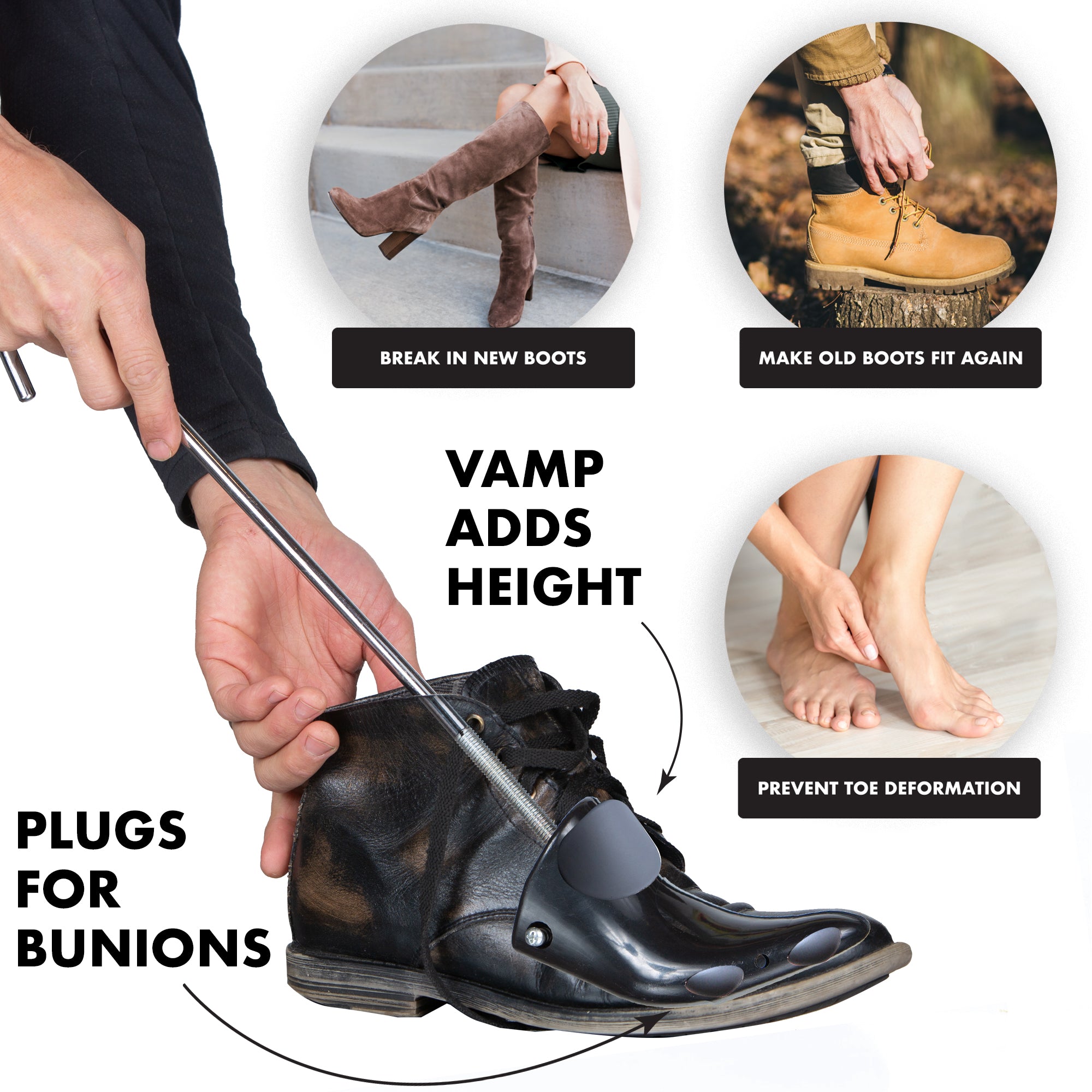
- Shoe stretcher with toe bunions or plugs for targeted stretch
- Heat gun or hair dryer for leather and synthetics
- Rubbing alcohol or shoe stretch spray to soften fibers
- Thick socks for simple at-home heat/stretch method
- Freezer bags and water for the ice method
- Saddle soap or leather conditioner for post-stretch care
- Protective pads or foam inserts to avoid overstretching

Step-by-step: how to stretch shoes at the toes (leather)
Leather responds well to heat and conditioners. This method is precise and safe when done slowly.
- Clean and dry the shoe. Remove dirt and let it air dry.
- Condition the leather lightly where you’ll stretch.
- Insert a shoe stretcher with toe plugs set to the desired width.
- Apply a warm hair dryer from 6–8 inches away while the stretcher is in place. Move heat in short bursts.
- Leave the stretcher inside for 8–12 hours or overnight.
- Remove the stretcher and test fit. Repeat if needed, adjusting incrementally.
- Tips: Stretch a little at a time. Overheating can crack leather.
- When to stop: If the shoe feels loose or the leather shows stress marks.

Step-by-step: how to stretch shoes at the toes (suede)
Suede is delicate. Avoid excessive moisture and heat. Use targeted tools.
- Use a suede brush to clean the area.
- Insert a shoe stretcher with toe plugs for precise widening.
- Lightly mist a shoe stretch spray or rubbing alcohol from 8–10 inches away.
- Keep the stretcher in for 24 hours to let fibers relax.
- Brush the suede gently after removing the stretcher to restore nap.
- Note: Avoid soaking suede. Test spray on a hidden spot first.
Step-by-step: how to stretch shoes at the toes (canvas and fabric)
Canvas stretches more easily than leather. A few simple home tricks can help.
- Wear two pairs of thick socks and put on the shoes.
- Use a hair dryer on the toe area for 30–60 seconds while flexing your toes.
- Keep the shoes on until they cool down.
- For more stretch, insert a wooden shoe shaper or a DIY shoe stretcher overnight.
- Pro tip: Canvas will relax permanently after a few gentle sessions.

Step-by-step: how to stretch shoes at the toes (synthetics and plastics)
Synthetics need care; some don’t stretch much. Heat is your friend but use low settings.
- Warm the toe box with a hair dryer on low for short intervals.
- Wear thick socks and the shoes while cooling to mold the material.
- If available, use a polyurethane-friendly shoe stretcher.
- If material won’t budge, consider professional help to avoid damage.
- Limitation: Some synthetics are molded and will not stretch much.
Quick DIY methods that work
These low-cost tricks can be effective for minor toe tightness.
-
Freezer ice-bag method: Fill freezer bags with water, place in toe area, freeze shoes in a sturdy box. Ice expands to gently widen the toe box.
-
Thick socks and walk: Wear two thick socks with shoes and walk around until shoes cool.
-
Heat and wear: Warm the shoe with a hair dryer and wear until cool to shape the toe area.
-
Alcohol spray: Light mist of rubbing alcohol softens many fabrics. Use sparingly.
-
Warning: Always protect shoe interiors from excess moisture.

When to see a cobbler or pros
Some shoes need professional attention. A cobbler uses specialty stretchers and techniques.
- Shoes to take to a pro
- Benefits of a professional stretch: precision, minimized risk, and better aesthetics
- Cost considerations and how to choose a reputable cobbler

Caring for shoes after stretching
After you stretch shoes at the toes, care helps the change last and keeps shoes healthy.
- Condition leather to restore oils
- Use cedar shoe trees to keep shape
- Avoid wet conditions for 48 hours after stretching
- Rotate shoes to let materials recover between wears
Personal experience and common mistakes
I’ve stretched dozens of shoes for friends and clients. Small, repeatable steps work best. I once overheated a leather boot and caused a gloss change. Lesson learned: always go slow, test hidden spots, and use quality stretchers. Avoid forcing a dramatic stretch in one session. Gradual change keeps shoes intact and comfortable.
The science behind toe stretching
Stretching works because materials relax or reorient under heat, moisture, or pressure. Leather has collagen fibers that soften with heat and oils. Canvas fibers shift when damp. Synthetics change shape with heat. Knowing the material guides how to stretch shoes at the toes safely.
- Material behavior
- How heat and moisture affect fibers
- Why gradual stretching prevents damage
Frequently Asked Questions of how to stretch shoes at the toes
What is the safest way to stretch leather shoes at the toes?
Use a shoe stretcher with toe plugs plus light heat and leather conditioner. Do short sessions and check progress to avoid cracking.
Can I stretch shoes at the toes with household items?
Yes, you can use thick socks, a hair dryer, rubbing alcohol, or the freezer ice-bag method for small adjustments. Be gentle and test materials first.
How long does it take to stretch the toe box?
Minor stretches can take one to two sessions. Bigger changes may require several days with a stretcher in place. Patience prevents damage.
Will stretching change the shoe length?
Stretching focuses on width and volume, so it rarely changes length. If length changes, it is usually minimal and unintended.
Are there shoes that cannot be stretched at the toes?
Yes. Shoes with glued or molded toe boxes, some rigid synthetics, and sealed performance footwear may not stretch well. A cobbler can advise.
Conclusion
Stretching shoes at the toes can turn painful pinch points into comfortable fits. Use the right tools for the material, take small steps, and test as you go. If you’re unsure, a cobbler offers safe, precise help. Try a gentle method today, and you may save a favorite pair from the closet. Share your success story or questions below, or subscribe for more shoe care tips.

Rubel Miah is the Senior Editor at MyStyleGrid.com, where he brings a sharp editorial eye and an unshakable love for fashion to everything he does. A true style addict, Rubel lives and breathes trends, from streetwear to high fashion, and has a knack for turning inspiration into impactful stories. With years of experience in fashion journalism and digital media, he curates content that empowers readers to express themselves through style. When he’s not editing features or forecasting the next big thing, you’ll find him hunting down vintage pieces or capturing street style moments around the city.