Use no-tie laces, elastic systems, or lace locks to secure shoes instantly without knots.
I’ve worked with shoe-fitting, running gear, and everyday hacks for years, so I know what works. This guide on how to tie shoes without tying them explains clear options, step-by-step methods, pros and cons, and real-world tips you can trust. Read on to find an easy, safe, and stylish solution that fits your shoes and life.
Why people choose to learn how to tie shoes without tying them
Many people want speed, safety, or a consistent fit. Kids, older adults, runners, and busy parents often prefer solutions that remove knots. Learning how to tie shoes without tying them solves daily friction and saves time.
This topic covers the tools and methods you can use right away. I’ll explain real options, the pros and cons of each, and how to pick the best one for your shoes and activity.

Common methods to tie shoes without tying them
There are several simple ways to make lace-up shoes function without tying knots. Each approach works for certain shoes and uses.
- Elastic no-tie laces: Stretchy laces replace standard laces and keep a snug fit. They are easy to install and adjust. They work well for running shoes, casual sneakers, and kids’ shoes.
- Toggle or cord-lock systems: A cord passes through eyelets and a small lock holds tension. They are quick and secure and often used by hikers and cyclists.
- Lace anchors and hidden fasteners: Tiny anchors sit under the tongue and lock laces in place. They keep laces neat and prevent loosening.
- Velcro or strap conversions: Straps or adhesive systems replace laces entirely for dress shoes or trainers. They provide simple on/off but may alter shoe look.
- Elastic heel inserts and clips: These keep the shoe snug at the heel so laces can be left loose. They are subtle and reversible.
- Shoe-specific no-tie systems: Prefit systems made by brands for kids or athletes that clip on and lock laces. They aim for comfort and consistency.
Each method has strengths. For example, elastic laces are low-cost and easy to install. Toggle systems give instant micro-adjustment but need some space in eyelets. Knowing these options helps match the solution to your shoe type.

Step-by-step guide: how to tie shoes without tying them using top solutions
Below are clear steps for three popular no-tie options. Follow the lists to install and test fit.
Elastic no-tie laces
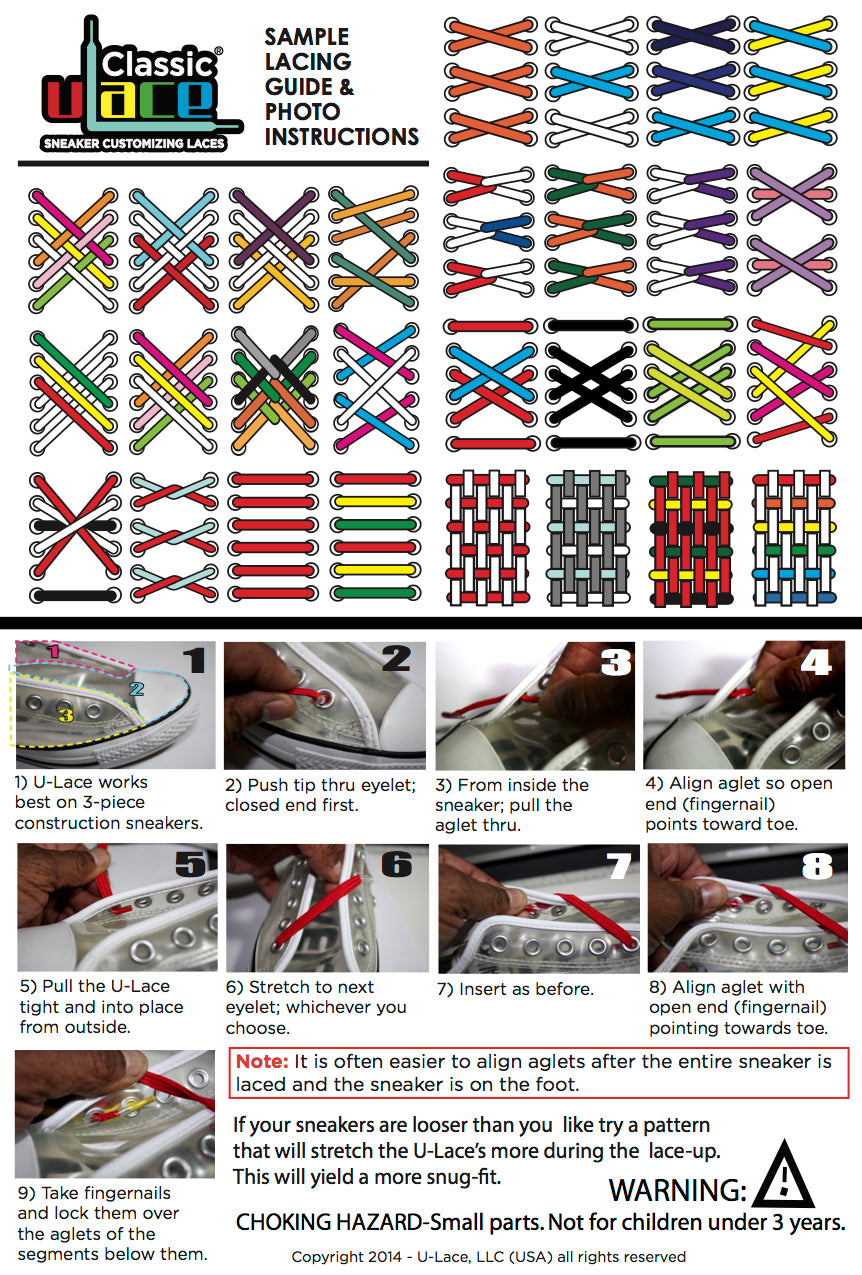
- Remove old laces. Thread elastic laces through eyelets in the same pattern as original laces.
- Adjust tension so the shoe fits snugly but not tight. Test by slipping foot in and out.
- Trim excess lace, leave a small tail, and tuck it under the tongue or use a clip if provided.
Toggle or cord-lock system
- Feed the cord through eyelets as usual. Slide the cord lock onto the cord before finishing.
- Pull the cord to desired fit and press the lock to secure. Tuck the loose ends into the shoe or under the insole.
- Test fit while standing. Adjust the lock until comfortable.
Lace anchors and hidden fasteners
1. Thread laces through anchors placed under the tongue following manufacturer instructions.
2. Pull the laces to set tension and seat anchors flat. Replace the tongue and slip shoe on.
3. Check that anchors hold when pulling back on the heel. Re-tighten anchors if needed.
Maintenance tips
- Check no-tie systems after the first week of use; they settle and may need minor re-tightening.
- Clean cords and locks gently; avoid bleach or harsh soaps that can degrade elastic.
- Replace elastic laces annually or when they lose stretch to keep a safe fit.

Benefits and limitations of tying shoes without tying them
Benefits
- Speed and convenience: Instant on and off. Great for kids and commuters.
- Consistent fit: Elastic systems keep tension steady across miles or daily wear.
- Safety: Less tripping over loose bows, useful for runners and older adults.
- Accessibility: Helps people with limited hand dexterity.
Limitations
- Style trade-offs: Some dress shoes may look odd with visible elastic laces.
- Reduced micro-adjustment: Traditional knots can be re-tied for different tension zones.
- Wear and tear: Elastic parts can stretch out and need replacement.
- Activity limits: Certain competitive sports or formal events might require traditional laces.
Weigh these when choosing a no-tie method. For many users, the convenience outweighs the small downsides.
Choosing the right no-tie solution for your shoe type and activity
Match solution to shoe and use. Here’s a short guide.
- Running or training: Elastic no-tie laces or cord-lock systems for consistent fit.
- Kids and schools: Pre-fitted no-tie systems or Velcro conversions for ease and safety.
- Dress shoes: Low-profile lace anchors or strap conversions to keep a clean look.
- Hiking and outdoor use: Durable cord locks with good abrasion resistance and secure anchors.
- Rehabilitation and limited mobility: Elastic laces plus a higher cuff shoe for support.
Checklist before buying
- Will it fit your shoe’s eyelets?
- Can you fine-tune tension for comfort?
- Is the material durable for your activity?
- Does it match your style needs?
Pick the one that meets comfort, durability, and appearance needs for the best result.

Troubleshooting common problems when you tie shoes without tying them
If the shoe feels loose
- Tighten the cord lock or rethread the elastic laces with one fewer eyelet pass. Replace worn elastic if needed.
If the laces slip or the lock fails
- Check the cord lock for debris. Replace worn locks or use a small knot at the end of the cord to prevent slippage.
If shoes feel uncomfortable at certain points
- Re-distribute tension by re-lacing using a different pattern. Add a padded tongue or use a different elastic thickness.
If appearance is an issue
- Trim and tuck excess lace or use low-profile anchors. Choose color-matched elastic for a sleeker look.
Most problems are small and fixable with a quick adjustment or replacement part.

My experience: practical tips, mistakes, and what I wish I knew earlier
I started using elastic laces for running years ago to save time and keep my form steady. At first I bought too-soft elastic that stretched out after a month. I learned to pick medium-compression elastic for longevity and comfort.
Lessons learned
- Test new systems at home before a long run. Adjust tension gradually.
- Keep a small repair kit with spare anchors and a mini cord lock when traveling.
- Match the lace color and width to the shoe to preserve style.
A small tip I use often: mark the left and right laces with a tiny stitch so they stay symmetrical when replaced. This keeps fit consistent and saves time.
Related concepts and alternatives
If you want other ways to avoid tying knots, consider these ideas.
- Slip-on shoes: Elastic panels or stretchy uppers remove the need for laces entirely.
- Hybrid shoes: Sneakers with a mix of elastic and traditional laces for style and function.
- Orthotic-friendly modifications: Using inserts and heel grips to reduce need for tight laces.
- Professional shoe modifications: Cobblers can add hidden fasteners or permanent toggles for a tailored solution.
These options may be better for specific style, comfort, or medical needs.
Frequently Asked Questions of how to tie shoes without tying them
How safe are no-tie laces for running?
No-tie laces are safe for most runners when properly installed and tested. Use a secure brand, check tension before runs, and replace worn parts regularly.
Can I use no-tie systems on dress shoes?
Yes, some low-profile anchors and thin elastic laces work well for dress shoes. Choose a subtle color and hidden anchors to keep a polished look.
How long do elastic no-tie laces last?
Lifespan varies with use but expect 6–12 months under regular use. Replace sooner if they lose elasticity or show fraying.
Are no-tie laces good for kids?
They are excellent for kids. No-tie laces reduce trips and help kids manage shoes independently. Choose durable options for active play.
Will no-tie laces make my shoes less adjustable?
They limit some micro-adjustment compared to re-tying separate knots. However, many systems allow adequate tuning for comfort and activity.
Can I install a no-tie system myself?
Yes. Most systems are DIY-friendly and come with simple instructions. Start with a trial fit at home to make sure you like the tension and look.
Do no-tie laces work for people with limited hand mobility?
Absolutely. These systems are often recommended for people with limited dexterity because they remove the need for knot-tying and repeated fine motor tasks.
Conclusion
You can make shoes work without tying them by using elastic laces, cord locks, anchors, or simple strap conversions. Each method saves time, reduces trip risk, and can improve comfort when chosen and installed correctly. Try a method that matches your shoe type and activity, test the fit at home, and keep spare parts on hand. Ready to simplify your routine? Pick one no-tie option today, try it for a week, and share your experience or questions in the comments.

Rubel Miah is the Senior Editor at MyStyleGrid.com, where he brings a sharp editorial eye and an unshakable love for fashion to everything he does. A true style addict, Rubel lives and breathes trends, from streetwear to high fashion, and has a knack for turning inspiration into impactful stories. With years of experience in fashion journalism and digital media, he curates content that empowers readers to express themselves through style. When he’s not editing features or forecasting the next big thing, you’ll find him hunting down vintage pieces or capturing street style moments around the city.