Make your cologne project more polished by refining scent, presentation, and user testing.
I have built and launched small-batch scents and consulted on product launches. This guide breaks down how to make cologne project more practical, creative, and market-ready. Read on for step-by-step planning, formulation tips, packaging advice, and low-cost testing strategies that lift a hobby into a real product.

Plan with purpose: goals, audience, and scope
Start with clear goals. Decide whether you want a hobby line, a local boutique product, or a scalable brand. Clear goals shape every choice from ingredients to price.
Define your target person. Note age, style, scent preferences, and budget. These details guide scent families, strength, and bottle size.
Set a minimum viable product plan. Choose one signature scent and one scalable bottle. This keeps costs low and testing focused.
How to make cologne project more efficient starts with planning. When you map scope early, you avoid wasted batches and misaligned branding. This saves time and money.
Scent development: craft a signature that sells
Learn scent families. Familiarize yourself with citrus, aromatic, woody, floral, and oriental profiles. This helps you mix balanced accords.
Work with a formula framework. Use a simple ratio method: top notes 20–30%, heart notes 40–50%, base notes 20–40%. Keep small batch records for every tweak.
Test systematically. Make 10–20 mL test blends. Age them for 24 hours, 1 week, and 4 weeks to see evolution. Use blinded testers and record impressions.
How to make cologne project more appealing often hinges on a memorable accord. Focus on a clean, wearable heart that lasts. A good heart note anchors the line and makes the scent repeatable.

Ingredients and formulation: safe, legal, and stable
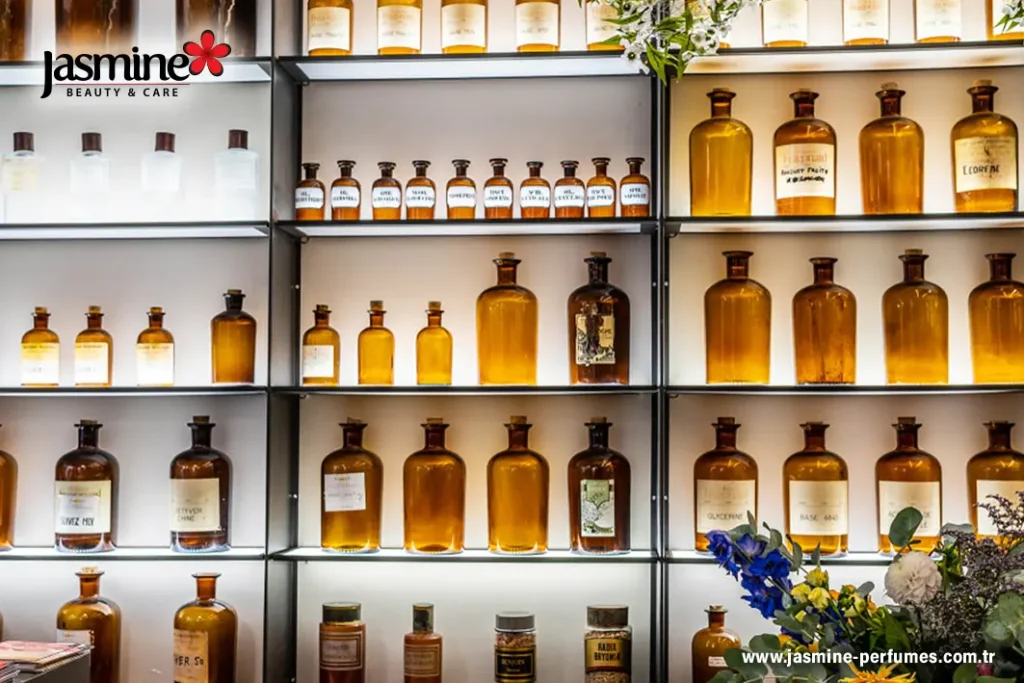
Choose quality raw materials. Use parfum-grade essential oils, naturals, and safe aroma chemicals. Label all ingredients to meet regulations.
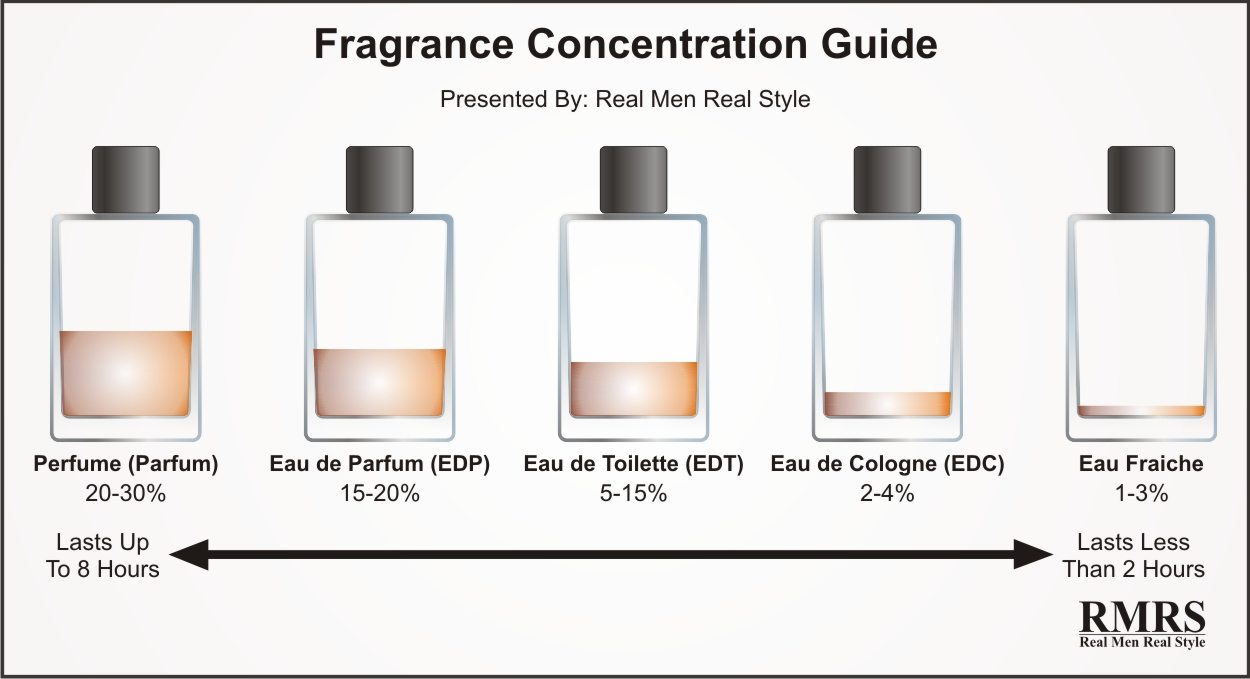
Understand dilution and carriers. Typical eau de parfum uses 12–20% fragrance oil in ethanol. Adjust strength for eau de toilette or cologne spray.
Prioritize safety and stability. Patch-test formulas. Avoid known allergens where possible and follow local labeling rules and IFRA guidelines. Document every formula and batch.
If you wonder how to make cologne project more reliable, tighten your records. Batch logs and formula versions prevent mistakes and improve consistency.
Production and scaling: from bench to small runs
Start small and controlled. Move from 100 mL test batches to 500–1,000 mL pilot runs. Validate mixing times, temperature, and filtration steps.
Standardize processes. Use written SOPs for blending, aging, and bottling. Train helpers and keep quality checks at key points.
Plan suppliers and lead times. Secure bottles, caps, and boxes early. Small brands often stall on packaging delays, so order with buffer.
How to make cologne project more scalable means planning for repeatability. Standard tools and clear steps let you scale without losing your scent profile.
Branding and packaging: communicate quality at first glance
Define a clear brand story. Why does your cologne exist? What lifestyle does it support? Story guides visuals and copy.
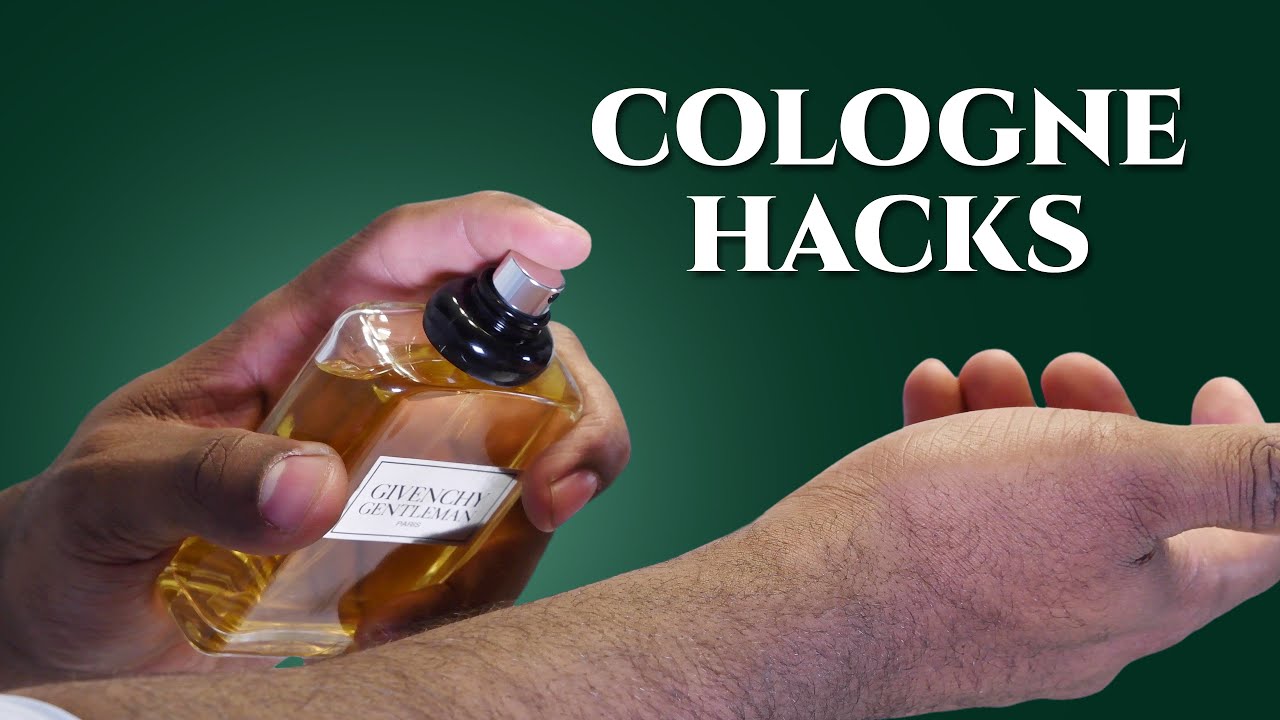
Design packaging for function and shelf appeal. Choose bottles that protect the scent and fit your brand. Test mockups on social channels for quick feedback.
Price for perceived value. Packaging quality influences willingness to pay. A modest increase in bottle or box quality often increases conversion.
When you ask how to make cologne project more compelling, remember that packaging and story sell the first sniff. Invest in a cohesive visual identity.
Marketing and distribution: reach buyers without breaking the bank
Start local and digital. Sell at markets and craft fairs. Pair with an e-commerce store and social media shop.
Use content to educate. Share scent notes, creation videos, and behind-the-scenes posts. Content builds trust and search visibility.
Leverage partnerships. Work with boutiques for consignment or sample swaps. Send small PR samples to micro-influencers and local press.
How to make cologne project more discoverable is a mix of search-friendly content and tactile trials. Samples and storytelling convert better than ads alone.

Testing, feedback, and iteration
Collect structured feedback. Use short surveys with rating scales for longevity, sillage, and likability. Track tester demographics for patterns.
Iterate quickly. Tweak one variable per batch so you know what changed. Keep a feature backlog and prioritize fixes that improve wear or cost.
Use blind panels and public testers. Aim for diverse noses to avoid bias. Repeat tests after reformulation.
PAA-style question 1: How long should I age a test bottle before feedback?
Most blends show their true character after one to four weeks of maceration. For final checks, test again at four weeks.
PAA-style question 2: How many testers are enough?
Start with 10–20 testers for a pilot. For broader validation, run 50+ testers across key demographics.
How to make cologne project more user-driven is simple: test early and often, then act on clear feedback.