Store shoes clean, dry, supported, and in breathable, labeled containers for lasting shape.
I have spent years caring for footwear in my closet and for clients. This guide explains exactly how to store shoes for long term with clear, tested steps. Read on for practical tips, common mistakes, and simple systems you can use today to protect your shoes and keep them ready to wear.
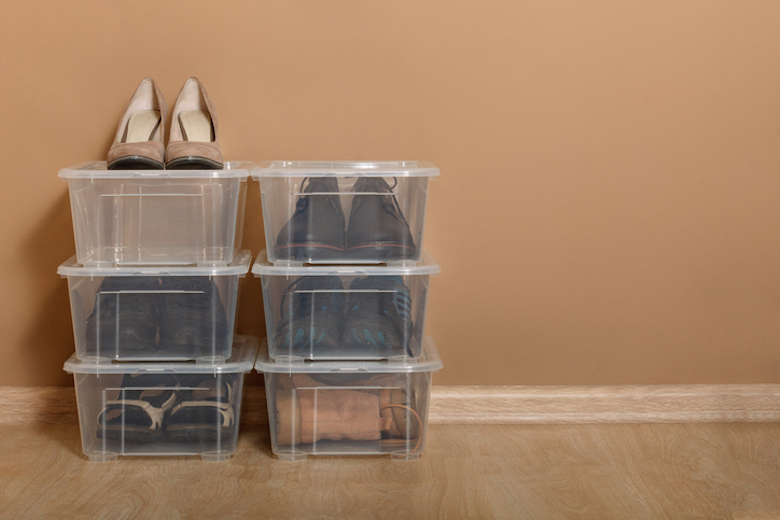
Why proper long-term shoe storage matters
Shoes are more than fashion. Leather can dry out and crack. Fabrics can yellow and weaken over time.
Knowing how to store shoes for long term saves money. Proper storage keeps shape, prevents odors, and extends wear. It also protects specialty shoes like sneakers, boots, and vintage pairs.
You will learn causes of damage and how simple steps fix them. I’ll explain materials, climate tips, and routines you can follow. Use these methods to avoid surprises when you pull shoes out months or years later.

Preparation: cleaning and conditioning before storage
Clean shoes before storing to avoid stains and smells. Remove dirt with a soft brush or damp cloth and let shoes dry fully. For leather, apply a light conditioner to keep the leather supple and prevent cracking.
Remove or clean insoles and laces. Insoles trap sweat and salt, which can break down materials. Replace wet or very worn insoles before storage.
Deodorize with baking soda or a gentle shoe spray. Place moisture absorbers like silica gel packets inside each shoe. This step is essential when learning how to store shoes for long term to prevent mold and odor build-up.
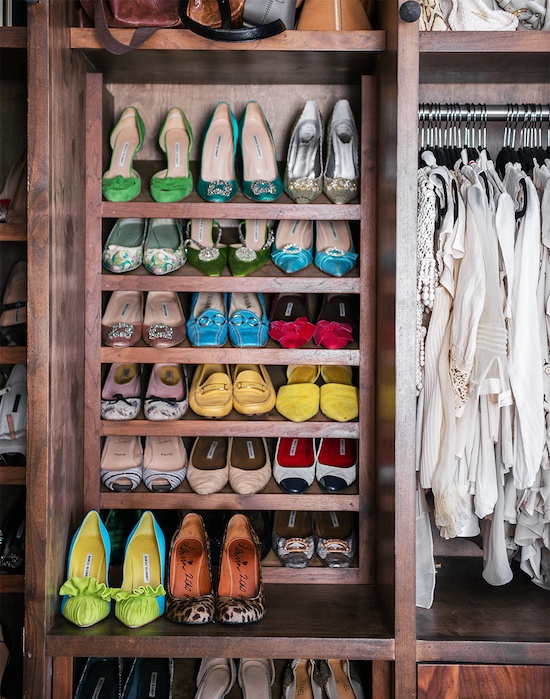
Best containers and materials for long-term shoe storage
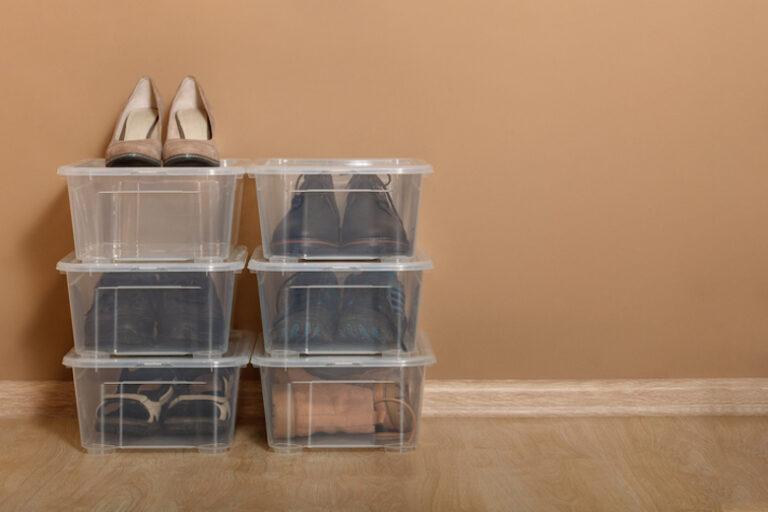
Choose breathable, protective containers for storage. Use clear plastic tubs with vents or cloth shoe bags that let air move. Acid-free tissue paper supports shape and prevents color transfer inside boxes.
Avoid airtight vacuum bags for delicate shoes. Vacuum sealing can crush soles and deform leather. For sturdy sports shoes, vacuum bags can save space, but only if shoes are well-stuffed and checked often.
Invest in cedar shoe trees for leather pairs. They absorb moisture, add a light scent, and maintain shape. For suede, use plain paper stuffing to avoid oil transfer from wood.

How to store specific shoe types long term
Different shoe types need tailored care. Follow these short guides to match materials and form.
Leather shoes
Clean, condition, and stuff with cedar or paper. Store upright in breathable boxes. Check every 3–6 months to recondition if needed.
Suede shoes
Brush suede gently and use shoe trees without oil. Keep away from light to prevent fading. Use a suede protector before storing.
Athletic sneakers
Clean midsole grime and remove insoles to dry. Store in ventilated boxes to avoid trapped sweat. Replace laces neatly and label boxes with date and use notes.
Boots and tall footwear
Use boot shapers or rolled towels to keep shafts upright. Store standing, not folded, to avoid creases. Keep tall boots in garment bags or tall boxes.
Sandals and summer shoes
Clean straps and buckles and store flat or in small boxes. Add silica gel to control humidity. Avoid stacking heavy items on top.
Delicate or vintage shoes
Wrap in acid-free tissue and store in archival boxes. Keep in a cool, stable environment. Limit handling and check condition twice a year.
These focused steps help you decide how to store shoes for long term depending on each type.
Climate control: temperature, humidity, and light
Temperature and humidity are major factors. Aim for cool, stable temperatures under 70°F. Keep relative humidity near 45% to 55% when possible.
Avoid attics, basements, and garages with large swings in humidity or temperature. Sunlight fades dyes and weakens glue. Store shoes in dark or low-light areas to preserve materials.
Use a small dehumidifier or silica gel packs in closed spaces. A hygrometer helps you track humidity. These measures are key when planning how to store shoes for long term in varying climates.

Common mistakes and how to avoid them
Many shoe owners make preventable errors. Here are the top mistakes and fixes.
- Storing shoes dirty or wet — Always clean and fully dry shoes before storage.
- Using plastic wrap or vacuum sealing leather — Use breathable covers instead to avoid drying out leather.
- Piling shoes on top of each other — Store shoes individually to prevent crushing and scuffs.
- Skipping periodic checks — Inspect shoes every few months to catch mold, pests, or drying leather early.
- Forgetting to remove salts and sweat — Clean areas where salt or sweat collected to prevent stain and breakdown.
Avoiding these mistakes makes your long-term storage efforts pay off. I learned the hard way when a favorite pair warped from poor packing. Now I check pairs on a schedule and recommend you do the same.
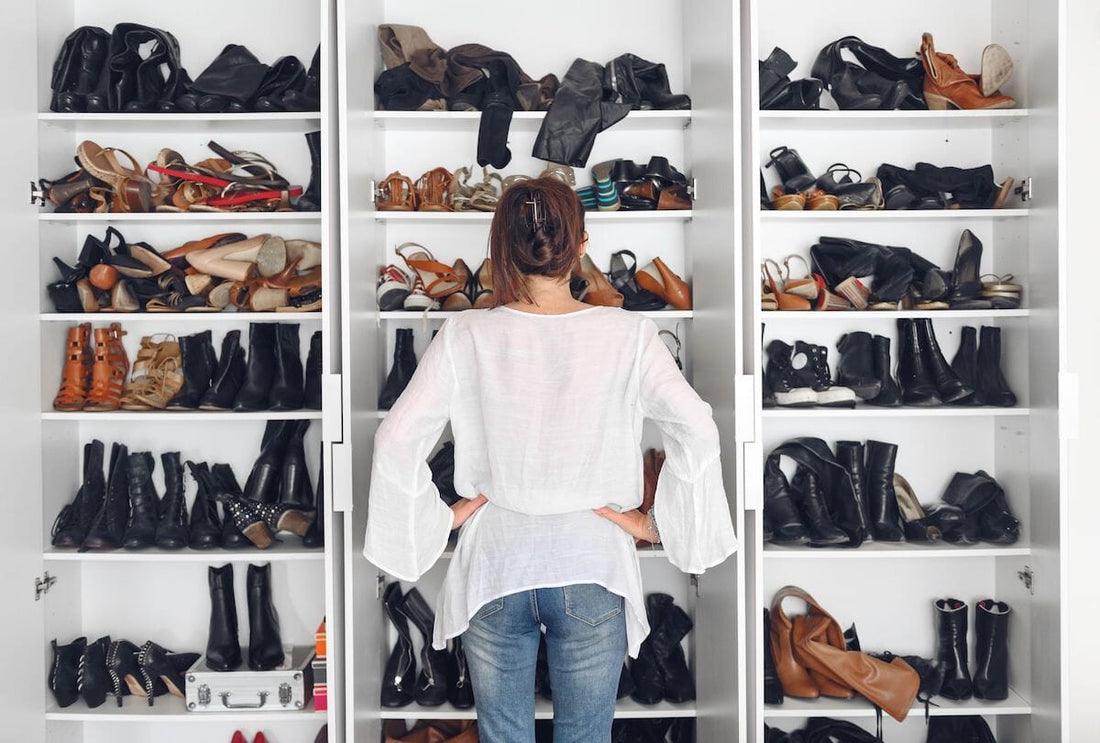
Seasonal rotation, inventory, and labeling
A simple rotation system keeps shoes fresh. Label boxes with shoe type, season, and date stored. That reduces searching and unnecessary handling.
Create a small inventory spreadsheet or app entry. Note condition and any treatments done before storage. Rotate shoes every season to redistribute wear and inspect condition.
This habit supports long-term care and shows how to store shoes for long term without losing track of your collection. It saves time and protects value.

Sustainable and eco-friendly storage options
You can store shoes responsibly. Reuse shoe boxes, wrap in cotton cloth, or use recycled paper for stuffing. Avoid single-use plastics when storing for decades.
Cedar and cork are renewable options for shoe trees and hangers. They prevent pests and add natural scent without chemicals. When discarding old shoes, donate or recycle rather than tossing.
These choices lower waste and protect shoes. I switched to reused boxes years ago and saw no downside in protection or organization.
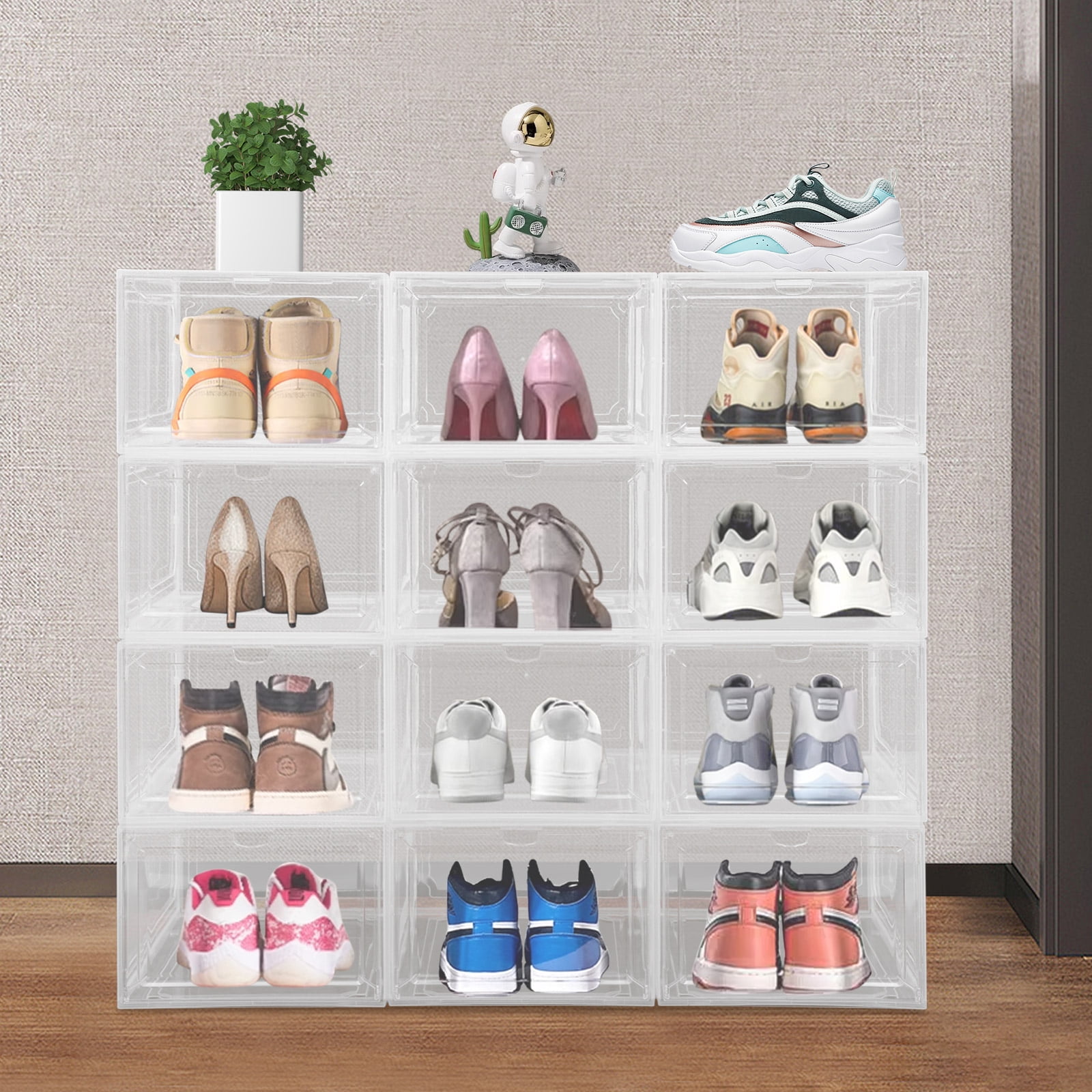
Cost-effective storage solutions and product recommendations
You don’t need expensive gear to do this right. Here are budget-friendly options that work.
- Clear plastic bins with ventilation holes — Affordable and stackable for seasonal storage.
- Acid-free tissue paper — Cheap and effective for shaping and color protection.
- Silica gel packets — Reusable and inexpensive moisture control.
- Cedar shoe trees — Mid-price but long-lasting for leather care.
- Cloth shoe bags or pillowcases — Low-cost breathable covers that prevent dust.
Buy one or two higher-quality items for shoes you love. For everyday pairs, simple cleaning and a labeled box do the job. This is how to store shoes for long term without breaking the bank.
Personal experience: lessons learned and practical tips
I once stored leather shoes in plastic bins and found them brittle the next year. That taught me to prefer breathable storage and regular checks. I also learned small wins matter — stuffing with paper prevents creases and costs almost nothing.
I track storage dates and take photos of each pair before packing. This helps with insurance, resale, or repair decisions. My practical motto: prepare, protect, and check.
Follow simple routines and you will avoid costly mistakes. These are real, tested habits I use and recommend.
Troubleshooting and maintenance during long-term storage
If you spot mold, act fast. Wipe with a cloth dampened in diluted alcohol for hard surfaces and let dry fully. For delicate materials, consult a professional cleaner.
If leather looks dry, apply a light conditioner and let it absorb. If adhesives fail or soles separate, a cobbler can often repair the pair. Keep a small repair fund for valuable shoes.
Regular maintenance makes long-term storage sustainable. That is the final step in how to store shoes for long term—inspect, fix, and return to storage.
Common quick questions (People also ask)
How long can shoes be stored without damage?
Shoes can last years with proper care. Leather and fabric need periodic checks and conditioning every 6–12 months.
Is it okay to use vacuum bags for shoes?
Vacuum bags save space but can crush shape and stress glued areas. Use them only for sturdy sneakers and check often.
Can I store shoes in the attic?
Attics often have extreme heat and humidity swings. Avoid attics unless the area is climate controlled in order to protect materials.
Do I need shoe trees for all shoes?
Shoe trees benefit leather and shaped shoes most. For soft sandals or flat shoes, stuffing with tissue works well.
How often should I inspect stored shoes?
Check shoes every 3–6 months to catch mold, pests, or drying. Tighten your schedule in humid or variable climates.
Frequently Asked Questions of how to store shoes for long term
What is the best temperature for storing shoes long term?
A cool, stable temperature under 70°F is best for most shoes. Avoid areas with frequent temperature swings to protect glues and materials.
Can I store shoes in plastic bins for long term?
Yes, but choose bins with ventilation or add silica gel packets. Fully seal bins only if shoes are clean, dry, and you will check them regularly.
How should I store leather shoes to prevent cracking?
Clean, condition lightly, and use cedar shoe trees or tissue to keep shape. Store in breathable boxes away from direct light.
Are shoe boxes better than clear plastic bins?
Both work; boxes are breathable while clear bins help you find shoes quickly. Combine methods: use boxes inside larger ventilated bins for both protection and visibility.
How do I store shoes to prevent odor and mold?
Dry shoes completely before storing and include moisture absorbers like silica gel. Keep storage areas cool and ventilated to reduce mold risk.
Conclusion
Storing shoes well protects your investment and keeps footwear ready to wear. Clean, dry, support, and store shoes in breathable containers, check them regularly, and use simple labeling and rotation systems. Start with one shelf or a set of boxes and apply one tip today to extend the life of your shoes.
Take action now: pick one pair, clean it, and practice the steps you learned. Share your storage wins or questions in the comments and subscribe for more care and gear advice.

Rubel Miah is the Senior Editor at MyStyleGrid.com, where he brings a sharp editorial eye and an unshakable love for fashion to everything he does. A true style addict, Rubel lives and breathes trends, from streetwear to high fashion, and has a knack for turning inspiration into impactful stories. With years of experience in fashion journalism and digital media, he curates content that empowers readers to express themselves through style. When he’s not editing features or forecasting the next big thing, you’ll find him hunting down vintage pieces or capturing street style moments around the city.