Should I Get Prescription Sunglasses?
If you wear glasses, you may have asked yourself, “Should I get prescription sunglasses? ” It’s a common question, especially if you spend time outdoors or drive in bright sunlight. Choosing the right eyewear can affect your comfort, eye health, and even your daily routine.
Let’s look at what you need to know before making this decision. I’ll share real examples, simple facts, and some tips that many people miss. If you want clear vision, eye protection, and easy living, keep reading.
What Are Prescription Sunglasses?
Prescription sunglasses are glasses made with tinted lenses that match your vision needs. They work just like your regular glasses, but they also block sunlight. This means you can see clearly and protect your eyes from the sun at the same time.
You can buy prescription sunglasses in many styles. Some look sporty, some look classic, and some are very modern. You can choose from many colors and shapes, just like with regular sunglasses. The big difference is the lenses are made for your eyes.
Prescription sunglasses can also have special features. For example:
- Polarized lenses cut down glare from water or roads.
- Photochromic lenses (also called transition lenses) get dark in sunlight and clear indoors.
- Mirror coatings reflect light for extra comfort.
All these options make it possible to find sunglasses that fit your life and your look.
Why Do People Need Prescription Sunglasses?
Many people think sunglasses are only for style. But there’s more to it. If you need glasses to see clearly, regular sunglasses are not enough. You might try putting sunglasses over your glasses, but that can feel awkward. You can use clip-on shades, but they don’t always block light well from the sides.
Prescription sunglasses solve these problems. Here’s why people choose them:
1. Clear Vision Outdoors
You see as well as you do with your normal glasses, but you also get sun protection.
2. Eye Health Protection
Good sunglasses block harmful UV rays. UV rays can cause eye diseases, such as cataracts and macular degeneration.
3. Comfort In Bright Light
Prescription sunglasses cut down eye strain and headaches caused by glare.
4. Safe Driving
Sun glare is a top reason for car accidents. Prescription sunglasses help you see the road better.
5. Outdoor Activities
If you like sports, hiking, or fishing, you need both clear vision and sunlight protection.

Credit: www.youtube.com
How Prescription Sunglasses Compare To Other Options
You might wonder, “Can’t I just use clip-ons, transition lenses, or contacts with sunglasses? ” Let’s compare your choices. This will help you see the pros and cons.
| Option | Pros | Cons |
|---|---|---|
| Prescription Sunglasses | Best vision and sun protection, stylish, comfortable | Higher cost, need to switch with indoor glasses |
| Clip-On Sunglasses | Cheaper, easy to attach | Can look bulky, less side protection, may fall off |
| Photochromic Lenses | No need to switch glasses, clear indoors | Slow to change, less effective in cars |
| Contact Lenses + Sunglasses | Can wear any sunglasses, flexible style | Not for everyone, contacts can dry eyes, more steps |
A common mistake is thinking all these options give equal protection. In fact, only prescription sunglasses are made to your exact vision needs with strong sun-blocking power.
Eye Health Benefits Of Prescription Sunglasses
Many people focus only on looking good. But protecting your eyes is even more important. Sunlight carries UV rays that can hurt your eyes over time. Here are some facts:
- Long-term UV exposure increases your risk of cataracts (cloudy vision) and macular degeneration (loss of sharp vision).
- UV rays can also cause growths on your eyes, called pterygium, which can block your vision.
- Kids and young adults are at higher risk because their eyes let in more UV light.
Prescription sunglasses block almost 100% of UVA and UVB rays when you choose a good pair. This is key for eye health, especially if you spend lots of time outside, drive, or live in sunny places.
Here’s a quick look at how much UV protection matters:
| Type of Lens | Blocks UVA & UVB? | Reduces Glare? |
|---|---|---|
| Prescription Sunglasses | Yes (up to 100%) | Yes |
| Regular Sunglasses (non-prescription) | Depends on quality | Yes |
| Cheap Sunglasses | Often no | Maybe |
When Are Prescription Sunglasses Most Useful?
You may not need prescription sunglasses all day, every day. But there are many times when they make a big difference.
1. Driving During The Day
Sun glare is a big problem, especially when the sun is low in the sky. It can make it hard to see the road or traffic signs. Prescription sunglasses help you see clearly and drive safely.
2. Outdoor Sports And Activities
If you play golf, tennis, or go fishing, you need to see well and block glare. Prescription sunglasses make outdoor fun easier and safer.
3. At The Beach Or Pool
Water reflects a lot of light. This can hurt your eyes and make it hard to see. Prescription sunglasses, especially with polarized lenses, cut this glare.
4. Walking Or Running Outside
Many people walk or run outside for health. Prescription sunglasses let you enjoy the fresh air without squinting or getting a headache.
5. Traveling
If you travel, especially to sunny places, prescription sunglasses are a must. You can enjoy sights, drive rental cars, and take photos without swapping glasses.
Common Myths About Prescription Sunglasses
Some people avoid prescription sunglasses due to common myths. Let’s clear up a few:
1. Myth: They Are Too Expensive.
Fact: Prices have dropped in recent years. Many stores offer deals. Plus, you protect your eye health, which can save money later.
2. Myth: They Are Only For People With Strong Prescriptions.
Fact: Even mild vision needs can benefit from prescription sunglasses.
3. Myth: All Sunglasses Block Uv.
Fact: Only quality sunglasses say “100% UV protection.” Cheap sunglasses may not protect your eyes.
4. Myth: Transition Lenses Are Always Enough.
Fact: Transition lenses do not always darken behind car windshields. Prescription sunglasses work better for driving.
How To Choose The Right Prescription Sunglasses
If you decide to get prescription sunglasses, how do you pick the right pair? Here’s what matters most:
1. Uv Protection
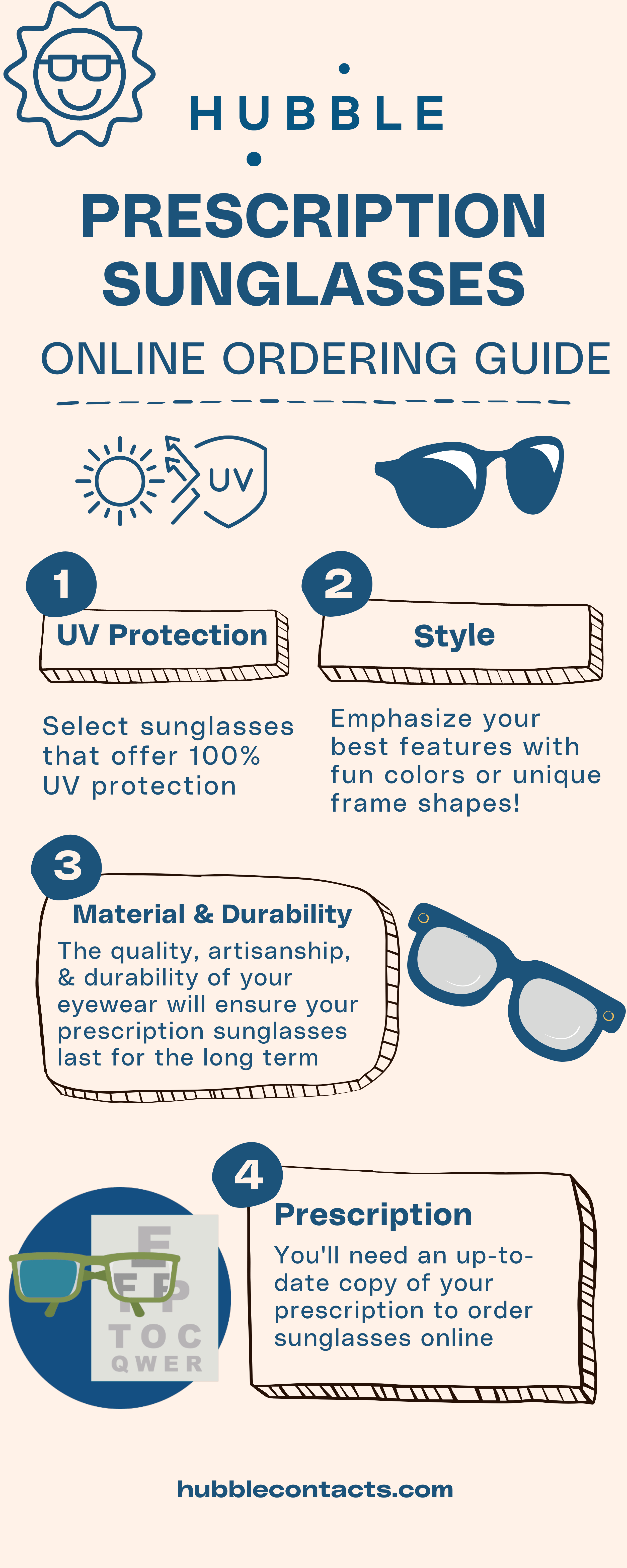
Always pick sunglasses that say 100% UVA and UVB protection. If it’s not on the label, it may not be true.
2. Lens Tint
Darker does not always mean better. Choose a tint based on your activity:
- Gray: True colors, good for all uses.
- Brown/Amber: Boost contrast, great for sports.
- Green: Reduces glare, good for golf and tennis.
3. Polarization
Polarized lenses cut glare from water, roads, and snow. They are best for driving, fishing, and sports.
4. Frame Style
Pick a style that fits your face and feels good. Wrap-around frames block light from the sides.
5. Lens Material
- Plastic lenses: Light and safe.
- Polycarbonate: Extra tough, best for sports.
- Glass: Sharp vision, but heavier.
6. Special Coatings
Think about scratch-resistant or anti-reflective coatings. These make your sunglasses last longer.
7. Prescription Strength
Check your prescription is up-to-date. Some very strong prescriptions need special lens shapes.
8. Your Budget
Set a budget, but remember: cheap sunglasses may not protect your eyes. Quality matters.
Mistakes To Avoid When Buying Prescription Sunglasses
Many people make the same mistakes. Here’s what to watch out for:
1. Not Checking For Uv Protection
If sunglasses don’t say “100% UV,” they may not block all rays.
2. Choosing Fashion Over Function
Style is nice, but comfort and coverage are key. Wide frames protect more of your eyes.
3. Buying The Wrong Tint
Some tints make it hard to see traffic lights or read signs. Ask your eye doctor for advice.
4. Ignoring Fit
Loose sunglasses let in light from the sides. A good fit makes a big difference.
5. Skipping Polarization For Driving
Polarized sunglasses are best for drivers. They cut glare and make roads safer.
6. Buying Online Without Trying
Try frames on in person if possible. Not all frames fit every face shape.
The Cost Of Prescription Sunglasses
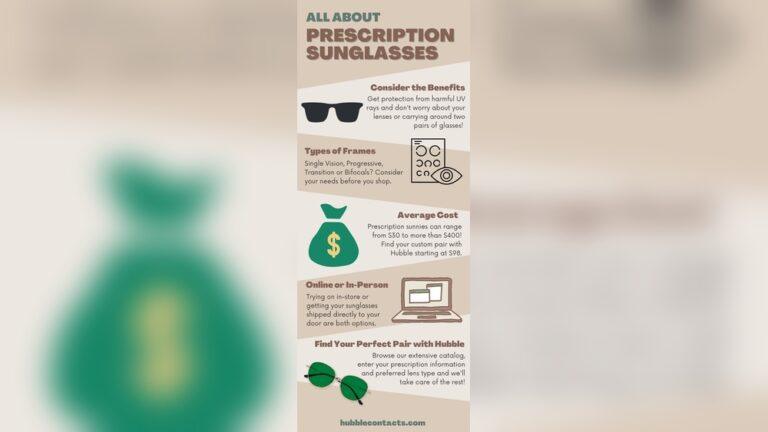
You might worry about price. Prescription sunglasses can cost more than regular sunglasses, but there are ways to save.
- Basic pairs start around $50–$100 at discount stores.
- Mid-range options are $100–$250. These often include better lenses and frames.
- High-end brands or custom features (like polarization) can cost $300 or more.
Insurance may cover part of the cost. Some employers offer vision benefits. Always ask your eye doctor about deals or bundles.
Here are a few ways to spend less:
- Look for sales, especially at the end of summer.
- Ask about package deals with regular glasses.
- Choose simple frames and basic lens options.
Real-life Examples: When Prescription Sunglasses Made A Difference
Let me share a few stories:
- Maria, a teacher, used to get headaches on playground duty. Her regular glasses didn’t block the sun. After she bought prescription sunglasses, her headaches stopped.
- John, a taxi driver, had trouble seeing street signs in the afternoon sun. He switched to prescription sunglasses with polarized lenses. Now he drives more safely and feels less tired.
- Lina, who loves hiking, struggled with glare on mountain trails. Her prescription sunglasses helped her enjoy her hikes without squinting.
These stories show how the right sunglasses can change daily life. Many people wish they bought them sooner.
Prescription Sunglasses For Kids And Teens
Children and teens are more sensitive to sunlight than adults. Their eyes let in more UV rays, which can cause damage over time. If your child needs glasses, prescription sunglasses are a smart choice. They protect young eyes and make outdoor play safer.
Here’s what to look for:
- Tough frames that can survive drops and bumps.
- Lenses with 100% UV protection.
- Straps or bands to keep sunglasses from falling off.
Kids who wear prescription sunglasses are more likely to keep them on, compared to clip-ons or “fit-over” shades.
Can You Get Prescription Sunglasses For All Eye Problems?
Most people with nearsightedness, farsightedness, or astigmatism can get prescription sunglasses. Even people with progressive lenses (for reading and distance) have options.
However, some very strong or complex prescriptions may need special lenses. Always ask your eye doctor if you have a unique prescription.
For people with eye diseases like cataracts or after surgery, sunglasses are even more important. They protect healing eyes from bright light.
Prescription Sunglasses Vs. Over-the-counter Sunglasses
Not all sunglasses are the same. Prescription sunglasses match your exact vision needs. Over-the-counter sunglasses may look good but can blur your vision if you need glasses.
Non-obvious insight: Cheap sunglasses with dark lenses but no UV protection can be worse than wearing none. They make your pupils open wider, letting in more harmful rays.
If you only wear sunglasses for style, over-the-counter is fine. But for daily use and eye health, prescription sunglasses are best.
How To Care For Prescription Sunglasses
Taking care of your sunglasses helps them last longer. Here’s how:
- Keep them in a hard case when not in use.
- Clean with a soft lens cloth, not your shirt.
- Use lens cleaner, not household cleaners.
- Check screws and hinges often.
- Don’t leave them in hot cars—heat can warp lenses.
A little care keeps your sunglasses clear and scratch-free.
Can I Use Prescription Sunglasses At Night Or Indoors?
You should not wear dark sunglasses indoors or at night. They block too much light, making it hard to see. For night driving, ask your eye doctor about special lenses or anti-glare coatings.
If you need help both indoors and outdoors, consider getting two pairs: regular glasses and prescription sunglasses.
Prescription Sunglasses And Fashion
Years ago, prescription sunglasses looked boring. Now, you can pick almost any style. Brands like Ray-Ban, Oakley, and many others offer prescription options. You can even get designer frames with your prescription.
If you care about style, you don’t have to trade looks for eye health. Try on different shapes and colors to find a pair you love.
Credit: www.hubblecontacts.com
How Long Do Prescription Sunglasses Last?
With good care, prescription sunglasses last 2–3 years or more. Your prescription may change, so check your vision every 1–2 years.
If you scratch your lenses or damage your frames, replace them sooner. Scratches can block your view or let in UV rays.
Should You Get Prescription Sunglasses Online Or In-store?
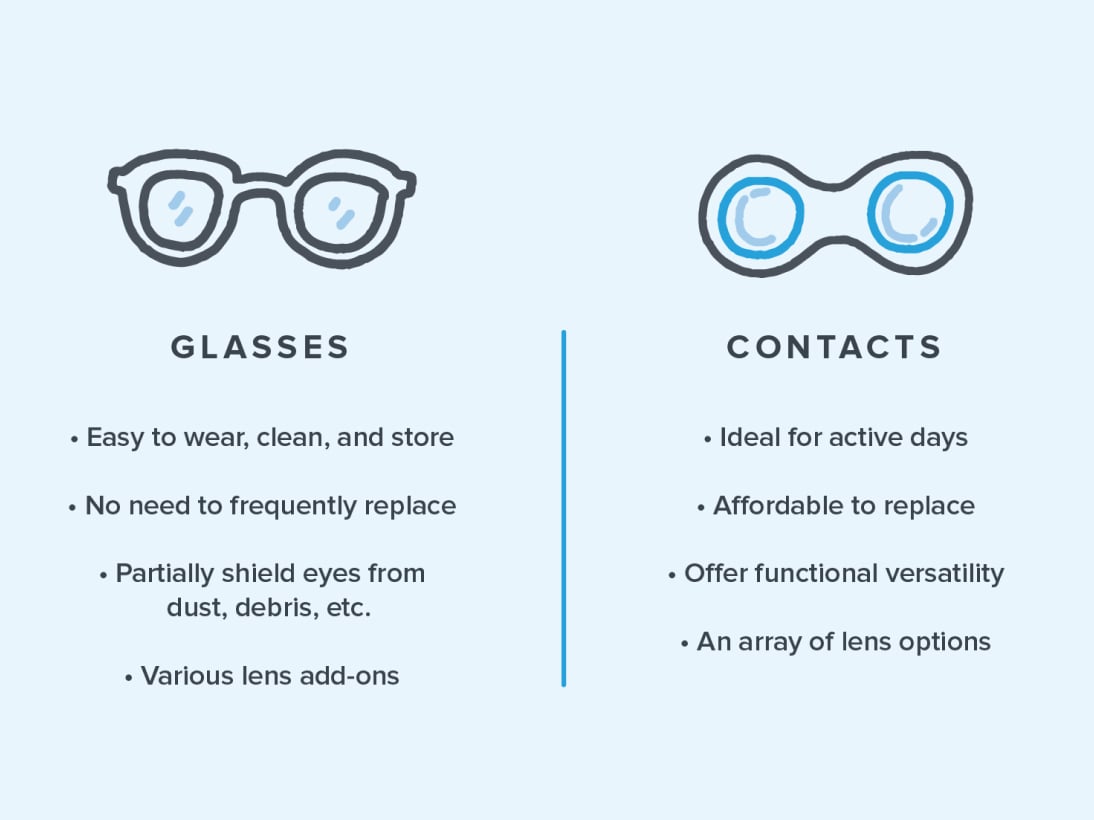
Buying online can save money, but you can’t try before you buy. In-store shopping lets you check fit and comfort. Some stores offer “virtual try-on” tools, but these are not perfect.
If you buy online, use a trusted website. Make sure you enter your prescription exactly. Read reviews and check return policies.
Tip: Try frames in a store first, then order online if you find a better deal.
Credit: www.warbyparker.com
Are Prescription Sunglasses Worth It?
For many people, the answer is yes. You get better vision, protect your eye health, and feel more comfortable outdoors. The cost is higher than regular sunglasses, but the benefits last for years.
Think about how often you are outside, how much you drive, and how sensitive your eyes are to sun. If you value clear sight and comfort, prescription sunglasses are a smart investment.
Extra Insights Many People Miss
- Polarized prescription sunglasses are not just for fishing. They make daily life, especially driving, much easier.
- Photochromic lenses do not always work well in cars, as windshields block UV light. For drivers, separate prescription sunglasses are better.
- Eye doctors can add mirror coatings or custom tints for special needs, like migraines or sports.
- Most vision insurance plans cover part of the cost for prescription sunglasses. Always check your benefits.
For more technical details about UV protection and eye health, you can read this American Academy of Ophthalmology guide.