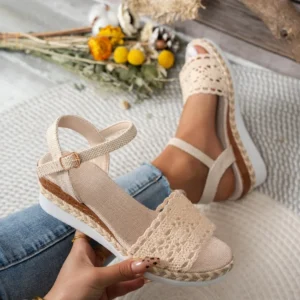
Break them in gradually: wear short sessions with padding, stretch leather, and add gel inserts.
I’ve spent over a decade fitting and testing shoes for clients, and I know what works and what wastes time. This guide explains how to break in high heel shoes safely and fast, with clear steps, tools, and real-life tips you can use tonight. Read on to learn practical, tested methods for comfort, fit, and style.

Why new heels hurt and what to expect
New high heels are stiff. Materials and seams press in new places. The foot needs time to adapt to height and balance. Knowing why you feel pain helps you fix it without hurting your feet more.
How you break in high heel shoes changes the pressure on the toes, ball, and heel. Proper methods reduce blisters, calluses, and long-term problems. I use simple checks to spot issues before they become painful, and I’ll show those checks below.

Prep work: what to do before you start breaking them in
Start clean and plan. Inspect seams, insoles, and heel tips for hard edges. Choose the right size and test the fit by standing and walking a few steps in the house.
Tools to have ready
- Gel inserts and heel grips for padding and lift reduction.
- Moleskin, blister plasters, or bandages for hotspots.
- Shoe stretch spray or leather conditioner for softening uppers.
- Thick socks and a hairdryer for gentle heat stretching.
Personal tip: I always wear new heels around the house for short sessions first. This gives me time to spot rubbing points and adjust padding.

Step-by-step methods to break in high heel shoes
Follow these steps. Do them slowly. Small changes matter.
- Wear them at home for 10–20 minute sessions
- Walk on carpet first. Gradually move to hard floors. Repeat each day and add time.
- Use thick socks and a hairdryer to stretch tight leather
- Put on thick socks and wear the shoes. Heat the tight areas with a hairdryer for 20–30 seconds while flexing your feet. Let them cool while on.
- Apply shoe stretch spray or conditioner
- Spray inside the shoe or apply conditioner to soften leather. This helps avoid cracks and keeps shape.
- Use inserts and pads to reduce movement
- Gel pads under the ball of the foot cut pressure. Heel grips stop slipping. Use adhesive pads to protect hot spots.
- Stretch at the widest points
- Focus on the toe box and the vamp. A cobbler can stretch stubborn spots by half sizes.
- Work on balance and posture
- Practice slow heel-to-toe walking. Shorten your stride. This reduces strain while you break them in.
- Professional stretching and resoling
- If the shoes still hurt, take them to a shoe repair shop. A pro can add toe box width or soften the structure safely.
Each method helps with different problems. Use a mix to avoid overdoing any one trick. I break in heels this way for clients who need a reliable result fast.
Quick fixes and emergency tips for pain and blisters
When you’re out and need fast relief, try these simple hacks.
- Moleskin or blister plasters applied before friction starts prevent raw spots.
- Gel pads under the ball of the foot reduce stabbing pain from high heels.
- Band-aids on hot spots stop new blisters from tearing.
- Tight straps can be loosened with a small cut and re-stitched later by a pro.
- Heel taps add traction and lower sudden slips that cause ankle twists.
I once fixed a client’s pair five minutes before an event with moleskin and inserts. She stayed comfortable all night. Quick fixes are not permanent, but they can save an evening.

Long-term care to keep high heels comfortable
Rotate shoes to let materials recover. Never wear the same pair two days straight. Store them with shoe trees or rolled tissue to keep shape.
Maintenance checklist
- Replace worn heel tips to protect the structure.
- Add sole protectors to reduce wear and improve grip.
- Condition leather quarterly to prevent cracks.
- Visit a cobbler for lasting stretching, sole work, or structural fixes.
Good care means easier break-ins later. I track repair dates for client shoes and that keeps heels wearable for years.

Quick PAA-style questions
Will wearing heels around the house break them in?
Yes. Short indoor sessions help shape the shoe without heavy wear. Wear socks and walk on soft surfaces first.
Can I use water to stretch heels?
Avoid soaking. Light heat plus stretch spray or conditioner is safer. Water can warp glue and damage leather.
Are insoles safe for all heels?
Most gel or thin foam insoles work well. They add comfort but can change fit slightly, so test them at home.

Frequently Asked Questions of how to break in high heel shoes
How long does it take to break in high heels?
It depends on material and build. Soft leather can take a few days; stiff synthetics may need professional stretching.
Can I stretch heels at home without damaging them?
Yes, with caution. Use a hairdryer, thick socks, or stretch spray for short bursts and avoid overheating glued areas.
Do inserts really help when breaking in heels?
They do. Inserts add cushion and stop the foot from sliding, which speeds comfort gains and reduces blisters.
Is it bad to wear heels every day while breaking them in?
Daily wear can worsen pain and cause blisters. Rotate shoes and give your feet rest between sessions.
When should I see a cobbler or a podiatrist?
See a cobbler for structural or stubborn fit issues. See a podiatrist if pain is severe or persists after adjustments.
Conclusion
Breaking in high heel shoes takes time, the right tools, and gentle methods. Start with short wears, use pads and stretch tools, and get pro help for tough cases. Try these steps and track what works for you; small changes give big comfort gains.
Take action today: pick one pair and follow a simple three-step plan—pad, warm, and wear for 15 minutes. Share your results, ask questions, or subscribe for more shoe tips.

Rubel Miah is the Senior Editor at MyStyleGrid.com, where he brings a sharp editorial eye and an unshakable love for fashion to everything he does. A true style addict, Rubel lives and breathes trends, from streetwear to high fashion, and has a knack for turning inspiration into impactful stories. With years of experience in fashion journalism and digital media, he curates content that empowers readers to express themselves through style. When he’s not editing features or forecasting the next big thing, you’ll find him hunting down vintage pieces or capturing street style moments around the city.