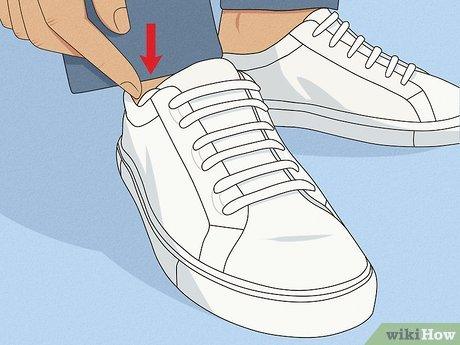
Tuck shoelaces by threading, knotting, then hiding the ends under the tongue or heel.
I’ve spent years testing shoes and lacing tricks. I will show you clear, practical steps on how to tuck shoelaces into shoes for a neat, secure finish. Read on to learn simple methods, pro tips, and fixes that work for sneakers, dress shoes, and running shoes.
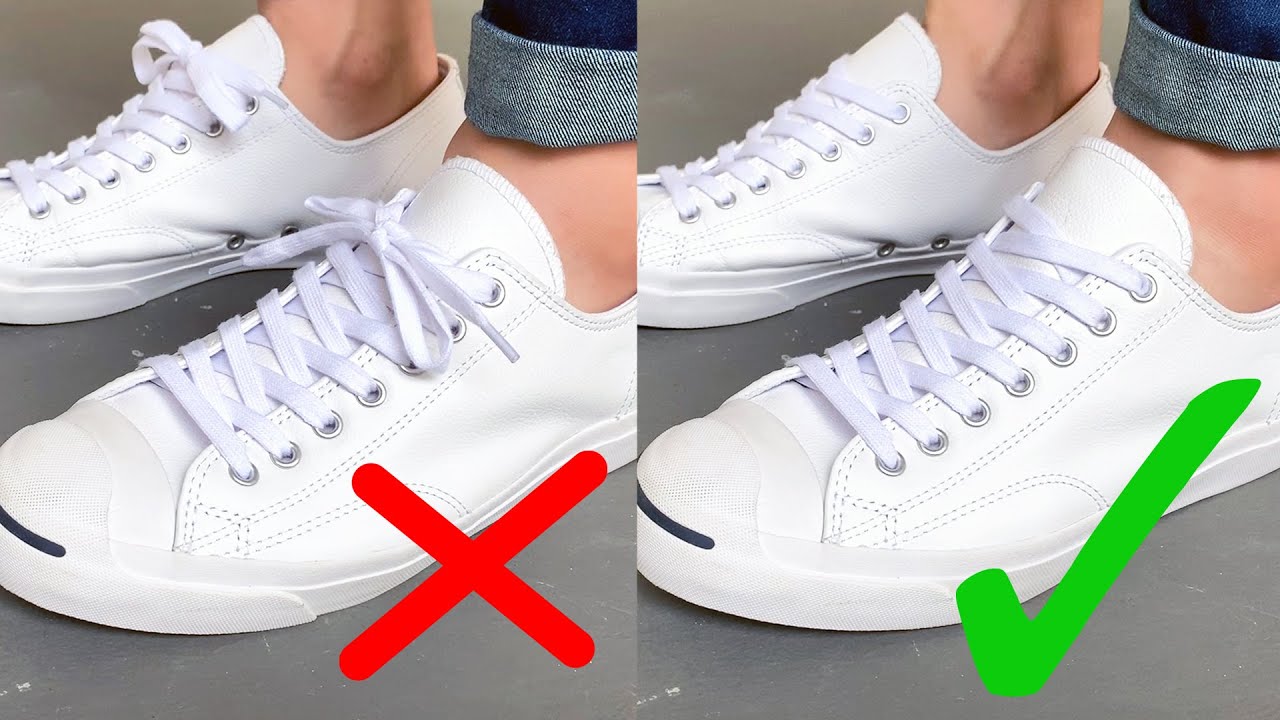
Why tuck shoelaces into shoes?
Tucking shoelaces keeps laces from flapping. It reduces tripping and gives a cleaner look. It also helps in sports and style situations where loose laces are a problem.
Benefits at a glance:
- Keeps lace ends out of the way for safety and comfort.
- Makes shoes look tidy for work or formal events.
- Prevents lace wear and damage from snagging.
When you know how to tuck shoelaces into shoes, you get both function and style. I’ll show several easy ways to do it.

Tools and prep
You need almost nothing to tuck shoelaces into shoes. A pair of shoes and their laces is enough. Small extras can help for stubborn laces.
Useful items:
- Small elastic bands for holding short ends.
- Lace anchors or silicone stoppers for long-term tuck solutions.
- Scissors to trim frayed ends (only if needed).
Prep steps:
- Tie the shoe normally to your comfort level.
- Pull the tongue forward to make room for the lace ends.
- Check lace length and position before tucking.

Source: youtube.com
How to tuck shoelaces into shoes — step-by-step methods
Here are proven methods for how to tuck shoelaces into shoes. Try the one that fits your shoe type and daily needs.
Heel tuck method
This is quick and works well for sneakers and casual shoes.
Steps:
- Tie your shoe with a secure knot.
- Pull the lace ends toward the heel inside the shoe.
- Slide the ends under the collar or in the gap behind your heel.
- Sit and press the lace ends flat so they stay tucked.
Why it works:
- The heel pocket traps the lace ends.
- It is low profile and keeps laces out of sight.
Tongue tuck method
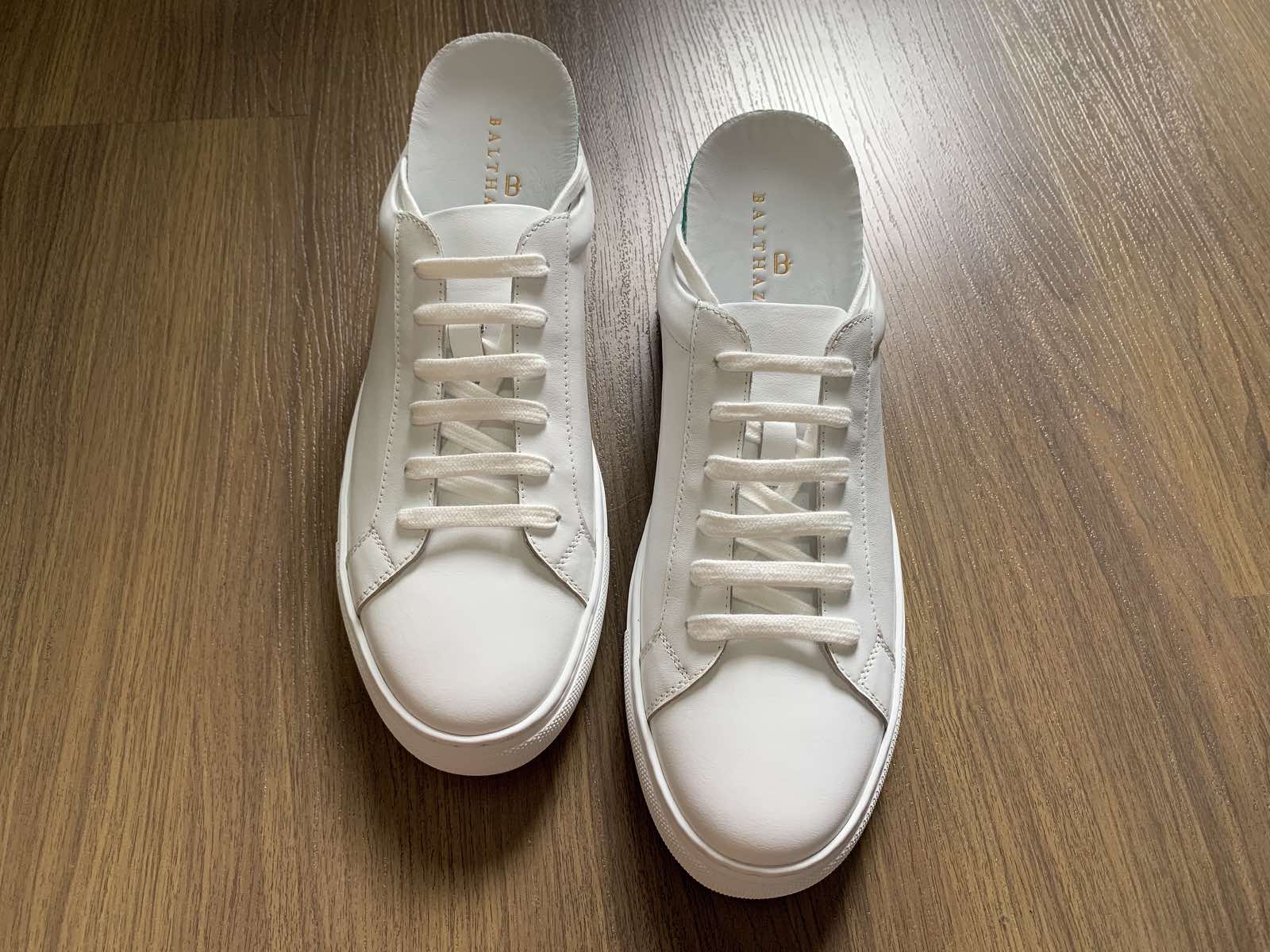
This method hides laces under the tongue. It is tidy and good for dress shoes.
Steps:
- Loosen the laces slightly.
- Lift the tongue and tuck lace loops or tails under it.
- Re-tighten the top laces so the tongue holds the laces down.
- Smooth the tongue to hide any bumps.
Why it works:
- The tongue covers the laces making them invisible.
- It creates a sleek front look for formal wear.
Inside knot and tuck
This adds extra security. Good for runners and hikers.
Steps:
- Tie a small extra knot or double knot near the base of the lace.
- Push the knotted section through the top eyelet area.
- Tuck the remaining tails into the shoe mouth or under the tongue.
Why it works:
- The extra knot prevents slippage.
- It keeps the tail from coming loose during activity.
Lace anchors, elastic laces, and other tools
These solutions are for long-term or sport-focused tucks.
Options:
- Lace anchors clip to lace ends and stick inside the shoe.
- Elastic no-tie laces replace standard laces for a permanent tuck.
- Silicone lace locks let you shorten and tuck loose ends.
How they help:
- They reduce the need to retie.
- They are great for kids, athletes, and commuters.
Source: balthazarshoes.com
Common mistakes and troubleshooting
Even simple tucks can go wrong. Here are common issues and quick fixes.
Problem: Tuck slips out
- Cause: Too much movement or loose knot.
- Fix: Double knot before tucking or use a lace anchor.
Problem: Laces bunch under the tongue
- Cause: Too much lace bulk.
- Fix: Re-lace with fewer eyelets or trim excess lace if safe.
Problem: Discomfort at the top of the foot
- Cause: Laces pushed into a pressure point.
- Fix: Move the tuck slightly to the side or use thinner laces.
Problem: Short laces that won’t reach for tucking
- Cause: Lace length too short.
- Fix: Use longer laces or switch to elastic laces.
From my tests, a small extra knot often fixes the most issues. It costs nothing and saves time.

Maintenance and when to retuck
Tucks don’t last forever. Check them each day if you are active. Retuck after these events:
- After long walks or runs.
- After washing shoes.
- When laces stretch or loosen.
Quick care tips:
- Keep laces clean; dirt makes them slip more.
- Replace laces when frayed; they can fail during a tuck.
- Store shoes laced or unlaced depending on the tuck style you prefer.
I learned this the hard way during a race. I retied and retucked at mile five and never had trouble again.

Frequently Asked Questions of how to tuck shoelaces into shoes
How do I tuck shoelaces into shoes so they don’t come loose?
Double knot the laces, then tuck the tails under the tongue or heel pocket. Use a lace anchor for extra hold if needed.
Can I tuck shoelaces into shoes for formal shoes?
Yes. The tongue tuck method works best for dress shoes to keep a smooth look under the laces.
Are elastic laces better than tucking for running?
Elastic laces give a permanent low-profile fit and remove the need to tuck. They are popular for runners who want consistency.
Will tucking damage my shoe?
No, tucking done gently will not damage most shoes. Avoid forcing bulky knots into tight spaces to prevent wear.
How often should I retuck shoelaces?
Check tucks daily if you move a lot. Retuck after washing shoes or if laces feel loose.
What if my laces are too long to tuck?
Trim them carefully, or switch to no-tie laces. You can also double-back the excess and secure it with a small elastic band.
Conclusion
Tucking shoelaces into shoes is a small habit with big payoff. Use the heel tuck, tongue tuck, or inside knot for safety and style. Try elastic laces or anchors for a low-maintenance solution. Practice a few times until the motion is quick and natural. Now pick one method and try it today—then leave a comment or subscribe for more shoe care tips.

Rubel Miah is the Senior Editor at MyStyleGrid.com, where he brings a sharp editorial eye and an unshakable love for fashion to everything he does. A true style addict, Rubel lives and breathes trends, from streetwear to high fashion, and has a knack for turning inspiration into impactful stories. With years of experience in fashion journalism and digital media, he curates content that empowers readers to express themselves through style. When he’s not editing features or forecasting the next big thing, you’ll find him hunting down vintage pieces or capturing street style moments around the city.