Sunglasses are everywhere. You see them at the beach, on city streets, and even in movies. But have you ever wondered what sunglasses are actually made of? Most people just think about the style and color, but the materials used in sunglasses make a big difference in how they look, feel, and protect your eyes.
Today, I will walk you through every part of sunglasses, from the lenses to the tiny screws, so you can understand what you are really wearing. This knowledge will help you choose better sunglasses and take care of your eyes in smarter ways.
Why The Materials Of Sunglasses Matter
Let’s start with a simple question: Why should you care what your sunglasses are made of? The answer is not just about fashion. The material affects comfort, weight, strength, price, and, most important, how well your eyes are protected from the sun. Some materials block UV rays better. Others are safer if you drop your glasses. The right material can even make your sunglasses last longer. So, knowing what your sunglasses are made from is more than just trivia—it’s about your health, safety, and wallet.
Main Parts Of Sunglasses
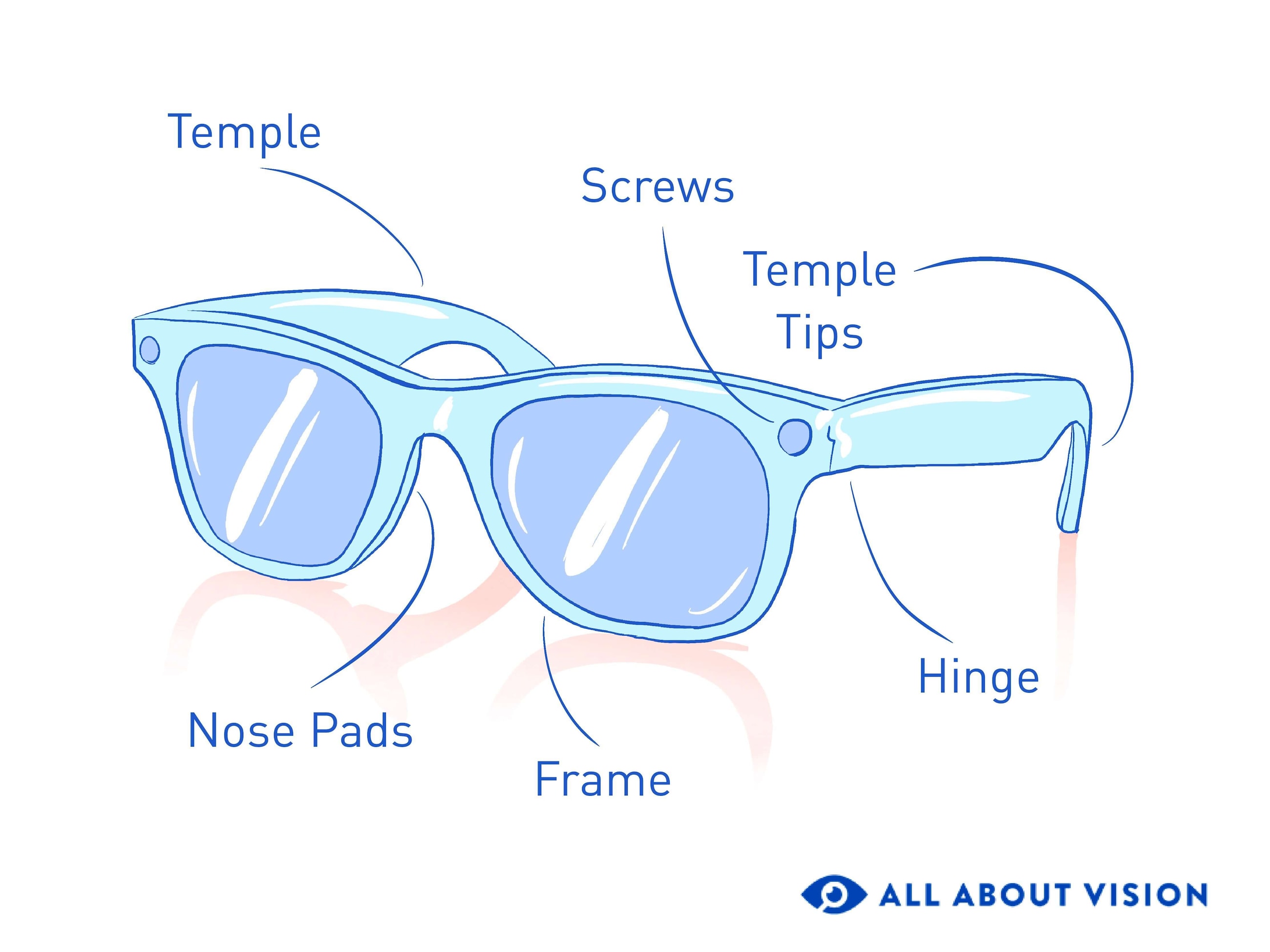
Before we talk about materials, let’s break down the main parts of sunglasses:
- Lenses – These cover your eyes and block or filter light.
- Frames – They hold the lenses in place and sit on your face.
- Nose Pads – These rest on your nose to keep the glasses comfortable.
- Temples – The “arms” that go over your ears.
- Hinges – Where the temples fold in and out.
- Screws and Small Parts – Tiny pieces that hold everything together.
Each part can be made from different materials, and each choice has its own advantages.
What Are Sunglass Lenses Made Of?
Let’s start with the most important part: the lenses. The material here decides how clear your vision is, how safe your eyes are, and how heavy your glasses feel.
Plastic Lenses
Plastic is the most common material for sunglass lenses today. But not all plastic is the same.
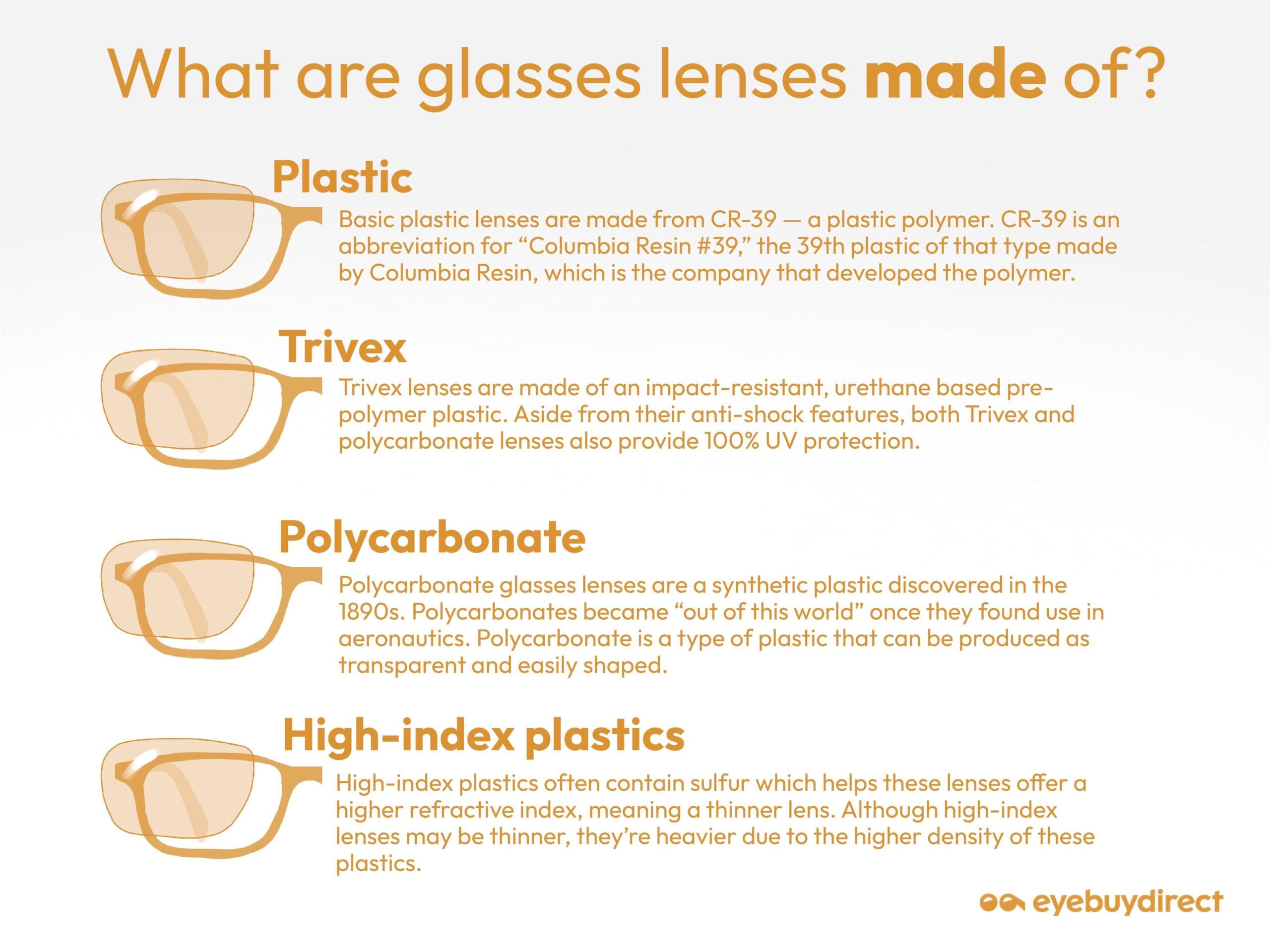
Polycarbonate
Polycarbonate is light and very strong. It’s used in sports sunglasses and for kids because it does not break easily. If you play sports or move a lot, polycarbonate is a safe choice. These lenses also block 100% of UV rays, so your eyes are safe.
Cr-39
CR-39 is another popular plastic. It is a bit heavier than polycarbonate but gives clearer vision for many people. CR-39 lenses are less expensive than glass, and they are still quite strong for daily use. One thing to watch out for: CR-39 can scratch more easily than polycarbonate.
Trivex
Trivex is newer and similar to polycarbonate. It is light, strong, and gives even clearer vision. It’s a bit more expensive, but many eye doctors recommend Trivex for people who want both safety and sharp vision.
Glass Lenses
Glass lenses give the best clarity. Everything looks crisp and sharp. They also resist scratches better than plastic. But glass is heavier, and if you drop your sunglasses, glass can break or chip. That’s why glass is less common today, but some high-end brands still use it.
Other Lens Materials
Some brands use special plastic blends or add coatings to improve the lenses. For example, some lenses have a polarized coating that cuts glare, or a mirror coating that reflects extra light.
Lens Material Comparison
Here’s a simple table to compare the main lens materials:
| Material | Weight | Clarity | Durability | Scratch Resistance | UV Protection |
|---|---|---|---|---|---|
| Polycarbonate | Very light | Good | High | Medium | Excellent |
| CR-39 | Light | Very good | Medium | Low | Excellent |
| Trivex | Very light | Excellent | High | Medium | Excellent |
| Glass | Heavy | Best | Low | High | Excellent |
Non-obvious Insights For Lenses
- Not all “plastic” lenses are equal. Polycarbonate and Trivex are much safer for sports and kids than regular CR-39.
- Glass lenses, while clearer, can be a safety risk if you fall or get hit in the face.
Lens Coatings And Treatments
The lens material is just the start. Most sunglasses also have special coatings or treatments.
Polarized Coating
A polarized coating is a thin film that cuts glare from water, roads, or snow. This is great if you drive a lot or spend time on boats. Polarized lenses make everything more comfortable for your eyes.
Uv Protection Coating
Many lenses have a UV protection coating. This stops dangerous ultraviolet rays from reaching your eyes. Always check for 100% UV protection. If your sunglasses do not block UV, they are not protecting your eyes.
Mirror Coating
A mirror coating is a shiny layer on the outside of the lens. It reflects more sunlight away, keeping your eyes cool and hidden from view. This is popular in sports or fashion sunglasses.
Scratch-resistant Coating
Plastic lenses scratch more easily than glass. A scratch-resistant coating helps protect them, but no coating makes lenses completely scratch-proof. Always keep your sunglasses in a case when you are not wearing them.
Hydrophobic And Oleophobic Coatings
These special coatings make your lenses resist water and oil. This means sweat, rain, or fingerprints wipe off more easily. It’s a nice touch for people who use sunglasses outdoors a lot.
What Are Sunglass Frames Made Of?
Now, let’s talk about the frames. The frame is what you feel on your face, so the material here affects comfort, style, and strength.
Plastic Frames
Plastic frames are light and can come in many colors and shapes. There are several main types of plastic used:
Acetate
Acetate is made from plant fibers. It is strong, flexible, and feels smooth on your skin. Acetate frames can be made in many colors and patterns, from tortoiseshell to clear. They are a favorite for fashion sunglasses.
Injection-molded Plastic
This is the most common and cheapest type. Frames are made in a mold, so they can be made quickly and for less money. These frames are light but often less strong than acetate or metal.
Nylon
Nylon frames are very strong and flexible. They are used for sports and performance sunglasses because they can bend without breaking. Nylon frames are also resistant to heat and chemicals.
Metal Frames
Metal frames are classic and often look more serious or professional. There are several types of metal you might see:
Monel
Monel is a mix of metals (nickel and copper). It is strong, resists corrosion, and is easy to shape. Monel is used in many mid-priced sunglasses.
Stainless Steel
Stainless steel is light, does not rust, and is hypoallergenic (good for sensitive skin). Stainless steel frames are common in both fashion and sport sunglasses.
Aluminum
Aluminum frames are light and strong, but they can bend if you are not careful. They are not as flexible as stainless steel or titanium.
Titanium
Titanium is the high-end choice. It is light, super strong, and does not rust. It is also hypoallergenic. Titanium frames cost more but last longer and feel almost weightless.
Other Frame Materials
Some brands use wood, bamboo, or even recycled materials for their frames. These are usually for fashion or to show care for the environment. Wood frames look unique but may not last as long as plastic or metal.
Frame Material Comparison
Here is a table to compare the main frame materials:
| Material | Weight | Strength | Flexibility | Common Use | Special Notes |
|---|---|---|---|---|---|
| Acetate | Light | High | Medium | Fashion | Many colors |
| Injection-Molded Plastic | Very light | Low | Low | Budget | Less durable |
| Nylon | Very light | High | High | Sports | Flexible |
| Monel | Light | Medium | Medium | Everyday | May cause allergies |
| Stainless Steel | Light | High | Medium | All types | Rust-resistant |
| Aluminum | Very light | Medium | Low | Fashion | Can bend |
| Titanium | Ultra light | Very high | High | Premium | Hypoallergenic |
| Wood/Bamboo | Light | Low | Low | Fashion | Eco-friendly |
Non-obvious Insights For Frames
- Acetate frames can be adjusted for a better fit by gentle heating. Many people don’t know this and just live with loose sunglasses.
- Cheap injection-molded plastic frames can break easily in cold weather because plastic gets more brittle.
Nose Pads And Comfort Pieces
Not all sunglasses have nose pads, but when they do, the material matters.
Silicone Nose Pads
Silicone is soft, flexible, and does not slip easily. Silicone nose pads are comfortable for long wear and help keep your sunglasses from sliding down your nose, especially on hot days.
Rubber Nose Pads
Some sports sunglasses use rubber nose pads. These grip even better when you sweat. They are often used in high-performance sunglasses for running or cycling.
Hard Plastic Nose Pads
Some cheaper sunglasses use hard plastic. These can be slippery and less comfortable, especially if your skin is oily or you wear sunglasses all day.
Metal Nose Pads
A few old-fashioned sunglasses have metal pads. These are rare and not very comfortable for most people.
Special Comfort Features
Some brands add gel-filled or adjustable nose pads. These are great if you have a nose that is hard to fit or if you wear your sunglasses for many hours.

Credit: www.madehow.com
Hinges And Connecting Parts
Hinges let you fold the temples of your sunglasses. The quality here affects how long your sunglasses last.
Standard Hinges
Most sunglasses use small metal hinges, usually made from stainless steel or nickel alloys. These are strong and reliable, but if you open and close your sunglasses a lot, they can loosen over time.
Spring Hinges
Spring hinges have a tiny spring inside. They let the temples bend outwards and snap back. This makes sunglasses more comfortable for wide faces and helps them stay on during movement.
Plastic Hinges
Some cheap sunglasses use plastic hinges. These are not very strong and can break easily. You will mostly see them in low-cost or children’s sunglasses.
Screwless Hinges
A few modern sunglasses use screwless hinges. These snap together with clever shapes. They are less likely to loosen or break, but if they do, they can be hard to fix.
Hinge Material Comparison
Here’s a simple comparison:
| Hinge Type | Material | Durability | Comfort | Common Use |
|---|---|---|---|---|
| Standard | Metal | High | Medium | Most sunglasses |
| Spring | Metal with spring | Very high | High | Premium/flexible fit |
| Plastic | Plastic | Low | Low | Budget/children |
| Screwless | Metal/plastic | Medium | High | Modern/innovative |
Screws And Small Details
Tiny screws hold the hinges and sometimes the lenses in place. These are usually made from stainless steel or nickel-plated brass. High-quality sunglasses use screws that resist rust and do not loosen easily. Some designer sunglasses use gold or titanium screws, but this is rare.
Nose pad arms (the tiny sticks that hold the pads) are usually made from metal, often the same as the frame. On cheap sunglasses, these can bend out of shape, so better materials mean your sunglasses last longer.
Special Sunglass Materials
Some sunglasses use unique materials for style or special uses.
Wood And Bamboo
These are eco-friendly and look very different from normal sunglasses. They are light but can be less durable. Wood sunglasses need more care and do not handle water well.
Carbon Fiber
Carbon fiber is light, strong, and used in racing cars and planes. Sunglasses made from carbon fiber are very strong and stylish, but they cost more.
Recycled Materials
Some brands make sunglasses from recycled plastic or even old fishing nets. These sunglasses are good for the planet, and the quality can be quite good if made by a trusted brand.
Memory Metals
Some frames use memory metal. If you bend them, they snap back to their original shape. These are great if you are rough on your sunglasses or want them to last for years.
How Sunglass Materials Affect Your Eyes
The right materials do more than just look nice. They protect your eyes and make sunglasses comfortable to wear.
- Polycarbonate and Trivex lenses are best for sports and kids because they do not shatter.
- Glass lenses give the sharpest vision but are heavy and can break.
- Titanium frames are great if you have metal allergies.
- Acetate frames are good if you want color and style, and they can be adjusted to fit better.
How To Choose The Right Material For You
When you choose sunglasses, think about:
- How you will use them. For sports, get polycarbonate lenses and nylon frames. For style, try acetate or titanium.
- Your budget. Plastic frames and lenses cost less, but may not last as long.
- Your comfort. Light frames and silicone nose pads are best for long wear.
- Your eye health. Always look for 100% UV protection, no matter the material.
- Allergies or sensitive skin. Choose hypoallergenic materials like titanium or stainless steel.
Common Mistakes People Make
Many people pick sunglasses just for the look, but here are mistakes you should avoid:
- Ignoring UV protection. Cheap sunglasses can hurt your eyes more if they do not block UV.
- Picking the cheapest plastic frames. These can break easily and feel uncomfortable.
- Not checking lens material. Glass is clearer, but polycarbonate is safer for active use.
- Forgetting about nose pads and hinges. These small parts affect comfort and fit.
Environmental Impact Of Sunglass Materials
It is easy to forget that making sunglasses affects the planet. Some materials like acetate are better than others because they come from plants and can be recycled. Metal frames last longer and can also be recycled. Wood and bamboo are renewable, but need more care.
Recycled plastic sunglasses are a good choice if you care about the earth. Some brands now use old ocean plastic to make new frames. This keeps plastic waste out of landfills and oceans.
Caring For Different Materials
The right care will keep your sunglasses looking good and working well.
- Plastic and acetate frames: Clean with warm water and mild soap. Do not leave them in a hot car because heat can warp them.
- Metal frames: Wipe with a soft cloth. If they get wet, dry them to prevent rust.
- Wood frames: Use a dry cloth and keep them away from water.
- Lenses: Use a microfiber cloth and lens cleaner. Never use paper towels or your shirt.
Credit: www.allaboutvision.com
How Materials Affect Price
Sunglasses range from a few dollars to hundreds or even thousands. Why such a big difference? The materials are a big reason.
- Polycarbonate or CR-39 plastic: Cheaper, found in most sunglasses under $100.
- Glass or Trivex: Often $100–$250 because of better clarity and strength.
- Titanium, carbon fiber: Premium frames. You will usually pay $200 or more.
- Designer brands: Some use gold, wood, or unique materials, adding to the price.
But a higher price does not always mean better protection. Always check for 100% UV protection first.
How Technology Is Changing Sunglass Materials
New technology is always making sunglasses better. Some of the latest trends include:
- Photochromic lenses: These change from clear to dark in sunlight. The material reacts to UV rays.
- Blue light blocking: Some sunglasses add a filter to block blue light from screens.
- Eco-friendly materials: More brands are using recycled or plant-based plastics.
- 3D printing: Some companies now print custom frames from nylon or titanium, making sunglasses that fit perfectly.
The Science Behind Sunglass Materials
Let’s look at some science. Polycarbonate is used in airplane windows and CDs because it is so tough. Trivex was first made for military helicopter windshields. This shows how strong these materials are for your sunglasses.
Glass is made by melting sand at high heat. It gives the best clarity for your eyes, but is heavy and can shatter.
Acetate is made from cotton and wood fibers. This is why acetate frames can be colorful and are a bit flexible.
Statistics And Facts
- Over 90% of sunglasses sold today use plastic lenses (polycarbonate or CR-39).
- 80% of injuries from broken sunglasses happen with glass or cheap plastic lenses.
- The global sunglasses market was over $20 billion in 2023, with most growth in sports and eco-friendly sunglasses.
For more details on lens materials, see the Wikipedia Sunglasses Article.
Credit: www.eyebuydirect.com
Frequently Asked Questions
What Is The Safest Lens Material For Kids?
Polycarbonate is the safest because it does not shatter, even if dropped or hit. It also blocks 100% of UV rays.
How Can I Tell If My Sunglasses Have Uv Protection?
Look for a label or marking that says “100% UV protection” or “UV400. ” If you do not see this, the sunglasses may not protect your eyes.
What Material Is Best For People With Metal Allergies?
Titanium and stainless steel are hypoallergenic and do not cause skin reactions. Some plastic frames are also safe.
Are Wooden Sunglasses Durable?
Wooden sunglasses can last a long time if cared for, but they are less water-resistant and can break more easily than plastic or metal frames.
Is Glass Or Plastic Better For Lenses?
Glass gives the sharpest vision and resists scratches, but is heavy and can break. Plastic is lighter and safer for sports or kids, but can scratch more easily.
Sunglasses are more than just a fashion accessory. The materials used in every part—from the lenses to the frames—affect how well they work, how long they last, and how safe they are for your eyes. By understanding what sunglasses are made of, you can make smarter choices and protect your vision for years to come.
Whether you want the clearest view, the toughest frame, or the most eco-friendly option, now you know exactly what to look for.

Madison Clark is a footwear expert and the voice behind MyStyleGrid.com. She specializes in honest shoe reviews, style tips, and practical guides to help readers find the perfect pair for any occasion. With years of experience in blogging and content creation, Madison makes footwear knowledge simple, stylish, and easy to follow.