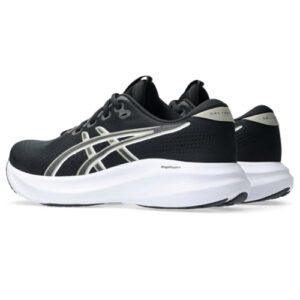
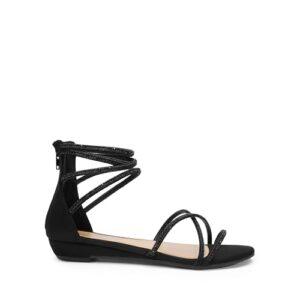
Wear thicker socks, adjust lacing, add ankle pads or heel grips, and stretch or break boots in slowly.
I’ve helped dozens of friends and clients calm raw ankles and keep favorite boots in rotation. This guide explains exactly how to fix boots that hurt your ankles, step by step. You’ll get quick fixes for same-day relief, reliable adjustments to improve fit, DIY modifications, and clear signs when it’s time to see a pro. I draw on hands-on experience with different boot types and practical tips that work for hiking, work, and fashion boots.

Understanding why boots hurt your ankles
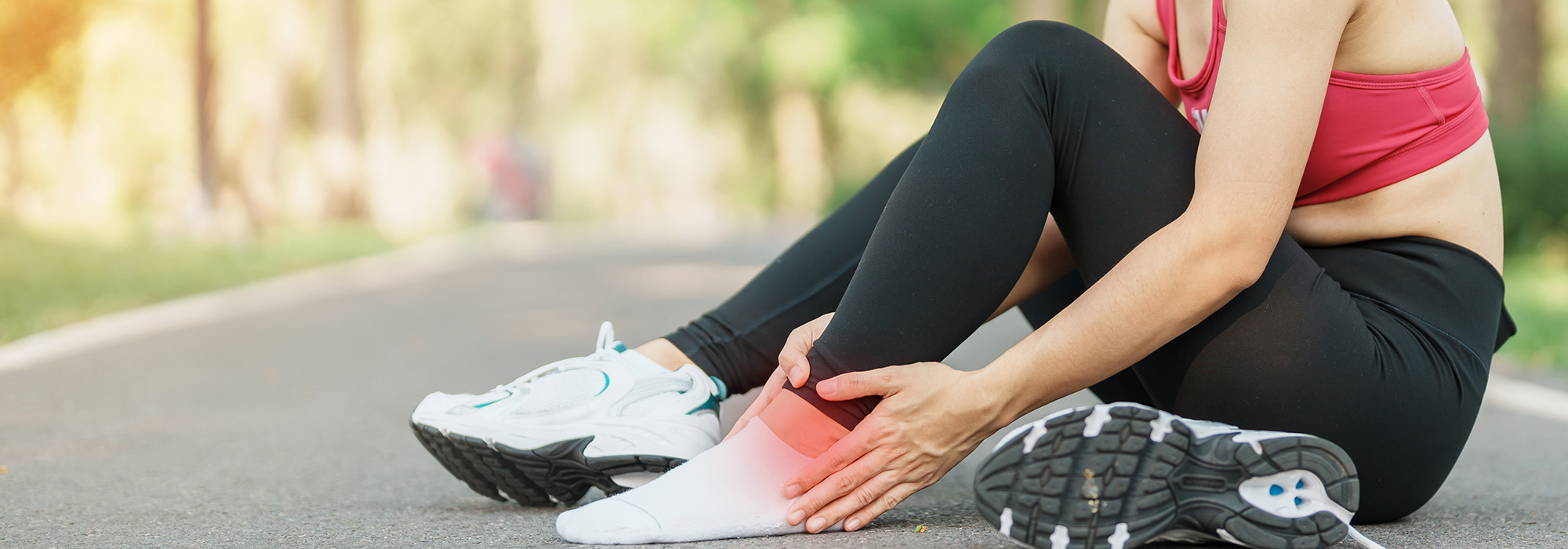
Boots that rub or dig into your ankle cause pain for a few common reasons. The boot’s collar may be too stiff, the last (foot-shaped form) may not match your anatomy, or the boot might sit too high or low on your ankle bone. Improper lacing, thin or worn socks, and swelling after activity also contribute to friction and pressure.
Knowing the cause makes it easier to fix the problem. If you ask how to fix boots that hurt your ankles, start by inspecting fit and pressure points. Simple checks will tell you whether the solution is padding, reshaping, or a different size.

Quick fixes for immediate relief
These fast steps help when you need immediate comfort.
- Wear thicker or double socks to add cushion and reduce friction.
- Use heel grips or ankle pads to stop rubbing and lift the foot slightly.
- Apply blister tape, moleskin, or silicone gel pads directly to the sore spot.
- Loosen or change lacing pattern to reduce pressure on the ankle bone.
- Take short breaks from wearing the boots and ice the area if it’s swollen.
If you want same-day results, combine socks plus a gel pad. That gives padding and reduces shear so you can keep moving while working on longer-term fixes.

How to adjust fit and lacing to stop ankle pain
Adjusting how a boot fits often solves ankle pain without modifying the boot itself. Follow these steps to learn how to fix boots that hurt your ankles by changing fit.
- Check correct size and width first. Boots that are too long or narrow cause foot slide and increased ankle friction.
- Use alternative lacing techniques to reposition pressure. Try gap lacing to relieve a tight collar or heel-lock lacing to prevent slipping.
- Add an insole or orthotic to raise the foot slightly and change how the ankle contacts the boot.
- Replace worn insoles or add a stiffer one to reduce internal movement.
- Try a thicker sock or compression sleeve for ankle support that also fills small gaps.
Small changes in lacing and insoles can turn painful boots into shoes you can wear all day. Test each change for a day before moving to a more permanent fix.

Modifying boots: padding, stretching, and reshaping
When adjustments aren’t enough, modifying the boot can help. These options work for leather, synthetic, and lined boots.
- Use adhesive ankle pads or foam strips to cover the collar inside. They are cheap and reversible.
- Stretch the boot collar slightly with a handheld steamer or by wearing thick socks and walking. For leather boots, a shoe stretcher with a collar attachment works well.
- Soften stiff leather with a leather conditioner to reduce harsh edges. Condition carefully to avoid weakening the material.
- For stubborn pressure points, take boots to a cobbler for targeted stretching or reshaping. Cobblers can add padding or alter the collar professionally.
- Replace sharp or worn lining that creates hot spots. New lining can stop ongoing rubbing.
Modifying boots takes time and may void warranties, so weigh the cost and risk before permanent changes. For expensive or sentimental boots, professional work is often worth it.

Preventing ankle pain in future boots
Prevention is the easiest way to avoid repeating the problem. Here are smart buying and care habits.
- Try boots on at the end of the day when feet are slightly swollen to get a realistic fit.
- Walk at least 10–15 minutes in new boots with the socks you plan to wear. This helps identify rubbing early.
- Choose boots with a padded collar or softer materials around the ankle if you’re prone to sensitivity.
- Rotate shoes daily to avoid prolonged pressure in the same spot.
- Keep boots clean and conditioned so materials remain supple and less likely to rub.
Buy with care and test early. Preventing ankle pain avoids blisters, long-term discomfort, and expensive repairs.
Tools, materials, and simple supplies to keep on hand
A small kit makes it easy to fix boots that hurt your ankles whenever pain starts.
- Moleskin or blister patches for immediate protection.
- Gel ankle pads and heel grips to reduce movement and cushion the ankle bone.
- Extra insoles and a thin orthotic that can lift or support the arch.
- Leather conditioner and a handheld steamer for leather boots.
- Shoe stretcher and collar attachment for targeted stretching.
- Strong tape and basic sewing kit for temporary internal lining repairs.
Carry a pair of blister patches and thicker socks on long walks or hikes. These small items can save a day from ruined boots.

When to see a cobbler or medical professional
Some problems are best handled by experts. Seek professional help when needed.
- Take boots to a cobbler if padding, stretching, or lining replacement is required. Cobbler work often lasts longer than DIY fixes.
- See a podiatrist if you have recurring ankle pain, persistent swelling, or changes in gait. Underlying foot mechanics can cause pressure that no boot fix will fully solve.
- Visit a medical professional if you notice bruising, deep blisters, open wounds, or signs of infection.
Professional attention can prevent chronic issues and make boots safe for regular wear.
Personal experience, lessons learned, and practical tips
I once wore new leather work boots for a week without proper testing. My ankles were raw after the first long shift. I used double socks and adhesive ankle pads that night. Then I conditioned the leather, used a stretcher on the collar, and had a cobbler add soft lining. Within a few days the boots stopped hurting.
Lessons I learned:
- Don’t assume new boots break in instantly; break them in gradually.
- Always test boots with the socks you plan to wear.
- Start with non-permanent fixes before committing to stretching or permanent alterations.
These simple steps saved a favorite pair from the donate pile and kept my feet healthy.
Common causes and how each one changes the fix
Understanding cause helps choose the right fix for how to fix boots that hurt your ankles.
- Stiff collar or raw edge: add padding, soften leather, or have lining replaced.
- Too tight around the ankle: use gap or alternate lacing, or stretch the collar.
- Heel slip leading to rubbing: try heel grips or a snugger lacing pattern.
- Boot sits on the ankle bone: change boot height or add internal padding to redistribute pressure.
- Foot swelling during activity: use breathable materials and consider a slightly roomier fit.
Match the fix to the root cause. A mismatch wastes time and could make pain worse.
Simple daily routine to prevent and treat ankle pain from boots
A short routine keeps ankle pain at bay and boots comfortable.
- Inspect boots for worn lining or sharp edges before use.
- Put on proper socks and test the fit; walk five minutes to check for hotspots.
- If you feel rub, apply a blister patch or ankle pad immediately.
- After wearing, air out boots and check skin for redness or blisters.
- Treat any blister or sore with proper first-aid and rest the area.
This routine is quick and prevents small problems from becoming big ones. It’s a practical way to avoid constant searching for how to fix boots that hurt your ankles.
2–3 quick PAA-style questions answered
What causes boots to rub my ankle only after long walks?
- Prolonged activity leads to swelling and increased friction, especially with thin socks or slight internal movement. Adding padding and using a snug lacing method usually helps.
Can I stretch just the top of a boot without changing the whole fit?
- Yes, targeted collar stretching or using a boot stretcher with a collar attachment can loosen the specific area around the ankle without altering toe fit.
Are some materials better for sensitive ankles?
- Soft leather and padded synthetic collars reduce friction. Avoid stiff, untreated leathers without added lining if you have sensitive skin.
Frequently Asked Questions of how to fix boots that hurt your ankles
How can I tell if my boots are the wrong size or just need breaking in?
If toes hit the front or the boot slips badly at the heel, it’s likely the wrong size. Minor rubbing often improves after a short break-in period with padding and socks.
Will stretching a leather boot damage it?
When done properly, targeted stretching and conditioning are safe for leather. Overdoing it or using harsh chemicals can weaken leather, so proceed carefully or hire a cobbler.
Can insoles fix ankle pain?
Insoles can change foot position and reduce internal movement, which often eases ankle rubbing. They help most when the cause is foot slide or poor arch support.
Are heel grips a permanent solution?
Heel grips provide a simple, semi-permanent fix for slipping and resulting ankle rub. They wear out over time and may need replacement but won’t harm the boot.
When should I stop wearing boots that hurt my ankles?
Stop wearing them if you get open blisters, severe pain, or signs of infection. Persistent pain after multiple fixes means you should see a podiatrist or replace the boots.
Final thoughts and next steps
Painful ankles don’t have to mean giving up your favorite boots. Start with quick padding and lacing changes, then move to targeted stretching or professional cobbler work if needed. Test solutions one at a time, and keep a small repair kit handy for hikes and long days.
Take action today: try a new lacing pattern or add a gel ankle pad the next time you wear those boots. If you found these tips helpful, subscribe for more footwear care advice or leave a comment with your boot type and pain point so I can offer a tailored fix.

Rubel Miah is the Senior Editor at MyStyleGrid.com, where he brings a sharp editorial eye and an unshakable love for fashion to everything he does. A true style addict, Rubel lives and breathes trends, from streetwear to high fashion, and has a knack for turning inspiration into impactful stories. With years of experience in fashion journalism and digital media, he curates content that empowers readers to express themselves through style. When he’s not editing features or forecasting the next big thing, you’ll find him hunting down vintage pieces or capturing street style moments around the city.