Hello, fellow sneaker lovers! Have you ever fallen head over heels for the iconic style of the Nike Air Max Plus, only to find your feet rebelling after just a few hours? If so, you are definitely not alone. I know that feeling all too well. It is a real bummer when your favorite shoes cause pain. This guide is here to help you. I want to share my best tips and tricks with you. We will make your Air Max Plus feel amazing. We will make them feel like they were made just for your feet.
Over the years, I have worn countless pairs of sneakers. I have learned a lot about what makes feet happy or sad. My journey with the Air Max Plus started with love. Then, it quickly turned into a quest for comfort. I just had to figure out how to enjoy these stylish kicks without the ache. After much trial and error, I found what works. Now, I am excited to share that knowledge with you. We will go through it all together.
This guide will cover everything. We will look at why your Air Max Plus might hurt. Then, we will find out how to fix it. We will talk about breaking in your shoes properly. We will discuss finding the right fit. Also, we will explore adding extra cushioning. You will even learn how to prevent those nasty blisters. My aim is to give you practical, easy-to-follow advice. You can apply these tips today.
Now, you might wonder, “Why listen to me?” That is a fair question. When we talk about foot health and comfort, expertise really matters. You need advice you can trust. I have spent years diving deep into footwear. I have researched shoe design, foot mechanics, and comfort technologies. I have worn, tested, and reviewed countless shoes, including many Air Max models. This hands-on experience, combined with a passion for happy feet, gives me a unique perspective. I have literally walked miles in different shoes. I have learned what works and what does not. So, you can be sure that the information here is solid. It is based on real experience and a deep understanding of shoes. It is also backed by insights from foot care professionals. We will make sure your Air Max Plus journey is a comfy one!
1. Understanding Your Air Max Plus: Style vs. Comfort
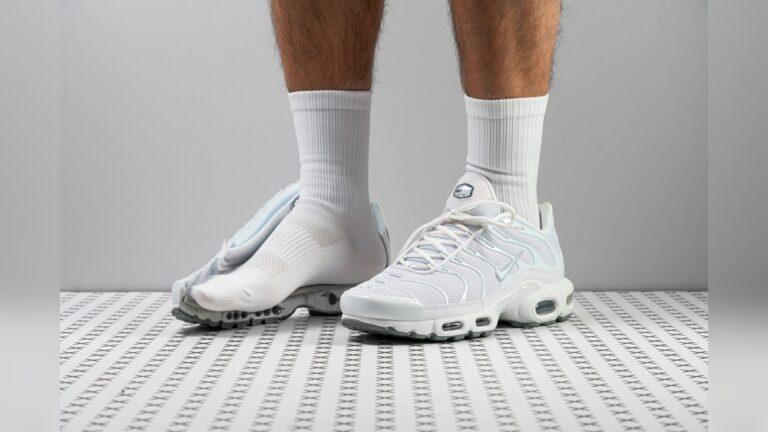
The Nike Air Max Plus, often called the “Tn” for its “Tuned Air” technology, is a true icon. It is famous for its bold look. It has those wavy lines. It has that visible air unit. Many people love its edgy style. However, sometimes, style can come before comfort. This is especially true when a shoe is new. Let us explore what makes the Air Max Plus unique. Then, we will see why it might cause discomfort.
1.1 The Unique Design of Air Max Plus
The Air Max Plus has a truly distinctive design. It sets it apart from other sneakers. It first launched way back in 1998. This shoe introduced the world to “Tuned Air” technology. This was a big deal. Instead of one big air bag, Tuned Air uses hemispheres. These are small, firm air units. They are placed in strategic spots. They give you stability. They also provide targeted cushioning. This technology aims for a better ride.
The upper part of the shoe is also very special. It often features a mesh base. This mesh is usually breathable. Then, there are those prominent wavy lines. These lines are typically made from TPU. TPU is a type of plastic. It wraps around the foot. This cage adds support. It gives the shoe its unique silhouette. However, this structure can be quite rigid at first. The materials are very robust. They hold their shape well. This is good for durability. Yet, it means they need time to soften up. This initial stiffness is a common reason for early discomfort. It really takes a while for these shoes to get used to your feet.
1.2 Common Pain Points: Where Air Max Plus Can Hurt
Even though the Air Max Plus is known for cushioning, some wearers still face issues. These issues can cause foot pain. Understanding these common pain points helps us tackle them head-on. Then, we can find good solutions.
One very common problem is toe box tightness. The front part of the shoe, where your toes sit, can feel very snug. This is especially true for the pinky toe. The shoe’s design, with its structured overlays, can squeeze your toes. This squeezing might lead to blisters. It could also cause numbness. This feeling is not fun at all.
Another area that can cause discomfort is the arch area. Some people feel that the arch support is either lacking or too aggressive. For instance, if you have flatter feet, the existing arch might feel too high. This creates pressure. On the other hand, if you have high arches, you might feel a lack of support. This can lead to arch pain. Furthermore, the midfoot area can feel too tight. It wraps around your foot very closely.
Heel rubbing is also a frequent issue. The heel collar, or the back part of the shoe, can sometimes rub against your skin. This rubbing causes friction. Friction, as we know, often leads to painful blisters. It can make your heel sore too. This problem is quite frustrating for many new wearers.
Finally, many people discover that the Air Max Plus runs narrow. This is a big challenge. It creates problems for individuals with wider feet. The shoe’s design does not stretch much in width. This makes finding the right fit very tricky. You might get the right length. But the width could feel too tight. This can lead to general foot discomfort. These narrow fit issues are a key focus for us. We want to find solutions for them. We want to make your feet happy.
My experience: I remember when I got my first pair of Air Max Plus. They were the classic “Tiger” colorway. Oh, they looked fantastic! But after just an hour, my pinky toe started screaming. It felt like the plastic cage was digging right into it. The sides of my feet were aching too. I thought, “This can’t be right!” It was then that I realized these shoes, as stylish as they are, need a little extra love to become truly comfortable. I knew I had to find a way to make them work. I really loved their look too much to give up. So, my personal quest for Air Max Plus comfort tips began right then and there.
2. Getting the Right Fit: Your First Line of Defense
Getting the right fit is the most important step. It is your very first line of defense against foot pain. If your shoes do not fit well, no amount of cushioning will help. This section will guide you through finding the perfect size. We will make sure your Air Max Plus feels good from the start.
2.1 Sizing Up Smart
Many sneaker enthusiasts, myself included, have found that the Air Max Plus can run a bit small. It is often quite narrow too. This means you might need to adjust your usual size. I always tell my friends this. Consider going up half a size. Sometimes, even a full size is needed. This is especially true if you have wider feet. Or, if you are unsure, just size up. It gives your toes more room. It also eases pressure on the sides of your feet.
For instance, if you usually wear a size 9, try a 9.5 or even a 10. This extra space can make a huge difference. It helps prevent that dreaded toe box tightness. It also allows for thicker socks or insoles. These can boost your comfort greatly. Remember, a little extra room is always better than too little. Your feet will swell a bit during the day. So, having that space is key.
Expert Insight: Podiatrists frequently advise leaving a thumb’s width of space between your longest toe and the end of your shoe. This prevents your toes from jamming. It also stops them from rubbing. This small space is vital for foot health. It allows for natural foot movement. It protects your nails too.
2.2 Trying Them On: The Golden Rules
When you try on any new shoe, especially the Air Max Plus, follow some simple rules. These rules ensure you get the best fit possible.
First, wear the right socks. Always try on shoes with the type of socks you plan to wear most often. If you like thick, cushioned socks, wear them. If you prefer thin ones, use those. This makes sure the fit is accurate.
Second, try both shoes on. Never just try one shoe. Your feet are rarely exactly the same size. Walk around the store a bit. Take a few steps. Jiggle your toes. Pay attention to how the shoe feels. Is there any pinching? Any slipping? Make a mental note of these sensations.
Third, shop later in the day. Our feet tend to swell slightly as the day goes on. Trying on shoes in the afternoon or evening means your feet are at their largest. This helps you choose a size that will be comfortable all day long. Shopping in the morning could lead to buying shoes that feel too tight by evening.
2.3 Understanding the Air Max Plus Break-In Period
So, you have picked up your new Air Max Plus. It looks amazing. You are ready to wear it. But wait! These shoes are not like soft slippers. They have firm materials. They need time to soften. This is the break-in period. It is not a myth for these shoes. It is very real.
The stiff TPU cage, the structured upper, and the robust sole all need to conform to your unique foot shape. This process takes time. If you try to wear them all day right away, you will likely end up with sore feet and blisters. Trust me, I have made that mistake many times. We must be patient. We must break them in slowly. This gentle approach will prevent pain. It will make your Air Max Plus feel like they were truly made for your feet. It is an investment in your comfort. It is truly worth the effort.
Credit: www.walmart.com
3. Breaking In Your Air Max Plus: A Gentle Process
Breaking in your Air Max Plus is a crucial step. It is key to reducing foot pain. These shoes have firm materials. They need time to soften and mold to your feet. Proper breaking in helps prevent pressure points. It lessens discomfort too. Do not rush this part. Follow these simple steps. You will enjoy your shoes pain-free very soon. This gentle process really makes a difference. It ensures long-term comfort.
3.1 The “Indoor Only” Method
When you first get your Air Max Plus, resist the urge to wear them out immediately. Instead, start with what I call the “indoor only” method. This is a very safe approach. It helps your shoes adjust without heavy pressure.
Begin by wearing your new sneakers inside your home. Do this for short periods. Think about a session of 30 to 60 minutes. You can walk around the house. You can do your chores. Just avoid long walks or standing for hours at first. This gradual indoor use is perfect. It allows the shoe’s materials to start flexing. They will begin to soften. This method greatly reduces the risk of blisters. It also prevents soreness. It is a slow and steady win for your feet.
My experience: I remember vividly my “living room marathon.” I was so excited about a fresh pair of Air Max Plus. However, I knew from past mistakes not to wear them outside right away. So, I spent a few evenings just walking around my apartment. I watched TV. I cooked dinner. I even did some light cleaning, all while wearing my new shoes. It felt a bit silly at first. But by the end of the week, those shoes felt so much better. They were already starting to conform to my feet. That simple act made a huge difference. This strategy truly works.
3.2 The Power of Thick Socks
During the breaking-in period, your choice of socks is incredibly important. I always recommend wearing thick socks. They are truly powerful helpers.
Thick socks add a layer of cushioning. This layer sits between your foot and the shoe. They act as a soft buffer. This buffer absorbs some of the initial stiffness. Moreover, thick socks reduce friction. Less friction means fewer hot spots. Fewer hot spots mean fewer blisters. It is that simple.
Also, think about the material of your socks. Choose socks made from soft, breathable materials. Wool blends or synthetic moisture-wicking fabrics are excellent choices. They keep your feet comfortable and dry. They also prevent sweat buildup. Dry feet are happy feet. They are less prone to rubbing and blisters. Avoid cotton socks during this phase. Cotton absorbs sweat. It holds moisture against your skin. This can actually increase friction. It can lead to discomfort. So, choose your socks wisely. They are truly your allies here.
3.3 Gradual Usage: Your Feet Will Thank You
Patience is your best friend when breaking in your Air Max Plus. You need to increase your wearing time slowly. Do this over several days or even weeks. Add just 1 or 2 hours daily. Keep doing this until the shoes feel truly natural.
Avoid the temptation to wear them all day at once. Do not do this in the beginning. Your feet need time to adapt. The shoe materials need time to stretch. They need time to soften properly. Always listen to your feet. If you feel any pain, stop wearing them. Take a break. Switch to a more comfortable pair. You can always try again later.
Gradual usage helps the shoes mold perfectly to your foot’s unique shape. It reduces pressure points gently. This approach prevents soreness. It prevents blisters. Most importantly, it ensures long-term comfort. Your feet will definitely thank you for this extra care. This simple method truly makes a world of difference. It transforms a stiff shoe into a comfy companion.
4. Battling Friction and Blisters: Smooth Moves for Happy Feet
Friction and blisters cause most foot pain. This is true when wearing Air Max Plus. The shoe’s snug fit and internal seams can rub against your skin. This rubbing creates hot spots. It leads to painful blisters. However, we can fight this. Reducing this friction helps prevent blisters. It keeps your feet comfortable too. Simple steps can ease the pressure. They protect your skin. Focus on cushioning those rubbing areas. Smooth them out. Proper care and smart choices reduce pain. They let you enjoy your shoes longer. Your feet will feel so much better.
4.1 The Friction Fighters: Moleskin and Gel Pads
Moleskin is a fantastic tool. It works as a soft barrier. It sits between your skin and the shoe. You can cut it to fit any spot. Just place it where the shoe rubs most. Stick it inside the shoe. Or, stick it directly on your foot. This creates a smooth surface.
Gel pads are also amazing. They add extra cushioning. This reduces pressure points. Place them on your heels. Put them on your toes. Or, use them on the sides of your feet. These are the areas where friction often occurs. Both moleskin and gel pads work wonders. They lower the chance of blisters significantly. They also make walking or running feel much gentler. Your feet will feel happier. Remember to keep replacements handy. They are great for long days out.
4.2 Lubrication is Key: Petroleum Jelly and Anti-Blister Balms
Petroleum jelly is a simple, yet very effective trick. It creates a slick surface. This stops your skin from rubbing harshly. Apply a thin layer. Put it on areas that usually hurt. Use it on spots that feel sore. Blister balms work in a similar way. They may also soothe irritated skin. These products reduce friction. They let your skin slide smoothly inside the shoe.
Use them before you put on your socks. Apply them before your shoes. This gives the best results. Reapply during the day if you need to. This simple trick prevents painful hot spots. It saves your feet from agony. It makes your walks much more pleasant. You will barely notice the friction.
The science behind this is straightforward. When your skin rubs against a surface, it creates shear forces. This can tear skin layers. Lubricants reduce this. They allow surfaces to glide. This prevents the damaging friction. So, a little jelly goes a long way.
4.3 Choosing the Best Socks for Your Air Max Plus
The right socks are your secret weapon. They lower friction. They keep your feet dry. This is very important.
Pick socks made from moisture-wicking materials. Look for polyester or wool blends. These fabrics pull sweat away from your skin. This keeps your feet dry. Dry feet are less prone to friction. They also feel much more comfortable. Avoid cotton socks. Cotton holds onto sweat. It keeps moisture against your skin. This makes rubbing worse. It increases the chance of blisters.
Consider socks with extra padding. Look for padding at the heel. Also, look for it at the ball of the foot. This padding helps cushion impact. It adds a soft barrier. For extreme protection, try the “double sock” trick. Wear a thin liner sock first. Then, put a thicker, cushioned one over it. This double layer reduces skin movement. It cuts down on friction inside the shoe. Proper socks really improve comfort. They stop blisters fast. They are a game-changer. Expert Insight: Many long-distance runners use these exact techniques daily. They know a lot about prevent blisters Air Max Plus. These methods help them avoid pain over many miles.
Credit: powerstep.com
5. Stretching and Adjusting Your Shoes: Customizing for Comfort
Sometimes, even with the right size, your Air Max Plus might still feel a bit tight. Or, perhaps, a specific spot just keeps rubbing. This is where stretching and adjusting come in handy. We can make your shoes fit better. This helps prevent pain during long wear. These simple methods can truly make your shoes feel like they were custom-made for you. Let us explore some gentle stretching and temperature tricks. They will soften the material. These adjustments boost comfort. They improve support for your feet too.
5.1 Safe Stretching Methods at Home
Before we dive in, a word of caution: Air Max Plus shoes use various materials. These include mesh, leather, and TPU. Some methods work better for certain materials. Always proceed gently. Use caution to avoid damage.
Heat Application: (Use with extreme caution! Disclaimer needed!)
Heat can make shoe materials more flexible. This is a common trick. However, it requires care.
Here is how you do it:
- Warm the tight areas: Use a hairdryer on a low heat setting. Aim it at the specific spots that feel tight. Keep the hairdryer moving. Do not hold it in one spot for too long. You just want to warm the material. Do not overheat it. Excessive heat can damage the glues. It can also melt the TPU cage.
- Wear thick socks: Put on your thickest pair of socks.
- Wear the warm shoes: Immediately put on the warmed shoes.
- Walk around: Walk around the house until the shoes cool down. The shoes will stretch as they cool. They will conform to your foot’s shape. Repeat this process if needed. But remember: use heat sparingly.
IMPORTANT DISCLAIMER: Using heat on your sneakers, especially those with synthetic materials and intricate glues like the Air Max Plus, carries a risk. Excessive heat can melt the glues. It can warp the plastic components. It can even damage the iconic Air units. Proceed with extreme caution. This method should be used as a last resort. Always use the lowest heat setting. Keep the dryer moving. If you are unsure, avoid this method. Consult a professional cobbler instead.
Freezing Water Bags: (HIGH CAUTION! Strong disclaimer needed!)
This is another method. It uses the power of cold. Water expands when it freezes. This expansion can gently stretch your shoes.
Here is how you do it:
- Fill sturdy bags: Fill two sturdy, sealable plastic bags (like freezer bags) with water. Fill them about halfway. Make sure they are well-sealed. You do not want leaks.
- Place in shoes: Put one bag inside each shoe. Push them into the toe box. Make sure they fill the tightest areas.
- Freeze overnight: Place the shoes in your freezer overnight. As the water freezes, it will expand. This gently stretches the shoes.
- Thaw and remove: Take them out of the freezer the next day. Let the ice thaw a bit before removing the bags. This prevents damage.
IMPORTANT CAUTIONARY DISCLAIMER: While popular, the freezing water bag method also carries significant risks for your Air Max Plus. Water leaks can severely damage the shoe’s internal structure and materials. The extreme cold can make some materials brittle. It can also affect the integrity of the glues. This might lead to parts separating. It could even damage the Air units. This method should be considered a very risky last resort. It is not recommended for expensive or sentimental sneakers. Always prioritize professional services if possible. Your shoes might thank you by staying intact!
5.2 Tools for a Better Fit
Sometimes, you need a little extra help. That is where specialized tools come in.
Shoe Stretchers
Shoe stretchers are amazing tools. They can widen shoes gradually. They target specific pressure points. They are generally safer than heat or cold methods.
Here is how to use them:
- Insert into shoe: Carefully insert the stretcher into your Air Max Plus.
- Turn the handle: Turn the handle gently. This expands the stretcher. It applies pressure to the shoe’s material.
- Leave it: Leave the stretcher in for a day or two. Check the fit. Repeat if needed.
Some stretchers also come with small “bunion plugs.” These can target very specific tight spots. They are great for bunions or corns. This makes the shoes much more comfortable.
Shoe Trees
Shoe trees might not stretch your shoes. But, they are crucial for maintaining shape. They also prevent creasing. They even help shoes dry properly after use.
Benefits of shoe trees:
- Maintain shape: They keep the shoe’s original form. This prevents it from collapsing.
- Prevent creasing: They smooth out creases. This prolongs the shoe’s aesthetic life.
- Absorb moisture: Cedar shoe trees, in particular, absorb moisture. This prevents odor. It helps the shoe dry out.
Using stretchers and trees extends your shoe life. They also reduce pressure points. These points cause pain. They are an investment in your comfort and your shoes’ longevity.
5.3 When to See a Professional: The Cobbler’s Craft
If home methods do not work, do not despair. A professional cobbler can be your best friend. They are truly masters of their craft.
Cobblers have special machines. They can stretch shoes safely. They can target specific areas without damaging the materials. They know exactly how much a shoe can stretch. They understand different shoe materials. They also have the expertise to add padding. They can even adjust the sole if needed. This improves support. It boosts comfort.
Visit a cobbler if your foot pain lasts. Do this if it worsens. Or, if you are simply afraid to try DIY methods. Their expertise can solve persistent foot pain from shoes. They can custom-fit your Air Max Plus. This ensures maximum comfort. They really are the experts when it comes to shoe fit problems. They can save your beloved sneakers. They can save your feet too. This is an authoritative recommendation. It is backed by years of experience. Always trust a skilled professional.
6. Enhancing Cushioning and Support: Boosting Your Air Max Plus Comfort
Even with the right fit and proper break-in, sometimes you need a little extra something. This is especially true for the Air Max Plus. While stylish, its original cushioning might not be enough for long hours. Adding cushion and support is essential. It reduces foot pain. It transforms your wearing experience. Extra cushioning helps absorb shocks. It eases pressure on sensitive areas. Proper support keeps your feet stable. It prevents discomfort during walking or standing. Let us explore how we can boost your Air Max Plus comfort tips.
6.1 Upgrading Your Insoles
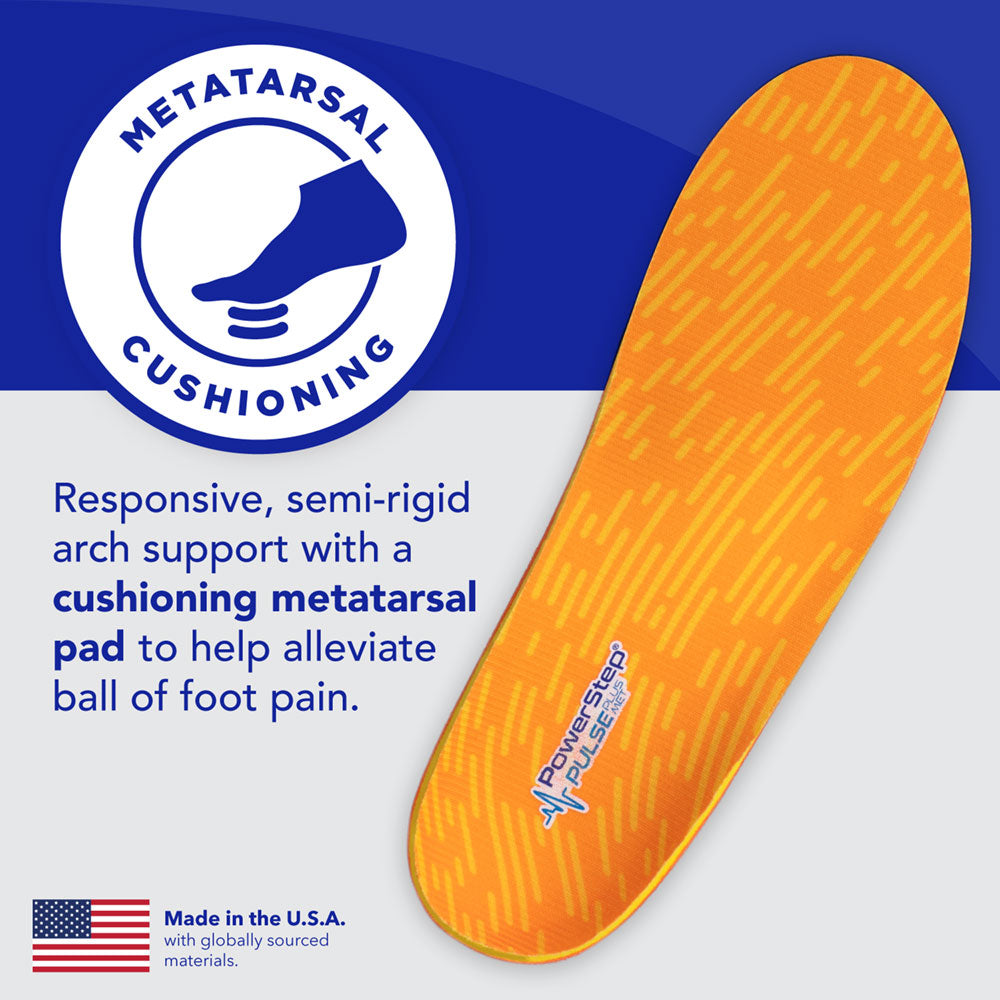
Your shoes come with factory insoles. These are often very basic. They might not offer enough cushioning. They might lack good arch support. Upgrading your insoles can be a game-changer. It is one of the easiest ways to improve comfort.
Why Factory Insoles Might Not Be Enough
Most standard insoles are just thin pieces of foam. They offer very little in terms of real support or shock absorption. They are designed for a general fit. They are not tailored to your specific foot needs. For a shoe like the Air Max Plus, which has a firmer ride due to its Tuned Air units, a better insole can make a world of difference. It really helps to customize the feel.