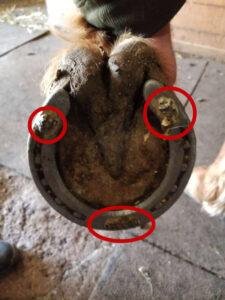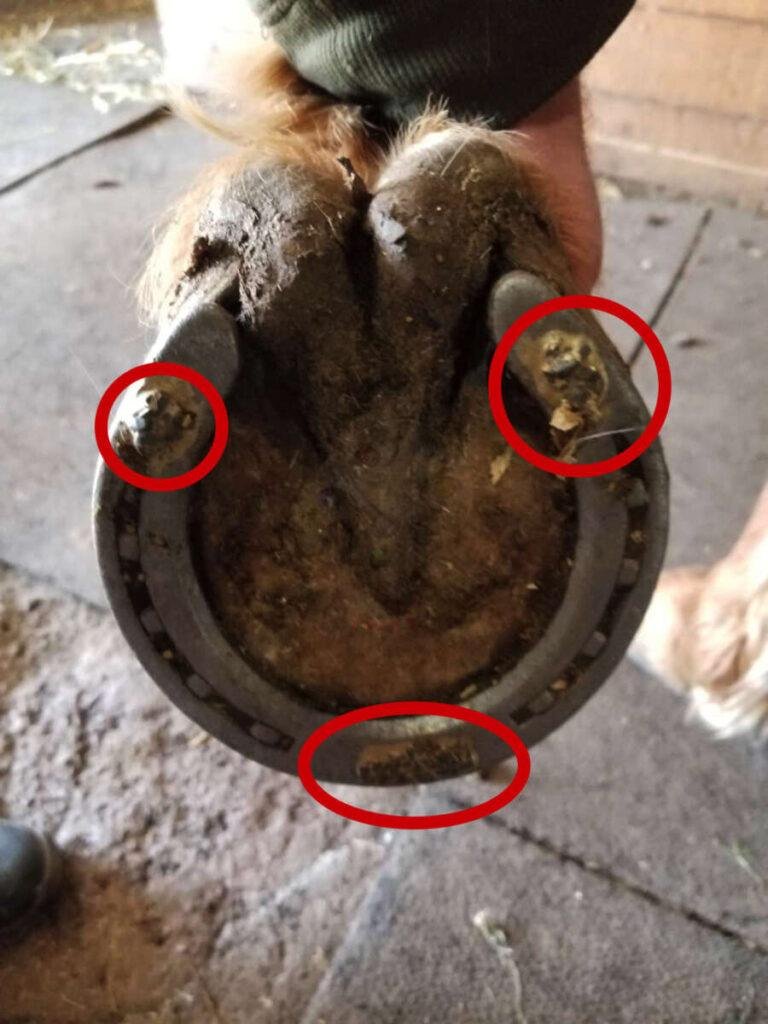
A horse needs shoes to protect its hooves, improve traction, and prevent wear when work exceeds natural hoof growth.
The question “why does a horse need shoes” has a more thoughtful answer than simply “to protect the feet.” Horses evolved to travel over natural ground, but riding, hard roads, rocky trails, and certain hoof problems can place extra stress on the hoof. This guide explains when horses need shoes, when they may not, how shoeing works, and what owners should discuss with a qualified farrier and veterinarian.
Why does a horse need shoes?
A horse needs shoes when its hooves wear down faster than they grow, cannot handle its workload, or need extra support. A horseshoe acts much like a durable work boot. It protects the hoof wall and sole from excessive wear while helping the horse move safely.
The hoof is made from keratin, the same tough protein found in human fingernails. It is strong, but it is not unbreakable. A horse that walks on soft pasture may keep healthy bare feet. A horse that works on gravel, asphalt, packed clay, or rough trails may need more protection.
The main reasons horses wear shoes include:
• Protecting the hoof from excessive wear
• Improving grip on slippery or difficult ground
• Supporting weak, cracked, or injured hooves
• Correcting or managing certain movement problems
• Reducing discomfort caused by thin soles or sensitive feet
• Helping a working horse perform safely and comfortably
Why does a horse need shoes if its ancestors lived without them? Wild horses often travel many miles each day over varied ground. This movement can naturally shape and strengthen the hoof. Domestic horses may stand in stalls, move less, carry riders, and work on surfaces that cause faster wear. Their lifestyle is often very different from that of a wild horse.

How a horse’s hoof works
A horse’s hoof is a complex structure, not a single hard block. The outer hoof wall supports much of the horse’s weight. Inside the hoof are bones, tendons, blood vessels, nerves, and soft tissues that help absorb shock.
The hoof wall grows downward from the coronary band near the top of the foot. A healthy hoof may grow about three-eighths of an inch each month, though growth varies with age, season, nutrition, health, and circulation. Since the hoof grows slowly, damage may take months to fully grow out.
The sole protects the bottom of the foot. The frog is the softer, V-shaped structure in the center. It helps with shock absorption and may assist circulation as the hoof expands and contracts during movement.
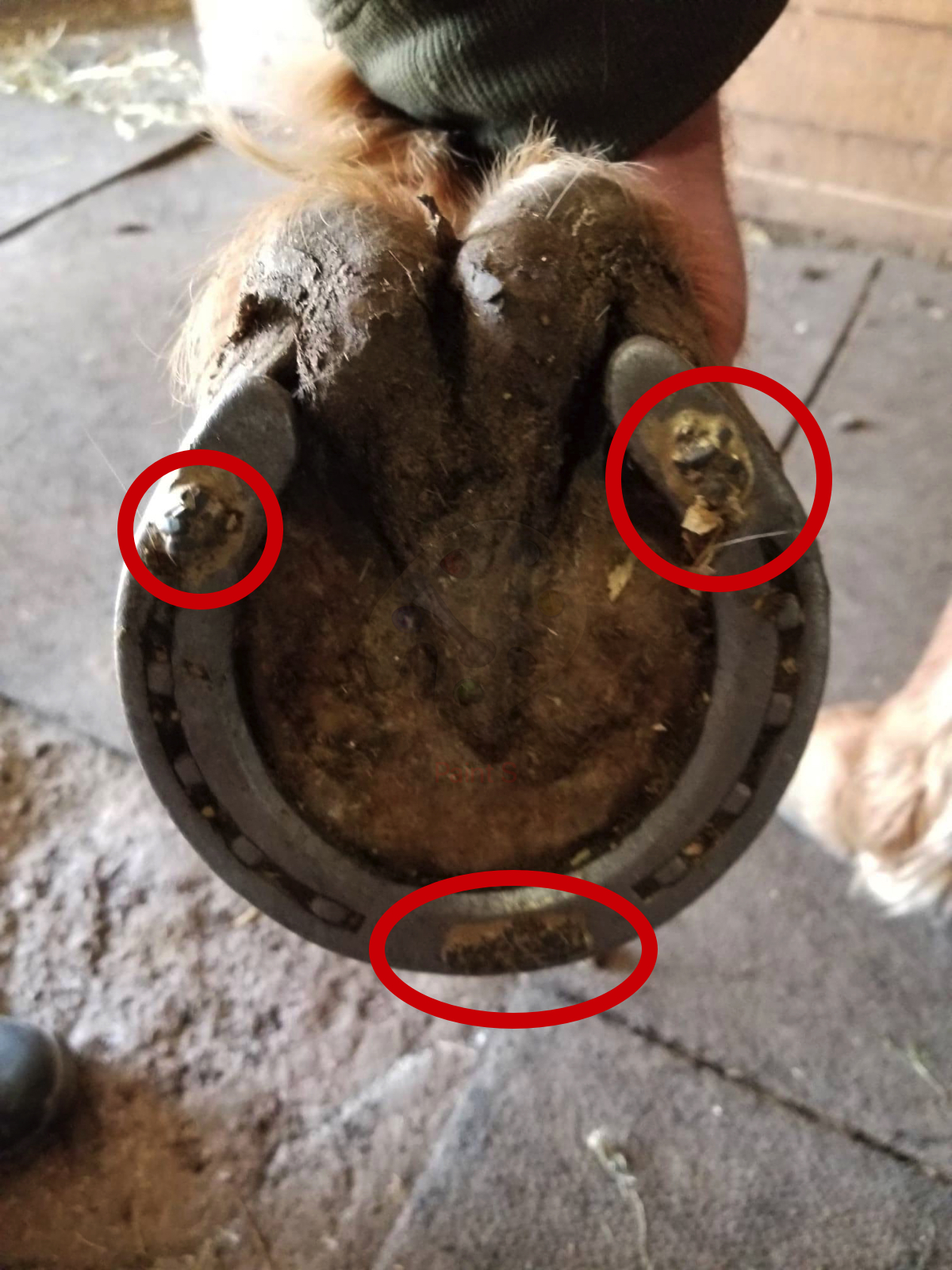
A properly fitted shoe supports the hoof without pressing on sensitive tissues. The farrier places nails in the insensitive outer hoof wall. When done correctly, this process should not hurt the horse, much like trimming a person’s fingernails.
Still, poor shoeing can cause problems. A shoe that is too tight, badly shaped, loose, or left on too long may contribute to bruising, hoof cracks, imbalance, or lameness. That is why shoeing should be done by a skilled professional.
The main benefits of horseshoes
### Protection from hoof wear
The most common reason for shoeing is to slow hoof wear. A horse may wear down its feet faster than they can grow when working on hard ground. This can make the sole thin and sensitive.
For example, a trail horse that regularly crosses sharp rocks may become foot sore without protection. Shoes can reduce direct contact between the hoof and the ground. Some owners use hoof boots instead, especially for occasional work.
Better traction
Shoes can improve traction when a horse works on grass, mud, pavement, or other slippery surfaces. Farriers may use special features, such as studs or rim shoes, for certain sports and conditions.
More traction is not always better. If the hoof grips the ground too firmly, the leg may have less ability to release natural twisting forces. This can increase stress on joints, tendons, and ligaments. Traction should match the activity and surface.
Support for weak hooves
Some horses have thin soles, brittle walls, cracks, or poor hoof quality. Others may lose hoof strength after illness, injury, or long-term nutritional problems. A shoe can provide support while the hoof grows stronger.
Shoes do not cure every hoof problem. The horse may also need improved nutrition, better moisture control, rest, medication, or veterinary care. A shoe is one tool in a larger treatment plan.
Therapeutic support
Special shoes can help manage certain conditions. A veterinarian and therapeutic farrier may use them for problems such as:
• Laminitis
• Navicular-related pain
• Tendon or ligament injuries
• Hoof wall defects
• Severe cracks
• Uneven weight bearing
Therapeutic shoeing must be tailored to the individual horse. A design that helps one horse may harm another. X-rays, gait evaluation, hoof measurements, and regular follow-up may be needed.
Improved comfort
A horse with sensitive feet may move more freely with protection. You may notice longer strides, less hesitation on hard ground, and fewer signs of soreness. Yet improved movement does not prove that shoes are the right choice. Pain can have many causes, including joint disease, muscle strain, poor saddle fit, or an abscess.
 horseshoes”
style=”max-width: 100%; height: auto; border: 2px solid black; border-radius: 10px; display: block; margin: 0 auto;”
loading=”lazy”
/>
When does a horse not need shoes?
Not every horse needs shoes. Many horses remain sound and comfortable barefoot. A barefoot horse may do well when its lifestyle, hoof shape, and environment support natural hoof health.
A horse may not need shoes when:
• It lives mostly on soft or forgiving ground
• Its hoof growth matches its natural wear
• It has strong walls and healthy soles
• It performs little or no strenuous work
• It moves comfortably without hoof protection
• A farrier can maintain a balanced trim
Barefoot does not mean “no hoof care.” A barefoot horse still needs regular trimming and inspection. The farrier must keep the hoof balanced and remove excess growth before it causes flares or uneven loading.
Some owners choose hoof boots for riding instead of permanent shoes. Boots can protect the hoof during trail rides while allowing the horse to remain barefoot the rest of the time. They must fit well, stay secure, and be checked for rubbing.
A common mistake is removing shoes without a transition plan. The hoof may be sensitive at first, especially if the horse has thin soles or has worn shoes for years. Gradual work, good trimming, turnout, and temporary hoof boots can make the change easier.

How to tell whether a horse may need shoes
The answer to why does a horse need shoes depends on the horse, not just the breed or job. Watch how the horse moves, where it works, and how quickly the hooves wear.
Signs that shoes or hoof boots may be useful include:
• Short, careful steps on hard ground
• Repeated hoof bruising
• Sole sensitivity
• Hoof cracks that worsen with work
• Excessive wall wear
• Reluctance to move over gravel
• Uneven movement after riding
• Loss of balance or traction
• A history of laminitis or other hoof disease
Lameness should never be dismissed as a normal need for shoes. A sore horse needs an examination. An abscess, stone bruise, infection, tendon injury, or joint problem may require veterinary treatment.
A practical assessment includes these questions:
-
What surfaces does the horse travel over?
-
How many days each week does the horse work?
-
How quickly do the hooves grow and wear?
-
Does the horse remain comfortable barefoot?
-
Are the hooves balanced and free from major cracks?
-
Is there a medical reason for therapeutic support?
-
Would hoof boots meet the horse’s needs?
A farrier can assess hoof balance and wear. A veterinarian should evaluate persistent pain, lameness, disease, or suspected injury. The best decisions often come from both professionals working together.

Types of horseshoes and what they do
Standard keg shoes
Standard shoes are common for general riding horses. They protect the hoof wall and provide a stable surface for normal work. The farrier shapes the shoe to fit the horse’s hoof.
Rim shoes
Rim shoes have a groove or raised section that may provide extra traction. They are often used for activities that require more grip, but they are not suitable for every horse or surface.
Bar shoes
Bar shoes connect the heels with a bar. This design can support certain hoof problems and help distribute weight. They should be used with a clear purpose and monitored closely.
Heart bar shoes
Heart bar shoes include support for the frog. They may be used in some cases of laminitis, but accurate fitting is essential. Too much pressure can cause pain, while too little may fail to provide useful support.
Egg bar shoes
Egg bar shoes extend behind the heel. They may help support the back of the foot in selected cases. Their longer shape can also catch on objects if the horse is not managed carefully.
Glue-on shoes
Glue-on shoes may help horses with weak hoof walls or limited nail placement. They can also be useful when traditional nails are not appropriate. They require careful preparation and regular inspection.
The right shoe is based on the horse’s condition, workload, hoof shape, and ground. More complex does not always mean better. Good farriery uses the simplest safe option that meets the horse’s needs.
How often should a horse be shod?
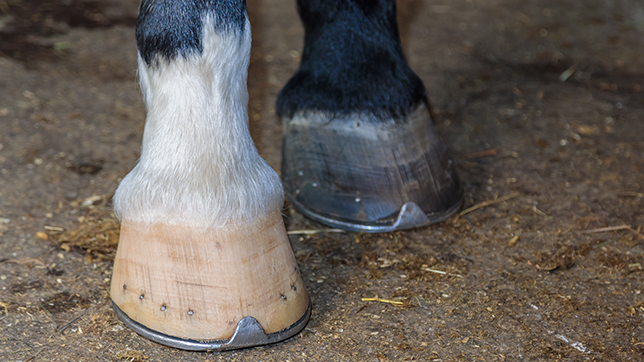
Most horses need farrier care about every six to eight weeks. Some need attention sooner, especially when they grow quickly, work hard, or have a hoof imbalance. Others may go slightly longer, but long gaps can allow flares, cracks, and uneven wear to develop.
Weather can affect hoof growth. Hooves may grow faster during warm months. Wet and dry cycles can also weaken the hoof wall or loosen shoes. Workload and terrain matter just as much.
Between farrier visits, inspect the hooves daily when possible. Pick out mud and stones. Check for loose nails, pulled shoes, heat, swelling, odor, cracks, and changes in movement.
Contact a farrier promptly if:
• A shoe is loose or twisted
• A shoe is missing
• A nail is sticking out
• The horse becomes suddenly lame
• The hoof wall is breaking around nail holes
• The horse shows heat or a strong digital pulse
Do not pull a partially attached shoe unless a qualified professional advises you. A loose shoe can damage the hoof wall or cause the horse to step on the shoe.
Common shoeing mistakes to avoid
One lesson experienced horse owners often learn the hard way is that shoeing is not a set-and-forget task. A horse can look fine one week and develop a problem after a shoe loosens, the hoof grows unevenly, or the workload changes.
Avoid these mistakes:
• Waiting until a shoe is badly loose
• Choosing shoes based only on appearance
• Using extra traction without considering leg stress
• Ignoring a change in gait
• Removing shoes suddenly before a barefoot transition
• Letting long toes or underrun heels continue unchecked
• Treating repeated soreness without veterinary advice
• Assuming every horse needs the same shoe design
Nutrition also matters. A balanced diet with enough protein, minerals, and energy supports hoof growth. Biotin may help some horses with poor hoof quality, but supplements are not a replacement for balanced feeding and sound farriery. Ask an equine veterinarian or nutrition professional before adding supplements.
The most useful practical tip is simple: keep notes. Record farrier dates, shoe types, work surfaces, changes in gait, and any hoof problems. These details help your farrier identify patterns and make better decisions.
Does shoeing hurt a horse?
Correct shoeing should not hurt because nails are placed in the insensitive part of the hoof wall. A horse may react to handling or the sound of tools, but the process itself should be comfortable when performed properly.
Pain can occur if a nail enters sensitive tissue, the shoe is too tight, the hoof is badly trimmed, or an existing condition is overlooked. A horse that becomes lame soon after shoeing needs prompt attention.
Signs of a possible shoeing problem include:
• Sudden lameness after the farrier visit
• Repeated foot lifting
• Heat in the hoof
• A strong digital pulse
• Reluctance to turn
• Stiff or shortened steps
• A shoe that appears to press into the heel or sole
Call your farrier and veterinarian if these signs appear. Do not assume the horse will “walk it off.” Early attention can prevent a small problem from becoming a serious one.
What does the research and expert guidance say?
Professional equine care groups, veterinary schools, and farrier organizations generally agree that shoeing decisions should be individual. There is no universal rule that all horses need shoes or that all horses should go barefoot.
Research on hoof mechanics shows that hoof shape, loading, ground conditions, trimming, and shoe design all influence movement. However, studies do not support one shoeing method as best for every horse. Individual assessment remains important.
The American Association of Equine Practitioners advises owners to seek veterinary help for lameness and hoof disease. Farrier training organizations also emphasize balanced trimming, correct shoe fit, and regular maintenance.
It is also important to recognize the limits of online advice. A written article cannot inspect a hoof, feel a digital pulse, watch a horse move, or review X-rays. Use general guidance as a starting point, then rely on qualified professionals for decisions about your horse.
Frequently Asked Questions About Why Does a Horse Need Shoes
Why does a horse need shoes for riding?
A horse may need shoes for riding when the ground causes more wear than the hoof can replace. Shoes can protect the hoof and improve comfort, but some horses can ride safely barefoot or use hoof boots.
Can a horse live without shoes?
Yes, many horses can live and work comfortably without shoes. They still need regular trimming, proper nutrition, suitable footing, and monitoring for soreness or excessive wear.
Do horseshoes hurt horses?
Properly fitted shoes should not hurt because nails are placed in the insensitive hoof wall. Incorrect nail placement, poor trimming, tight shoes, or hoof disease can cause pain and lameness.
How often should a horse be reshod?
Most horses need farrier care every six to eight weeks, although the schedule varies. Growth rate, workload, season, hoof condition, and shoe type can change the ideal interval.
Are hoof boots better than horseshoes?
Hoof boots can be useful for occasional riding or a gradual barefoot transition. Horseshoes may be more practical for frequent work, but the best option depends on the horse, terrain, hoof health, and owner’s routine.
What happens if a horse loses a shoe?
A lost shoe can leave the hoof vulnerable to bruising, chipping, or uneven wear. Restrict work, protect the foot if needed, and contact a farrier rather than riding until the hoof is checked.
Can horseshoes fix bad hooves?
Shoes can support and protect a damaged hoof, but they do not fix every underlying cause. The horse may also need trimming changes, nutrition support, medical treatment, rest, or a veterinary diagnosis.
Conclusion
Why does a horse need shoes? In many cases, shoes protect the hoof from hard ground, excessive wear, poor traction, or a medical problem. In other cases, a healthy horse may stay comfortable barefoot with regular trimming and suitable management.
The right choice depends on hoof quality, workload, terrain, movement, and health. Work with a qualified farrier and veterinarian, inspect the feet often, and respond quickly to soreness or loose shoes. With thoughtful care, you can help your horse stay sound, comfortable, and ready for the work you enjoy together.

Rubel Miah is the Senior Editor at MyStyleGrid.com, where he brings a sharp editorial eye and an unshakable love for fashion to everything he does. A true style addict, Rubel lives and breathes trends, from streetwear to high fashion, and has a knack for turning inspiration into impactful stories. With years of experience in fashion journalism and digital media, he curates content that empowers readers to express themselves through style. When he’s not editing features or forecasting the next big thing, you’ll find him hunting down vintage pieces or capturing street style moments around the city.