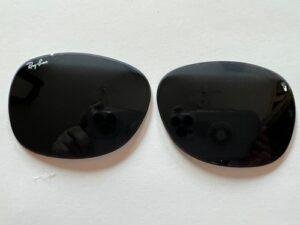
Yes. In the United States, Ray-Ban may replace lenses for many sunglasses and eyeglasses through Ray-Ban stores, authorized retailers, or its repair service. However, Ray-Ban does not treat every lens as a standard loose part for direct purchase.
Availability depends on the frame model, lens type, frame condition, and whether you need clear, tinted, polarized, or prescription lenses. The safest way to get a proper match is to contact Ray-Ban U.S. support or visit an authorized Ray-Ban or optical retailer.

How Ray-Ban replacement lenses work
Ray-Ban replacement lenses are usually handled as a service request, not as a simple online accessory purchase. A store or service team may inspect the frame, confirm the model, and determine whether the correct lenses are available.
This approach helps prevent problems with fit, lens shape, coating, and frame damage. A lens made for one Ray-Ban model may not fit another model, even when both frames look similar.
Ray-Ban replacement lens service can involve:
- Standard sunglass lenses
- Polarized lenses
- Prescription lenses
- Clear eyeglass lenses
- Tinted lenses
- Replacement lenses for selected older models
- Lens replacement as part of a wider frame repair
The exact options can change by model and by U.S. location. A current Ray-Ban product page, store, or customer service agent should confirm the available lens type before you pay.
Ray-Ban may not sell every lens separately
Some brands list loose replacement lenses in their online stores. Ray-Ban may instead direct customers to a repair center, store, or authorized optical partner.
That means you may not see a button labeled “buy replacement lenses” for your exact sunglasses. It does not always mean replacement is impossible. It may mean the frame needs to be checked first.
How to order replacement Ray-Ban lenses in the U.S.
Start with the official Ray-Ban U.S. support channel or an authorized optical retailer. Have your frame details ready before you ask for a quote.
1. Find the model information
Look inside the temple arms of the frame. Ray-Ban usually prints information such as:
- Model name or model code
- Color code
- Lens and bridge size
- Temple length
- Other manufacturing marks
A code may look similar to RB2140 or another letter-and-number combination. The exact format can vary.
Take clear photos of both temple arms and the front of the frame. Photos can help a store identify the correct model when the printed code is worn.
2. Check the frame condition
Replacement lenses make sense only when the frame is still in good shape. Ask the retailer to inspect:
- Cracks near the hinges
- Loose or bent temples
- Damaged nose pads
- Warped rims
- Broken lens grooves
- Severe scratches or heat damage
A weak frame can break during lens removal or installation. If the frame is badly damaged, buying a new pair may cost less and provide a better result.
3. Ask whether your lens type is available
Tell the retailer what you need. For example:
- “I need non-prescription replacement lenses.”
- “I need polarized lenses for my Ray-Ban Wayfarer.”
- “I need prescription lenses in my existing frame.”
- “I want to keep the original tint and logo.”
Ask whether the replacement will be an official Ray-Ban lens, an authorized prescription lens, or a third-party lens. These are not the same thing.
4. Confirm the total cost and turnaround time
Request the full price before approving the work. The total may include:
- Lens cost
- Prescription work
- Installation
- Shipping
- Frame inspection
- Taxes
- Repair fees
Prices and service times vary. Do not rely on a price from a different Ray-Ban model or a different optical store.
5. Inspect the finished glasses
When you receive the glasses, check that:
- The lenses sit evenly in the frame
- There are no gaps around the lens edge
- The frame is not twisted
- The prescription matches your order
- The lens tint and polarization are correct
- The frame and lenses have no new marks
If the glasses cause blur, headaches, double vision, or strong distortion, stop wearing them and return to the optician for an inspection.
Can Ray-Ban replace prescription lenses?
Yes, prescription lenses can often be fitted into Ray-Ban frames. In the U.S., this is commonly handled by an optician, Ray-Ban store, LensCrafters location, or another authorized optical provider.
Prescription replacement is different from buying a basic sunglass lens. The optician must use your prescription and measure how the lenses sit in front of your eyes.
You may need:
- A current prescription
- Your pupillary distance, or PD
- The frame model and size
- Lens material selection
- A choice of clear, tinted, polarized, or transition-style lenses
Not every frame supports every prescription. Small frames often work better for strong prescriptions than large, curved frames. A qualified optician should confirm the limits before placing the order.
Prescription sunglasses
Ray-Ban prescription sunglasses may be available with different tints, colors, and lens treatments. Some frame shapes work better with prescription lenses than others.
Wraparound and highly curved frames can be harder to make in certain prescriptions. They may also require special measurements. Ask the optician whether the lens will be made for the frame’s curve rather than simply cut to its outline.
Do replacement prescription lenses include the Ray-Ban logo?
Not always. Official Ray-Ban lenses may include brand markings or details, but the appearance can vary by product and lens type. Third-party prescription lenses may not have the Ray-Ban logo.
Ask before ordering if the logo, lens color, or original branding matters to you.
Can you replace Ray-Ban polarized lenses?
Often, yes, but polarized lens availability depends on the specific frame and lens design.
Polarized lenses reduce glare from flat surfaces such as water, snow, roads, and car hoods. They are useful for driving and outdoor use, but they are not automatically available for every Ray-Ban model or every replacement service.
A replacement can also change the original look of the sunglasses. For example, the new lens may have:
- A different tint
- A different mirror finish
- A different level of darkness
- A different brand marking
- A different optical quality
Ask the seller to confirm whether the replacement is an official Ray-Ban polarized lens or a compatible lens made by another company.
A simple polarization check
Many phone and vehicle screens use polarizing filters. When you turn polarized sunglasses in front of a screen, the screen may become darker at certain angles.
This test can suggest that a lens is polarized, but it does not prove the lens is genuine Ray-Ban or that it provides a specific level of glare reduction.
Official Ray-Ban lenses versus third-party replacements
You have two main paths: use an official or authorized service, or use an independent lens provider.
| Option | Main benefit | Main limitation |
|---|---|---|
| Ray-Ban or authorized service | Best chance of matching the original lens and fit | May cost more or have limited model availability |
| Independent optical shop | More lens materials, prescriptions, and price choices | Branding, tint, fit, and warranty may differ |
| Online replacement lens company | Convenient and sometimes less expensive | You must identify the model correctly and handle shipping risks |
| New Ray-Ban frame | Fresh frame and lenses together | May cost more than replacing lenses alone |
A third-party replacement can be a reasonable option when the frame is valuable, comfortable, or no longer sold. Choose a provider that explains its materials, warranty, return policy, and fitting process.
Avoid sellers that promise “original Ray-Ban lenses” without explaining where the lenses came from. A product listing alone does not prove authenticity.
How much do Ray-Ban replacement lenses cost?
There is no single replacement lens price for all Ray-Ban frames. Cost can vary based on:
- Frame model
- Lens size and shape
- Prescription strength
- Lens material
- Polarization
- Tint or mirror coating
- Installation
- Shipping
- Whether the frame also needs repair
A basic non-prescription replacement may cost less than a prescription polarized lens. A complex prescription or curved frame can raise the price.
Compare the replacement quote with the price of a new pair. If the frame is old, scratched, loose, or widely available at a reasonable price, buying new glasses may be the better value.
A practical value test
Use this simple comparison:
Replacement value = cost of lenses and service ÷ cost of a comparable new pair
This is not a technical rule. It is a way to organize the decision.
For example, if replacement lenses and installation cost nearly as much as a new pair, a new pair may give you a fresh frame warranty and fewer fit risks. If the frame is rare, sentimental, or unusually comfortable, replacement may still be worthwhile.
What if Ray-Ban cannot replace your lenses?
If Ray-Ban does not have the lens for your model, ask an independent optical shop whether it can cut a compatible lens.
Before ordering, confirm:
- The shop can identify the exact frame model.
- It can match the lens shape and thickness.
- It accepts responsibility for installation damage.
- The lenses come with a written warranty.
- The shop can replace one lens if only one side is damaged.
- The finished lenses will preserve the frame’s alignment.
Do not try to force lenses into the frame at home. Some Ray-Ban frames use materials or curves that can crack under pressure. Lens removal also requires the right tools and technique.
If the frame is valuable or fragile, use an experienced optical technician.
Common mistakes when buying replacement Ray-Ban lenses
Ordering by appearance alone
Two Wayfarer-style frames can have different lens shapes and sizes. Use the model code and measurements instead of relying only on a photo.
Ignoring the lens size
The lens and bridge measurements affect fit. A lens that is only slightly different may not seat correctly.
Assuming every Ray-Ban lens is polarized
Ray-Ban sells both polarized and non-polarized products. Confirm the lens type in writing before ordering.
Treating a third-party lens as an official lens
A compatible lens may work well, but it is not necessarily made by Ray-Ban. Ask direct questions about the manufacturer and warranty.
Replacing lenses in a damaged frame
A new lens cannot fix a cracked bridge, broken hinge, or badly bent rim. Have the frame inspected first.
Buying from an unverified marketplace seller
Marketplace listings may use incorrect model numbers or unclear claims about authenticity. Check the return policy and seller details before sending your glasses away.
Are Ray-Ban replacement lenses covered by warranty?
Warranty coverage depends on the purchase, damage, date, and applicable Ray-Ban terms. Normal scratches are often treated differently from manufacturing defects.
A warranty may not cover:
- Accidental damage
- Lost glasses
- Unauthorized lens replacement
- Normal wear
- Damage caused by improper cleaning
- Changes made by an independent provider
Check the warranty terms that apply to your U.S. purchase. Keep your receipt, order number, and photos of the glasses.
If the glasses are still within a return or warranty period, contact Ray-Ban before using a third-party repair service. Independent work may affect what the original seller will service later.
How to care for replacement lenses
Good care can extend the life of new lenses.
- Rinse off dust before wiping.
- Use clean water and a lens-safe cleaner.
- Dry with a clean microfiber cloth.
- Store the glasses in a hard case.
- Keep lenses away from paper towels and clothing.
- Do not leave the glasses on a hot dashboard.
- Place the lenses facing upward when setting them down.
Heat, grit, and rough fabric can damage coatings. Avoid household glass cleaner unless the lens maker specifically says it is safe.
Frequently asked questions
Does Ray-Ban sell replacement lenses directly online?
Ray-Ban may offer replacement service or direct customers to an authorized repair or optical channel, but a loose replacement lens is not available for every U.S. model. Check the official Ray-Ban U.S. support page with your model code.
Can I replace only one Ray-Ban lens?
Sometimes. A store or lens provider must confirm that a matching lens is available. Replacing both lenses may provide a closer match if the original lens has faded or changed with age.
Can an optician put new lenses in Ray-Ban frames?
Usually, an optician can assess the frame and fit compatible prescription or non-prescription lenses. The optician should confirm the frame’s condition, lens measurements, and warranty before starting.
Are third-party Ray-Ban replacement lenses safe?
They can be suitable when made and fitted by a reputable provider. Safety depends on correct materials, accurate fitting, proper optical quality, and the intended use. Ask about the provider’s warranty and return policy.
How do I find my Ray-Ban model number?
Look on the inside of the temple arm. The model code is often printed near the color code and lens measurements. If the text is worn, a Ray-Ban store or optical professional may identify the frame from photographs and measurements.
Final answer: should you replace the lenses or buy new glasses?
Ray-Ban does offer replacement options in the U.S., but availability is model-specific. Start with Ray-Ban U.S. support or an authorized optical retailer, and provide the model code, lens size, and photos of the frame.
Replace the lenses when the frame is in good condition, fits well, and has value to you. Consider a new pair when the frame is damaged, the replacement quote is close to the cost of new glasses, or the correct lens is no longer available.
Your next step is simple: find the code inside the temple arm, then request a written quote that states the lens type, source, installation cost, warranty, and expected turnaround.
Rubel Miah is the Senior Editor at MyStyleGrid.com, where he brings a sharp editorial eye and an unshakable love for fashion to everything he does. A true style addict, Rubel lives and breathes trends, from streetwear to high fashion, and has a knack for turning inspiration into impactful stories. With years of experience in fashion journalism and digital media, he curates content that empowers readers to express themselves through style. When he’s not editing features or forecasting the next big thing, you’ll find him hunting down vintage pieces or capturing street style moments around the city.