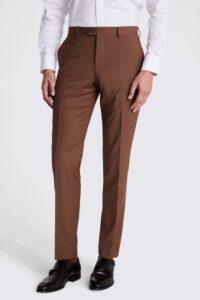
tailored trousers are fitted pants shaped with precise cuts, clean lines, and refined details for a polished look.
What are tailored trousers beyond simply “dress pants”? They are trousers designed to follow the body’s shape without feeling tight, combining thoughtful construction with comfort and style. In this guide, you will learn how tailored trousers fit, how they differ from other pants, which fabrics and cuts work best, and how to wear them with confidence.

What Are Tailored Trousers?
Tailored trousers are pants made with a structured cut and careful attention to fit. They usually have a smooth waistband, a defined crease, neat seams, and a shape that follows the legs without clinging to them.
Unlike loose casual pants, tailored trousers create a clean outline from the waist to the ankle. They may be made by a tailor, but many ready-to-wear trousers are also tailored in design. The word “tailored” often describes the shape and finish, not only the way the trousers were made.
Common features include:
• A flat front or carefully placed pleats
• A firm waistband that sits securely
• A straight, tapered, or wide-leg cut
• A pressed front crease
• Clean hems with little extra fabric
• Quality fabric with enough structure to hold its shape
• Practical pockets that do not bulge
Tailored trousers can look formal, but they do not have to feel stiff. A pair made from wool, cotton twill, linen, or a fabric blend can work for the office, travel, dinner, or daily wear.
How Tailored Trousers Are Different From Regular Pants
The main difference is structure. Regular pants may focus on ease, stretch, or casual comfort. Tailored trousers focus on proportion, balance, and a polished appearance.
For example, jeans often have visible topstitching, rivets, and a firm denim texture. Sweatpants use soft knit fabric and an elastic waist. Tailored trousers usually have simpler details and a more controlled shape.
Here is a simple comparison:
| Feature | Tailored trousers | Casual pants |
|---|---|---|
| Shape | Clean and intentional | Often relaxed or loose |
| Fabric | Wool, cotton, linen, or blends | Denim, jersey, fleece, or canvas |
| Waistband | Structured and fitted | Elastic, drawstring, or basic band |
| Finish | Pressed crease and neat seams | More casual details |
| Best for | Work, events, smart casual outfits | Relaxed daily wear |
| Styling | Shirts, blazers, sweaters, loafers | T-shirts, sneakers, hoodies |
Tailored trousers also differ from leggings and skinny pants. They should skim the body rather than wrap around it. The result is a balanced shape that gives you room to move.
A useful way to think about them is this: casual pants are like a soft blanket, while tailored trousers are like a well-built chair. Both can be comfortable, but one gives the body more support and shape.
Key Features of Tailored Trousers
Understanding the details can help you choose a better pair. Small design choices often affect comfort, fit, and how formal the trousers look.
The waistband
A good waistband sits level on the body and stays in place when you sit or walk. It should feel secure without digging into your skin.
Many tailored trousers include belt loops, a hook-and-bar closure, or an internal grip. Some higher-quality designs use side adjusters instead of belt loops for a cleaner look.
The rise
The rise is the distance from the crotch seam to the top of the waistband. It can be low, mid-rise, or high-rise.
• Low-rise trousers sit below the natural waist.
• Mid-rise trousers sit around the hip or just below the waist.
• High-rise trousers sit closer to the natural waist.
The best rise depends on your body shape, comfort needs, and personal style. A higher rise can lengthen the appearance of the legs, while a mid-rise shape often feels familiar and easy to wear.
The leg shape
Tailored trousers may have several leg shapes:
• Straight-leg trousers maintain a similar width from the thigh to the hem.
• Tapered trousers narrow toward the ankle.
• Wide-leg trousers fall broadly from the hip or thigh.
• Cropped trousers end above the ankle.
• Bootcut trousers widen slightly below the knee.
The right choice depends on your proportions and the shoes you plan to wear.
The crease
A pressed crease runs down the front of each leg. It creates a longer, cleaner visual line and is common in formal and office trousers.
Not every pair of tailored trousers needs a sharp crease. Soft fabrics may have a relaxed crease, while wool suiting fabric often holds a crisp line.
The pockets
Pockets should lie flat when empty. If they pull open, the trousers may be too tight at the hips or waist. Side pockets that gape are one of the clearest signs that the fit needs adjustment.
Back pockets should also sit evenly. Uneven pockets can make the trousers look twisted, even when the rest of the fit is correct.
Types of Tailored Trousers
There is no single style of tailored trousers. Different cuts suit different settings, body shapes, and levels of formality.
Flat-front tailored trousers
Flat-front trousers have no pleats across the front. They create a smooth, modern appearance and often work well for business casual outfits.
They can look sharp with a tucked-in shirt, fine-gauge sweater, or fitted blazer. However, the waistband and hips must fit well because there is less extra fabric at the front.
Pleated tailored trousers
Pleated trousers have folds of fabric at the front. The pleats may be single or double, and they can add comfort around the hips and thighs.
Pleats are not automatically old-fashioned. Modern pleated trousers often have a high waist, wider leg, and relaxed shape. They work especially well with tucked-in shirts, cropped jackets, and leather shoes.
Slim tailored trousers
Slim trousers follow the leg more closely but should never feel painted on. They are usually narrower through the thigh and calf.
This style looks refined with sleek shoes, loafers, or ankle boots. Avoid choosing a size that causes wrinkles at the hips or pulls across the thighs.
Wide-leg tailored trousers
Wide-leg trousers offer more room and a strong, modern shape. They often use a high waist and long hem to create a flowing line.
Balance them with a tucked shirt, fitted knit, short jacket, or structured top. Wide-leg trousers can overwhelm the frame if the fabric is too heavy or the hem is too long.
Cropped tailored trousers
Cropped trousers end above the ankle. They are useful in warmer weather and can show off loafers, flats, heels, or clean sneakers.
The crop should look deliberate. If the hem lands at an awkward point on the calf, the trousers may appear too short rather than stylishly cropped.
Suit trousers
Suit trousers are designed to be worn with a matching jacket. They are usually made from the same fabric and color as the jacket.
You can wear them separately, but frequent separate use may cause slight differences in fading or wear. If you buy a suit, wearing both pieces together from time to time helps maintain a consistent appearance.
How Should Tailored Trousers Fit?
Fit is the most important part of tailored trousers. Expensive fabric cannot fix a poor fit, while a moderately priced pair can look excellent after a few small alterations.
Check these areas when trying on trousers:
- The waistband should stay in place without squeezing.
- The seat should lie smoothly without sagging or pulling.
- The front should not show strong horizontal wrinkles.
- The thighs should allow you to sit and walk comfortably.
- The crease should fall straight down the leg.
- The hem should meet the shoe in a clean way.
- The pockets should remain flat.
When standing, you should be able to place one or two fingers inside the waistband. This is only a general guide. Body shape, fabric stretch, and personal comfort also matter.
When sitting, the trousers may feel slightly firmer at the waist, but they should not pinch. Try sitting, walking, and climbing a few steps before buying. A changing-room mirror shows only one moment, while trousers must work through an entire day.
A useful fitting lesson is to buy for the largest area that needs room. A tailor can often reduce the waist or adjust the hem, but major changes to the hips or rise are more difficult and expensive.
Tailoring Adjustments That Make a Big Difference
Even well-designed trousers may need small changes. Alterations can turn an average fit into one that looks custom-made.
The most common adjustments include:
• Hemming the length
• Taking in or letting out the waist
• Tapering the leg
• Adjusting the seat
• Changing the position of the waistband
• Fine-tuning the break over the shoe
Hemming is usually the simplest alteration. The best length depends on the cut and shoes. A slight break creates a small fold at the shoe, while a no-break hem ends with little or no folding.
For formal trousers, a small or medium break is often a safe choice. Cropped and modern tapered trousers may use a no-break finish. Wide-leg trousers usually look best when the hem reaches close to the top of the shoe.
Avoid making the trousers too tight in an attempt to look slimmer. Clean lines come from balance, not pressure. Trousers that pull across the thighs or seat often look less polished than trousers with a little extra room.
Best Fabrics for Tailored Trousers
Fabric affects the look, comfort, care, and season of tailored trousers.
Wool
Wool is a classic choice for tailored trousers. It holds a crease well, resists wrinkles better than many natural fibers, and works across several seasons.
Lightweight wool is useful for warmer weather, while flannel wool offers warmth and a softer texture in colder months.
Cotton
Cotton twill is durable and easy to wear. It gives tailored trousers a slightly more relaxed feel than wool.
Cotton trousers may wrinkle more easily, but they are a strong choice for business casual outfits and everyday use.
Linen
Linen is cool and breathable, making it useful in hot weather. Its natural wrinkles are part of its character.
If you want a sharper look, choose a linen blend. Blends often hold their shape better than pure linen while keeping some of its airy feel.
Polyester and performance blends
Synthetic fibers can improve durability, stretch, wrinkle resistance, and ease of care. They are common in travel trousers and office clothing.
Quality varies widely. A low-quality synthetic fabric may look shiny or feel warm, so check the texture and breathability before buying.
Stretch blends
A small amount of elastane can improve comfort, especially when sitting or commuting. Too much stretch may reduce structure and cause the trousers to lose shape over time.
For tailored trousers, modest stretch is often more useful than extreme flexibility.
How to Style Tailored Trousers
Tailored trousers are versatile because they can move between formal and relaxed settings.
For an office outfit, try:
• A white or blue button-down shirt
• Dark tailored trousers
• A leather belt
• Loafers or simple lace-up shoes
• A structured blazer when needed
For a smart casual look, pair tailored trousers with:
• A tucked-in polo shirt
• A fine-knit sweater
• Clean leather sneakers
• A casual overshirt
• A relaxed blazer
For evening wear, choose darker colors such as charcoal, navy, black, or deep brown. Add a silk-blend shirt, polished shoes, and simple accessories.
For women’s outfits, tailored trousers can work with a tucked blouse, fitted knit top, cropped jacket, heeled boots, ballet flats, or minimalist sneakers. High-waisted styles often look balanced with a shorter jacket or a top tucked at the front.
Color also changes the mood:
• Black looks formal and sleek.
• Navy feels professional and easy to combine.
• Gray works across business and casual settings.
• Beige and cream feel lighter and more relaxed.
• Brown adds warmth and works well with blue, white, and olive.
The easiest styling rule is to balance volume. If the trousers are wide, choose a more fitted or tucked top. If the trousers are slim, a relaxed sweater or jacket can create a better proportion.
Common Mistakes to Avoid
Many problems with tailored trousers come from small choices rather than major fashion errors.
Choosing size over fit
A larger size may fit the waist but create excess fabric elsewhere. A smaller size may look sleek on the hanger but pull when worn.
Focus on the area that is hardest to alter, usually the hips, seat, and rise.
Ignoring the hem
Too much fabric at the ankle can make trousers look untidy. A hem that is too short can make the outfit seem accidental.
Try trousers with the shoes you expect to wear most often.
Overloading the pockets
Phones, wallets, keys, and bulky objects can distort the clean line of tailored trousers. Use a slim wallet or a bag when possible.
Wearing the wrong belt
A very casual belt can weaken a formal outfit. Match the belt’s color and level of polish to your shoes.
Skipping care instructions
Heat, harsh washing, and poor storage can damage shape and fabric. Always check the garment care label, especially for wool and blended materials.
Wearing trousers that do not match the occasion
Tailored trousers can be dressed up or down, but fabric and color matter. Linen trousers may feel too casual for a formal winter event, while dark wool trousers may look too formal with beachwear.
How to Care for Tailored Trousers
Good care helps tailored trousers keep their shape.
• Hang them from the waistband or use a sturdy trouser hanger.
• Let them air out after wearing.
• Brush away dust with a soft clothes brush.
• Steam light wrinkles instead of pressing too much heat onto the fabric.
• Follow the care label for washing and dry cleaning.
• Rotate several pairs instead of wearing one pair every day.
• Store them in a cool, dry place away from direct sunlight.
Wool trousers often need less cleaning than people expect. Airing them and removing small marks promptly can reduce unnecessary dry cleaning.
If the trousers become heavily soiled, follow the label and use a professional cleaner when required. Cleaning methods can vary by fabric, lining, and construction, so there is no single care rule for every pair.
Are Tailored Trousers Worth Buying?
Tailored trousers are worth buying when you want one garment to serve several roles. A well-fitting pair can work for meetings, dinners, travel, interviews, and smart casual events.
They also offer more styling options than many casual pants. You can change the shirt, shoes, jacket, or sweater and create a new outfit without replacing the trousers.
The main limitation is care. Some fabrics wrinkle, require pressing, or need professional cleaning. Tailored trousers can also feel less forgiving than elastic-waist pants if the fit is wrong.
Before buying, consider:
• How often you will wear them
• The climate where you live
• Your usual shoes
• Whether you prefer a slim or relaxed shape
• How much care you are willing to provide
• Whether alterations fit your budget
In my experience, the best first pair is usually a midweight fabric in navy, charcoal, or medium gray. These colors are easy to style and reveal fit problems clearly. Once that foundation is in place, you can explore pleats, patterns, wide legs, linen, and brighter colors.
Frequently Asked Questions About What Are Tailored Trousers
What are tailored trousers used for?
Tailored trousers are used for work, formal events, business casual outfits, travel, and polished everyday dressing. Their structured shape makes them more refined than casual pants while still allowing many styling options.
Are tailored trousers the same as dress pants?
They can be similar, but the terms are not identical. Dress pants usually describe trousers for formal or professional wear, while tailored trousers describe a precise, shaped construction that may also appear in smart casual clothing.
Should tailored trousers be tight?
No. Tailored trousers should follow the body without pulling, pinching, or clinging. You should have enough room to sit, walk, and move comfortably.
Can tailored trousers be casual?
Yes. Pair them with a T-shirt, knit sweater, denim jacket, or clean sneakers for a smart casual outfit. Fabric, color, and styling determine how formal the trousers appear.
Do tailored trousers need to be altered?
Not always, but small alterations can improve the fit. Hemming the length or adjusting the waist often makes ready-to-wear trousers look far more polished.
What shoes go with tailored trousers?
Loafers, oxfords, derbies, ankle boots, heels, flats, and clean sneakers can all work. Choose shoes based on the trousers’ fabric, hem, color, and the formality of the occasion.
Are pleated trousers still fashionable?
Yes. Modern pleated trousers often use clean lines, higher waists, and relaxed legs. They are especially popular in wide-leg and classic-inspired outfits.
Conclusion
Tailored trousers are defined by their clean shape, structured details, and thoughtful fit. They can be slim, straight, wide, pleated, cropped, formal, or relaxed, but every good pair should look balanced and feel comfortable.
Start with a versatile color, check the fit while standing and sitting, and alter the hem if needed. With proper care and smart styling, tailored trousers can become one of the most useful pieces in your wardrobe. Explore different cuts, test them with your favorite shoes, and share your own styling tips in the comments.
Rubel Miah is the Senior Editor at MyStyleGrid.com, where he brings a sharp editorial eye and an unshakable love for fashion to everything he does. A true style addict, Rubel lives and breathes trends, from streetwear to high fashion, and has a knack for turning inspiration into impactful stories. With years of experience in fashion journalism and digital media, he curates content that empowers readers to express themselves through style. When he’s not editing features or forecasting the next big thing, you’ll find him hunting down vintage pieces or capturing street style moments around the city.