The average U.S. shoe size is about 10.5 for men and 8.5 for women, though fit varies widely.
Knowing the average shoe size can help you compare trends, shop with better expectations, and understand why size charts matter. In this guide, we’ll look at average shoe sizes by sex, age, country, and measurement, while also explaining why no single number fits everyone.
What Is the Average Shoe Size in the United States?
The average adult shoe size in the United States is commonly estimated at:
• Men: About U.S. size 10.5
• Women: About U.S. size 8.5
• Combined adult estimate: Around U.S. size 9 to 10
These figures are useful as broad population estimates. They are not official rules, and they do not predict the correct size for a particular person.
The average shoe size has increased over time as average body height and weight have changed. However, shoe size depends on more than body size. Genetics, age, sex, foot shape, activity level, and health can all affect foot length and width.
A shoe size is also not a direct measure of foot length across all brands. A U.S. men’s 10.5 in one brand may feel closer to a 10 or 11 in another. That is why measuring your feet and checking the brand’s size chart is more reliable than using the average shoe size alone.
Average Shoe Size for Men
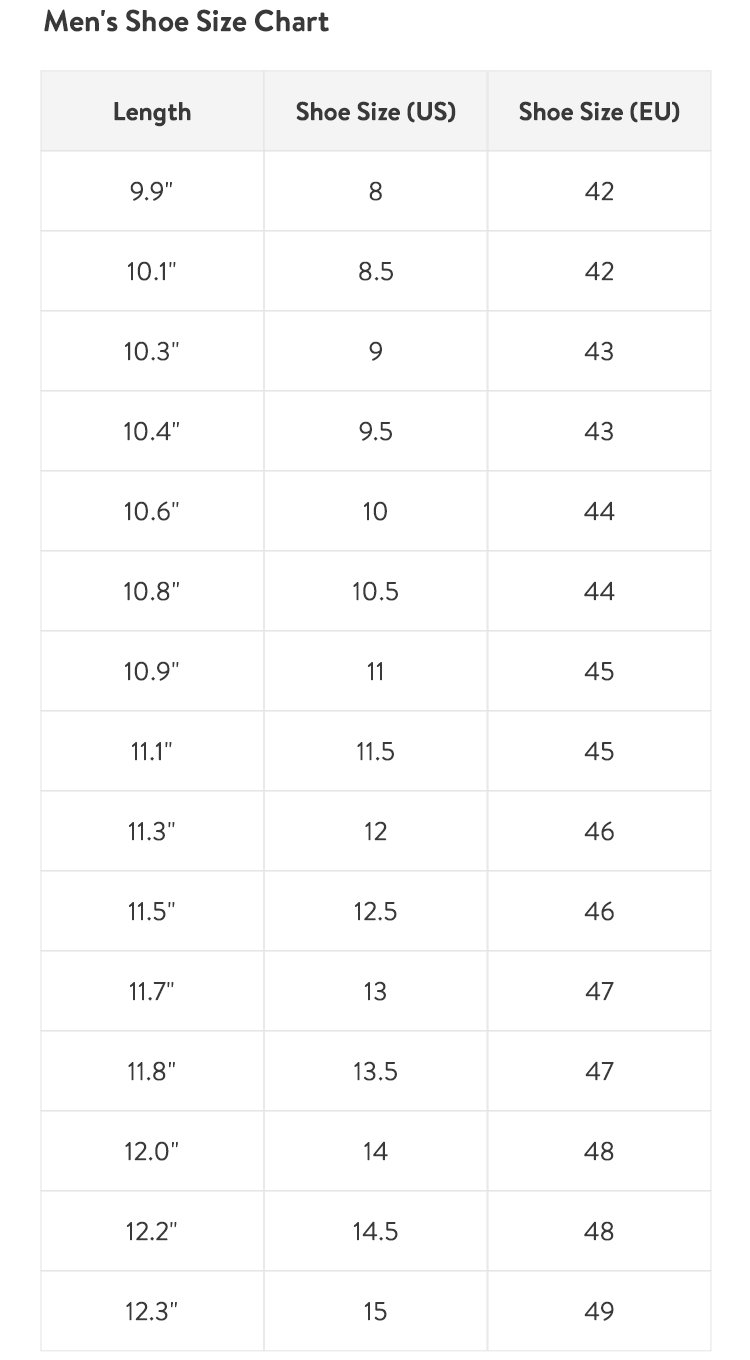
The average men’s shoe size in the U.S. is about size 10.5. Some studies and retail reports place the typical range between size 9 and size 12, with many men falling near size 10 or 11.
Men’s feet are often longer and wider than women’s feet on average. Still, there is considerable overlap. A woman may wear a men’s size, and a man may wear a smaller size, especially when foot length, width, or personal comfort is considered.
Men’s shoe sizing can also differ by shoe type:
• Athletic shoes may need extra room in the toe box.
• Dress shoes often have a narrower shape.
• Work boots may require a wider fit or thicker socks.
• Hiking shoes may need space for foot swelling during long walks.
The best men’s shoe size is the one that supports the foot without squeezing it. A larger number is not always better. Too much space can cause slipping, blisters, and poor balance.
Average Shoe Size for Women
The average women’s shoe size in the United States is about 8.5. A common range is roughly size 7 to size 10, although many women wear sizes outside that range.
Women’s shoes are often built on a narrower last than men’s shoes. However, foot width varies just as much as foot length. Some women need wide or extra-wide shoes, while others find standard shoes too loose.
Pregnancy, aging, weight changes, and certain medical conditions can change shoe fit. Feet may become longer or wider over time because the arches flatten or the ligaments become more flexible.
When shopping, women should focus on these features:
• A thumb’s width of space in front of the longest toe
• No pressure across the ball of the foot
• A heel that stays in place while walking
• Enough width for the toes to spread naturally
• A firm but comfortable midsole
The average shoe size for women is only a starting point. Comfort, stability, and foot health matter more than matching a population number.
Average Shoe Size by Age
Foot size changes throughout life. Children’s feet grow quickly, while adult feet usually change more slowly.
Babies and Toddlers
Infant and toddler shoe sizes are based on short foot lengths. A child may move through several sizes in one year, especially during early growth.
Parents should check a child’s feet often. Shoes that are too small can crowd the toes and may affect natural movement. Children may not always say that their shoes hurt, so look for red marks, torn toenails, or reluctance to walk.
School-Age Children
Children’s shoe sizes can vary greatly at the same age. Two 8-year-olds may wear very different sizes because growth does not happen at the same pace.
A child’s shoe should allow movement, but it should not be so large that the foot slides inside. Check the fit every few months during periods of fast growth.
Teenagers
Teen feet often grow rapidly during puberty. Some teenagers reach adult shoe sizes before their height stops changing.
Growth may also happen unevenly. One foot can be slightly larger than the other, which is normal. Always fit shoes to the larger foot.
Adults
Most adults have reached their full foot length by the late teen years. Yet foot shape can still change with age, pregnancy, injury, work demands, and changes in the arch.
Older adults may need wider shoes or more cushioning. Balance and stability can become more important than appearance alone.

Average Shoe Size by Foot Length
Shoe sizes are based on length, but the relationship is not always simple. In the U.S., each full shoe size represents about one-third of an inch in length. A half size adds about one-sixth of an inch.
Approximate U.S. adult measurements include:
• Women’s size 8: About 9.5 inches
• Women’s size 8.5: About 9.67 inches
• Women’s size 9: About 9.83 inches
• Men’s size 10: About 11 inches
• Men’s size 10.5: About 11.17 inches
• Men’s size 11: About 11.33 inches
These measurements are estimates. Different brands use different shoe molds, known as lasts. The shape of the toe, heel, arch, and upper can change how a shoe feels even when the length is the same.
Foot length is also different from shoe length. A shoe must include extra space so your toes can move. That extra space is sometimes called toe allowance.
How to Measure Your Shoe Size at Home
Measuring your feet at home is simple and often more useful than comparing yourself with the average shoe size.
Follow these steps:
- Place a sheet of paper on a hard floor.
- Wear the socks you plan to use with the shoes.
- Stand with one foot flat on the paper.
- Trace around the foot, keeping the pencil upright.
- Measure from the back of the heel to the longest toe.
- Measure both feet.
- Compare the larger measurement with the brand’s size chart.
Measure your feet late in the day. Feet often swell after standing and walking, so an evening measurement can provide a more comfortable fit.
Do not measure while sitting if you can avoid it. Standing places weight on the foot and gives a more realistic length and width.
One common mistake is measuring only the length. Width matters too. A shoe can have enough length but still pinch the forefoot or rub the little toe.

Why the Average Shoe Size Varies
The average shoe size changes from one person and population to another. Several factors help explain the difference.
Genetics
Foot length and width are strongly influenced by inherited traits. Family patterns can affect arch height, toe shape, and overall foot structure.
Height and Body Build
Taller people often have larger feet because larger feet can provide a broader base of support. This is a general trend, not a fixed rule.
Age
Feet may lengthen or widen with age. The arches can gradually lower, and the soft tissues may lose some firmness.
Sex
Average foot dimensions differ between men and women. Still, these are population patterns with wide overlap.
Geography and Population
Average shoe size can differ between countries and regions. Nutrition, genetics, height, and sampling methods all influence the results.
Foot Health
Conditions such as bunions, arthritis, swelling, diabetes-related changes, and past injuries can alter shoe needs. People with foot pain should consider advice from a podiatrist rather than relying on average shoe size charts.
U.S. Shoe Sizes Compared With Other Systems
The U.S. shoe system is different from the systems used in Europe, the United Kingdom, Japan, and other regions.
A rough comparison looks like this:
| U.S. Women’s | U.S. Men’s | European | U.K. Women’s | Foot Length |
|---|---|---|---|---|
| 8.5 | 6.5 | 39 | 6.5 | About 9.67 inches |
| 9 | 7 | 40 | 7 | About 9.83 inches |
| 10.5 | 8.5 | 42 | 8.5 | About 10.5 inches |
| 11 | 9 | 42–43 | 9 | About 10.83 inches |
Conversion charts are only approximate. European sizes are not always exact equivalents of U.S. sizes, and women’s and men’s conversions can differ.
When buying international shoes, check the foot length in centimeters whenever possible. A centimeter measurement gives you a better reference than a size label alone.

Does Shoe Size Predict Height?
Shoe size may have a weak connection with height, but it cannot accurately predict how tall someone is.
Taller people often have larger feet on average, yet many exceptions exist. A person can be tall with a small shoe size or short with a large shoe size.
Shoe size also does not reliably predict weight, athletic ability, health, or body proportions. It is simply one measurement of the foot.
This is an important limitation when using average shoe size data. Averages describe groups, not individuals.
How Shoe Brands Affect Sizing
Shoe sizes are not perfectly standardized. Brands may use different patterns, materials, and design goals.
For example, a running shoe may have a rounded toe box and flexible upper. A formal leather shoe may feel tighter because its shape is more structured. A hiking boot may use a thicker lining that reduces interior space.
Before buying, review:
• The brand’s official size chart
• Customer comments about fit
• Width options
• Return and exchange rules
• Whether the shoe runs small, large, narrow, or wide
A useful lesson from fitting shoes for everyday walking is that people often choose a size based on habit. They may buy the same number for years, even after their foot shape changes. Measuring again can prevent sore toes and wasted money.
Common Shoe-Fitting Mistakes to Avoid
Even people who know their average shoe size can choose the wrong fit. These mistakes are common:
• Buying based only on the printed size
• Measuring only one foot
• Trying shoes on at the start of the day
• Wearing thin socks when using thick ones later
• Ignoring width and arch support
• Assuming shoes will stretch enough to fix pain
• Choosing style over safe movement
• Keeping shoes that cause numbness or blisters
Shoes should feel comfortable when you first try them. Some materials soften slightly, but severe pressure is not something you should “break in.”
Walk on a clean surface when testing shoes indoors. Check whether your heel slips, your toes hit the front, or the sides press against your foot.
Average Shoe Size and Online Shopping
Online shopping makes shoe access easier, but it also makes fit more uncertain. Product photos cannot show how a shoe feels on your foot.
For better results:
- Measure both feet in inches or centimeters.
- Read the brand’s own size guide.
- Check reviews from people with similar foot widths.
- Look for notes about arch height and toe-box shape.
- Order from a retailer with a clear return policy.
- Test the shoes indoors before wearing them outside.
Use the larger foot as your reference. If the difference is small, an insole or heel grip may improve the fit. If the difference is large, a professional fitting may be worth the time.

When to See a Foot Specialist
Most shoe-fitting problems can be solved with better measurements or a different shoe shape. However, ongoing pain deserves attention.
Consider seeing a podiatrist or qualified foot specialist if you have:
• Pain that lasts more than a few days
• Repeated blisters or sores
• Numbness or burning
• Swelling in one foot
• A painful bunion or hammertoe
• Trouble walking or maintaining balance
• Diabetes or reduced sensation in the feet
People with diabetes should take foot protection seriously. A small rubbing spot can become a serious wound when sensation or circulation is reduced.
A specialist can assess foot structure, walking patterns, pressure points, and medical conditions. This is more useful than simply choosing a larger shoe.
Frequently Asked Questions About What Is the Average Shoe Size
What is the average shoe size for men in the U.S.?
The average men’s shoe size in the United States is about size 10.5. Many men wear between size 9 and size 12, but foot width and brand design can change the best fit.
What is the average shoe size for women in the U.S.?
The average women’s shoe size in the United States is about size 8.5. This is a population estimate, not a recommended size for every woman.
What is the most common shoe size?
Common adult sizes often include women’s sizes 8 through 10 and men’s sizes 9 through 11. The most common size can change by region, age group, data source, and retail market.
Does average shoe size increase with height?
There is a general link between height and foot length, so taller people often have larger feet. However, shoe size cannot accurately predict a person’s height because body proportions vary.
How can I find my correct shoe size?
Measure both feet while standing, preferably late in the day, and compare the larger measurement with the brand’s size chart. Also check width, toe space, heel stability, and comfort.
Can your shoe size change as an adult?
Yes. Feet may become longer or wider because of aging, pregnancy, weight changes, arch changes, injury, or swelling. Measuring your feet again every year or two can help you avoid poor-fitting shoes.
Conclusion
The average shoe size in the United States is about 10.5 for men and 8.5 for women, but averages cannot replace a real foot measurement. Brand design, width, age, genetics, foot health, and daily activity all affect the size and shape that feels right.
Measure both feet, shop by length and width, and try shoes on when your feet are at their largest. A well-fitting shoe should feel supportive from the start, not painful after a long break-in period. Use these tips to make smarter purchases, and explore trusted sizing charts before your next pair.

Madison Clark is a footwear expert and the voice behind MyStyleGrid.com. She specializes in honest shoe reviews, style tips, and practical guides to help readers find the perfect pair for any occasion. With years of experience in blogging and content creation, Madison makes footwear knowledge simple, stylish, and easy to follow.