The most stylish women's boots now include ankle, knee high, riding, and Western boots.
If you are wondering what type of women's boots are in style, the answer depends on your wardrobe, climate, and comfort needs. Current boot trends mix classic shapes with fresh details, so you can look polished without chasing every short-lived fashion trend. This guide explains which styles matter, how to wear them, and how to choose a pair that earns its place in your closet.
What type of women's boots are in style right now?
The best boot trends balance fashion and function. Designers and retailers continue to favor useful shapes that work with jeans, dresses, skirts, and tailored pants. That makes it easier to build outfits without buying a new pair for every trend.
Here are the leading styles to know:
- Ankle boots with clean lines and low or block heels
- Knee high boots in leather, suede, and soft stretch fabrics
- Western boots with pointed toes, stitched details, or angled heels
- Riding boots with a tall shaft and simple shape
- Lug sole boots with thick, gripped soles
- Slouchy boots with soft folds around the ankle or calf
- Tall heeled boots for dressier outfits
- Chelsea boots with elastic side panels
- Square toe boots for a modern look
- Sleek sock boots that fit close to the leg
When people ask what type of women's boots are in style, these categories cover most of the current fashion conversation. The key is not to wear every trend at once. One strong boot can anchor an entire outfit.
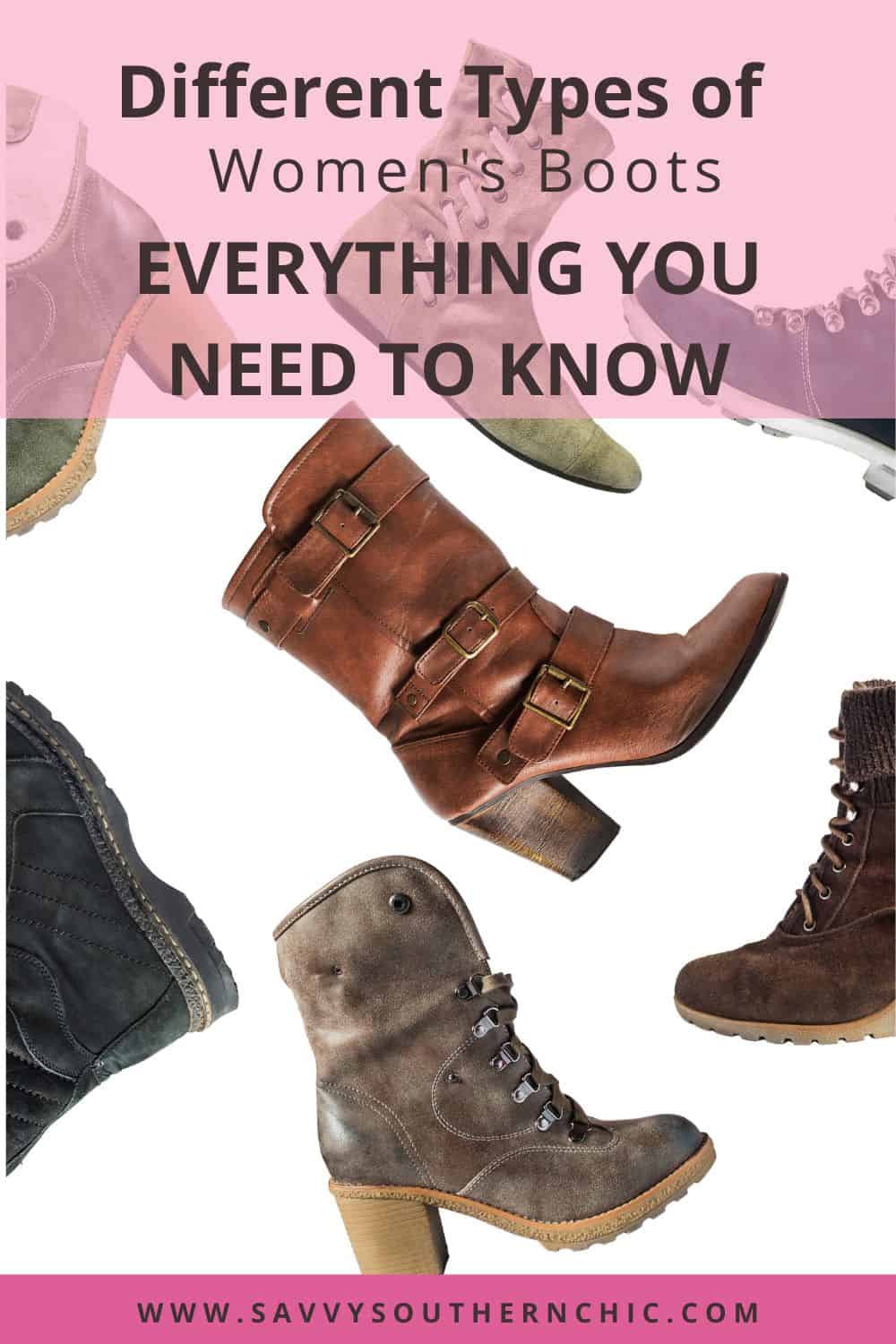
1. Ankle boots remain a smart everyday choice
Ankle boots are among the most versatile women's boots in style. They usually end at or just above the ankle, which makes them easy to wear with straight jeans, wide leg pants, midi skirts, and casual dresses.
A simple leather ankle boot can look refined at work. A suede pair feels softer and more relaxed. A pointed toe adds a dressy touch, while a rounded or square toe gives the outfit a modern, easy feel.
Look for these details:
- A low block heel for daily walking
- A side zipper for easy entry
- A leather or weather resistant upper
- A cushioned footbed
- A shaft that does not press into your ankle
Black ankle boots are still a dependable choice, but brown, espresso, taupe, and burgundy can add more depth to neutral outfits. If your closet has many blue jeans, brown or tan boots often create a warmer and less expected look.
In my experience, the most useful ankle boot has a heel between one and two inches. It gives the body a little lift but remains practical for errands, commuting, and long days on your feet. Very high heels may look striking, but they often stay in the closet when comfort is poor.

2. Knee high boots bring polish to simple outfits
Knee high boots are a major answer to what type of women's boots are in style. Their tall shape adds structure and makes basic clothing look more complete. Wear them with sweater dresses, midi skirts, tucked jeans, or leggings with a long coat.
Classic knee high boots often have:
- A slim or medium shaft
- A modest heel
- A rounded, almond, or pointed toe
- Smooth leather or soft suede
- A simple design without heavy decoration
A tall boot should fit close to the calf without feeling tight. You should be able to sit, walk, and wear the socks you plan to use. If the shaft gaps widely, the boot may look less polished. If it cuts into the leg, it will become uncomfortable quickly.
For a balanced outfit, pair fitted knee high boots with a looser dress or skirt. With wide leg pants, choose a boot with a narrower shaft so the fabric falls smoothly over it. This creates a clean line from the waist to the floor.
Brown knee high boots are especially useful in fall and winter. Black works well with sharp tailoring, while cream, gray, and deep red offer a fashion forward update.
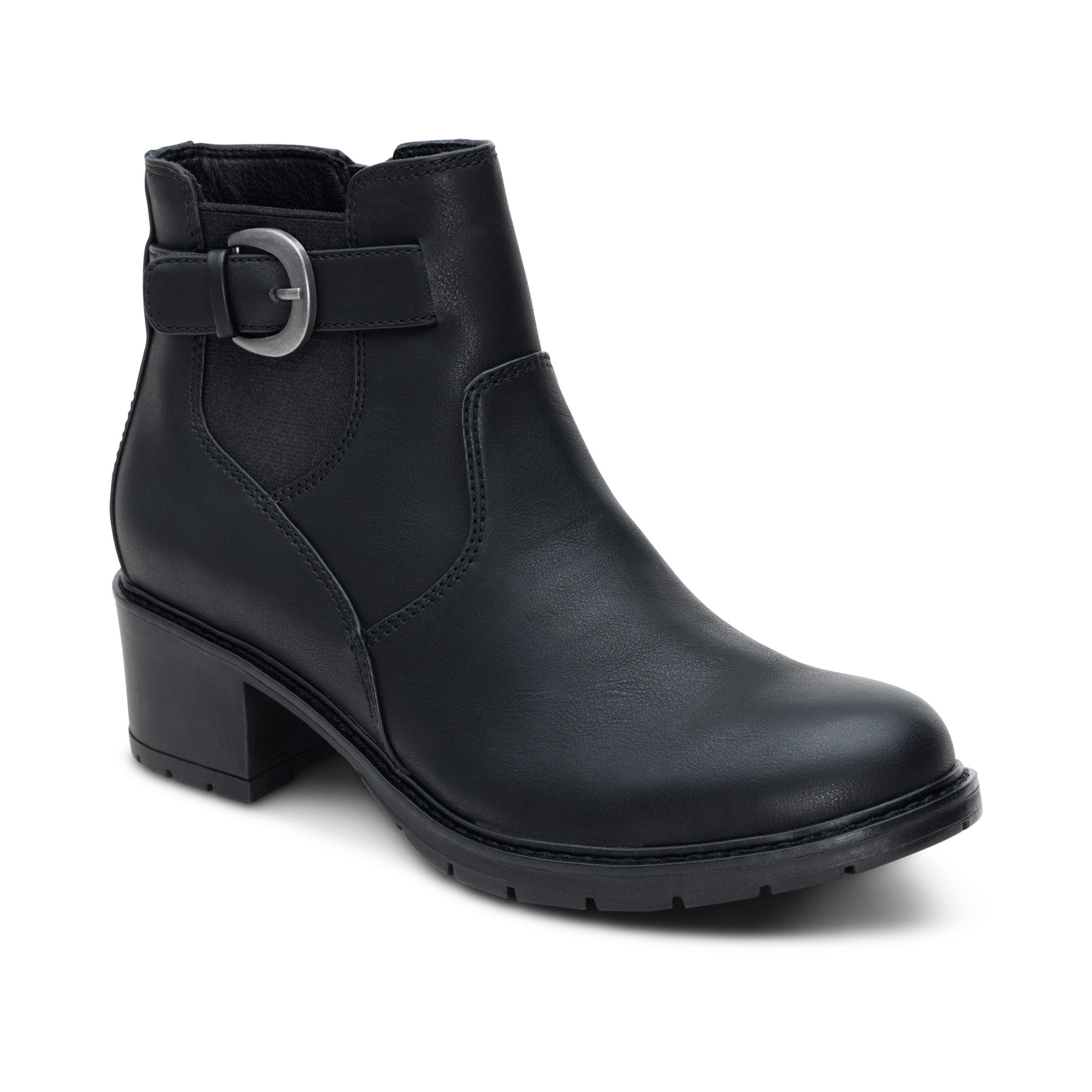
3. Western boots add personality without trying too hard
Western boots have moved beyond ranch wear. Their pointed toe, angled heel, and stitched upper can add character to simple city outfits. This makes them one of the most noticeable answers to what type of women's boots are in style.
You do not need a full Western outfit to wear them. Try these combinations:
- Western boots with straight leg jeans and a tucked shirt
- Black Western boots with a floral midi dress
- White boots with denim shorts and a relaxed blazer
- Brown boots with a long denim skirt
- Embroidered boots with a plain knit dress
The best way to style Western boots is to let one detail lead. If the boots have bold stitching or bright color, keep the rest of the outfit simple. Think of them as punctuation at the end of a sentence.
A common mistake is choosing a pair with a stiff shaft and narrow toe. Try walking on a hard floor before buying. The heel should feel stable, and your toes should have room to spread. A pointed toe can look narrow without squeezing the front of the foot, but the fit must still feel natural.

4. Riding boots offer timeless style
Riding boots have a tall, clean shaft and a low heel. They are practical, polished, and easy to wear across many seasons. For readers asking what type of women's boots are in style but also want lasting value, riding boots are a strong choice.
Traditional riding boots often come in black or brown leather. Newer versions may include softer suede, contrast panels, buckles, or a slightly wider shaft. The overall shape remains simple, which helps the boots stay useful after a seasonal trend fades.
Style riding boots with:
- Skinny or straight jeans tucked inside
- Knit dresses and long cardigans
- Pleated skirts and fitted sweaters
- Leggings with an oversized coat
- Tailored shorts and opaque tights
When shopping, measure the widest part of your calf while standing. Compare that measurement with the boot's shaft size. This small step can prevent one of the most common boot buying mistakes: purchasing a tall boot that looks good online but does not fit comfortably.
A leather riding boot may cost more at first, but quality leather can soften and develop character over time. Look for sturdy stitching, a firm heel, and a sole that can be replaced or repaired.
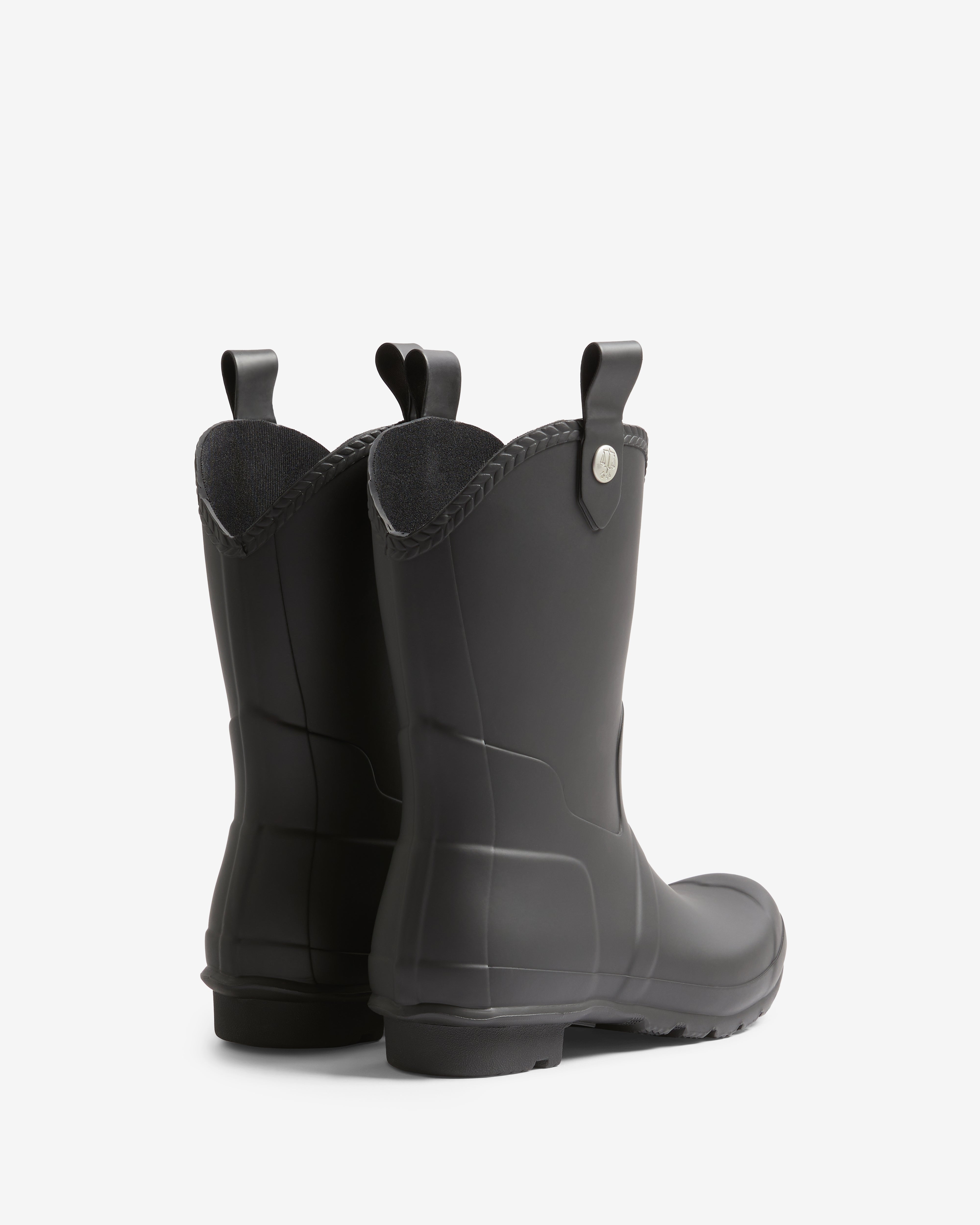
5. Lug sole and combat boots bring useful edge
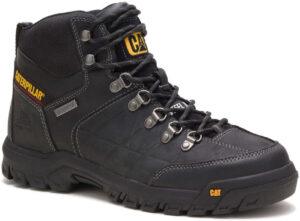
Lug sole boots have deep, thick treads. Combat boots usually have a lace up front and a sturdy shape. Both styles add visual weight and can make delicate clothing feel more balanced.
They are among the most practical women's boots in style for wet streets, cold weather, and casual weekends. Many lug boots also have strong traction, though no fashion boot should be treated as a substitute for purpose made snow or hiking footwear.
Wear them with:
- Floral dresses and a leather jacket
- Wide leg jeans and a fitted top
- Cargo pants and a simple sweater
- A short skirt with tights
- Monochrome outfits in black, gray, or cream
The trick is proportion. A heavy boot can overwhelm a very slim outfit. Add another grounded piece, such as a belt, structured jacket, or roomy bag, to make the look feel intentional.
My practical tip is to check the sole weight before buying. Some lug boots look stylish but feel tiring after a few hours. A lighter rubber sole can provide a similar look with less strain on your feet.
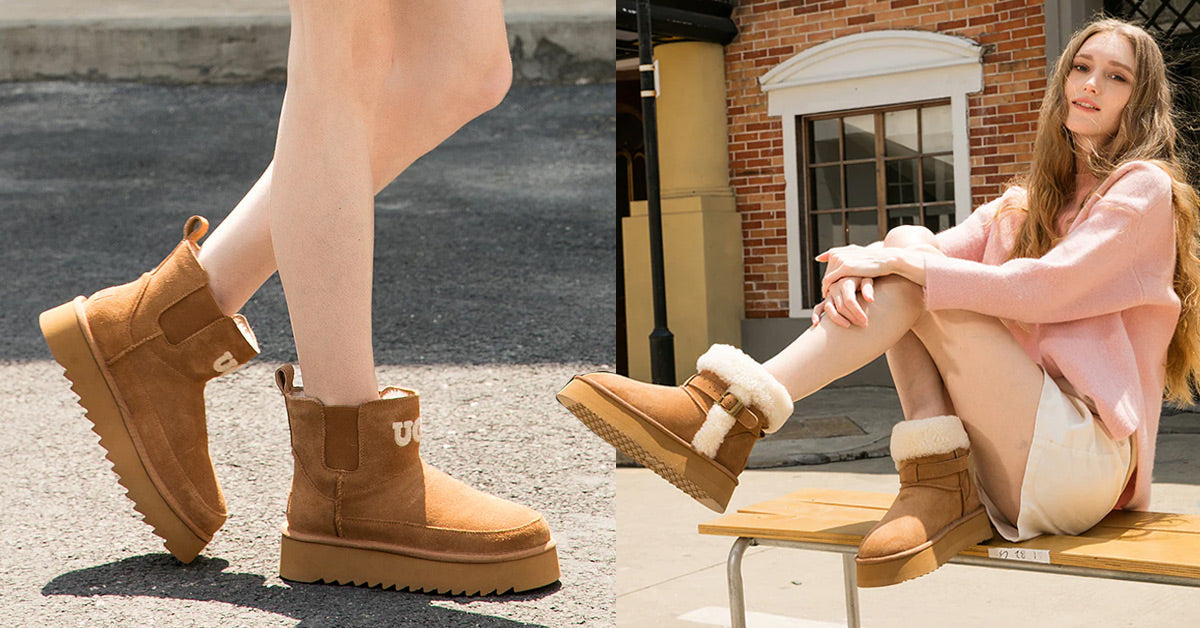
6. Slouchy and sock boots create a softer silhouette
Slouchy boots have relaxed folds around the ankle or calf. Sock boots fit closely, almost like a second layer of clothing. These shapes offer two different moods, yet both are part of the answer to what type of women's boots are in style.
Slouchy boots work well with:
- Midi skirts
- Loose dresses
- Slim jeans
- Tailored shorts
- Soft knit outfits
They add movement and texture. They are also helpful when you want a boot that feels less rigid than a structured leather style.
Sock boots create a smooth line under cropped pants or dresses. They often use stretch fabric, elastic panels, or flexible leather. Because they fit closely, check the opening around your ankle and calf. A tight edge can rub the skin or create pressure during walking.
These styles are more fashion led than riding or ankle boots. They may not suit every outfit or weather condition. Still, they can make a simple black dress or tailored suit feel current with very little effort.