Choose knee high boots by checking fit, shaft height, comfort, material, heel, and how well they suit your daily outfits.
Learning how to choose knee high boots is about more than finding a pair that looks good online. The right boots should fit your foot and calf, support your stride, match your wardrobe, and feel comfortable after several hours. This guide covers the practical details that experienced shoe fitters and everyday boot wearers consider before buying.
Start With the Right Fit
The best knee high boots feel secure without squeezing. Your heel should stay in place as you walk, while your toes should have room to move. A boot that feels tight in the store may become painful when your feet swell during the day.
When learning how to choose knee high boots, check these fit points:
- Your toes should not touch the front of the boot.
- Your heel should lift only slightly when you take a step.
- The instep should feel snug but not painfully tight.
- The boot should bend near the ball of your foot.
- The shaft should not pinch your calf or slide down.
Try boots on both feet. Most people have one foot that is slightly larger, and the larger foot should guide your choice. Walk on a hard surface for several minutes. Take a few steps, sit down, and climb stairs if the store allows it.
A common mistake is buying a boot that feels “almost right.” Shoes rarely stretch much in length. Leather may soften and expand slightly, but a narrow toe box or short footbed will usually remain uncomfortable.
Measure Your Feet and Calves
Accurate measurements make how to choose knee high boots much easier. Boot sizes can vary between brands, and calf measurements often matter as much as the foot size.
Measure your feet at the end of the day. Feet often swell after hours of standing and walking. Wear the socks, tights, or leggings you expect to wear with the boots.
Use this simple method:
- Place a sheet of paper on the floor.
- Stand on it with your full weight.
- Trace around each foot or ask someone to help.
- Measure from the longest toe to the heel.
- Measure the widest part of your foot.
- Record the larger foot’s measurements.
To measure your calf, stand naturally and wrap a soft tape around the widest part. Keep the tape level and do not pull it tight. Measure both calves because they may not be identical.
Many brands list shaft circumference. This number tells you how wide the boot opening is. Leave a little extra space if you plan to wear thick jeans or winter socks. For bare legs or thin tights, a closer fit may look cleaner.
Choose the Correct Shaft Height
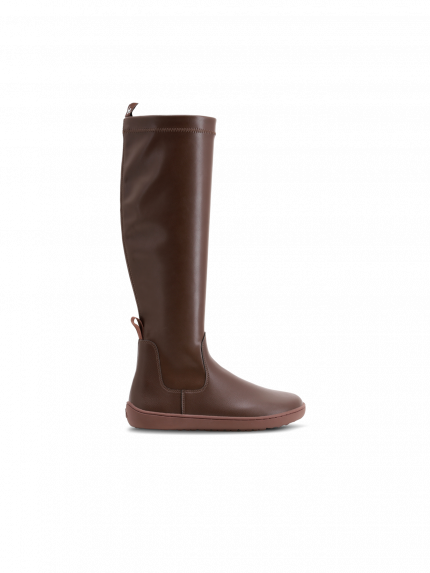
Knee high boots should reach near the knee without pressing into the back of it. The exact height depends on your leg length, boot design, and personal comfort.
A shaft that is too tall may rub your knee every time you bend your leg. A shaft that is too short may look more like a tall riding boot or mid-calf boot. Neither choice is wrong, but the style will be different.
When deciding how to choose knee high boots, think about the clothes you wear most often:


- A sleek, tall shaft works well with dresses and skirts.
- A relaxed shaft suits skinny jeans and leggings.
- A structured shaft looks polished with tailored pants.
- A lower knee height may feel better on shorter legs.
- A stretch panel can improve comfort around the calf.
Boots with a back zipper often provide a closer, cleaner shape. Pull-on boots can look more casual and may feel flexible, but they need enough room at the opening to pass over your calf and ankle.

Pick a Boot Shape That Matches Your Wardrobe
The toe shape changes the personality of a boot. It also affects comfort, especially if you walk often.
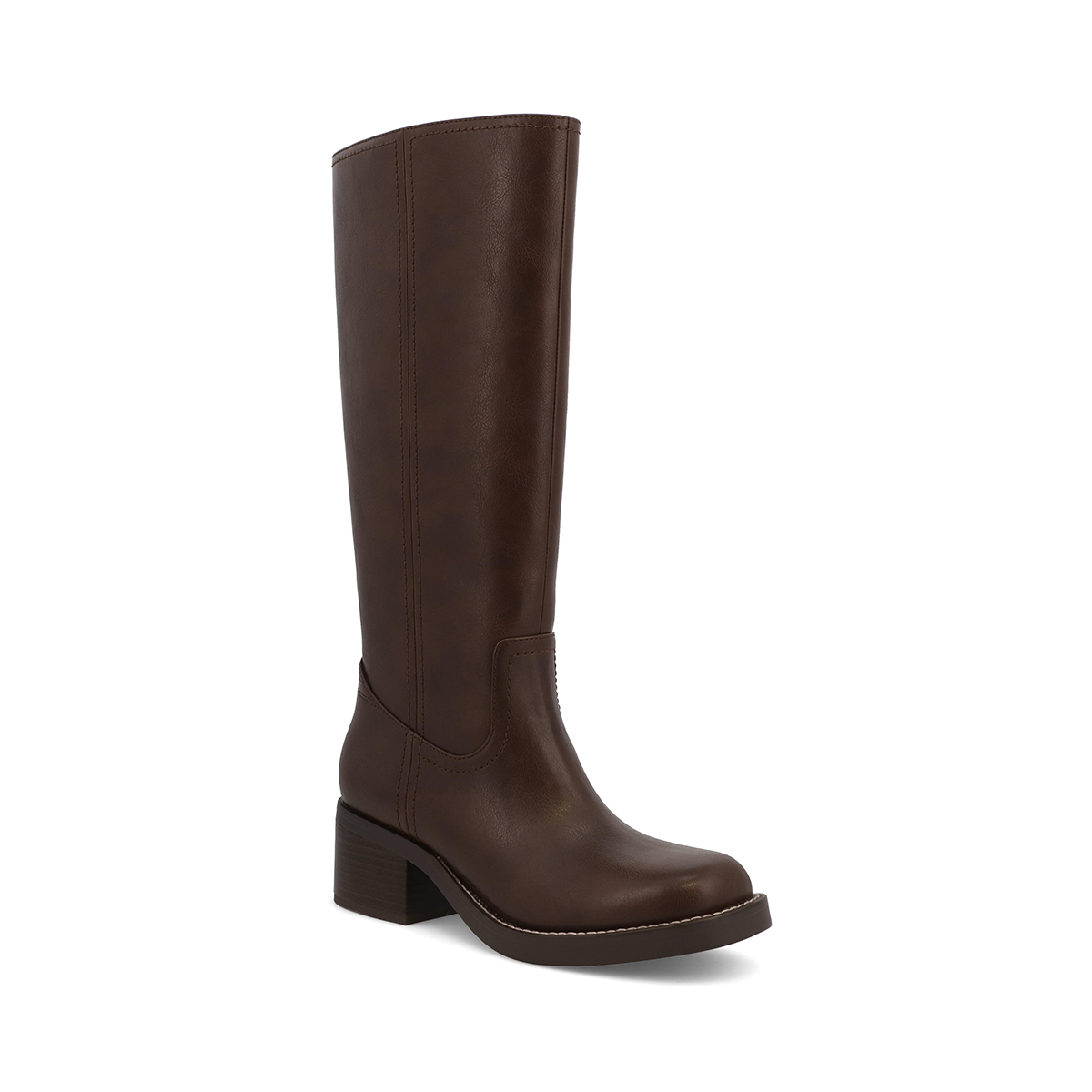
Round toes offer the most traditional feel and usually provide useful room. Almond toes look refined without being as narrow as pointed toes. Square toes create a modern look and can give the forefoot more space. Pointed toes look sharp, but they may not work well for wide feet or long days.
Consider the shape of your current wardrobe. If you wear soft sweaters, denim, and casual dresses, a round or almond toe may blend more naturally. If your closet includes blazers, tailored trousers, and structured coats, a pointed or square toe can look more polished.
Color matters, too. Black knee high boots are versatile and visually lengthen the leg. Brown boots add warmth and work well with denim, cream, tan, and olive. Burgundy, gray, and taupe can add interest without becoming difficult to style.
A useful rule is to choose a color that appears at least three times in your wardrobe. This helps the boots feel like part of your closet instead of a one-outfit purchase.
Select a Comfortable Heel
Heel height should match your daily routine. A two-inch block heel may be comfortable for commuting, work, and shopping. A slim three-inch heel can look elegant but may place more pressure on the ball of your foot.
When learning how to choose knee high boots, consider the heel base as well as its height:
- Block heels offer better stability.
- Low stacked heels suit long walks.
- Wedge heels spread weight across more of the foot.
- Stiletto heels create a dressy look but may tire your feet.
- Flat soles feel easygoing but still need good cushioning.
Stand in the boots for at least five minutes. Rise onto your toes and walk across the room. If your foot slides forward, the heel may be too high, the fit may be too loose, or the insole may lack support.
A practical lesson from testing many types of footwear is simple: comfort should not be treated as a bonus. If you cannot walk comfortably in the boots at home, you are unlikely to wear them outside.
Compare Materials and Construction
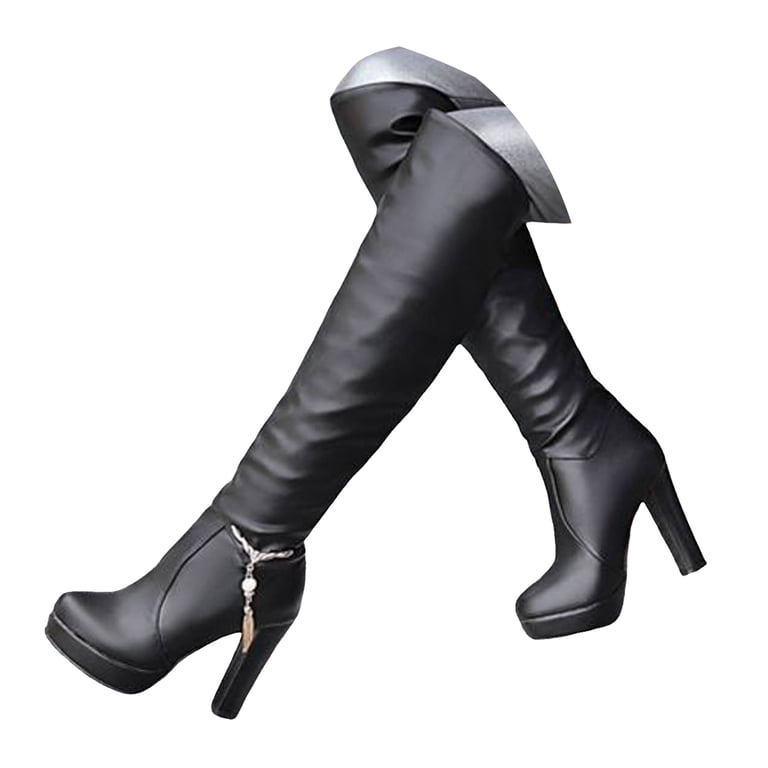
Material affects comfort, weather resistance, appearance, and price. Full-grain leather can soften over time and often develops a distinctive finish. Suede feels soft and looks rich, but it needs protection from water and stains. Synthetic materials can cost less and offer many colors, though breathability and durability vary.
Look closely at construction details:
- Seams should look straight and secure.
- Zippers should move smoothly without catching.
- The sole should flex slightly near the toe.
- The heel should sit firmly without wobbling.
- The lining should feel smooth against socks or tights.
- The outsole should offer traction for your normal conditions.
Water-resistant is not the same as waterproof. A water-resistant boot may handle light rain, while a waterproof boot is built for more exposure. Even waterproof boots can leak if the zipper, seams, or sole are poorly made.


Check the care instructions before buying. Suede needs a brush and protective spray. Leather may need conditioner. Some boots should never be soaked. Good care can extend the life of a quality pair, but it cannot fix poor construction.
Match Boots to Your Calf and Leg Shape
Knee high boots should follow your leg without cutting into it. A small gap may be acceptable with jeans, but a large gap can let in cold air and change the shape of an outfit.
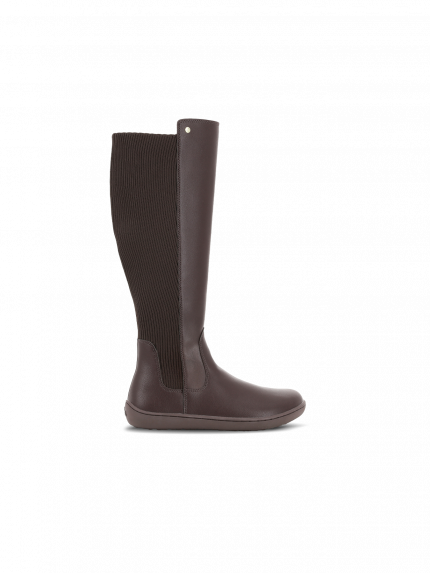
Wide-calf boots include extra room in the shaft. Some use elastic panels, stretch fabric, or adjustable buckles. These features can make a major difference, especially when wearing thick clothing.
If your calves are slim, look for boots with a narrow shaft or adjustable detail. A loose shaft may fold or wrinkle in a way that feels messy. However, a relaxed slouch can be intentional in casual styles, so the choice depends on the look you want.
When considering how to choose knee high boots for your leg shape, focus on balance rather than rules. The most flattering pair is usually the one that follows your natural line and lets you move freely.
Consider How You Will Wear Them
A beautiful boot that does not fit your lifestyle may stay in the closet. Think about where you will wear the boots before you shop.
For work, choose a stable heel, clean lines, and a neutral color. For walking, focus on cushioning, traction, and a flexible sole. For winter, leave room for warm socks and check whether the outsole grips wet pavement.
For special events, you can prioritize a slimmer shape or taller heel. Still, test the boots before the event. A stylish pair is not useful if it creates blisters after one hour.
Ask yourself:
- Will I wear these with jeans?
- Do I need room for tights or socks?
- Will I walk on rain, snow, or uneven ground?
- Do I need a zipper for easy removal?
- Can I care for the material properly?
- Does the style work across more than one season?
These questions prevent impulse purchases. They also explain why how to choose knee high boots should begin with your real routine, not only a product photo.
Try Knee High Boots the Smart Way
Online shopping can work well, but it requires careful checking. Read the size chart for the specific brand. Look for foot length, shaft height, and shaft circumference. Customer reviews can reveal whether the boots run narrow, stretch over time, or fit large calves.
When shopping in person, wear your usual socks or tights. Try both boots and walk for several minutes. Bend your knees and sit down. The shaft should not dig into the back of your leg.
At home, test the boots on a clean floor. Wear them with several outfits. Check for pressure points after 15 to 20 minutes. Keep the original packaging until you are sure the return policy still applies.
One fitting mistake I often see is judging boots while standing still. A pair can look perfect in a mirror and still rub the heel or pinch the calf when you move. Movement is the real test.


Avoid These Common Buying Mistakes
Many boot problems come from small decisions made during shopping. Avoiding them can save money and prevent foot pain.
- Do not buy a smaller size to make your feet look slimmer.
- Do not assume every brand uses the same size chart.
- Do not ignore calf width.
- Do not test boots only while sitting.
- Do not choose a heel you cannot walk in.
- Do not expect leather to fix a short toe box.
- Do not wear new boots for a full day without breaking them in.
- Do not skip the return policy.
- Do not confuse fashion boots with safety footwear for harsh weather.
Another mistake is focusing only on the outside of the boot. The insole, lining, heel counter, and outsole affect comfort just as much as color and shape. A boot should look good from the outside and feel supportive from the inside.
Build a Simple Knee High Boot Capsule
If you want one reliable pair, start with black, brown, or dark taupe. Choose a moderate heel, an almond or round toe, and a shaft that works with both dresses and slim pants.
A small boot capsule might include:
- Black leather boots for work and evening outfits.
- Brown or tan boots for casual denim looks.
- Weather-ready boots for rain or winter conditions.
- A dressier pair with a refined heel for events.
You do not need four pairs to dress well. One versatile pair can support many outfits when the fit, color, and shape are right. Add another style only when it solves a clear wardrobe need.
This is one of the most useful lessons in how to choose knee high boots: versatility often creates more value than novelty.
Knee High Boot Outfit Ideas
Knee high boots work with many clothing styles. The key is to create a clear line between the boot and the rest of the outfit.
Try these combinations:
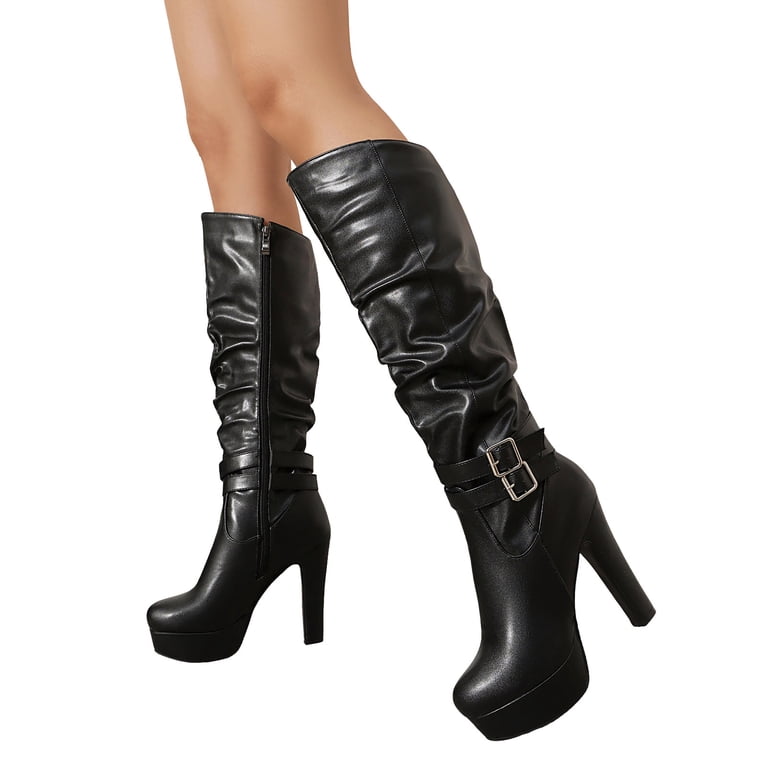
- Wear black boots with a sweater dress and opaque tights.
- Pair brown boots with straight-leg jeans and a loose cardigan.
- Style suede boots with a midi skirt and fitted knit top.
- Wear flat riding-style boots with leggings and a long coat.
- Pair heeled boots with tailored trousers that end just above the shaft.
- Combine cream boots with a denim skirt and a neutral sweater.
With wide-leg pants, make sure the hem does not catch on the boot. With short skirts, tights can create a smoother, warmer look. If the boots are bold, keep the rest of the outfit simple.
How to Care for Knee High Boots
Good care keeps boots comfortable and attractive. Remove dirt after each wear with a soft brush or cloth. Let damp boots dry at room temperature, away from radiators and direct heat.
Use products made for the material. Leather conditioner can help prevent dryness. Suede needs a suede brush and a suitable protector. Never apply a random product without checking the care label, because it may darken or damage the finish.
Store boots upright. Boot trees can help support the shaft and reduce creasing. If you do not have boot trees, use clean rolled paper, but avoid materials that shed ink or hold moisture.
Rotate your footwear when possible. Giving boots a day to rest allows moisture to evaporate and may reduce odor. These simple habits protect your investment better than emergency repairs later.


Frequently Asked Questions About How to Choose Knee High Boots
Should knee high boots be tight around the calf?
They should feel secure but not restrictive. You should be able to move your leg comfortably and wear the socks or clothing you plan to use with them.
How much room should be in the toe of a boot?
Leave about a thumb’s width between your longest toe and the front of the boot. Your toes should move freely without touching the end when you walk downhill or bend your foot.
Are knee high boots good for short legs?
Yes. A close-fitting shaft, a similar color to your pants or tights, and a moderate heel can create a long visual line. Avoiding bulky details around the ankle may also help.
Should I size up in knee high boots?
Only size up when the brand’s measurements or your foot width require it. A larger size will not reliably solve a calf-fit problem and may cause heel slipping.
Are leather or synthetic knee high boots better?
Leather can offer strong durability, breathability, and a soft fit with wear, but it often costs more and needs care. Synthetic boots can be affordable and easy to maintain, though quality varies widely.
How can I stop knee high boots from slipping down?
Choose the correct shaft size and look for boots with elastic panels, a shaped topline, or adjustable features. Over-the-knee socks or boot liners may help, but they should not replace a proper fit.
Can knee high boots be worn in rain?
Some can, but the label matters. Water-resistant boots handle light moisture, while waterproof designs offer more protection; neither should be exposed beyond the manufacturer’s care instructions.
Conclusion
Choosing knee high boots becomes much simpler when you focus on fit before fashion. Measure both feet and calves, check the shaft height, test the heel while walking, and select materials that suit your climate and routine. The right pair should feel stable, look natural with your wardrobe, and remain comfortable beyond the first few minutes.
Use this guide the next time you shop, and do not settle for boots that pinch, slip, or stay unworn. Compare measurements, try on both boots, and choose the pair that supports the way you really live.

Madison Clark is a footwear expert and the voice behind MyStyleGrid.com. She specializes in honest shoe reviews, style tips, and practical guides to help readers find the perfect pair for any occasion. With years of experience in blogging and content creation, Madison makes footwear knowledge simple, stylish, and easy to follow.