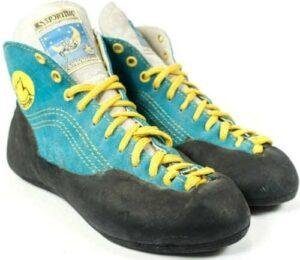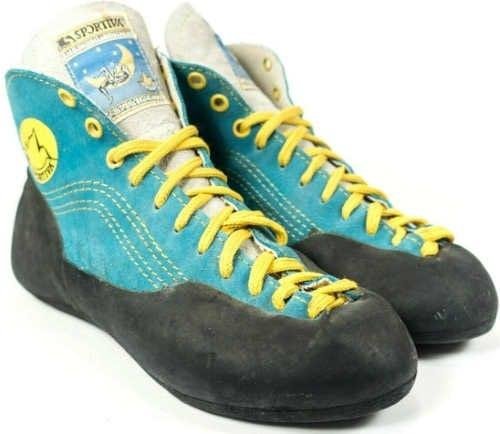
For climbers in the United States, climbing shoes usually last 6 to 18 months with regular use. A frequent gym climber may wear out a pair in 3 to 6 months, while an occasional climber may use the same shoes for 2 years or more.
The biggest factor is not the calendar. It is how often you climb, how much you walk in the shoes, how well they fit, and whether you resole them before the rubber wears through.
A good pair of climbing shoes should feel snug and secure. It should not have holes, a loose toe, a badly worn edge, or a sole so thin that you can feel the shape of the foothold through it.

How long do climbing shoes last?
The average climbing shoe lasts about 100 to 300 hours of climbing, but this is only a rough guide. Gym routes, outdoor rock, body weight, footwork, and shoe design all change the result.
Here is a practical estimate:
| Climbing pattern | Typical lifespan | Main reason |
|---|---|---|
| Occasional climbing, once or twice a month | 1–3 years | Low use and slow rubber wear |
| Indoor climbing once a week | 12–24 months | Moderate use |
| Indoor climbing two or three times a week | 6–12 months | Frequent contact with textured walls |
| Climbing four or more times a week | 3–9 months | High mileage and repeated bending |
| Frequent outdoor climbing | 6–18 months | Rough rock can wear rubber faster |
| Long approaches or walking in shoes | Often less than 6 months | Walking damages the toe and rand |
These ranges are estimates, not product guarantees. A soft, sensitive shoe may wear faster than a stiff shoe. A climber who uses precise footwork may get much more life from the same model than someone who drags the toe across the wall.
The short answer
Replace or resole climbing shoes when the rubber is too thin, the rand is damaged, the shoe loses its shape, or performance drops. Do not wait for a large hole if a resole is possible.
Most shoes can be resoled once the outsole is worn down but before the underlying rand and upper suffer major damage. A resole can often extend the useful life of the shoe by many months.
What makes climbing shoes wear out faster?
Climbing shoes wear out fastest when the toe drags, the shoe twists under load, or the climber walks on rough ground. Indoor climbing walls can also be hard on rubber because repeated attempts place the same part of the shoe against abrasive footholds.
1. Climbing frequency
More sessions usually mean more wear. A climber who visits a U.S. gym three times each week may put more stress on a shoe in six months than a weekend climber does in two years.
Track use by sessions rather than months. A pair used 100 times will usually show more wear than a pair bought 18 months ago and used 20 times.
2. Footwork
Poor footwork can cut shoe life sharply. Common causes include:
- dragging the toe across the wall
- Smearing with too much force
- Twisting the foot after placing it
- Repeatedly scraping the shoe on volumes
- Kicking the wall while searching for a foothold
- Using the toe to move mats, gear, or holds
Quiet, accurate foot placements protect both the shoe and the climber’s technique.
3. Climbing surface
Different surfaces create different wear patterns.


Textured indoor walls can grind down rubber quickly. Plastic holds may also create sharp edges that catch the toe.
Outdoor rock may be rough, sharp, or sandy. Granite and rough volcanic rock can wear rubber quickly. Smooth limestone may create less overall abrasion but can still damage a toe through repeated edging.
Approaches and gym floors also matter. Walking in climbing shoes compresses the heel and bends the toe. It can wear the rubber before the next route begins.
4. Shoe construction
Soft shoes often provide better sensitivity and flexibility. They may also wear faster because the rubber and upper flex more.
Stiff shoes can hold their shape longer, especially on small edges. However, stiffness does not make a shoe immune to toe drag, sharp rock, or poor storage.
Rubber compound also matters. Different brands and models use different rubber blends. A high-friction compound may feel more secure but may wear at a different rate than a harder compound.
5. Fit and foot shape
A poor fit can cause unusual wear. If the shoe is too large, the foot may slide inside it. That movement can create hot spots, pressure points, and extra friction.
If the shoe is too small, the climber may curl the toes aggressively or place the foot poorly to avoid pain. Extreme pain is not a sign of a high-performance fit.
The shoe should hold the foot firmly without causing numbness, sharp pain, or lasting discoloration.

How do you know when climbing shoes need replacing?
The clearest signs are a worn toe, thinning sole, damaged rand, loose upper, or loss of support. Inspect the shoes after cleaning them and before a difficult climbing session.
Signs that a resole may be enough
A resole may be suitable when:
- The outsole is smooth or thin
- The rubber has a small worn area
- The toe rubber is beginning to thin
- The rand is still mostly intact
- The upper has no major tear
- The shoe still fits well
- The sole is not separating from the upper
The rand is the rubber strip around the edge of the shoe. It helps hold the shoe’s shape and protects the upper. A climbing shoe can often be repaired if the outsole is worn but the rand remains in good condition.
Signs that replacement is the better choice
Buy a new pair when:
- A large hole has formed through the toe
- The rand is badly worn or split
- The upper is stretched beyond a useful fit
- The sole is separating in several places
- The heel or toe has lost its shape
- The midsole has become permanently soft or distorted
- The repair cost is close to the price of a suitable new pair
- The shoe causes pain even though the size and fit were once correct
A small hole does not always mean the shoe is beyond repair. A repair shop can tell you whether the damage is limited to the outsole or has reached the rand and upper.


A simple inspection checklist
Before each climbing session, check:
- Toe: Is the rubber thin, cracked, or missing?
- Edge: Is the rubber rounded instead of sharp?
- Rand: Is the side rubber separating or splitting?
- Upper: Are there tears, stretched areas, or broken seams?
- Sole bond: Is the outsole peeling away?
- Fit: Does the shoe still hold your foot securely?
- Performance: Can you edge, smear, and hook as you did before?
If the shoe fails one important check, stop using it for hard climbing until you assess the damage.

Can you resole climbing shoes?
Yes. Many climbing shoes can be resoled, and resoling is often the best way to extend their life. The repair works best when the outsole is worn but the rand, upper, and structure remain sound.
A climbing shoe repair specialist usually removes the worn rubber, checks the shoe, repairs the rand if needed, and applies new rubber. The final feel may be close to the original, but it may not be identical.
When should you resole?
Resole the shoe when the outsole is worn to a thin layer but before the hole reaches the rand. Waiting too long can make the repair more expensive or impossible.
A useful rule is this:
If you can see a small spot where the original sole is nearly gone, contact a resoler. Do not wait until your toe touches the wall through a hole.
How many times can a shoe be resoled?
There is no universal number. Some shoes can be resoled more than once. The limit depends on:
- The condition of the upper
- The amount of rand damage
- The shoe’s midsole
- Previous repairs
- How much the shoe has stretched
- The repair shop’s assessment
A well-maintained shoe may receive multiple repairs. Another shoe may be finished after one resole because the upper or rand has degraded.
Is resoling worth the cost?
Resoling can be worthwhile when the shoe fits well and the upper remains healthy. It may not be worthwhile when the shoe is badly stretched, painful, structurally damaged, or no longer suits your climbing.
Repair prices vary by location and by the work required. In the United States, ask for a quote before shipping the shoes. Compare the total cost, including shipping, with the price of a replacement pair that fits equally well.
What changes after a resole?
A resoled shoe may feel:
- Stiffer at first
- Less sensitive for a short period
- Slightly different at the toe
- Better or worse on certain footholds, depending on the rubber used
The result depends on the repair quality and the replacement rubber. A resole is not always an exact return to factory condition.


How can you make climbing shoes last longer?
The best way to extend climbing shoe life is to improve footwork, keep the shoes clean and dry, and avoid walking in them. Small habits can prevent months of unnecessary wear.
Use climbing shoes only for climbing
Take them off between routes. Do not walk around the gym, parking lot, trail, or campground in them.
Climbing shoes are built for precise contact, not general walking. Walking can flatten the toe, stretch the upper, and deform the heel.
Keep them dry
Sweat and moisture can cause odor and may affect the upper and lining over time. After climbing:
- Open the closures.
- Remove the shoes from your pack.
- Let them air-dry in a shaded, ventilated place.
- Keep them away from heaters, car dashboards, and direct hot sun.
High heat can warp rubber, damage adhesives, and change the shoe’s shape.
Clean them carefully
Brush dirt and chalk from the sole with a soft brush. If the shoes need more cleaning, follow the maker’s care instructions.
Avoid soaking them unless the manufacturer specifically allows it. Do not put climbing shoes in a washing machine or dryer. Water and heat can weaken the glue and alter the fit.
Improve toe placement
Place the toe on the hold instead of scraping it into position. Look at the foothold before moving the foot. Then place the shoe with control.
This helps the rubber last longer and improves climbing precision at the same time.
Store them correctly
Store climbing shoes in a cool, dry place away from:
- Direct sunlight
- Radiators and heaters
- Hot car interiors
- Oil, fuel, and solvents
- Sharp gear
- Sealed damp bags
A breathable shoe bag is usually better than leaving sweaty shoes sealed in a plastic bag.
Rotate pairs when possible
Two pairs can last longer than one pair used every session. Rotation gives each pair time to dry and reduces continuous stress on one shoe.
This does not always lower total cost, but it can help prevent odor and make wear easier to monitor.

Does shoe type affect how long climbing shoes last?
Yes. The shape, rubber, closure, and stiffness of a climbing shoe can affect both lifespan and wear patterns.


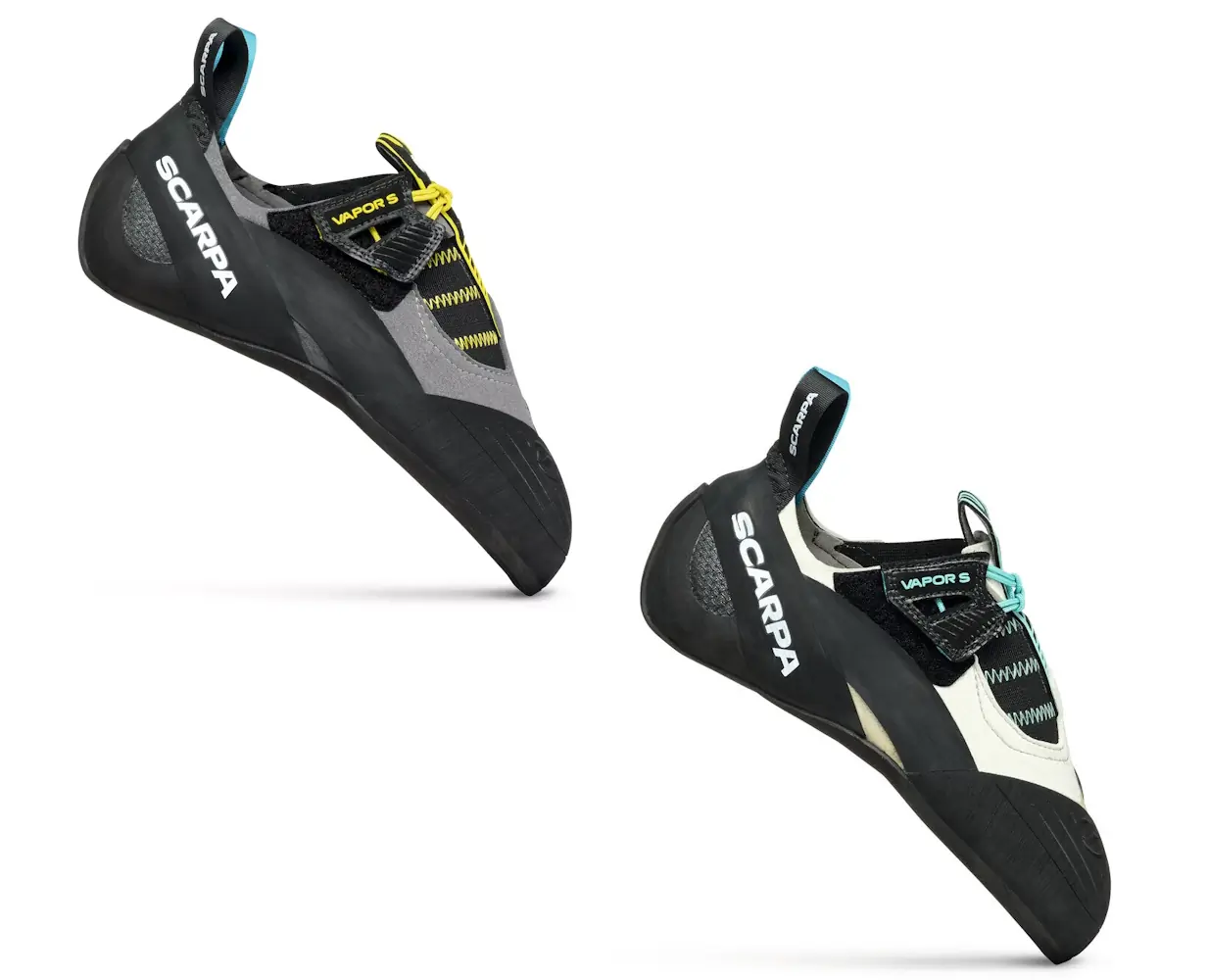
Soft, downturned shoes
Soft shoes often flex well and feel sensitive on slabs and volumes. They may wear faster if used for edging, toe hooks, or frequent indoor sessions.
They also tend to show shape changes sooner when worn by a climber who uses them for many hours each week.
Stiff, flat shoes
Stiffer shoes can support edging and may hold their form longer. They can be useful for long routes, cracks, and climbers who prefer comfort.
A stiff shoe can still fail early if the toe is dragged or the shoe is used for walking.
Velcro shoes
Velcro shoes are easy to remove between routes. That can help with comfort and reduce the habit of walking around in tight shoes.
The straps may wear or lose grip before the rubber does, especially if they are pulled hard or exposed to dirt.
Lace-up shoes
Lace-up shoes can offer a precise fit and may distribute pressure well. Their laces and eyelets can wear, but the shoe itself may remain usable.
A damaged lace is usually easy to replace. A damaged eyelet or torn upper may require a repair assessment.
Leather and synthetic uppers
Leather often stretches with use. A shoe that fit well at first may become too loose later.
Synthetic uppers may stretch less, but they can still deform or loosen with heavy use. The material alone does not determine the shoe’s lifespan.
How long do climbing shoes last in storage?
Unused climbing shoes can last for years when stored in a cool, dry place. However, rubber, adhesives, and synthetic materials can age even when the shoes are not being climbed in.
Avoid storing shoes in a hot garage, attic, trunk, or car. Heat can speed up glue failure and cause the rubber to harden or deform.
Before using an old pair, inspect the outsole, rand, straps, seams, and adhesive bond. Test them on easy terrain first. If the rubber feels unusually hard, brittle, sticky, or detached, do not trust the shoes on a difficult route.
Storage age is less useful than condition. A five-year-old pair kept in a climate-controlled closet may be in better shape than a one-year-old pair left in a hot vehicle.
Are worn climbing shoes dangerous?
Worn climbing shoes can increase the chance of a slip, especially on small edges, smears, and steep terrain. They may also encourage poor foot placement because the climber no longer trusts the shoe.
Climbing shoes are not protective footwear. They do not prevent all foot injuries, and they should not be used when the structure is failing.
Do not climb in shoes with:
- A large hole
- A detached sole
- A badly split rand
- A loose heel
- A broken closure
- Severe loss of shape
- Rubber that feels hard or brittle
Use a qualified climbing-shoe repair service when you are unsure whether the damage is repairable. Test repaired shoes on easy routes before using them on high-consequence climbs.

Common mistakes that shorten climbing shoe life
Several habits make shoes wear out sooner than necessary.
Waiting for a large hole
A large hole can damage the rand and upper. Early resoling is often easier and may preserve the original shape.
Wearing shoes that are too loose
A loose shoe allows the foot to move inside it. That can cause extra friction and reduce control.
Assuming pain means better performance
Pain can change footwork and make you avoid proper placements. A snug fit is useful; numbness and sharp pain are warning signs.
Leaving shoes in a hot car
Heat can damage glue and deform rubber. This is especially common during summer trips in states such as Arizona, Texas, Florida, and California.
Wearing climbing shoes on approaches
Walking on rock, pavement, or rough gym floors wears the toe and heel. Use approach shoes, hiking shoes, or sandals for non-climbing movement.
Using household glue
Many household adhesives are not designed for climbing-shoe rubber. They may create a hard spot, damage the upper, or interfere with a professional resole.

Key takeaways
- Climbing shoes usually last 6 to 18 months with regular use.
- Frequent climbers may wear out shoes in 3 to 6 months.
- Occasional climbers may get 2 years or more from a pair.
- Footwork, climbing surface, fit, heat, moisture, and walking habits all affect lifespan.
- Resole shoes when the outsole is thin but before the rand and upper are badly damaged.
- Replace shoes when the structure, fit, or rubber no longer supports safe climbing.
- Keep shoes cool, dry, clean, and off the ground between climbs.
Frequently asked questions
How many climbing sessions should climbing shoes last?
There is no fixed session count, but many pairs last roughly 50 to 150 climbing sessions. A short indoor session creates less wear than a long outdoor day on rough rock. Toe dragging and walking can reduce this range.
Should climbing shoes hurt?
They should feel snug but should not cause sharp pain, numbness, or lasting discomfort. Your toes may touch the end of the shoe, but the shoe should not force them into a painful position.
Can I climb with a small hole in my shoe?
A small hole may be repairable, but it can grow quickly. Stop using the shoe for hard climbing and ask a climbing-shoe resoler to inspect it.
Do climbing shoes stretch over time?
Many shoes stretch or change shape with use. Leather models often stretch more than synthetic models. The amount depends on the material, fit, heat, moisture, and climbing frequency.
Should I buy new shoes or resole my old pair?
Resole the pair if it still fits well and the upper and rand are in good condition. Replace it if the shoe is badly stretched, structurally damaged, painful, or no longer matches your climbing needs.
How should I clean climbing shoes?
Brush off dirt and chalk, then air-dry the shoes in a cool, shaded place. Follow the manufacturer’s care instructions, and avoid washing machines, dryers, heaters, and strong solvents.
Conclusion
Climbing shoes do not have one fixed expiration date. Their useful life depends on mileage, footwork, surface, fit, care, and construction.
Inspect the toe, sole, rand, upper, and fit on a regular basis. If the sole is worn but the rest of the shoe is sound, a resole may be the most practical choice. If the structure or fit has failed, replace the pair before it affects your climbing and confidence.

Rubel Miah is the Senior Editor at MyStyleGrid.com, where he brings a sharp editorial eye and an unshakable love for fashion to everything he does. A true style addict, Rubel lives and breathes trends, from streetwear to high fashion, and has a knack for turning inspiration into impactful stories. With years of experience in fashion journalism and digital media, he curates content that empowers readers to express themselves through style. When he’s not editing features or forecasting the next big thing, you’ll find him hunting down vintage pieces or capturing street style moments around the city.