You can buy steel toe shoes near me at workwear stores, safety supply shops, shoe retailers, and trusted online stores.
Finding where to buy steel toe shoes near me is about more than choosing the closest store. You need the right safety rating, fit, comfort, and sole for your job. This guide explains where to shop, what to check, how to compare prices, and how to avoid common fitting mistakes.

Where to Buy Steel Toe Shoes Near Me
When people search for where to buy steel toe shoes near me, they usually want to try the shoes on before work. Local stores let you check the fit, toe space, weight, and support in person. This can save you from ordering the wrong size online.
The best places to look include:
• Workwear stores that sell boots, uniforms, gloves, and protective gear
• Safety supply stores that serve construction, warehouse, factory, and utility workers
• Large shoe retailers with work boot sections
• Farm and ranch supply stores
• Hardware stores with a safety footwear department
• Brand outlet stores
• Company uniform shops
• Online retailers with free shipping and simple returns
Search terms such as “work boots near me,” “safety shoes near me,” and “steel toe boots near me” may show more local options than one exact phrase. Check store hours and call before driving over. Some stores list safety shoes online but have limited sizes in stock.


How to Find the Best Local Store
A nearby store is useful, but product knowledge matters just as much. A good retailer should ask about your job, floor conditions, required safety standards, and usual work hours.
Before visiting, check these details:
-
Read customer reviews for comments about sizing and service.
-
Visit the store’s website to see available brands and sizes.
-
Call to confirm that your preferred style is in stock.
-
Ask whether the store accepts returns after a short indoor fitting.
-
Check if the retailer offers workplace discounts or safety shoe programs.
-
Ask whether staff can explain ASTM safety labels.
A store that only points to the most expensive boot may not be the best choice. Helpful staff should explain the differences between steel toe, composite toe, electrical hazard protection, slip resistance, and waterproof materials.
When comparing where to buy steel toe shoes near me, also consider the store’s return policy. A shoe may feel fine for five minutes but become painful after several hours. A flexible return policy gives you room to test the fit safely at home.

Should You Buy Steel Toe Shoes Online or In Store?
Buying in person is often best for your first pair. You can compare toe shapes, walk on different surfaces, and feel how the heel holds your foot. This is especially helpful if your feet are wide, narrow, flat, or different sizes.
Online shopping can offer more brands, colors, sizes, and price options. It may also help if local stores do not carry specialty styles, such as women’s safety shoes, extra wide work boots, or lightweight composite toe shoes.
Use this simple comparison:
| Buying in a store | Buying online |
|---|---|
| Try on shoes before paying | Access to more brands |
| Get help from store staff | Often more price choices |
| Take the shoes home at once | Easy to compare reviews |
| Limited local selection | Must manage sizing and returns |
| May cost more | Shipping can delay delivery |
If you buy online, measure both feet at the end of the workday. Wear the socks you normally use at work. Compare your measurements with the brand’s size chart, because sizes can vary between brands.


A practical approach is to visit a local store first, learn your size and preferred shape, then compare online prices. This method works well when a local retailer has the right fit but a web store has a better sale.

What to Check Before Buying Safety Shoes
A steel toe cap protects your toes from impact and compression. However, the toe cap is only one part of a safe work shoe. The rest of the design must match the hazards at your job.
Look for these features:
ASTM safety rating
In the United States, protective toe footwear commonly follows ASTM F2413 requirements. This standard covers areas such as impact and compression protection. Some shoes also carry ratings for electrical hazard protection, puncture resistance, metatarsal protection, or chainsaw use.
Check the label inside the shoe or on the product box. Your employer may require a specific rating, so review your workplace safety policy before buying.
Slip resistant outsole
A slip resistant sole can help on wet concrete, oily floors, tile, and smooth warehouse surfaces. No outsole prevents every fall, though. A clean sole, careful steps, and proper floor maintenance still matter.
Electrical hazard protection
Electrical hazard rated footwear is designed to provide secondary protection from contact with live electrical circuits under certain conditions. It is not a replacement for electrical training, lockout procedures, or other required protective equipment.
Waterproof construction
Waterproof shoes help keep feet dry in rain, mud, and wet work areas. Breathable water resistant materials may be better for warm indoor work. Waterproof boots can feel hot if they lack ventilation.
Puncture resistant plate
A puncture resistant layer can help protect against nails, screws, and sharp debris. This feature is useful on construction sites and renovation projects.
Proper ankle and arch support
A supportive upper can reduce foot movement inside the shoe. Good support may also improve comfort during long shifts, especially when you stand or walk on hard floors.
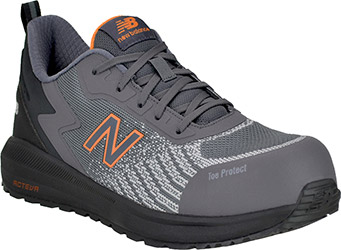
Steel Toe, Composite Toe, or Alloy Toe?
Steel toe shoes are popular because steel provides strong impact and compression protection. They are often affordable and easy to find. The main drawbacks are added weight and the possibility of feeling cold in low temperatures.
Composite toe shoes use materials such as carbon fiber, fiberglass, or plastic. They are often lighter and do not conduct cold as quickly as steel. They can be a good choice for workers who walk many miles or work outdoors in cold weather.
Alloy toe shoes use materials such as aluminum or titanium. They are usually lighter than steel but may cost more. They can also have a thinner toe cap, which may give your feet more room.


The right choice depends on your work rules and comfort needs. Do not assume that a lighter toe is automatically safer. Confirm that the shoe carries the safety rating your employer requires.
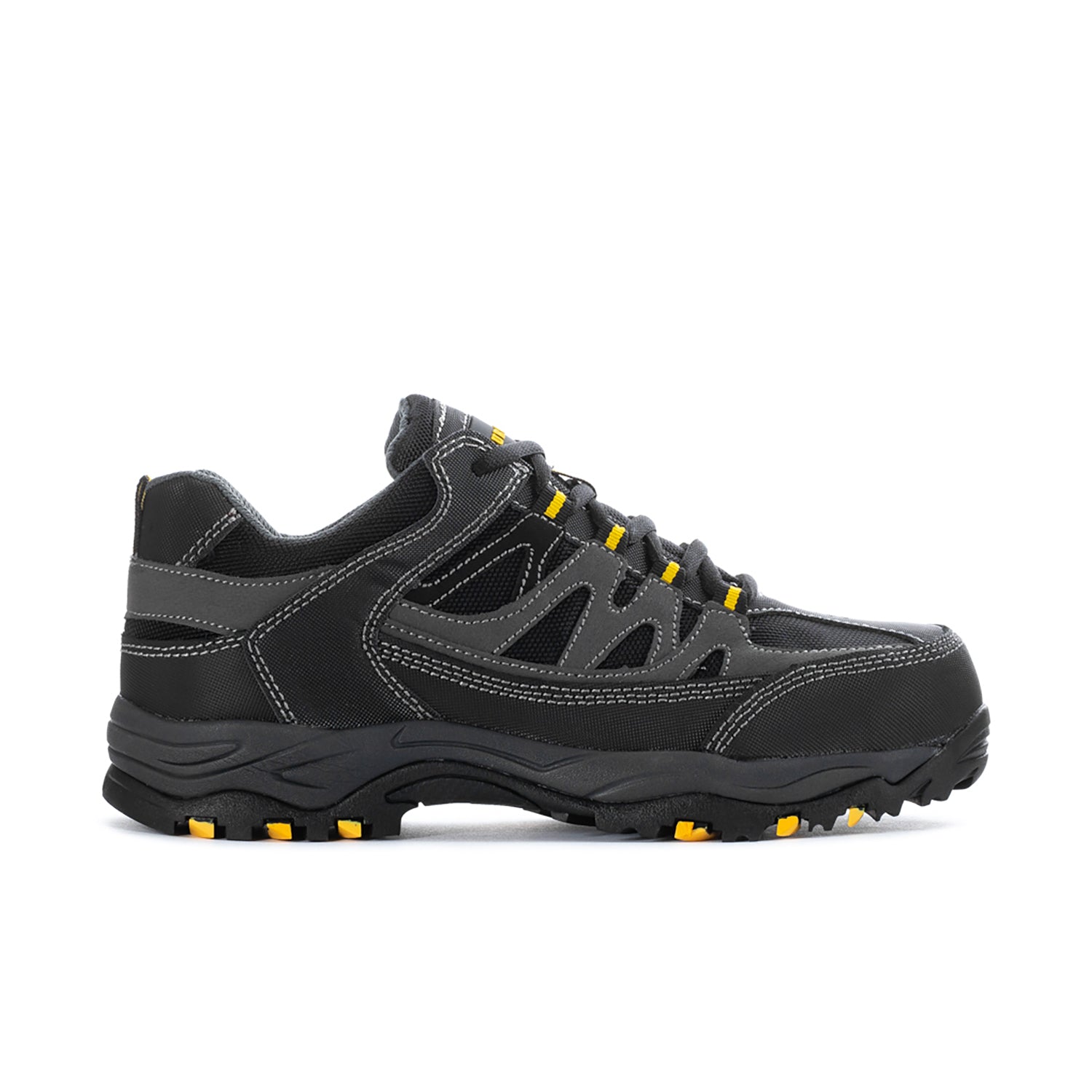
How Steel Toe Shoes Should Fit
A safe shoe that does not fit well can still cause trouble. Tight shoes may create pressure, blisters, numbness, and sore toenails. Loose shoes can allow your heel to slide and make you less stable.
Use these fitting steps:
-
Try on both shoes.
-
Shop late in the day when feet are slightly larger.
-
Wear your normal work socks.
-
Make sure your longest toe does not touch the front.
-
Wiggle your toes without pressing against the safety cap.
-
Check that your heel stays in place while walking.
-
Bend your foot and check for pinching across the top.
-
Walk for several minutes on a hard surface.
-
Test the shoes with any insoles you plan to use.
A common mistake is buying a larger size to create more toe room. This can cause heel movement and rubbing. Try a wider fit or a different toe shape instead.
Another useful lesson is to break in new shoes before a long shift. Wear them at home for short periods while checking for hot spots. Do not wait until the first day of work to discover that a seam presses against your ankle.


How Much Do Steel Toe Shoes Cost?
The price depends on materials, brand, safety features, and construction. Basic safety shoes may cost less than premium waterproof work boots with advanced support.
Typical price ranges include:
• Budget styles: about $50 to $90
• Mid range styles: about $90 to $170
• Premium boots: about $170 to $300 or more
Prices change during seasonal sales, clearance events, and employer discount programs. A low price is not always a bargain if the outsole wears quickly or the shoe causes foot pain.
Consider the cost per month of use. A $180 pair that lasts a year may offer better value than a $70 pair that becomes uncomfortable after two months. Keep your receipt and check the warranty for sole separation, stitching problems, and other defects.
When searching where to buy steel toe shoes near me, ask about payment programs. Some employers provide vouchers, reimbursements, or approved vendor lists. Using an approved seller may also ensure that the shoes meet workplace rules.
Best Places to Buy Different Types of Safety Footwear
Different stores may be better for different needs. Knowing where to shop can make your search faster.
Workwear and safety supply stores
These stores usually offer the strongest selection of protective footwear. Staff may understand job hazards and can help match shoes to construction, warehouse, manufacturing, or utility work.
Farm and ranch stores
Farm stores often carry durable boots with waterproof materials, aggressive traction, and wide sizing. They can be a useful option for outdoor work and agricultural jobs.
Athletic and comfort shoe retailers
Some shoe stores sell lightweight safety sneakers. These work well for warehouse employees, delivery drivers, and workers who walk on smooth indoor floors.
Hardware stores
Hardware stores may carry affordable work boots and basic steel toe shoes. Selection can vary, so check sizes before visiting.
Online retailers
Online stores offer the broadest range of brands and styles. Use verified reviews, detailed product photos, safety labels, and clear return terms.
The best answer to where to buy steel toe shoes near me may be a mix of local and online shopping. Try on a similar pair nearby, then compare the same model across several sellers.

Common Mistakes to Avoid
Buying safety footwear in a hurry can lead to discomfort or a failed workplace inspection. Avoid these common errors:
• Choosing style over the required safety rating
• Buying shoes that are too tight around the toes
• Wearing thin socks with heavy work boots
• Ignoring the return policy
• Assuming waterproof means breathable
• Buying a smooth sole for oily or wet floors
• Using worn shoes after the tread disappears
• Skipping the employer’s footwear rules
• Choosing a heavy boot for a job that requires constant walking
• Wearing new shoes for a full shift without breaking them in
One mistake I often see in footwear fitting advice is focusing only on the toe cap. A comfortable toe box, stable heel, supportive insole, and proper outsole can matter just as much during a long workday.
Replace safety footwear when the toe area is damaged, the sole is badly worn, the upper separates, or the shoe no longer fits securely. A safety rating does not make a badly damaged shoe safe.
How to Care for Steel Toe Shoes
Good care can extend the life of your work shoes and keep them more comfortable.
Follow these habits:
-
Remove dirt after each shift.
-
Let wet shoes dry at room temperature.
-
Do not place leather boots against a heater or strong heat source.
-
Use the cleaner recommended for the shoe material.
-
Replace worn insoles when support drops.
-
Rotate between two pairs when possible.
-
Check the outsole for cracks and missing tread.
-
Keep laces tied and replace broken laces.
Rotating shoes gives each pair time to dry. It also reduces the daily stress placed on the same materials. If your shoes develop a strong odor, remove the insoles and improve airflow instead of masking the smell with heavy sprays.
Frequently Asked Questions About Where to Buy Steel Toe Shoes Near Me
Where can I buy steel toe shoes near me today?
You can usually find them at workwear stores, safety supply shops, farm stores, hardware stores, and some large shoe retailers. Call first to confirm your size, safety rating, and preferred style are available.
Are steel toe shoes available at regular shoe stores?
Some regular shoe stores carry safety sneakers and work boots, but their selection may be smaller. For specialized features such as puncture resistance or metatarsal protection, a workwear or safety supply store is often a better choice.
How do I know if steel toe shoes meet workplace rules?
Look for the ASTM F2413 marking and review any additional symbols for electrical hazard, puncture, or metatarsal protection. Always compare the label with your employer’s written footwear requirements.
Are steel toe shoes uncomfortable?
They should not cause ongoing pain when they fit correctly. Choose the right width, leave room for your toes, wear suitable socks, and break the shoes in before a full shift.
Should I buy steel toe shoes online or in person?
Buying in person is helpful when you do not know your size or preferred toe shape. Online shopping can provide more choices and lower prices, but only use sellers with clear product details and easy returns.
How often should I replace steel toe shoes?
Replace them when the toe area, sole, stitching, or support is damaged or badly worn. Replacement timing depends on work conditions, walking distance, cleaning, and how often you wear the shoes.
Conclusion
The best place to buy steel toe shoes near me depends on your job, foot shape, required safety rating, and budget. Local workwear stores offer fitting help, while online retailers provide wider selection and easy price comparisons. Before you buy, check the ASTM rating, toe space, outsole grip, support, return policy, and employer rules.
Take time to try on your next pair with work socks and walk in them before your first shift. The right shoes protect your feet, support your work, and make a long day feel easier. Visit a trusted local retailer, compare approved options online, and share your own work footwear tips in the comments.

Madison Clark is a footwear expert and the voice behind MyStyleGrid.com. She specializes in honest shoe reviews, style tips, and practical guides to help readers find the perfect pair for any occasion. With years of experience in blogging and content creation, Madison makes footwear knowledge simple, stylish, and easy to follow.