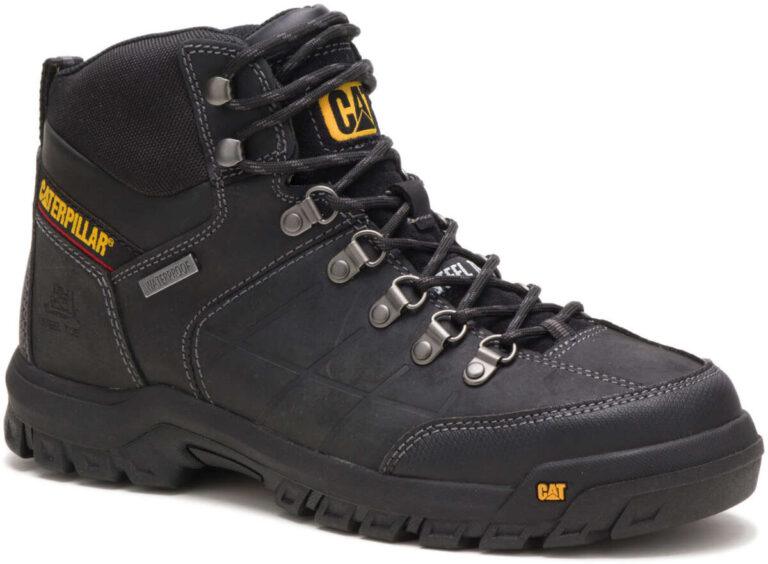
Steel toe shoes are work shoes with a tough steel cap that shields toes from crushing and impact hazards.
Steel toe shoes combine everyday footwear with a built-in safety barrier. They are made for workers who face falling objects, heavy tools, moving equipment, sharp materials, or other job-site risks. This guide explains what steel toe shoes are, how they work, where they help, and how to choose the right pair without wasting money.
What Are Steel Toe Shoes?
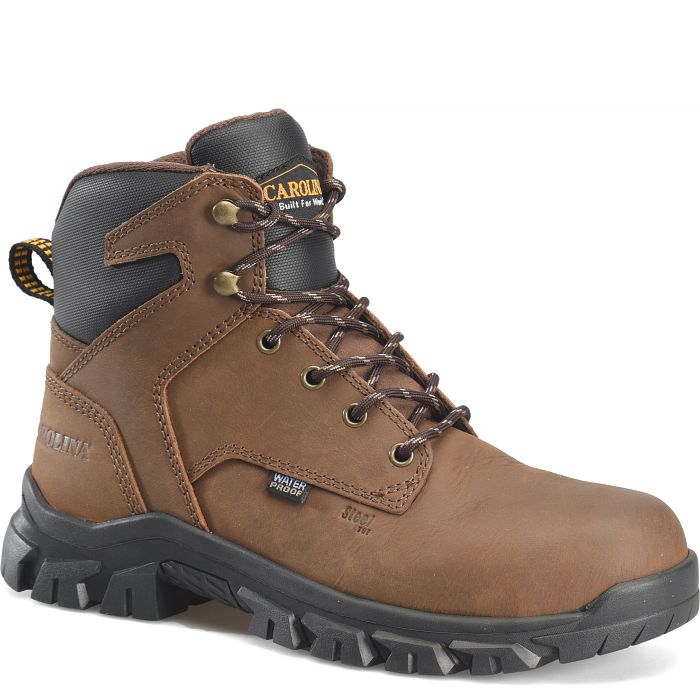
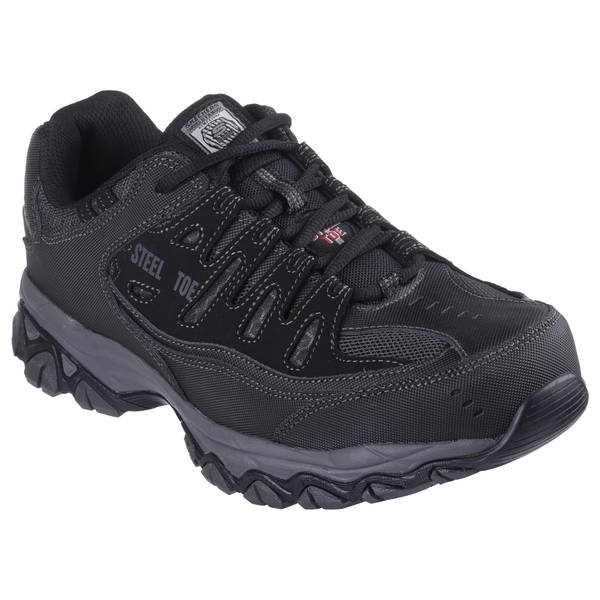
Steel toe shoes are protective work shoes with a reinforced steel cap inside the front of the shoe. The cap covers the toes and helps reduce injuries caused by impact or compression. Many people call them steel toe boots, even when the footwear has a low-cut shoe design.
The steel cap sits between the outer material and the inner lining. It is usually hidden, so the shoe looks like a normal work shoe. Under pressure, the cap helps spread force across a wider area instead of allowing the force to land directly on the toes.
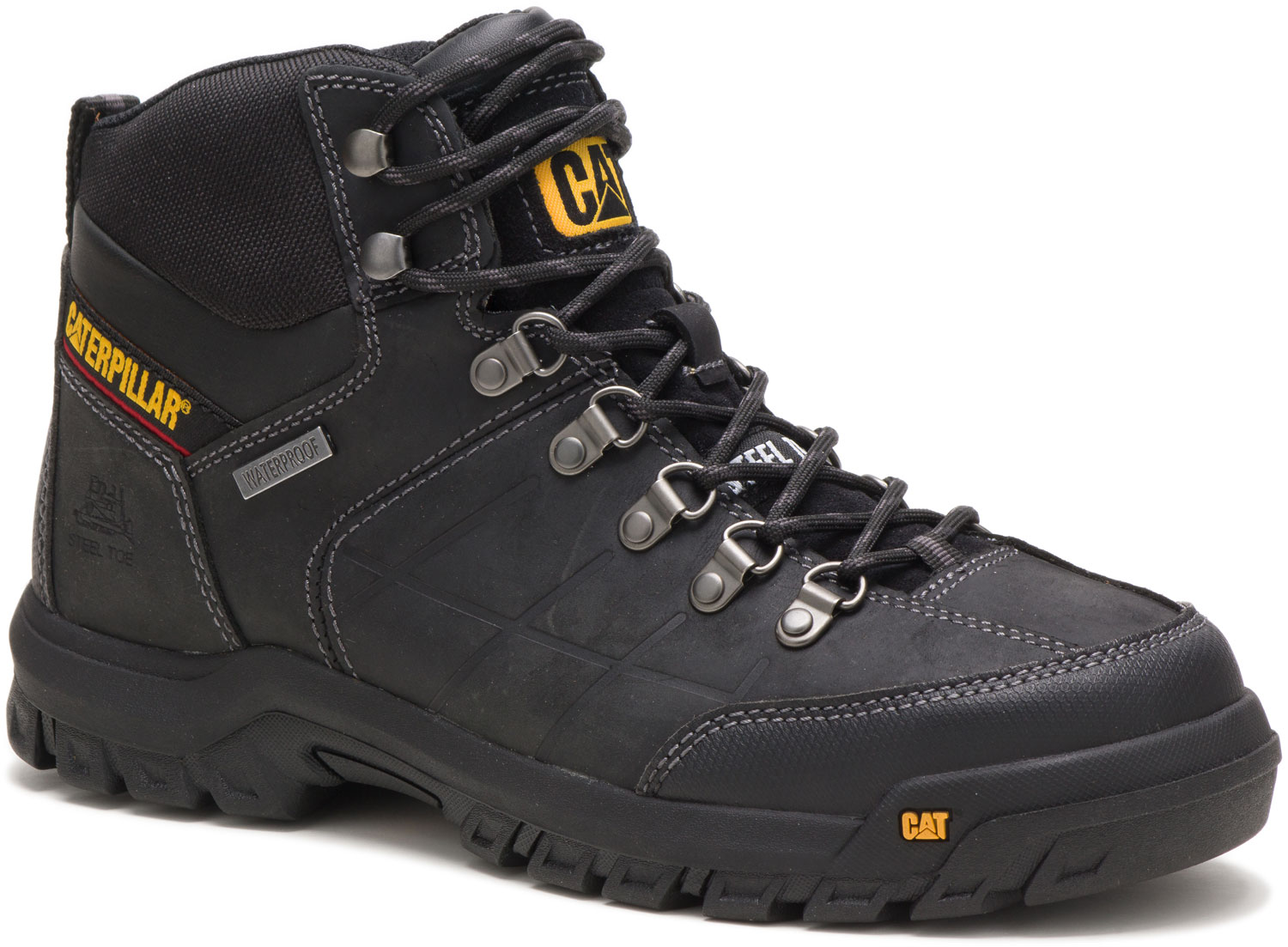
Steel toe shoes may also include other safety features, such as:
• Slip-resistant soles for wet or oily floors
• Puncture-resistant midsoles for nails and sharp objects
• Electrical hazard protection
• Waterproof membranes
• Ankle support
• Heat-resistant outsoles
• Reflective details for low-light work
• Cushioning for long shifts
However, steel toe shoes are not all the same. A pair made for warehouse work may not suit construction, electrical work, logging, or factory production. The correct choice depends on the hazards in your workplace.
How Do Steel Toe Shoes Work?
The main job of steel toe shoes is to create a strong shield around the toes. If a heavy box falls on the front of the shoe, the steel cap can resist the force and help prevent the shoe from collapsing onto the toes.
Steel toe shoes are also designed to handle compression. Compression happens when a heavy object presses down on the foot, such as when a worker’s foot becomes trapped under equipment or materials.
A useful way to picture the toe cap is as a small helmet for your toes. A helmet does not make every accident harmless, but it gives your body a stronger layer of protection than ordinary clothing can provide.
In the United States, many protective shoes follow ASTM F2413 performance requirements. These requirements cover areas such as impact and compression resistance. Employers may also follow Occupational Safety and Health Administration rules that require protective footwear when foot injuries are possible.
Look for clear product markings. A compliant shoe may show information about:
• Impact resistance
• Compression resistance
• Electrical hazard protection
• Static dissipative properties
• Puncture resistance
• Metatarsal protection
Do not assume that every shoe labeled “work” or “safety” meets every standard. Check the manufacturer’s product details and your employer’s safety policy.

What Are the Benefits of Steel Toe Shoes?
Steel toe shoes offer more than a hard front. They can make a demanding workday safer and more comfortable when the shoe matches the job.
Protection From Falling Objects
Construction workers, warehouse staff, mechanics, and delivery workers may handle heavy items every day. A dropped wrench, box, pipe, or machine part can cause severe toe injuries.
The steel cap helps protect against many common impact hazards. It cannot prevent every injury, but it can greatly improve the level of protection compared with regular sneakers.
Protection From Compression
A foot can be injured even when nothing falls from above. Heavy equipment, pallets, carts, and vehicles can press against the toes during an accident.
Steel toe shoes help resist this crushing force. This feature matters in factories, loading areas, workshops, and construction zones.
Strong Daily Wear
Many steel toe shoes use leather, synthetic leather, rubber, or a mix of durable materials. These materials can handle dust, rough surfaces, sparks, and repeated use better than casual shoes.
A good pair may also last longer because the upper and sole are built for demanding conditions. Still, no work shoe lasts forever. Replace the pair when the sole wears smooth, the cap becomes exposed, or the shoe loses its shape.
Better Grip
Safety shoes often use rubber or other slip-resistant compounds. These soles can provide better traction on concrete, tile, metal, and some wet surfaces.
Slip resistance varies by design and floor type. A sole that performs well in a warehouse may not work as well in a kitchen covered with grease or in an area with chemical residue.
Workplace Compliance
Some employers require protective footwear as part of their safety program. Wearing approved steel toe shoes can help you follow workplace rules and avoid preventable injuries.
Always ask which rating your employer requires. A basic steel toe cap may not be enough if the job also involves puncture risks, electrical hazards, chemicals, or extreme heat.
Are Steel Toe Shoes Comfortable?
Steel toe shoes can be comfortable, but comfort depends on fit, design, weight, and break-in time. A poorly fitted pair can cause blisters, pressure points, sore arches, or numb toes.
Modern designs are often lighter and more flexible than older work boots. Some use a roomy toe box, soft lining, flexible soles, and shock-absorbing insoles. These features can make a major difference during an eight- or twelve-hour shift.
Use these tips to improve comfort:
• Measure both feet at the end of the day
• Wear the work socks you normally use
• Leave room in front of the longest toe
• Make sure your heel does not lift excessively
• Walk, squat, and climb stairs before buying
• Avoid shoes that pinch the toes from the sides
• Replace thin factory insoles with supportive insoles if needed
Your toes should not touch the steel cap while standing or walking. The cap should protect your toes without pressing against them.
One common mistake is buying a size that feels tight because the shoe looks more secure. Tight footwear does not provide better protection. It can limit blood flow and create pain long before the workday ends.

Steel Toe Shoes vs. Composite Toe Shoes
Steel and composite toe shoes both protect the front of the foot, but they use different materials.
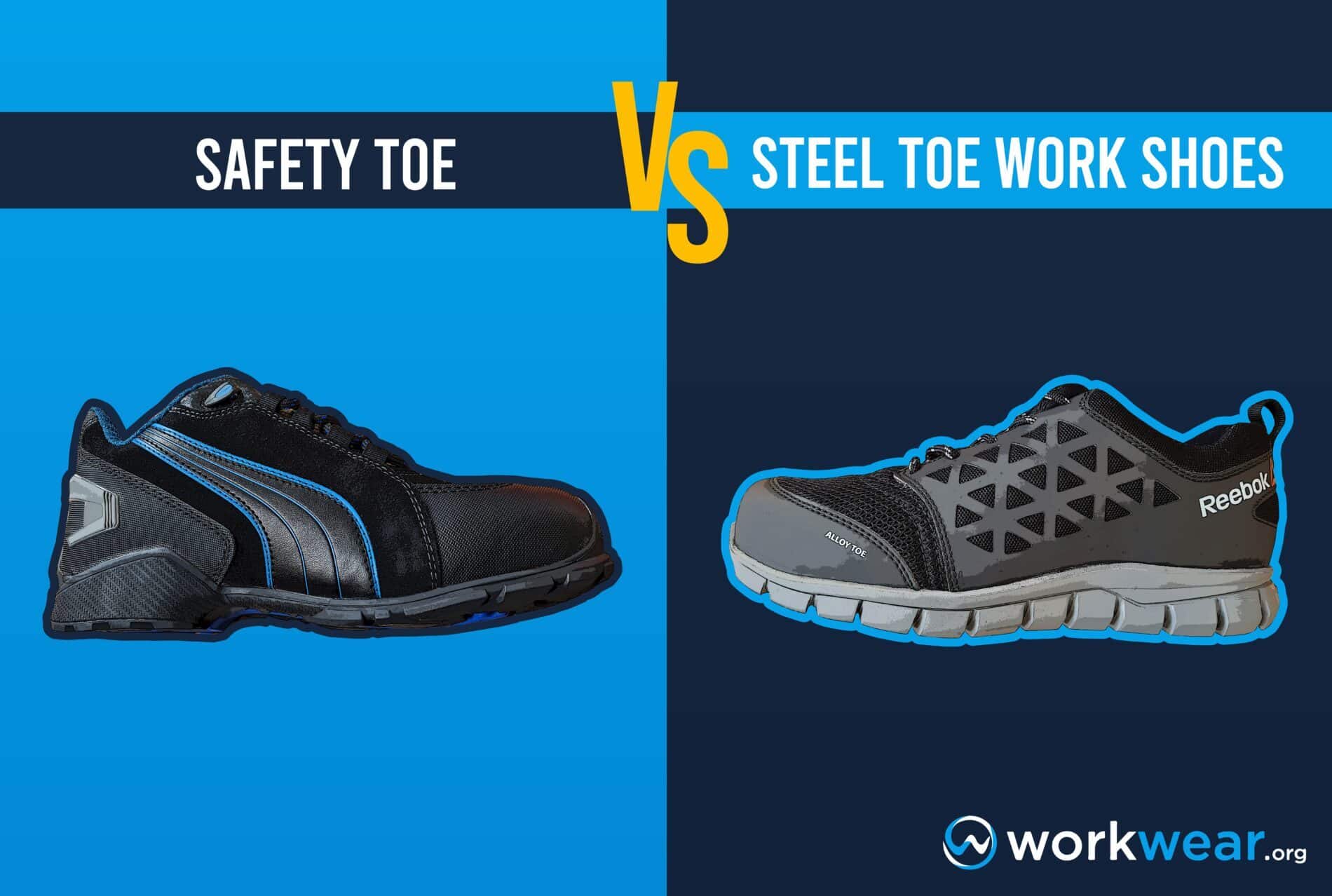
Steel toe shoes use a steel cap. Composite toe shoes use nonmetal materials such as carbon fiber, fiberglass, plastic, or Kevlar.
Steel Toe Shoes
Steel toe shoes are known for strong impact and compression protection. They are often less expensive and widely available in many styles.
Possible drawbacks include added weight and greater heat or cold transfer. Steel may also trigger metal detectors, which can matter in some workplaces.
Composite Toe Shoes
Composite toe shoes are usually lighter than steel toe shoes. They do not conduct cold or heat as quickly, and they do not contain metal.
They may work well for airport staff, electricians, security workers, and people who move between very hot and cold areas. However, composite materials can vary widely, so check the product’s tested rating instead of judging by the material alone.
Which One Should You Choose?
Choose steel toe shoes when you want proven, durable protection and weight is not a major concern. Choose composite toe shoes when light weight, insulation, or metal-free footwear matters more.
Neither option is automatically safer for every job. The right choice depends on the tested performance, fit, job hazards, and employer requirements.
What Other Safety Features Should You Consider?
A steel cap only protects the toes. Your job may require protection for the sole, sides, ankles, or the entire foot.
Puncture Resistance
Puncture-resistant shoes include a protective layer in the sole. This layer helps reduce the risk of nails, screws, glass, and other sharp objects entering from below.
Steel toe protection does not automatically mean puncture protection. Look for a separate puncture-resistant rating if you work around loose nails, scrap metal, or demolition waste.
Electrical Hazard Protection
Electrical hazard footwear is designed to reduce the chance of a dangerous electrical path through the shoe under specific conditions. It is not a replacement for proper electrical training, insulated tools, lockout procedures, or other safety controls.
People who work near electrical systems should follow their employer’s rules and confirm that the footwear carries the needed marking.
Slip Resistance
Slip-resistant soles can lower the risk of falls on slick surfaces. This feature matters in restaurants, hospitals, warehouses, factories, and outdoor work areas.
No shoe can prevent every slip. Keep the soles clean, replace worn footwear, and use extra caution around oil, ice, and chemicals.
Waterproofing
Water-resistant or waterproof steel toe shoes can help keep feet dry in rain, mud, and wet work areas. Waterproof shoes may feel warmer, so they are not always ideal for hot indoor workplaces.
Check whether the shoe is fully waterproof or only water resistant. These terms do not mean the same thing.
Metatarsal Protection
Metatarsal guards protect the bones on top of the foot. They are useful when heavy objects may fall or roll onto the upper foot, not just the toes.
A standard steel toe cap does not protect the entire top of the foot. Jobs with large pipes, heavy machinery, or falling materials may require this added feature.
Who Should Wear Steel Toe Shoes?
Steel toe shoes are useful for anyone exposed to foot injury hazards at work. They are common in many fields, including:
• Construction
• Manufacturing
• Warehousing
• Transportation
• Plumbing
• Electrical work
• Welding
• Automotive repair
• Landscaping
• Farming
• Mining
• Utility maintenance
• Food production
Some workplaces require safety shoes by law or company policy. Others may recommend them based on a hazard assessment.
A quick hazard check can help. Ask yourself:
- Could an object fall on my feet?
- Could heavy equipment roll over my feet?
- Could a sharp object pierce the sole?
- Could I slip on oil, water, or chemicals?
- Could I face an electrical hazard?
- Do I need protection from heat, cold, sparks, or chemicals?
If you answer yes to one or more questions, regular sneakers may not offer enough protection.

How to Choose the Best Steel Toe Shoes
Choosing steel toe shoes is not only about finding the lowest price. A good pair should match the job and feel stable throughout the workday.
1. Identify the Main Hazards
Start with your workplace. Review the safety handbook, speak with a supervisor, or ask a safety professional which ratings are required.
Do not buy a waterproof shoe if puncture resistance is the main concern. Do not choose a basic toe cap when your job requires metatarsal protection.
2. Check the Safety Rating
Read the label and product description carefully. Look for information related to ASTM performance, impact, compression, electrical hazards, puncture resistance, and slip resistance.
Be cautious with vague claims such as “industrial strength” or “maximum protection.” Specific markings are more useful than marketing language.
3. Get the Right Fit
Try on both shoes with your usual socks. Your heel should stay in place, and your toes should have room to move without touching the cap.
Walk for several minutes. Bend your knees and climb a few steps if possible. If the shoe causes pain in the store, it will probably feel worse during a long shift.
4. Check the Weight
Heavy steel toe shoes may feel tiring after many hours. Lightweight models can reduce fatigue, but they must still meet the safety rating your job requires.
If you walk several miles at work, pay close attention to weight, cushioning, and sole flexibility.
5. Inspect the Sole
Look for deep, well-spaced tread if you work outdoors or on rough ground. For indoor work, a flatter slip-resistant pattern may be more comfortable and easier to clean.
The sole should bend near the front of the foot but should not twist easily from side to side.
6. Consider the Climate
Choose breathable materials for hot work areas. Choose insulation and waterproofing for cold or wet conditions.
Remember that the steel cap may feel cold in winter. Warm socks can help, but composite toe shoes may be a better choice for some cold environments.

Common Problems and Mistakes to Avoid
Even the best steel toe shoes can cause problems when they are used incorrectly.
Buying a Shoe That Is Too Small
A tight toe box can cause blisters, calluses, numbness, and pressure pain. It may also push your toes against the cap during movement.
Choose enough space for natural toe movement. Do not expect a very tight shoe to stretch into a comfortable one.
Ignoring the Break-In Period
Some leather shoes need a short break-in period. Wear them for brief periods before using them for a full shift.
Do not wait until the first long workday to discover that the heel rubs or the tongue presses into your ankle.
Assuming Steel Toe Means Full Protection
Steel toe shoes do not automatically protect against nails, electricity, chemicals, heat, water, or sharp objects. Each hazard requires the correct feature and rating.
Think of the steel cap as one part of a safety system, not the entire system.
Wearing Damaged Footwear
Stop using the shoes if the sole is badly worn, the upper splits, or the protective cap becomes visible. Damage can reduce protection and create trip hazards.
Inspect your footwear at least once a week, especially if you work around concrete, metal, mud, or chemicals.
Wearing the Wrong Socks
Thin cotton socks may become damp and cause friction. Moisture-wicking work socks can reduce rubbing and help control sweat.
Avoid socks that bunch up inside the shoe. Wrinkles can create pressure points during long shifts.
How to Care for Steel Toe Shoes
Proper care can improve comfort and extend the life of steel toe shoes.
• Remove dirt after each shift
• Let wet shoes dry naturally
• Do not place leather shoes directly against a heater
• Use a shoe brush to clean the upper
• Apply the correct conditioner to leather
• Remove insoles so they can air out
• Check the tread for wear
• Rotate between two pairs when possible
• Follow the manufacturer’s cleaning instructions
Never cut, drill, or alter the toe area. Changes can weaken the shoe or affect its tested safety performance.
If the shoes develop a strong odor, clean the inside according to the care label. Breathable socks and fully drying the shoes can also help.
Frequently Asked Questions About What Are Steel Toe Shoes
What are steel toe shoes used for?
Steel toe shoes are used to protect the toes from falling objects, heavy equipment, and compression hazards. They are common in construction, manufacturing, warehouses, repair shops, and other high-risk workplaces.
Are steel toe shoes required by law?
They may be required when a workplace presents a risk of foot injury, but the exact rule depends on the job and location. In the United States, employers generally use hazard assessments and applicable workplace safety requirements to decide when protective footwear is necessary.
Do steel toe shoes hurt your feet?
Steel toe shoes should not hurt when they fit correctly. Pain often comes from a narrow toe box, poor arch support, excessive weight, or wearing the wrong size.
Are steel toe shoes better than composite toe shoes?
Neither is best for every worker. Steel offers strong and widely recognized protection, while composite materials are often lighter and do not conduct heat or cold as quickly.
Can steel toe shoes stop a nail from going through the sole?
Not usually. Toe protection and puncture protection are separate features, so you need shoes with a puncture-resistant midsole when sharp objects are a workplace concern.
How long do steel toe shoes last?
Their life span depends on use, materials, care, and working conditions. Replace them when the sole is worn, the upper is damaged, the shoe no longer fits well, or the protective structure may be affected.
Can you wear steel toe shoes every day?
Yes, you can wear steel toe shoes every day if they fit well and match your work needs. Use clean socks, allow the shoes to dry, and replace them when they show serious wear.
Conclusion
Steel toe shoes are protective work shoes with a reinforced steel cap that helps guard the toes against impact and compression. They can also include slip-resistant soles, puncture protection, electrical hazard protection, waterproofing, and other job-specific features.
The safest choice is not always the heaviest or most expensive pair. Match the shoe to your workplace hazards, check the safety markings, and choose a fit that stays comfortable for the full shift. Take time to inspect and care for your footwear, then replace it when protection or comfort begins to decline.
Use this guide before your next purchase, compare the required ratings, and choose steel toe shoes that help you work with greater confidence and comfort.

Rubel Miah is the Senior Editor at MyStyleGrid.com, where he brings a sharp editorial eye and an unshakable love for fashion to everything he does. A true style addict, Rubel lives and breathes trends, from streetwear to high fashion, and has a knack for turning inspiration into impactful stories. With years of experience in fashion journalism and digital media, he curates content that empowers readers to express themselves through style. When he’s not editing features or forecasting the next big thing, you’ll find him hunting down vintage pieces or capturing street style moments around the city.