Women's dress pants should usually reach the top of your shoe with a clean, slight break.
Knowing where should women's dress pants fall can make an outfit look polished, balanced, and comfortable. The right length depends on the pant cut, shoe height, body proportions, and dress code. This guide explains how dress pants should fit at the waist, hips, and hem, with simple tests you can use before buying or altering a pair.
Where Should Women’s Dress Pants Fall?
For classic full-length dress pants, the hem should usually touch the top of your shoe. It may create a small fold, called a slight break, at the front. The back should cover most of the heel without dragging on the floor.
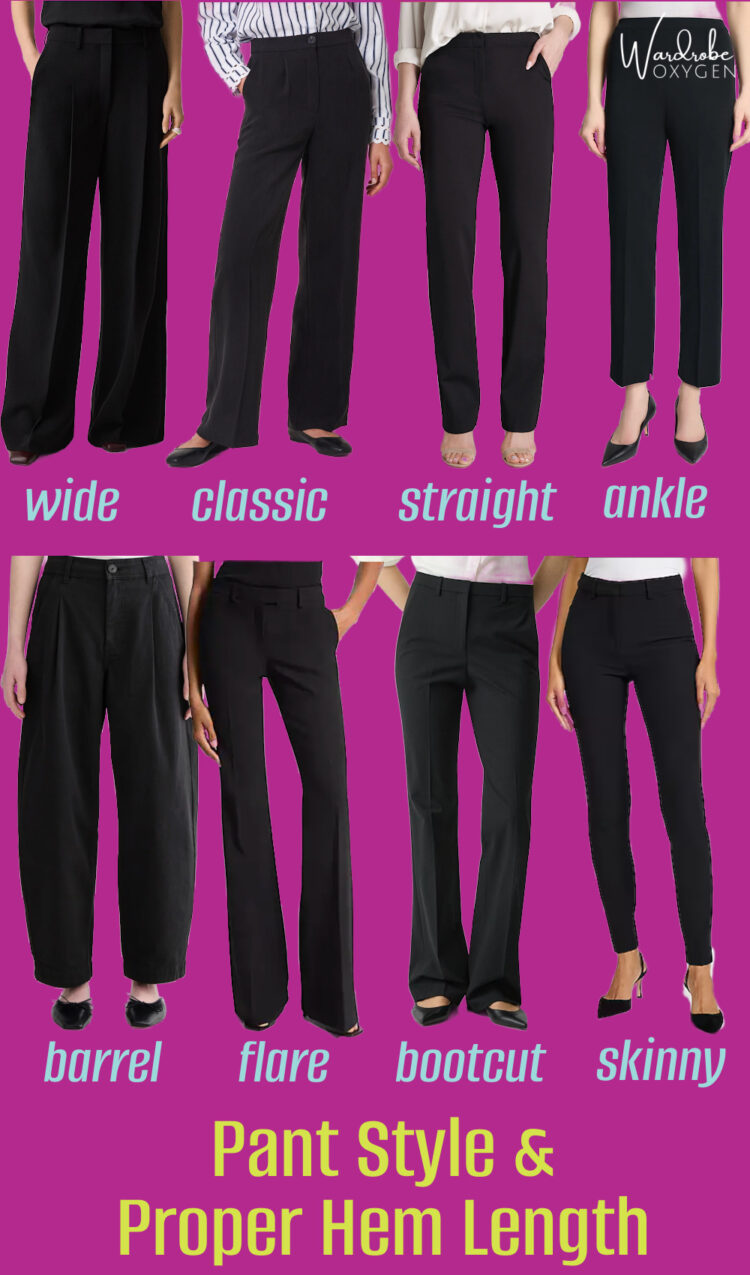
Where should women's dress pants fall also depends on the style. Straight-leg and bootcut pants often look best with a slight break. Wide-leg pants can fall longer, while ankle pants should end above the ankle bone.
A well-fitting pair should meet these basic points:
• The waistband sits smoothly without pinching or sliding.
• The fabric skims the hips and thighs without pulling.
• The front crease, if present, hangs straight.
• The hem does not bunch around the ankle.
• The pants do not drag, fold heavily, or expose too much sock.
Think of the hem as the frame around your shoes. If it is too long, it hides the frame. If it is too short, the whole outfit can look cut off.

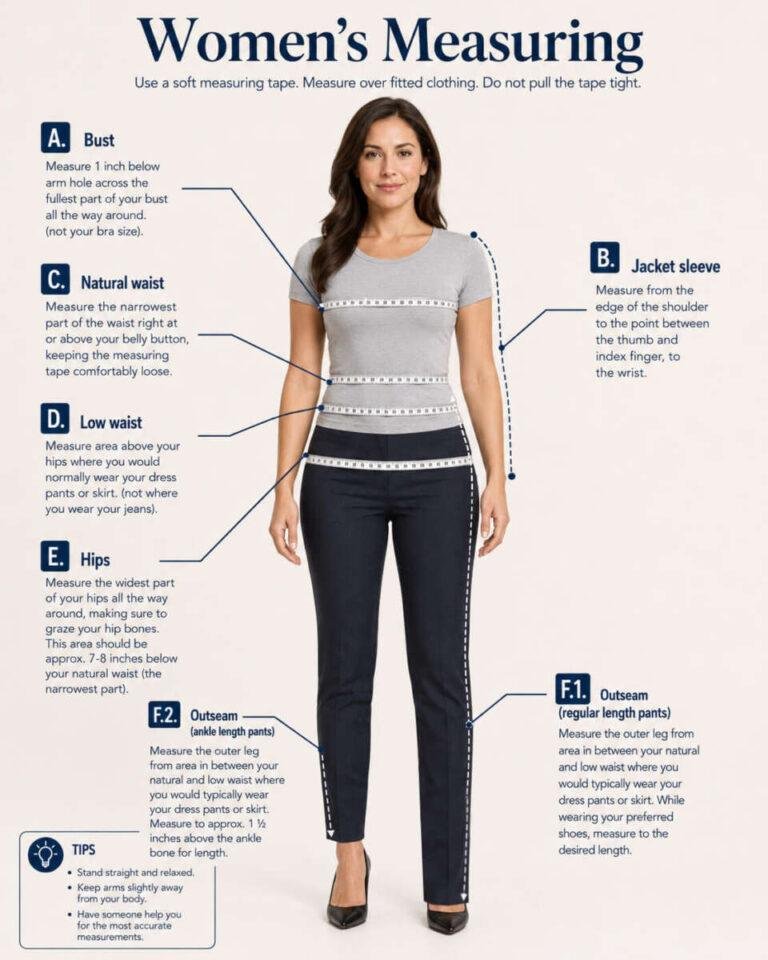
How Dress Pants Should Fit at the Waist
The waistband should sit at the level intended by the design. High-rise pants often sit near the natural waist. Mid-rise pants usually sit below the navel, while low-rise styles sit closer to the hips.
You should be able to slide one or two fingers between your waist and the waistband. If you cannot, the pants may be too tight. If you can fit your whole hand inside, they may need tailoring or a smaller size.
Where should women's dress pants fall at the waist? They should stay in place when you sit, stand, and walk. A waistband that rolls, gaps, or digs into your skin is not fitting correctly, even if the pant length looks perfect.
Try this simple movement test:
-
Stand naturally and check that the waistband lies flat.
-
Sit in a chair and look for tightness across the stomach.
-
Walk several steps to see whether the pants slide down.
-
Bend slightly and check whether the back waistband gaps.
-
Raise one knee to test comfort through the hips and thighs.
A small gap at the back does not always mean the pants are the wrong size. It may mean you need a curvy fit or a simple waist adjustment from a tailor.
How Long Should Full-Length Dress Pants Be?
Full-length dress pants should normally reach the top of the shoe. The hem may cover part of the shoe, but it should not sweep the floor. This length gives the leg a long, clean line.
For straight-leg pants, aim for a slight break at the front. The fabric should make one soft fold where it meets the shoe. A deep stack of fabric often means the pants are too long.
For bootcut pants, the hem should cover most of the shoe and fall close to the floor. The back should not hover far above the heel. This style needs enough length to keep the flare balanced.
For wide-leg trousers, the hem can sit slightly lower. It should skim the top of the shoe while leaving enough space for you to walk safely. Wide-leg pants that are too short can look stiff, while pants that are too long can become a trip hazard.
Where should women's dress pants fall with flats? The hem should be adjusted for the shoes you wear most often. A hem made for three-inch heels may drag when worn with flats.

What Is a Pant Break?
A pant break is the fold or crease created when the hem meets your shoe. It helps describe where dress pants fall over the foot.
There are three common break styles:
• No break: The fabric ends just above the shoe with little or no fold.
• Half break: The hem creates one small fold across the front.
• Full break: The fabric makes a deeper fold and may bunch near the ankle.
A half break is a safe choice for many traditional office outfits. It looks neat without appearing too short. A no-break hem can look modern, especially with slim trousers or ankle-length pants.
A full break is less common in women’s tailored clothing. It may work with relaxed, wide-leg trousers, but excess fabric can look untidy.
The best choice depends on the fabric. Wool blends often hold a crease well. Soft rayon, polyester, and stretch fabrics may drape differently and need a cleaner, shorter hem.

Where Should Ankle Dress Pants Fall?
Ankle dress pants should end at or just above the ankle bone. They usually show a small amount of the lower leg and work well with loafers, flats, pumps, and low heels.
Where should women's dress pants fall when they are ankle length? The hem should look intentional, not as if the pants shrank in the wash. A clean opening between the hem and shoe helps show that the cropped length is part of the design.
Use these guidelines for ankle pants:
• Slim ankle pants can end at the narrowest part of the ankle.
• Straight ankle pants may end slightly lower, near the ankle bone.
• Wide cropped pants often look best several inches above the ankle.
• Avoid a hem that hits at the widest part of the calf.
The calf area is important because a hem at its widest point can make the legs look shorter. Moving the hem up or down by an inch can create a more balanced shape.
Shoes also change the effect. Pointed-toe shoes extend the visual line of the leg. Ankle straps can make the leg look more divided, so the hem and strap should not compete for attention.

How Different Pant Styles Should Fall
Each trouser style has its own ideal length. Applying one rule to every pair can lead to poor fit.
Straight-Leg Dress Pants
Straight-leg pants usually fall to the top of the shoe with a slight break. The hem should hang straight rather than twist toward the inside or outside of the foot.
Wide-Leg Dress Pants
Wide-leg pants may be longer than straight-leg pants. The hem should skim the shoe and remain just above the floor. Wear the shoes you plan to use when checking the length.
Bootcut Dress Pants
Bootcut pants need enough length to cover the shoe. A hem that ends too high can make the lower leg look wider and disrupt the shape of the pants.
Slim Dress Pants
Slim pants often suit a shorter hem. They may end at the ankle bone or create a very small break over a low shoe.
Tapered Dress Pants
Tapered pants should narrow toward the ankle without clinging. They often look best with little or no break.
Where should women's dress pants fall is therefore a style question as well as a measurement question. The hem should support the shape of the pants, not fight it.

How Shoes Affect Dress Pant Length
The same pair of pants may look perfect with heels and too long with flats. This happens because the shoe changes the distance between your foot and the floor.
When measuring or hemming dress pants, wear the shoes you expect to wear with them. If you switch often between flats and heels, choose a moderate length or have separate pairs adjusted for each shoe type.
Consider these combinations:
• Flats: Choose a hem that reaches the top of the shoe without touching the floor.
• Low heels: A small break usually works well.
• High heels: The pants can be longer, but the hem should not trail behind you.
• Loafers: A slight break or ankle-length hem often looks balanced.
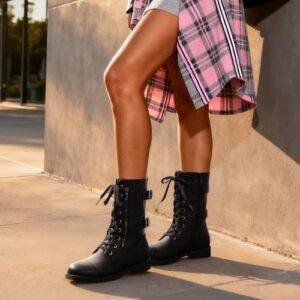
• Ankle boots: The hem may cover the top of the boot or stop just above it.
• Pointed-toe pumps: A longer, clean line can make the outfit look elegant.
A useful test is to walk on a hard floor. If the hem catches under your heel, it is too long. If the hem rises several inches above the shoe, it may be too short for a full-length style.

How Body Proportions Affect the Right Length
There is no single hem length that suits every body. Leg length, torso length, height, and shoe choice all affect how pants appear.
Petite shoppers may prefer ankle pants or a full-length hem with a pointed shoe. A shorter hem can prevent fabric from overwhelming the frame. However, very cropped pants may make the legs look shorter if they stop at the widest part of the calf.
Tall shoppers often have more flexibility. Full-length, ankle, and cropped styles can all work, but tall women should check the inseam carefully. Many standard pants end above the ankle when a longer cut is needed.
If you have a longer torso and shorter legs, a higher rise can help create balance. If you have a shorter torso, a mid-rise trouser may feel more comfortable and look less crowded.
Where should women's dress pants fall for a balanced look? Start with comfort and the shape of the garment, then consider how the hem divides the leg. The best length usually ends at a narrow, intentional point.

Common Signs That Dress Pants Are Too Long
Length problems are easy to spot once you know what to look for. Too much fabric can hide your shoes and make the outfit appear heavy.
Your dress pants may be too long if:
• The hem drags on the floor.
• Several folds gather around the ankle.
• The back of the hem catches under your heel.
• The fabric pools over the top of your shoes.
• The crease bends or twists near the ankle.
• You step on the hem when walking.
A tailor can shorten most dress pants. Leave the original hem when possible, especially on pants with a special finish or visible stitching.
Do not judge length while standing perfectly still. Walk, sit, and climb a few steps. In my experience, many fitting mistakes appear only after movement. A pair may look fine in front of a mirror but feel awkward when you walk across a room.

Common Signs That Dress Pants Are Too Short
Dress pants can also look wrong when the hem is too high for the style. This is especially noticeable with straight-leg, bootcut, and traditional work trousers.
They may be too short if:
• The pants stop well above the ankle bone without being designed as ankle pants.
• Your socks show clearly when you stand.
• The hem rises sharply when you sit.
• The back of the shoe is mostly uncovered in a full-length style.
• The trouser shape looks wider or heavier at the bottom.
A short hem is not always a mistake. Cropped trousers are meant to show part of the ankle. The key is whether the length looks planned and matches the cut.
When trying pants in a store, compare the hem with the product design. A slim ankle trouser and a classic office trouser should not fall at exactly the same point.
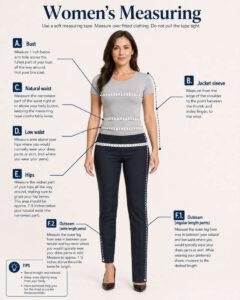
How to Measure Dress Pants for the Right Length
You can measure dress pants at home with a flexible tape measure, a full-length mirror, and the right shoes.
Follow these steps:
-
Put on the shoes you will wear with the pants.
-
Stand upright with your weight evenly distributed.
-
Ask someone to mark the hem at the top of the shoe.
-
Check the back hem to ensure it covers most of the heel.
-
Sit down and walk to test comfort.
-
Pin the hem and view it from the front, side, and back.
The inseam is measured from the crotch seam to the bottom of the leg. Do not rely on the labeled inseam alone. Brands measure garments in different ways, and the rise, fabric, and cut can change how the pants sit.
For online purchases, check the garment’s actual measurements rather than assuming your usual size will have the same length. Read the return and alteration policy before removing tags.
Tailoring Tips for Women’s Dress Pants
Tailoring is often the easiest way to improve dress pants. A skilled tailor can adjust the hem, waistband, seat, and sometimes the thigh or leg shape.
Common alterations include:
• Shortening the hem.
• Taking in a loose waistband.
• Adjusting a back-waist gap.
• Tapering the leg.
• Replacing worn hem tape.
• Repairing or recreating a trouser cuff.
Ask the tailor to pin the pants while you wear the correct shoes. Mention whether you want no break, a half break, or a longer drape.
Be careful with pants that have cuffs, side zippers, decorative details, or a distinct flare. Shortening them may change their design. Some fabrics also show needle marks, so the alteration should be planned before sewing.
A useful lesson I have learned from fitting dress trousers is that a small adjustment can change the entire outfit. One inch at the hem can make pants look sharp instead of sloppy.
Dress Pant Length for Work and Formal Events
Workwear usually calls for a neat, practical hem. A slight break or clean ankle length is suitable for many offices. Choose a length that will not drag, catch, or require constant adjustment during the day.
For interviews, traditional straight-leg or bootcut dress pants often look polished with a small break. Neutral colors such as black, navy, gray, and taupe make the fit easy to notice, so correct length matters.
Formal events allow more flexibility. Wide-leg trousers may fall closer to the floor, especially with heels. Still, the hem should not sweep through dirty areas or make walking unsafe.
Where should women's dress pants fall for a professional outfit? They should create a clean line, stay secure during movement, and suit the level of formality. A well-fitted hem supports confidence because you are not thinking about your clothes every few steps.
Mistakes to Avoid When Choosing Dress Pant Length
The most common mistake is buying pants based only on the waist size. A waistband can fit while the rise, thigh, or hem is wrong.
Avoid these errors:
• Wearing full-length pants with shoes that are much lower than the fitting shoes.
• Choosing a hem by standing still instead of walking.
• Assuming every ankle pant should stop at the same point.
• Ignoring the back view.
• Letting a store’s standard size decide the final fit.
• Altering pants before checking how they behave when seated.
• Wearing a very long hem with a thin, soft fabric that easily drags.
Another mistake is chasing a strict rule. Fashion changes, and personal style matters. The goal is not to make every pair identical. The goal is to make the length look intentional, feel safe, and suit the garment.
Frequently Asked Questions About Where Should Women’s Dress Pants Fall
Where should women’s dress pants fall with heels?
Full-length dress pants should usually reach the top of the heel or shoe and remain just above the floor. A slight break at the front often looks polished, but the hem should never drag.
Should dress pants touch the floor?
No, dress pants should not touch or sweep the floor. The hem can sit close to the floor with wide-leg or bootcut styles, but you should be able to walk without stepping on the fabric.
Should women’s dress pants show the ankle?
Only if the pants are designed as ankle or cropped trousers. Classic full-length pants should generally cover most of the shoe, while ankle pants should end near or above the ankle bone.
Where should dress pants sit at the waist?
Dress pants should sit at the rise intended by their design and remain secure while you move. The waistband should lie flat without pinching, rolling, sliding, or leaving a large gap.
Are dress pants supposed to have a break?
Many classic dress pants look good with a slight or half break. Slim, tapered, and ankle styles may have little or no break, while wide-leg pants can have a longer drape.
Can a tailor fix dress pants that are too long?
Yes, most dress pants can be shortened by a tailor. The tailor should pin them while you wear the shoes you plan to use, since shoe height affects the final hem.
Conclusion
Where should women's dress pants fall? Full-length styles should usually reach the top of the shoe with a small, clean break and no dragging. Ankle pants should end near the ankle bone, while wide-leg and bootcut trousers may fall closer to the floor.
Check the waistband, hips, rise, hem, and back view. Then walk, sit, and test the pants with your real shoes. A thoughtful fitting or small tailoring change can turn an ordinary pair into a polished wardrobe staple. Use these guidelines the next time you shop, and share your favorite dress pant fit tips in the comments.
Madison Clark is a footwear expert and the voice behind MyStyleGrid.com. She specializes in honest shoe reviews, style tips, and practical guides to help readers find the perfect pair for any occasion. With years of experience in blogging and content creation, Madison makes footwear knowledge simple, stylish, and easy to follow.