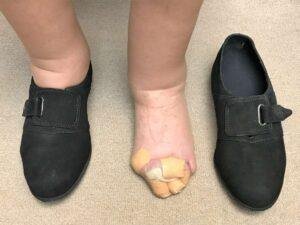
You can buy orthopedic shoes near you at specialty shoe stores, podiatry clinics, medical supply shops, and trusted online retailers.
Finding the right pair is about more than comfort or style. Good orthopedic shoes should match your foot shape, walking needs, and any medical concerns. This guide explains where to shop, how to compare local options, and what to check before you buy.

Where can I buy orthopedic shoes near me?
The best place to buy orthopedic shoes near you depends on the support you need. Some people need extra room and soft cushioning. Others need firm arch support, a stable sole, or shoes that work with custom orthotics.
Start with these local options:
• Specialty comfort shoe stores often carry orthopedic brands and offer in-store fitting.
• Podiatry clinics may recommend shoes that suit bunions, plantar fasciitis, arthritis, or diabetes.
• Medical supply stores often stock therapeutic shoes, walking shoes, and depth footwear.
• Orthopedic clinics may help people with serious foot, ankle, or mobility problems.
• Independent shoe stores may offer expert fitting that large chain stores do not.
• Brand stores may carry supportive models, but staff training can vary.
• Online retailers can provide more sizes and widths, but you cannot test the fit first.
When searching for orthopedic shoes near me, use a map app and search terms such as “orthopedic shoe store,” “comfort footwear,” “diabetic shoes,” and “custom orthotics.” Read recent reviews, then call before visiting to ask about sizes, widths, fitting services, and return rules.
How to find orthopedic shoe stores in your area
A local search is a useful first step, but it should not be your only step. Store listings may be out of date, and some shops use the word “orthopedic” for general comfort shoes.
Use this simple process:
-
Search online for “where can I buy orthopedic shoes near me?”
-
Check the store’s website for brands, widths, fitting services, and appointment details.
-
Read reviews that mention fit, staff knowledge, comfort, and returns.
-
Call the store and explain your needs before you go.
-
Ask whether you can bring your current orthotics or braces for testing.
-
Visit later in the day, when your feet may be slightly swollen.
-
Walk around the store for several minutes before deciding.
A good store should ask about your pain, daily activities, and past shoe problems. Staff should measure both feet and check your standing posture. They should not pressure you to buy the most expensive pair.
If a shop only asks for your usual shoe size, be careful. Shoe size can change over time, and one foot is often larger than the other.
Places that sell orthopedic shoes near me
Specialty comfort shoe stores
Specialty stores are often the best starting point for people who want help in person. They may carry wide and extra-wide shoes, removable insoles, stretchable uppers, and firm heel counters.
Many also stock shoes for walking, work, travel, and standing all day. Ask whether the staff has formal training in foot measurement or shoe fitting.
Podiatry offices
A podiatrist can identify the cause of foot pain and suggest suitable footwear. This is especially helpful if you have diabetes, numbness, repeated sores, severe bunions, or a major difference between your feet.
A podiatrist may also recommend custom orthotics. These inserts work best when the shoe has enough depth, a firm base, and a removable footbed.
Medical supply stores
Medical supply stores often sell therapeutic shoes and shoes designed for swelling, braces, or limited movement. They may also carry adjustable closures, rocker soles, and extra-depth styles.
Ask whether the store works with your insurance plan. Coverage rules vary, and not every shoe labeled “diabetic” qualifies for insurance reimbursement.
Orthopedic and rehabilitation clinics
Rehabilitation clinics may recommend footwear for people recovering from surgery, injury, stroke, or joint problems. These clinics can also help you understand how shoes work with walkers, ankle-foot braces, or compression garments.
You may not buy shoes directly at the clinic. However, the staff can often provide useful product guidance or refer you to a qualified local fitter.
Online orthopedic shoe retailers
Online stores offer a wide range of sizes, widths, colors, and specialty features. They can be useful when local stores do not carry your size.
Before ordering, check:
• The full width chart, not only the standard size chart
• The return and exchange period
• Whether return shipping is free
• Customer reviews from people with similar foot concerns
• Whether the shoe has a removable insole
• Whether the seller is an authorized retailer
Online shopping is less risky when you already know the brand, size, and model that fits you well.
How to choose the right orthopedic shoes
Orthopedic shoes are not one single type of shoe. The right pair should solve a specific problem without creating another one.
Look for these features:
A roomy toe box
Your toes should spread naturally without touching the front or sides of the shoe. A wide toe box can reduce pressure from bunions, hammertoes, and swollen feet.
The shoe should still hold your heel securely. Extra room should be in the front, not around the entire foot.
Good heel stability
A firm heel counter helps keep your heel from sliding. This can make walking feel more stable and reduce rubbing.
Try pressing the back of the shoe. It should not collapse easily.
Removable insoles
Removable insoles create space for custom orthotics or thicker medical inserts. They also make it easier to replace worn footbeds.
If you use an orthotic, bring it when shopping. A shoe that fits without the insert may feel too tight with it inside.
A supportive midsole
The midsole should cushion your steps while giving your foot a stable platform. Very soft foam can feel comfortable at first but may not provide enough control for some people.
Your ideal level of firmness depends on your foot, activity, and medical needs.
A flexible but stable sole
The sole should bend near the toes, not in the middle. A sole that twists too easily may offer poor support.
For people with balance problems, a broad base and slip-resistant tread may be more important than maximum softness.
Adjustable closures
Laces, straps, and hook-and-loop closures let you adjust the fit during the day. This matters when your feet swell or when you wear braces.
Slip-on shoes can work for some people, but they should not slide at the heel.
Orthopedic shoes for common foot problems
Plantar fasciitis
People with plantar fasciitis often benefit from shoes with good arch support, heel cushioning, and a stable sole. Avoid very flat shoes and worn-out sneakers.
However, footwear alone may not solve the problem. Stretching, activity changes, and professional care may also be needed.
Bunions
Choose a soft upper and a wide, rounded toe box. Avoid narrow pointed shoes that press the big toe toward the other toes.
A shoe should not rub the bunion. If it does, try a wider size or a different shape.
Arthritis
Arthritis can make stiff, thin-soled shoes painful. Look for cushioning, a stable base, and closures that are easy to use.
Some people prefer rocker-bottom soles because they reduce the need for the toes to bend. Ask a clinician before choosing this style if you have balance concerns.
Diabetes
People with diabetes need to protect their feet from pressure and injury. Shoes should fit well, have a smooth inside, and provide enough depth.
Check your feet every day for redness, blisters, cuts, or sores. Reduced sensation can make a small problem harder to notice.
Flat feet
Flat feet do not always need treatment. If they cause pain or fatigue, a supportive shoe or orthotic may help.
Avoid assuming that the most rigid shoe is best. A podiatrist or physical therapist can help match support to your actual walking pattern.
Swollen feet
Choose shoes with adjustable straps, stretchy material, or extra depth. Shop later in the day if swelling increases over time.
Your feet should never feel squeezed. Compression socks and orthopedic shoes serve different purposes, so ask a health professional how to combine them safely.
How much do orthopedic shoes cost?
The price of orthopedic shoes near you can range from about $60 to more than $250. Custom shoes and specialty therapeutic footwear may cost more.
Price depends on:
• Brand and materials
• Custom fitting
• Medical features
• Custom orthotics
• Extra width or depth
• Insurance coverage
• Return and fitting services
A higher price does not guarantee a better fit. A moderately priced shoe that fits well is usually more useful than an expensive shoe that causes pressure.
Ask for the total cost before buying. Include the shoes, inserts, fitting fee, shipping, alterations, and possible return charges.
Some insurance plans may cover therapeutic shoes for people who meet specific medical requirements. Medicare coverage, for example, has rules related to diabetes and qualifying foot conditions. Confirm coverage with your plan, doctor, and supplier before paying.
Mistakes to avoid when buying orthopedic footwear
Many shoe problems begin with a rushed fitting. Avoid these common mistakes:
• Buying only by your usual shoe size
• Shopping when your feet are at their smallest
• Choosing comfort without checking stability
• Keeping shoes that cause rubbing
• Assuming a popular brand will fit your foot
• Wearing thick socks during fitting but thin socks later
• Forgetting to bring your orthotics
• Ignoring the store’s return policy
• Buying shoes that need a long, painful break-in period
A new shoe may feel different from your old pair, but it should not cause sharp pain, numbness, or lasting pressure. If your feet hurt after a short walk, the shape or size may be wrong.
One practical lesson from shoe fitting is simple: walk as you normally do. Do not take only a few polite steps in the store. Turn, climb a step if possible, and stand still for a few minutes.
How to test orthopedic shoes before buying
Use this quick fitting checklist when you visit a store or receive an online order:
-
Wear the socks you normally use.
-
Measure both feet while standing.
-
Fit the larger foot first.
-
Leave about a thumb’s width between your longest toe and the shoe’s front.
-
Check that your toes can move freely.
-
Make sure the widest part of your foot matches the widest part of the shoe.
-
Confirm that your heel does not slip.
-
Walk on a firm surface for several minutes.
-
Try stairs or a gentle turn if the store allows it.
-
Check your feet after wearing the shoes at home.
When you buy orthopedic shoes near me through a local store, ask whether you can return them after indoor testing. When buying online, keep the packaging until you are sure the fit works.
A good fit should feel secure, not tight. Think of the shoe as a well-built room: your foot needs space to move, but not so much space that it loses support.
When to see a foot specialist
Shoes can improve comfort, but they cannot diagnose the cause of foot pain. See a podiatrist or another qualified health professional if you have:
• A wound that does not heal
• Sudden swelling or severe pain
• Numbness or burning
• A red, hot, or infected area
• Repeated falls or balance problems
• Pain after an injury
• Diabetes with a new foot concern
• Pain that continues despite better shoes
A specialist may examine your walking pattern, joint motion, skin, footwear, and medical history. This can prevent you from spending money on shoes that do not address the real problem.
Frequently asked questions about where can I buy orthopedic shoes near me
Where can I buy orthopedic shoes near me without a prescription?
You can usually buy supportive shoes at specialty comfort stores, medical supply shops, brand stores, and online retailers without a prescription. A prescription may be needed for certain insurance-covered therapeutic shoes or custom devices.
Are orthopedic shoes covered by insurance?
Some insurance plans cover therapeutic footwear for specific medical conditions, especially diabetes-related foot risks. Coverage varies, so confirm the rules with your insurer, doctor, and selected supplier before ordering.
What is the difference between orthopedic shoes and regular supportive shoes?
Orthopedic shoes usually offer features such as extra depth, adjustable closures, wider shapes, and space for medical inserts. Supportive shoes may improve comfort but may not meet a specific therapeutic need.
Should I see a podiatrist before buying orthopedic shoes?
See a podiatrist if you have ongoing pain, diabetes, numbness, major deformity, or trouble walking. For mild comfort needs, a skilled shoe fitter may be enough, but a medical professional can identify problems that shoes alone cannot fix.
How do I know if orthopedic shoes fit correctly?
Your toes should move freely, your heel should stay in place, and the shoe should not press on any sore area. Walk for several minutes and check your feet for redness or rubbing after wearing the shoes.
Can orthopedic shoes help with plantar fasciitis?
They may help when they provide suitable cushioning, arch support, and a stable sole. They work best as part of a broader plan that may include stretching, rest, physical therapy, or medical care.
Conclusion
The best answer to “where can I buy orthopedic shoes near me” is usually a specialty shoe store, podiatry clinic, medical supply shop, or reputable online retailer with clear fitting and return policies. Focus on fit, width, stability, toe room, and compatibility with your orthotics rather than choosing by brand or price alone.
Measure both feet, shop with your usual socks, and walk in the shoes before you commit. If pain, numbness, swelling, or skin changes continue, seek professional advice. Start by searching for a qualified local fitter today, and share your experience or questions in the comments.
Rubel Miah is the Senior Editor at MyStyleGrid.com, where he brings a sharp editorial eye and an unshakable love for fashion to everything he does. A true style addict, Rubel lives and breathes trends, from streetwear to high fashion, and has a knack for turning inspiration into impactful stories. With years of experience in fashion journalism and digital media, he curates content that empowers readers to express themselves through style. When he’s not editing features or forecasting the next big thing, you’ll find him hunting down vintage pieces or capturing street style moments around the city.