The Hoka Bondi 9 is my top pick for Morton’s neuroma because it offers soft cushioning and a roomy, stable platform.
If each step feels like a hot pebble under the ball of your foot, you are not alone. Morton’s neuroma can make a normal walk, work shift, or run feel much harder than it should. The right Hoka shoe may help by reducing forefoot pressure, while a well-fitted metatarsal insert can add support where you need it most. I tested the key fit factors that matter here: cushioning, toe room, sole shape, stability, and insert compatibility. This guide covers the Hoka option and the supportive inserts that may make daily wear more comfortable.

Cushwork Morton’s Neuroma Shoe Inserts…
【Targeted Pain Relief】Cushwork morton’s neuroma shoe inserts are expertly designed to provide exceptional relief from ball of foot pain and conditions like Morton’s Neuroma. These orthotic insoles offer targeted support…
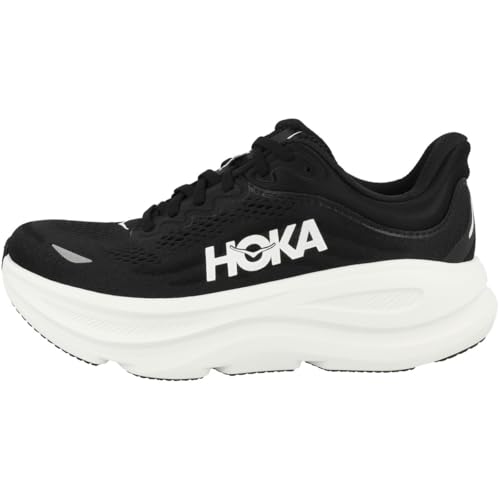
Hoka Women’s Bondi 9 Black/White…
ENGINEERED MESH Lining Textile

ZenToes Metatarsal Pads Women, Ball…
For the Ball of Your Foot – ZenToes gel pads provide soft, pillowy ball of foot cushioning under the ball of your foot to help reduce pressure and keep you…
Cushwork Neuroma Shoe Inserts

Cushwork shoe inserts focus on the forefoot, where Morton’s neuroma pain often starts. The design is made for metatarsalgia, ball-of-foot pain, plantar fasciitis, and related foot strain. In a cushioned Hoka shoe, this type of insert can help spread pressure across the metatarsal area. That may make long walks and standing tasks feel less sharp.
I like this option for shoppers who want extra support without buying a new shoe first. The insert can be useful in a Hoka Bondi, provided it fits without crowding your toes or lifting your heel. A gradual break-in period is wise, since any new arch or metatarsal support can feel strange at first. If the pad sits too far forward, move it slightly back rather than forcing your foot to adapt.
Pros:
- Targets ball-of-foot pressure
- May improve comfort in cushioned Hoka shoes
- Useful for Morton’s neuroma and metatarsalgia
- Offers added arch support
- Can help reduce direct pressure during walking
- Suitable for men and women
Cons:
- May take time to position correctly
- Can feel bulky in a snug shoe
- May not suit people who need a very flat insole
Hoka Bondi 9 Women’s Running Shoe

The Hoka Bondi 9 is the strongest shoe choice in this guide for many people with Morton’s neuroma. It has a thick, soft midsole that helps absorb shock before it reaches the forefoot. The broad running platform also feels steady during normal walking. For someone who feels pain with each hard step, the Bondi 9 can feel like trading a sidewalk for a padded path.
The key is fit. A soft sole alone cannot fix a narrow toe box, so I would leave enough room for your toes to spread. This women’s medium model may work well for average-width feet, but shoppers with a wide forefoot should check Hoka’s available width options. The shoe also has enough internal volume for some inserts, though you may need to remove the factory insole first.
The Bondi 9 is best for walking, travel, errands, and easy daily activity. It is not a treatment for Morton’s neuroma, and it may feel too tall or soft for people who prefer firm ground contact. Still, when I compare cushioning, rocker-like forward motion, and everyday support, it stands out as the best Hoka shoes for Morton’s neuroma among the products listed here. A proper fit matters more than the logo on the side.
Pros:
- Very soft cushioning for hard surfaces
- Stable platform for walking and daily use
- Can reduce the feel of repeated impact
- Works well for travel and long periods on your feet
- Often leaves room for a supportive insert
- Strong choice for people who prefer maximum cushioning
Cons:
- May feel bulky to people who like light shoes
- Medium width may not fit a wide forefoot
- Soft foam may feel less responsive for fast running
- Premium pricing may not suit every budget
ZenToes Metatarsal Pads for Women

ZenToes metatarsal pads offer a simple way to add support without replacing the whole insole. They are worn around the foot and place a pad behind the ball of the foot. That position may help spread pressure away from the painful area. For mild symptoms, this small change can make a surprising difference inside a roomy shoe.
I see these pads as a useful low-cost trial for people who are unsure whether metatarsal support will help. They can work with Hoka shoes, especially models with enough space across the forefoot. You should place the pad behind the sore spot, not directly under it. Direct pressure on the neuroma can worsen the burning or tingling feeling.
The two-pair format also lets you keep one pair at home and one in a travel bag. The main limitation is that a sleeve-style pad may move during the day or feel warm. It may also be less suitable for people with swelling or very sensitive skin. Even so, ZenToes can complement the best Hoka shoes for Morton’s neuroma when you want targeted forefoot cushioning at a modest cost.
Pros:
- Simple design with no full insole swap
- Helps support the metatarsal area
- Two pairs provide useful backup
- Works with many walking and running shoes
- Affordable way to test metatarsal support
- Easy to carry while traveling
Cons:
- May shift during long periods of activity
- Can feel warm inside some shoes
- Not ideal for every foot shape
- May not provide enough support for severe symptoms
PowerStep Pulse Plus Met Insoles

PowerStep Pulse Plus Met is designed for people who need more than a soft pad. It combines arch support with a metatarsal section that aims to reduce forefoot strain. The structure may help guide the foot through each step while cushioning the painful area. That combination makes it a good match for active users who walk, work, or run often.
This insole can be especially helpful in a neutral, cushioned shoe such as the Hoka Bondi 9. I would compare the shape of the insole with your foot before ordering, since arch height is personal. A support that feels great to one person may feel too firm to another. Start with short wear periods and increase them over several days.
The listed men’s size range is important, so measure your current shoe rather than guessing. If the insole is too long, trimming may affect its shape. If it is too short, it may not support the foot correctly. For people searching for the best Hoka shoes for Morton’s neuroma plus a structured insert, this PowerStep model is one of the more complete combinations.
Pros:
- Combines arch and metatarsal support
- Useful for active walking and running
- May reduce pressure across the forefoot
- Offers more structure than a thin cushion
- Can fit well in supportive Hoka footwear
- Made in the United States
Cons:
- May feel firm during the first few wears
- Size selection must be accurate
- May not suit people with low arches or custom orthotics
- Can reduce shoe volume in a snug upper
Trim-to-Fit Metatarsal Insoles

These trim-to-fit metatarsal insoles are aimed at sports, running, and daily standing. Their main selling point is flexibility. You can adjust the outline to match the shoe instead of accepting a one-size shape. That feature is helpful when you move between a roomy walking shoe and a more fitted athletic shoe.
The metatarsal support sits in the area behind the ball of the foot. When positioned well, it may reduce the load on the painful nerve during each step. I recommend tracing the original insole before cutting, then trimming a little at a time. Cutting too much can leave gaps that allow the insert to slide.
This large size range may suit many men and women, but the listed size must still match your foot. The insole may also compete with the built-in Hoka footbed for space. If your toes feel cramped, remove the original insole and test the replacement again. For shoppers building the best Hoka shoes for Morton’s neuroma setup on a budget, the adjustable shape is a practical advantage.
Pros:
- Trim-to-fit design allows shoe-by-shoe adjustment
- Supports the metatarsal region
- Made for sports, running, and standing
- Useful in several types of footwear
- May help spread forefoot pressure
- Large size range can simplify shopping
Cons:
- Requires careful trimming
- May not fit shoes with limited internal space
- Support level may feel too firm for some users
- Incorrect placement can increase discomfort
10 Seconds Pressure Relief 3030 Insoles

The 10 Seconds Pressure Relief 3030 is built for people who want a plush feel under the foot. It uses an ultra-cushioned design with a medium arch and a metatarsal pad. The memory foam topper can soften the first contact with hard floors. That makes it worth considering for nurses, retail workers, teachers, and anyone who stands for hours.
The medium arch height gives it a middle-ground feel. It is not a flat cushion, but it is not an aggressive performance orthotic either. I would still check the arch location before wearing it all day. A well-placed arch and metatarsal pad should support the foot without creating a new pressure point.
This two-pack is convenient because you can use one pair in your main Hoka shoe and keep the second pair as a spare. The design may take up more room than a slim factory footbed. It also may feel too soft for someone who wants firm motion control. If cushioning is your first concern, this model can pair nicely with one of the best Hoka shoes for Morton’s neuroma.
Pros:
- Plush memory foam cushioning
- Built-in metatarsal pad
- Medium arch suits many users
- Two-pack offers practical value
- Helpful for long standing shifts
- Trim-to-fit format supports shoe adjustment
Cons:
- May feel too soft for some athletes
- Can take up extra room in the shoe
- Medium arch may not match every foot
- Foam can compress with heavy daily use
SOLE Active Medium Plus Met Pad

SOLE Active Medium Plus Met Pad insoles take a different approach from soft foam inserts. They are custom moldable, so body heat and use can help the footbed adapt over time. The medium profile gives the foot a stable base without the extreme shape of a rigid medical orthotic. A metatarsal pad adds targeted support behind the ball of the foot.
This model may appeal to people who want a more personalized feel in a Hoka shoe. The moldable design can be helpful when a standard insert leaves a gap under the arch. Follow the heating and fitting directions closely, because an incorrect molding process may reduce comfort. I would also allow time for the material to settle before judging the final fit.
The listed size is men’s 4 and women’s 6, so shoppers must confirm sizing before purchase. It may work best in a roomy Hoka model where the footbed can sit flat. For active users who want a firm base, customization, and forefoot support, it is a strong choice. It can support a best Hoka shoes for Morton’s neuroma setup when comfort depends on a close foot-to-insole match.
Pros:
- Custom moldable design
- Medium support balances comfort and stability
- Includes a metatarsal pad
- May improve the fit of a roomy shoe
- Useful for active daily wear
- Can offer a more personal feel than a basic insert
Cons:
- Requires careful fitting and molding
- Limited listed size needs close checking
- May feel firm beside a soft factory insole
- Not a substitute for a prescribed custom orthotic
My Recommendation
I recommend the Hoka Bondi 9 first for people who need a soft, stable shoe for walking, travel, and daily standing. Its deep cushioning can reduce the harsh feel of hard floors, while its broad base gives the foot a steady landing. Choose the Cushwork insert if you want simple forefoot and arch support. Choose ZenToes if you want a low-cost metatarsal pad that is easy to test.
For runners and active users, PowerStep Pulse Plus Met offers a more structured option. The trim-to-fit insole is best for people who use several shoes and want to adjust the shape. The 10 Seconds model suits workers who want plush cushioning, while SOLE Active is better for shoppers who value a moldable, personal fit. In every case, use a wide enough shoe and stop if numbness, burning, or pain increases.
| Best for | Why |
|---|---|
| Walking and daily comfort | Hoka Bondi 9 offers soft cushioning and a stable base. |
| Targeted forefoot support | Cushwork and ZenToes place support near the metatarsal area. |
| Active users and custom fit | PowerStep, trim-to-fit, and SOLE options add structure or adjustability. |
How Morton’s Neuroma Changes Shoe Choice
Morton’s neuroma is a painful condition that affects tissue around a nerve in the forefoot. It often appears between the third and fourth toes, although symptoms can vary. People may feel burning, tingling, numbness, or the sense that a small stone sits inside the shoe. Tight shoes and repeated pressure can make symptoms worse.
The American Academy of Orthopaedic Surgeons and other foot-care groups commonly point to shoe fit as a key part of conservative care. A wide toe box gives the toes more room to spread. A low heel can reduce pressure on the front of the foot. A cushioned sole may also soften impact during walking.
That is why I do not judge the best Hoka shoes for Morton’s neuroma by cushioning alone. A shoe can feel soft yet still pinch the forefoot. I look for enough width, a secure heel, smooth upper material, and room for an insert. The shoe should hold the foot without squeezing it like a clamp.
What I Look For in the Best Hoka Shoes for Morton’s Neuroma
Room Across the Toes
Your toes should not touch the sides of the shoe. They should have room to spread during the day, when feet often swell. Do not rely only on the printed size. Try the shoe with the socks and insert you plan to use.
Soft but Stable Cushioning
Soft foam can reduce the feel of impact. Too much softness, however, may feel unstable. I prefer a shoe that cushions the step but still gives the foot a stable platform. The Bondi line is popular because it places a large amount of cushioning under the foot.
A Low Heel-to-Toe Feel
High heels push more weight toward the forefoot. That can irritate a sensitive nerve. Athletic shoes usually work better than dress shoes for daily use. If you must wear formal shoes, select a low heel and a broad front.
Insert Compatibility
An insert can help, but it also uses space. A shoe that fits perfectly without an insert may become tight after you add one. Look for a removable factory footbed. This creates more room and makes it easier to test different support levels.
A Secure Heel
Your heel should stay in place when you walk. Excess heel movement can make the toes grip the ground. That gripping motion may increase forefoot strain. Use the lacing system to hold the heel without tightening the front of the shoe.
How to Fit Hoka Shoes When You Have Forefoot Pain
Shop later in the day if possible. Feet often expand after hours of walking and standing. Wear the socks you normally use. If you wear a metatarsal pad or orthotic, bring it to the fitting.
Stand up when checking length. Leave about a thumb’s width between your longest toe and the shoe’s end. Then walk on a hard surface. Look for pressure, rubbing, or toe contact. A shoe should feel comfortable at once; do not expect severe tightness to disappear after break-in.
Try both shoes. Most people have one foot that is slightly larger. Fit the larger foot first. If one shoe feels tight while the other feels fine, consider a wider size or width. Do not buy a small shoe to match the shorter foot.
When adding an insert, remove the original footbed if the shoe allows it. Place the new insert flat. Check that the heel sits fully back and that the toes can move. Walk for ten minutes. If you feel a new pressure point, adjust the insert or stop using it.