Blue light filter glasses are usually optional, not essential, for most people with digital eye strain.
The answer to “is blue light filter worth it on glasses” depends on your symptoms, screen habits, lens cost, and sleep routine. Research does not show that these lenses prevent eye disease, but they may feel more comfortable for some users. This guide explains what they do, what they cannot do, and when they may be a sensible choice.
Is blue light filter worth it on glasses?
For most people, blue light filter glasses are not a must-have. They may reduce the amount of short-wavelength light that reaches your eyes, but they do not fix the main causes of digital eye strain.
Digital eye strain often comes from:
• Blinking less while looking at a screen
• Dry indoor air
• Glare and bright reflections
• Poor screen position
• Uncorrected vision problems
• Long periods without breaks
• Holding screens too close
A blue light filter may offer a small comfort benefit. However, it should not be viewed as a medical treatment or a shield against screen damage.
Several reviews of clinical studies have found little or no clear short-term benefit for eye strain when comparing blue light filtering lenses with regular lenses. The evidence about sleep is also mixed. Some people report better sleep with less evening screen light, but the benefit may come more from lowering screen brightness and avoiding screens before bed.
So, is blue light filter worth it on glasses? It can be worth trying if the extra cost is low and you like the lens appearance. It is less likely to be worth it if you expect it to prevent eye disease or remove all screen discomfort.

What is a blue light filter on glasses?
A blue light filter is a lens coating or lens material designed to reduce some blue-violet light. Blue light is part of the visible light spectrum. It comes from the sun, LED bulbs, phones, tablets, computers, and televisions.
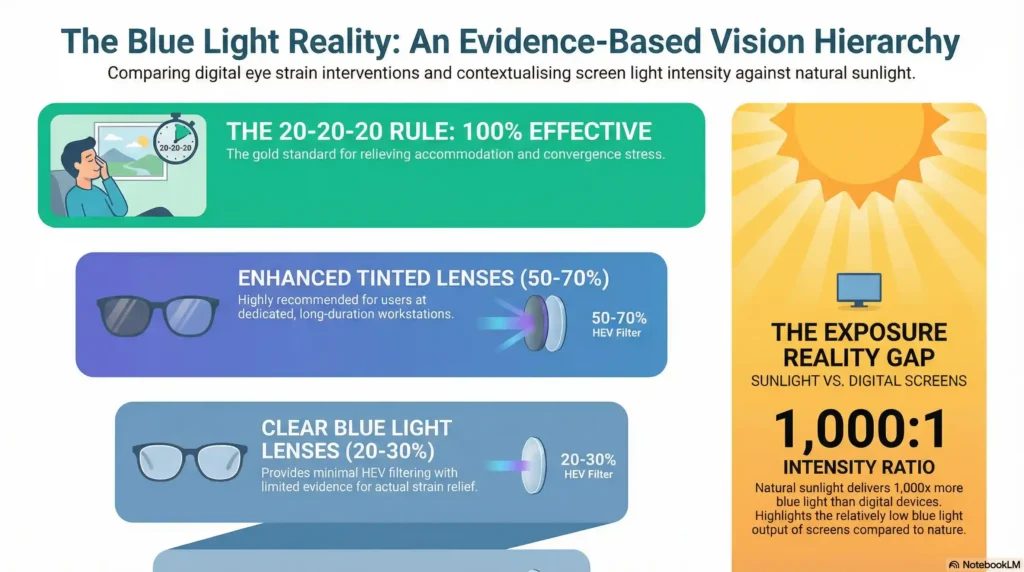
Not all blue light is harmful. Daylight contains much more blue light than most screens. Blue light also helps set your body clock and support alertness during the day.
Blue light glasses work in different ways:
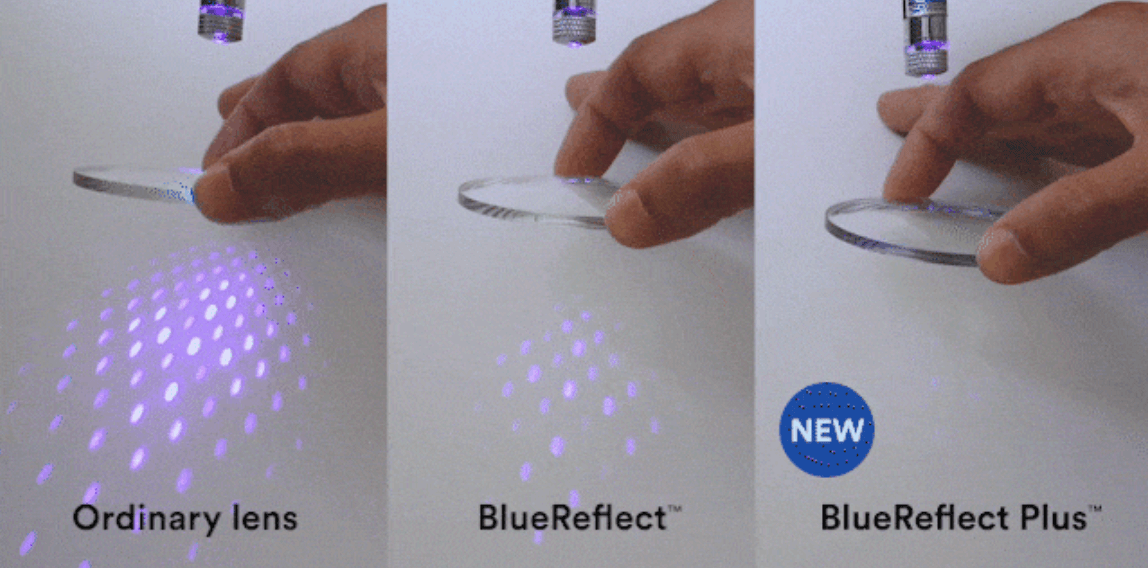
• Reflective coating: This reflects some blue-violet light away from the lens.
• Absorbing lens material: This blocks certain wavelengths within the lens itself.
• Tinted lenses: These use a light yellow or amber tint to reduce more blue light.
• Software settings: Night mode changes the color balance of a screen rather than the glasses.
The amount of blue light blocked can vary widely. A clear lens may block only a small amount, while an amber lens may block much more. Ask the optical professional for the filter’s wavelength range instead of relying only on the phrase “blue light protection.”
How blue light affects your eyes and sleep
Blue light is not automatically bad for your eyes. In fact, natural blue light during the day helps your brain recognize that it is time to stay awake.
The concern is mainly about timing, intensity, and distance. Bright light close to bedtime can suppress melatonin, a hormone linked to sleep. A bright phone held near your face may be more disruptive at night than a dim screen across the room.
Current evidence does not show that normal screen use causes permanent retinal damage in healthy adults. Still, screens can cause temporary discomfort. Your eyes may feel tired, dry, gritty, or sore after several hours of close work.
It helps to separate two issues:
• Eye strain: Usually linked to focus, dryness, glare, and long screen sessions.
• Sleep disruption: More closely linked to bright evening light, screen content, and late-night habits.
This distinction explains why a blue light filter may not cure eye strain but could feel useful as part of a better bedtime routine.
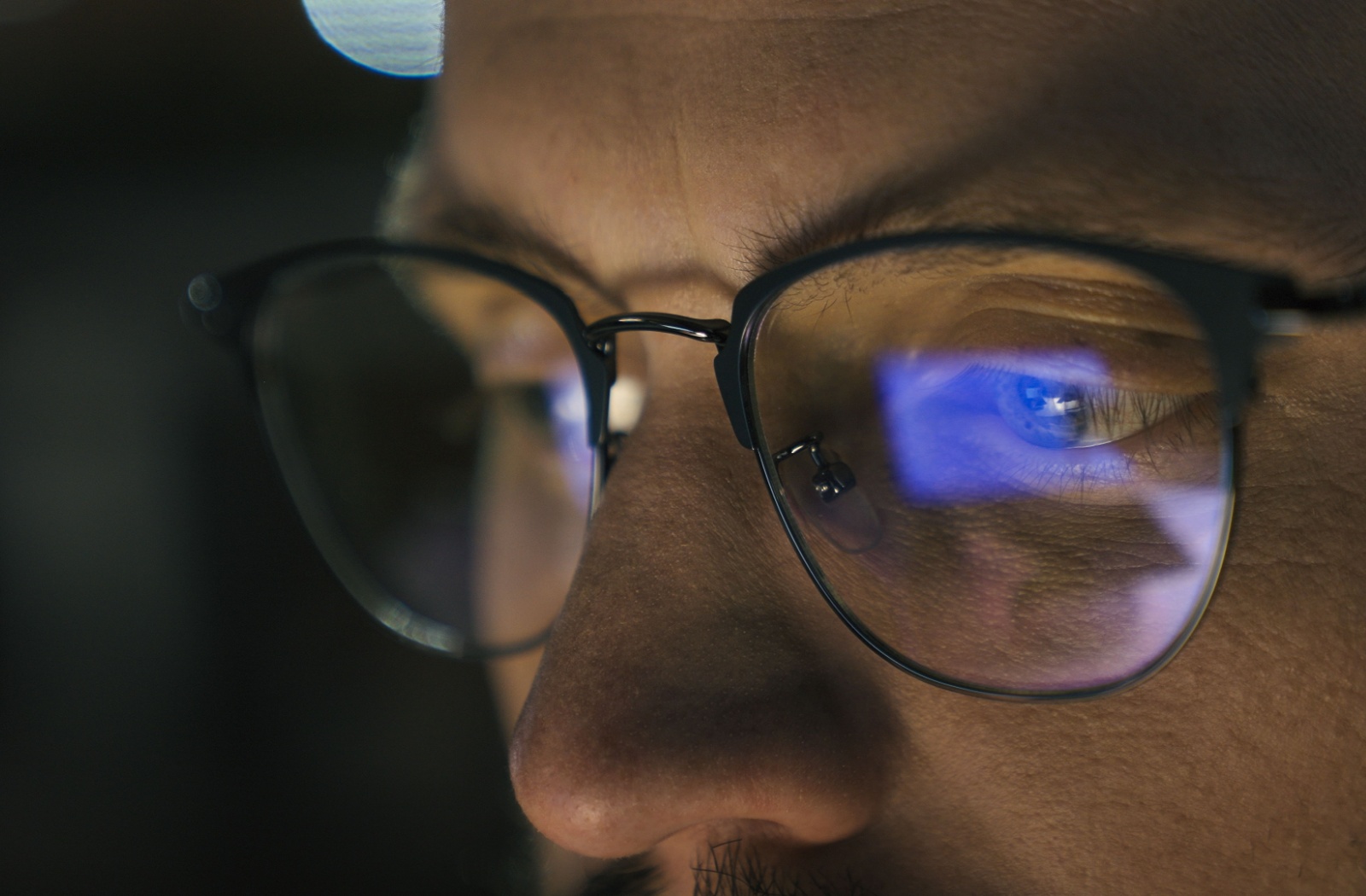
Potential benefits of blue light filter glasses
The benefits of blue light filter glasses are often practical rather than dramatic. Some users like the softer color balance or reduced glare from certain light sources.
Possible benefits include:
• A warmer, less harsh view in the evening
• Less perceived glare from LED lights
• A reminder to reduce late-night screen use
• More comfort for people who dislike bright, cool-toned light
• A small improvement in bedtime comfort for some users
• Added anti-reflective protection when the filter is part of a broader coating
The anti-reflective coating may be doing more work than the blue light filter itself. It can reduce reflections from overhead lights and screens. That may make lenses feel clearer, especially while driving at night or working under strong office lights.
A useful real-world lesson is to test the basics first. Adjust the screen brightness, improve your desk light, and take regular breaks before paying extra for a filter. If your eyes still feel better with the coating, it may be a reasonable personal choice.

Limitations and possible drawbacks
Blue light filter glasses have limits. They do not block all blue light, and they do not stop your eyes from focusing at close range for long periods.
Common drawbacks include:
• Extra cost
• A slight yellow or amber color shift
• Reflections from some coatings
• Scratches if the coating is low quality
• Limited proof of major health benefits
• A false sense of protection
• Possible difficulty judging color accurately
Color accuracy matters in some jobs and hobbies. Graphic designers, photographers, artists, video editors, and healthcare workers may need to see colors as accurately as possible. A strong amber lens could affect how colors appear.
The filter also cannot correct blurry vision. If your prescription is outdated, no coating will replace a proper eye exam. Headaches, double vision, frequent squinting, or ongoing eye pain deserve professional attention.
This is one reason the answer to “is blue light filter worth it on glasses” should not be based on marketing claims alone. Look at the total lens package, including prescription accuracy, anti-reflective treatment, durability, and comfort.

Blue light glasses and digital eye strain
Digital eye strain is common, but the name can be misleading. Screens do not usually burn or damage the eyes. Instead, they create a demanding visual task that can cause fatigue.
When reading on a screen, people often blink less. Tears then evaporate faster. Small text, glare, poor contrast, and an awkward viewing angle can add more stress.
Try these steps before buying blue light glasses:
- Follow the 20-20-20 rule. Every 20 minutes, look at something about 20 feet away for 20 seconds.
- Keep the screen about an arm’s length away.
- Place the top of the monitor at or slightly below eye level.
- Increase text size instead of leaning closer.
- Reduce glare from windows and ceiling lights.
- Blink fully and often.
- Use artificial tears if an eye care professional recommends them.
- Keep your prescription current.
These steps address the main sources of screen discomfort. A blue light filter can be an optional addition, but it should not replace good visual habits.
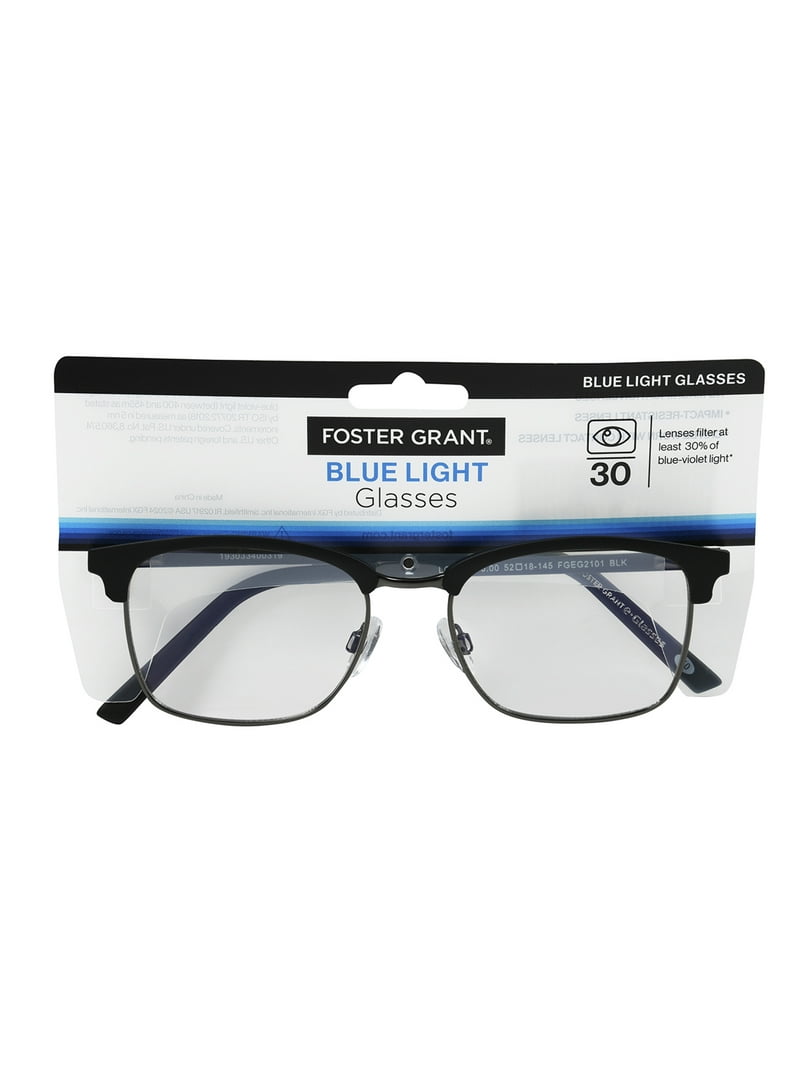
Do blue light filter glasses help with sleep?
They might help some people, but the evidence is not strong enough to promise a clear result. Evening light can affect the body clock, yet glasses are only one part of the picture.
Your sleep may improve more from these habits:
• Stop using bright screens 30 to 60 minutes before bed.
• Use night mode and lower screen brightness.
• Keep the phone away from your pillow.
• Turn off unnecessary room lights.
• Follow a steady sleep and wake schedule.
• Avoid stimulating content late at night.
Amber lenses may block more short-wavelength light than clear filters. Even then, they cannot cancel the effect of late messages, work stress, or an irregular sleep schedule.
If you work night shifts or spend many hours on screens after sunset, ask an eye care professional or sleep clinician whether a stronger tint is suitable. Do not wear dark or heavily tinted lenses while driving unless they are designed and approved for that use.
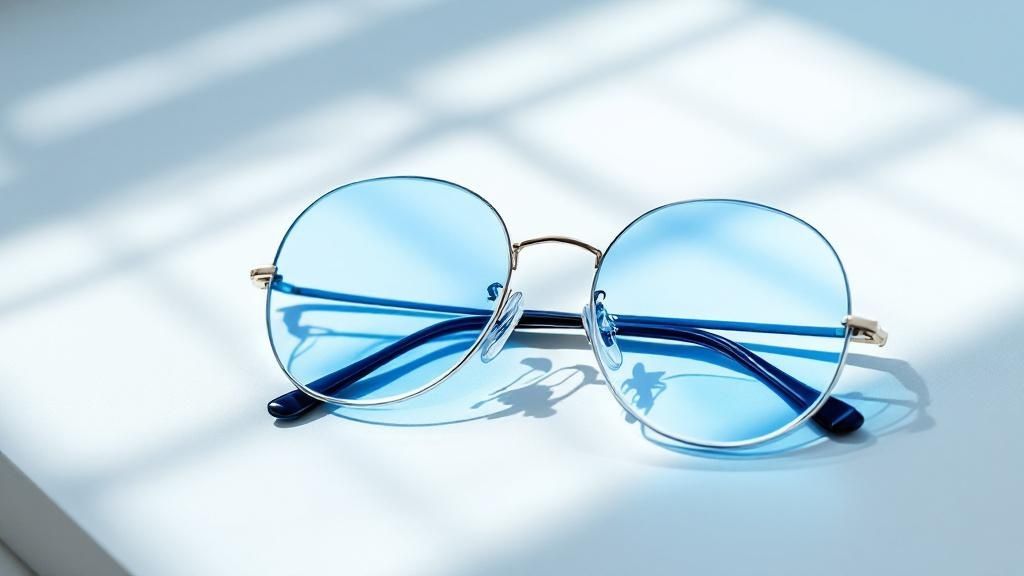
Clear filter versus amber blue light lenses
The best type depends on your goal.
Clear blue light lenses usually offer:
• A more natural appearance
• Better color accuracy
• Easy use during work and daytime tasks
• Less noticeable tint
Amber lenses usually offer:
• More blue light reduction
• A warmer image
• Greater color change
• Better suitability for some evening routines
If you want everyday glasses for office work, a clear lens with a good anti-reflective coating may be the better choice. If your main concern is late-night light, an amber lens may be more useful, but it can make colors look less accurate.
Ask the provider what percentage of light the lens blocks and at which wavelengths. “Blocks 100% of blue light” can sound impressive but may refer only to a narrow range. Clear details matter more than a bold label.
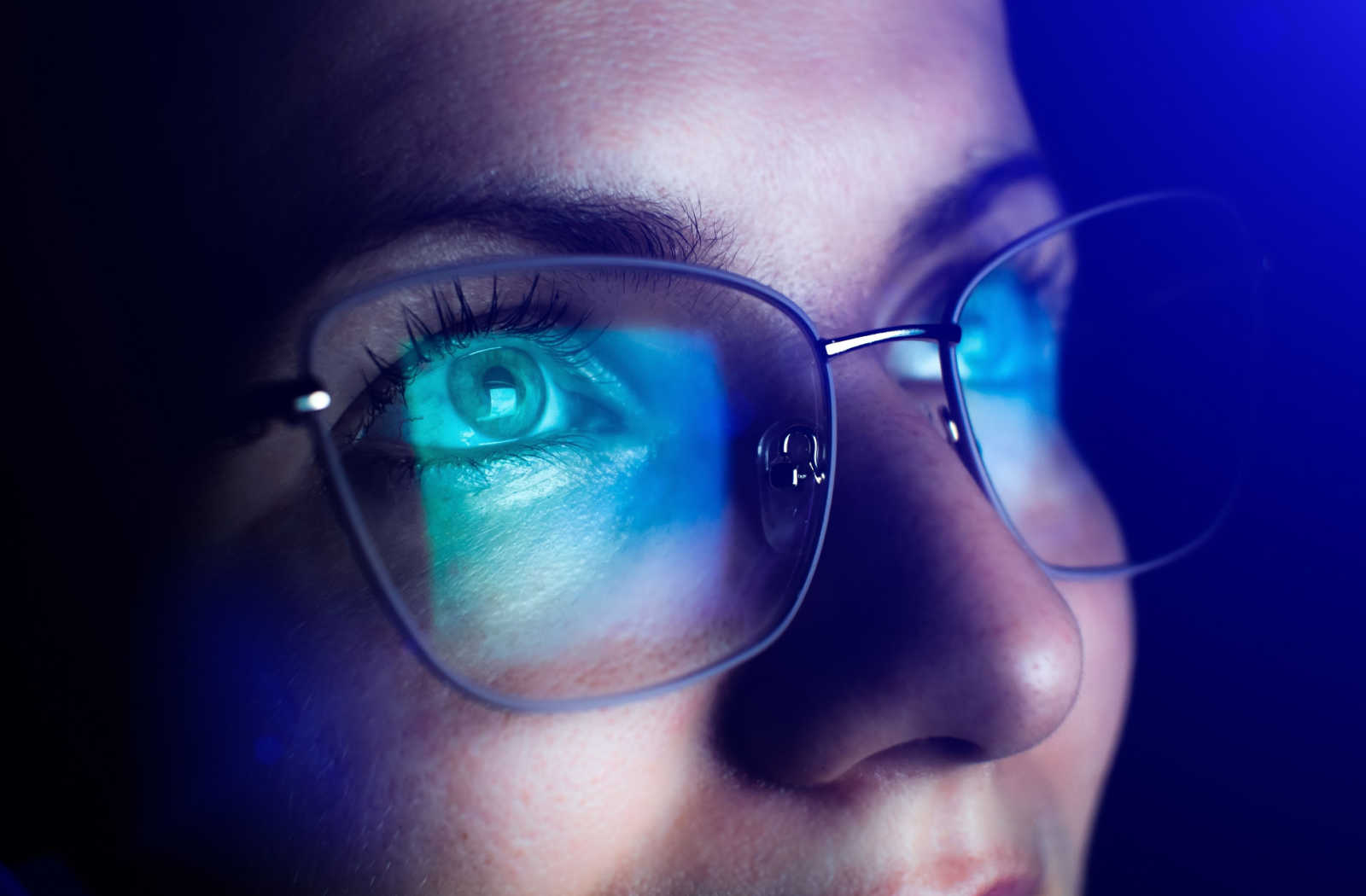
Who may find blue light filter glasses worth it?
Blue light filter glasses may be worth considering if:
• You spend many hours on screens and prefer a warmer view.
• You feel bothered by bright LED lighting.
• You use screens late at night and want an extra sleep cue.
• The filter costs little or nothing extra.
• You already need prescription glasses.
• You understand that the filter is optional.
They may be less useful if:
• You expect them to prevent macular degeneration.
• You want a guaranteed cure for headaches.
• You need perfect color accuracy.
• Your main problem is dry eye or an incorrect prescription.
• The coating adds a high price without clear benefits.
• You plan to use them as a substitute for screen breaks.
For children, the same basic approach applies. Focus first on outdoor time, reasonable screen limits, proper lighting, and regular eye exams. Ask a pediatric eye care professional before choosing specialized lenses for a child.
How to decide if blue light filter glasses are worth the cost
Use a simple cost and comfort test. If the filter is included at no extra charge, it may be reasonable to try. If it costs a large amount, compare it with upgrades that have clearer benefits.
Prioritize these lens features:
- Correct prescription
- Strong anti-reflective coating
- Scratch resistance
- UV protection for outdoor use
- Comfortable frame fit
- Lens material suited to your prescription
- A warranty or remake policy
Try the glasses in the setting where you feel discomfort. Wear them during a normal work session, not just for two minutes in an optical shop. Notice whether your eyes feel less tired, whether colors look acceptable, and whether the coating creates distracting reflections.
Keep your expectations realistic. The best answer to “is blue light filter worth it on glasses” may be yes for comfort, but no as a health investment. A modest benefit can still be worthwhile if the price is fair.
Mistakes to avoid when buying blue light glasses
Many buyers focus on the filter and overlook the rest of the glasses. That can lead to poor value.
Avoid these mistakes:
• Choosing a lens based only on a “100% protection” claim
• Ignoring glare, dryness, and room lighting
• Buying non-prescription glasses when your vision is not clear
• Selecting a strong tint for tasks that require accurate color
• Assuming blue light causes all headaches
• Paying a premium without asking what wavelengths are blocked
• Wearing tinted lenses for driving at night without checking their suitability
• Skipping an eye exam when symptoms continue
A filter cannot protect against every eye problem. Sunglasses with proper UV protection are more relevant for outdoor ultraviolet exposure. Indoor blue light glasses and outdoor sunglasses serve different purposes.
What eye care professionals generally recommend
Eye care guidance usually focuses on comfort and habits rather than blue light blocking. Regular breaks, correct lighting, adequate blinking, and a current prescription are the main tools for digital eye strain.
Clinical reviews have generally found that blue light filtering lenses do not provide a large, consistent reduction in short-term eye strain compared with ordinary lenses. Research on sleep remains uncertain, with results varying by lens type, screen brightness, exposure time, and personal sleep patterns.
This does not mean the glasses are useless. It means the benefits are personal and often modest. A comfortable coating may help one person while making little difference to another.
See an eye care professional if you have persistent pain, vision loss, flashes, new floaters, double vision, or symptoms that do not improve with rest. Those signs need more than a lens coating.