Have you ever wondered when sunglasses first appeared in America? Maybe you imagine movie stars from the 1950s or surfers in the 1970s. The truth is, the story of sunglasses in America is older and more interesting than you might think.
Today, sunglasses are everywhere—on city streets, beaches, and in cars. But these stylish and practical accessories have a long, winding journey that mixes science, fashion, and a bit of American ingenuity. If you are curious about the real start of sunglasses in America, how they became popular, and what made them change over time, you’ve come to the right place.
Let’s dig deep into the complete history of sunglasses in America, from invention to icon.
Early Eyewear: The Pre-american Story
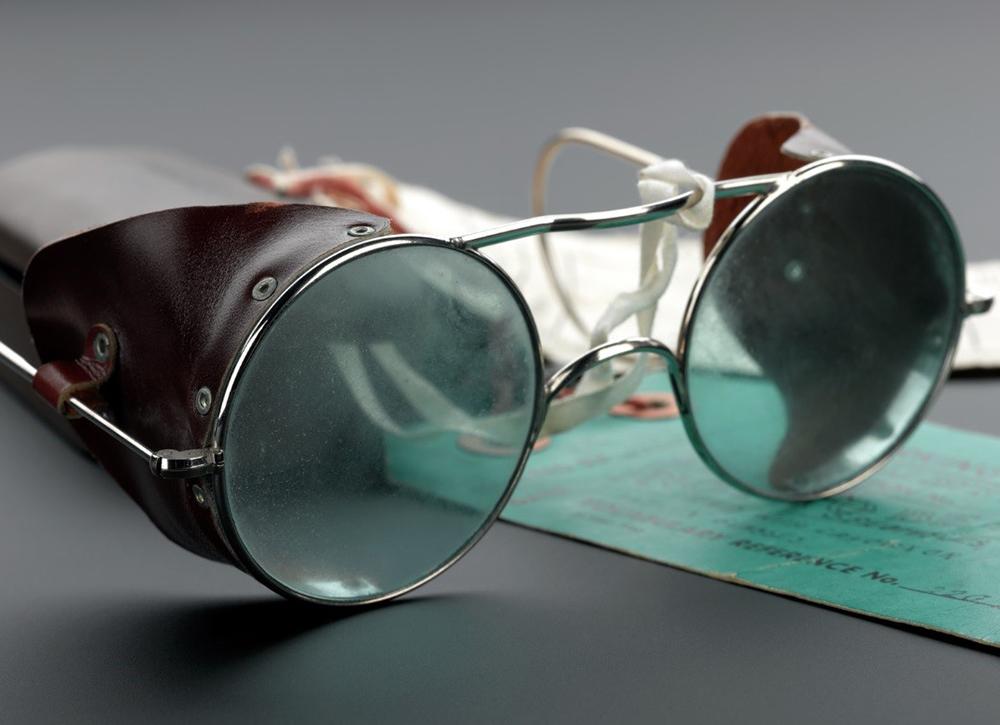
Before sunglasses arrived in America, people in other parts of the world tried to shield their eyes from the sun. Ancient China used smoky quartz glasses to block sunlight and glare. In the Arctic, the Inuit people made slitted goggles from bone or wood to prevent snow blindness.
These early inventions show that the problem of bright light is not new.
But these were not sunglasses in the modern sense. They did not use tinted lenses or offer real protection from ultraviolet (UV) rays. The idea of sunglasses as we know them started to take shape much later, thanks to new materials and science.
The Arrival Of Sunglasses In America
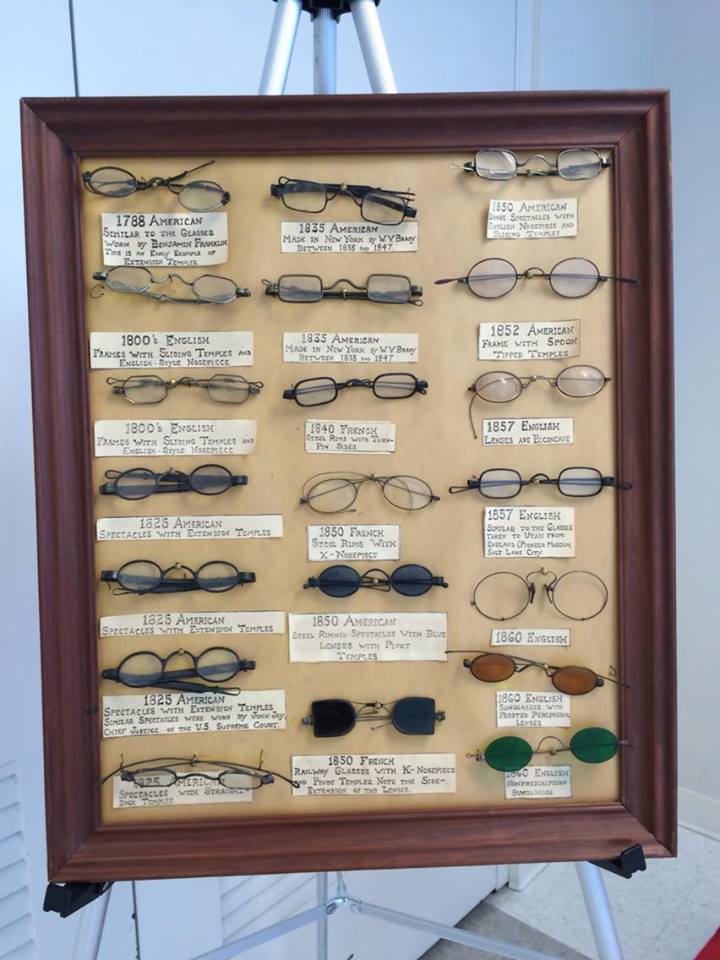
Many people believe sunglasses are a modern invention, but their story in America starts in the early 20th century. Around the 1920s, Americans began to see sunglasses as both a tool and a fashion item. Before this, most people wore hats or used umbrellas to shade their eyes.
1. Sam Foster And The 1929 Breakthrough
The year 1929 is a key moment in the history of sunglasses in America. This is when Sam Foster, an entrepreneur from New Jersey, started selling the first mass-produced sunglasses in the United States. Foster founded the Foster Grant company, which made celluloid plastic sunglasses affordable for everyday people.
On a sunny day in Atlantic City, Foster began selling his sunglasses at the boardwalk. They were cheap, stylish, and perfect for the growing number of people enjoying outdoor activities. People loved them, and soon, sunglasses became a must-have accessory for beachgoers and travelers.
This is the moment when sunglasses, as we know them, were truly “invented” in America. While others had made tinted eyewear before, Foster’s approach brought sunglasses to the masses and changed American culture forever.
2. Hollywood’s Influence In The 1930s
Sunglasses gained even more attention in the 1930s thanks to Hollywood stars. Actors and actresses wore sunglasses not only to shield their eyes from bright studio lights but also to hide from fans and photographers. Soon, Americans wanted to copy this look. Wearing sunglasses became a symbol of glamour and style.
By the end of the 1930s, sunglasses were everywhere. Department stores sold them, and advertisements appeared in magazines and newspapers. The link between sunglasses and celebrity status grew stronger every year.
Sunglasses And Science: A Deeper Look
You might think sunglasses are all about style, but science played a huge role in their invention and growth in America. Let’s break down some of the key scientific steps.
The First Uv Protection
In the early days, most sunglasses only reduced brightness. They did not protect eyes from UV rays, which can cause eye damage over time. In the 1930s, scientists learned more about UV radiation and its dangers. This led to the creation of lenses that could block these harmful rays.
By the late 1930s and 1940s, American companies started offering sunglasses with real UV protection. This was a big step forward, making sunglasses not only a fashion statement but also an important tool for eye health.
Polarized Lenses: A Game Changer
In 1936, Edwin H. Land, the founder of Polaroid Corporation, invented polarized lenses. These lenses used a special filter to block glare from reflective surfaces like water or roads. Polarized sunglasses soon became popular with fishermen, pilots, and drivers.
Here’s a quick comparison of sunglasses before and after polarization:
| Type | Reduces Brightness | Blocks UV Rays | Reduces Glare |
|---|---|---|---|
| Pre-Polarized (1920s-1930s) | Yes | Some | No |
| Polarized (Post-1936) | Yes | Yes | Yes |
Polarized sunglasses were a big leap. They made driving safer and helped people see better in bright, reflective conditions. This technology is still a key feature in many modern sunglasses.
Sunglasses During World War Ii
World War II changed many things in America, including how people saw sunglasses. The military needed special eyewear for pilots who flew at high altitudes. The sun’s glare in the sky was not only annoying but also dangerous. Pilots needed protection from both glare and UV rays.
The Birth Of Aviator Sunglasses
To solve this, the U.S. Army Air Corps worked with the company Bausch & Lomb to create a new kind of sunglasses. In 1936, they launched the first Aviator sunglasses. These had large, teardrop-shaped lenses that covered more of the eye and offered full UV protection. The design became famous and is still popular today.
After the war, many soldiers brought their Aviator sunglasses home. This made the style even more popular with the public. Aviator sunglasses became a symbol of bravery, adventure, and coolness.
Military Sunglasses Vs. Civilian Sunglasses
Let’s look at how military sunglasses compared to everyday sunglasses at the time:
| Feature | Military Aviators | Civilian Sunglasses |
|---|---|---|
| UV Protection | High | Low to Medium |
| Lens Size | Large (covers more eye area) | Small to Medium |
| Frame Material | Metal (durable) | Plastic or metal |
| Style | Functional | Fashion-focused |
Many people don’t realize that military demands often drive new inventions that later become everyday items. Aviator sunglasses are a great example.
The Rise Of Sunglasses In American Pop Culture
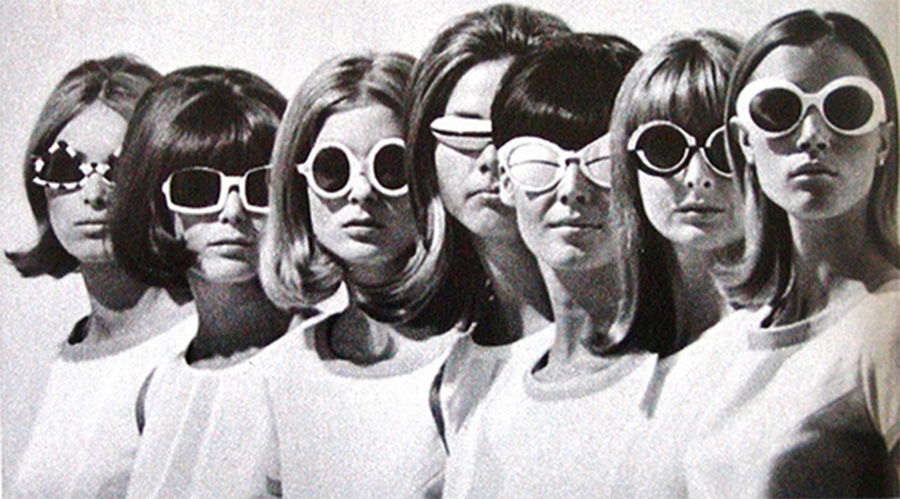
By the 1950s and 1960s, sunglasses were no longer just for protection. They had become a part of American pop culture. Movie stars, musicians, and athletes all wore them, making sunglasses a key part of their image.
Hollywood’s Golden Age
In the 1950s, stars like James Dean, Marilyn Monroe, and Audrey Hepburn made sunglasses even more popular. Audrey Hepburn’s look in “Breakfast at Tiffany’s,” with her large black sunglasses, became iconic. James Dean’s cool attitude with his Wayfarer shades set trends for young men.
Sunglasses now showed confidence, mystery, and coolness. Everyone wanted to have that Hollywood look.
Music And Sports Influence
The 1960s and 1970s saw musicians like Bob Dylan and athletes such as Muhammad Ali sporting sunglasses. This further cemented sunglasses as a symbol of rebellion, independence, and fun.
Sunglasses also became linked with sports. Surfers and skiers loved them for protection and style. Companies started to design sunglasses for specific sports, adding features like wrap-around shapes and impact-resistant lenses.
Major American Sunglasses Brands: Their Origins And Impact
The rise of sunglasses in America would not have happened without key companies leading the way. Let me walk you through the most important American sunglasses brands and their unique stories.
Foster Grant
As mentioned earlier, Foster Grant was the first to bring mass-produced sunglasses to America. Their clever marketing campaigns, like the famous “Who’s That Behind Those Foster Grants? ” ads, made sunglasses cool for everyone, not just the rich or famous.
Ray-ban
Ray-Ban, created by Bausch & Lomb in 1936, first made sunglasses for military pilots. Their Aviator and later Wayfarer designs became some of the most famous sunglasses in the world. Ray-Ban’s influence on music, movies, and fashion is still strong today.
Oakley
Founded in California in 1975, Oakley changed the game with high-tech materials and sporty designs. Oakley’s sunglasses became popular with athletes and outdoor lovers. Their use of impact-resistant lenses and lightweight frames set new standards for performance eyewear.
Other Notable Brands
- Randolph Engineering: Known for making durable sunglasses for the U.S. military and pilots.
- Serengeti: Famous for their photochromic lenses, which adjust to changing light.
- Maui Jim: Started in Hawaii, Maui Jim is known for high-quality polarized lenses and vibrant colors.
Each of these brands brought something new to the American sunglasses market, pushing the industry forward.
Credit: www.carfia.com
Key Milestones In Sunglasses Innovation In America
You might be surprised at how many “firsts” happened in America’s sunglasses story. Let’s look at some of the biggest milestones:
- 1929 – Sam Foster sells the first mass-produced sunglasses in the U.S.
- 1936 – Edwin Land invents polarized lenses with Polaroid.
- 1936 – Ray-Ban Aviator sunglasses are created for pilots.
- 1952 – Ray-Ban launches the Wayfarer, a new plastic frame style.
- 1975 – Oakley brings sporty, technical designs to the market.
- 1980s – Sunglasses become a symbol of wealth, status, and lifestyle, not just eye protection.
- 1990s to Today – New lens technologies emerge, including photochromic (color-changing) and anti-reflective coatings.
Each step brought more comfort, better eye protection, and new ways to show personal style.
How Sunglasses Became An Everyday Item In America
You may be wondering, why did sunglasses become so common in America? There are a few important reasons:
- Increased leisure time: After World War II, more Americans spent time outdoors, at beaches, parks, and sporting events.
- Stronger sun awareness: People learned about the dangers of UV rays and wanted to protect their eyes.
- Fashion trends: Magazines, movies, and celebrities made sunglasses a stylish must-have.
- Lower costs: Mass production and new materials made sunglasses affordable for almost everyone.
Today, it’s rare to find an American who doesn’t own at least one pair of sunglasses. Some people collect them, matching different styles to outfits or activities.
The Science Of Sunglasses: What Makes Them Work
Let’s look at what makes a good pair of sunglasses. There are a few key features that matter:
- UV Protection: The most important feature. Sunglasses should block 99-100% of UVA and UVB rays.
- Polarization: Reduces glare, making it easier to see near water, snow, or roads.
- Lens Color: Different colors can help with certain activities. For example, gray lenses keep colors true, while amber lenses improve contrast.
- Fit and Comfort: Sunglasses should fit well and not slip off your face. Lightweight frames and nose pads help.
- Scratch Resistance: Coatings can make lenses last longer and resist damage.
Here’s a quick breakdown of lens colors and their uses:
| Lens Color | Best For | Pros | Cons |
|---|---|---|---|
| Gray | General use | True color, reduces brightness | Less contrast |
| Brown/Amber | Sports, driving | Better contrast, reduces glare | Color distortion |
| Green | Golf, tennis | Good contrast, reduces eye strain | Some color shift |
| Yellow | Low light, fog | Brightens view, sharpens details | Not for bright sun |
A common mistake is thinking that darker lenses mean better protection. In fact, the real key is UV blocking, which you can’t see with your eyes. Always check for a label or sticker that says “100% UV protection. ”
How Sunglasses Changed American Society
Sunglasses have had a big impact on American life. Here’s how:
- Health: They protect eyes from UV rays, reducing the risk of cataracts and other eye problems.
- Fashion: Sunglasses are a statement piece. People use them to show their personality or match their mood.
- Privacy: Sunglasses can hide your eyes, giving you some privacy in public.
- Confidence: Many people feel more confident or mysterious with sunglasses on.
One thing many people don’t realize is that sunglasses can also help prevent wrinkles around the eyes. By blocking sunlight, they help you avoid squinting—a small but real beauty benefit!
Credit: www.salus.edu
The Business Of Sunglasses In America
Sunglasses are now a huge business in America. The U.S. sunglasses market is worth over $4 billion per year. Americans buy millions of pairs every year. This includes everything from cheap drugstore glasses to high-end designer brands.
Some key trends:
- Online shopping: Many people now buy sunglasses online, using virtual try-on tools.
- Sustainability: Brands are starting to use recycled materials and eco-friendly packaging.
- Customization: You can order sunglasses with prescription lenses, special coatings, or custom designs.
One insight many beginners miss is that “luxury” sunglasses often use similar lenses as cheaper brands. The price difference is often about brand name and design, not always about eye protection.
Modern Innovations In American Sunglasses
The story of sunglasses in America continues. In recent years, new technologies have made sunglasses better than ever.
Smart Sunglasses
Companies like Ray-Ban and Bose have released smart sunglasses. These can play music, make phone calls, or connect to your phone. Some even have built-in displays or cameras.
Blue Light Blocking
With more people staring at screens, some sunglasses now offer blue light blocking. This helps reduce eye strain from computers and phones.
Eco-friendly Materials
Brands are now making frames from bamboo, recycled plastic, and even old fishing nets. This helps reduce waste and protect the environment.
Credit: www.zennioptical.com
Two Surprising Facts Most People Don’t Know
- Sunglasses Can Improve Night Vision: Some special lens coatings help reduce glare from headlights and streetlights at night, making driving safer.
- Not All Expensive Sunglasses Offer Better Protection: UV protection depends on the lens material and coating, not the price or brand name. Always check for UV400 or 100% UV protection, even on budget sunglasses.
The Future Of Sunglasses In America
Looking ahead, sunglasses will likely become even smarter and more personalized. Tech companies are working on sunglasses that can adjust tint automatically, track your health, or even act as a heads-up display.
But one thing is certain: sunglasses are here to stay. They have become a key part of American life, blending protection, fashion, and technology.
If you want to read more about the science and history behind sunglasses, check out this detailed guide on Wikipedia.
Frequently Asked Questions
When Were Sunglasses First Invented In America?
Sunglasses were first mass-produced and sold in America in 1929 by Sam Foster. He sold them on the Atlantic City boardwalk. This is considered the true start of sunglasses as a popular American accessory.
What Made Sunglasses Popular In America?
Sunglasses became popular thanks to Hollywood stars in the 1930s, new lens technologies, and clever marketing. Military use during World War II also helped make them a common item for everyone.
Are Expensive Sunglasses Better For Eye Protection?
Not always. The most important thing is UV protection, not price. Many budget sunglasses offer 100% UV protection. Check for a UV label or sticker before you buy.
Who Invented Polarized Sunglasses?
Edwin H. Land invented polarized lenses in 1936. His company, Polaroid, made sunglasses that reduced glare from water, roads, and other surfaces.
What Is The Main Purpose Of Sunglasses Today?
The main purpose is to protect your eyes from harmful UV rays and reduce glare. But sunglasses are also a fashion item and a way to show personal style.
Sunglasses are more than just a way to block the sun. Their story in America mixes science, style, and a bit of luck. From Sam Foster’s first sale on the boardwalk to today’s smart glasses, sunglasses have changed how we see the world—and how the world sees us.
If you wear sunglasses, you’re part of a story nearly a century old, shaped by inventors, artists, and everyday people like you.

Madison Clark is a footwear expert and the voice behind MyStyleGrid.com. She specializes in honest shoe reviews, style tips, and practical guides to help readers find the perfect pair for any occasion. With years of experience in blogging and content creation, Madison makes footwear knowledge simple, stylish, and easy to follow.