If you spend time outside, you know how bright sunlight can make your eyes hurt. Sometimes, you even squint or get headaches. If you go fishing, drive, or walk by water, the glare is even worse. You might have heard about polarized sunglasses. People say they cut glare and make things look clearer. But where should you get them? With so many stores, brands, and prices, choosing the right place can feel confusing. I’ve gone through the same search, so let me guide you. By the end, you’ll know the best places to buy polarized sunglasses, what to look for, and a few tips many people miss.
Why Polarized Sunglasses Matter
You might wonder why you need polarized lenses instead of regular sunglasses. Here’s the simple answer: polarized lenses have a special filter. This filter blocks horizontal light—the kind that bounces off flat surfaces like water, roads, or snow. When this glare hits your eyes, it can cause discomfort and even reduce your vision. Polarized sunglasses make everything look sharper and more comfortable.
For example, when you drive, sunlight can reflect off the road and make it hard to see. If you fish or spend time at the beach, glare from water can blind you for a few seconds. With polarized sunglasses, you see more details and colors. Your eyes feel less tired, and you can enjoy your time outdoors much more.
What Makes A Good Pair Of Polarized Sunglasses
Before you decide where to buy, it’s important to know what makes some sunglasses better than others. Here are the main things you should check:
- True polarization: Not all sunglasses labeled “polarized” are equal. Some cheap brands use a thin film that peels off quickly.
- UV protection: Make sure your sunglasses block 99% or 100% of UVA and UVB rays.
- Lens material: Polycarbonate lenses are light and strong. Glass lenses are clearer but can break more easily.
- Frame quality: Good frames fit well and last longer. Plastic is light. Metal is stronger but heavier.
- Fit and comfort: Try them on if possible. A good fit means you’ll actually wear them.
A lot of people forget to check if the sunglasses are actually polarized. You can test this by looking at a digital screen (like your phone). If you tilt your head and the screen goes dark, the lenses are polarized.

Credit: outdoormaster.com
Where To Get Polarized Sunglasses: The Main Options
After checking dozens of stores, websites, and brands, I found there are six main places you can get polarized sunglasses. Each has pros and cons. Let’s look at them one by one.
1. Local Optical Stores
Your city or town likely has stores that sell eyeglasses and sunglasses. These local shops are a classic choice.
Pros:
- You can try on many pairs to find the best fit.
- Staff can help you choose the right frame and lens.
- Adjustments and repairs are available.
- Many stores can check your prescription if you need one.
Cons:
- Prices are often higher than online.
- The selection may be smaller than big chains or websites.
Real-world tip: Ask if they have a “polarization tester.” Most optical shops do. This device lets you see the effect of polarization before you buy.
2. Brand Boutiques (ray-ban, Oakley, Maui Jim, Etc.)
Some brands have their own shops or official counters in malls. These include famous names like Ray-Ban, Oakley, and Maui Jim.
Pros:
- 100% genuine products.
- Latest styles and special lenses.
- Expert advice from staff.
- Free cleaning or adjustments.
Cons:
- Prices can be premium.
- Limited to that brand’s styles.
Non-obvious insight: Many boutiques offer free lens upgrades during sales events. Ask about upcoming promotions.
3. Big Box Retailers And Department Stores
Stores like Walmart, Target, and Costco carry sunglasses, including polarized options. Department stores like Nordstrom or Macy’s also offer a range.
Pros:
- Lower prices and regular discounts.
- Easy returns.
- You can shop for other items at the same time.
Cons:
- Staff may not know much about sunglasses.
- Basic selection, mostly common brands.
Example: I found a pair of polarized sunglasses at Costco for about 40% less than the brand’s own store. They even came with a hard case.
4. Online Retailers
This is where many people look first today. Websites like Amazon, Zappos, and FramesDirect have thousands of options.
Pros:
- Huge selection from many brands.
- Often the lowest prices.
- Customer reviews help you decide.
- Easy to compare features and prices.
Cons:
- You can’t try before you buy.
- Risk of fake or counterfeit products from third-party sellers.
- Returning items can be slow.
Non-obvious insight: Look for “polarization test cards” on Amazon. Some sellers include them so you can check the lenses at home.
Here’s a quick look at how some popular online stores compare:
| Online Store | Brands Offered | Return Policy | Average Price Range |
|---|---|---|---|
| Amazon | Thousands (Ray-Ban, Oakley, etc.) | 30 days (varies by seller) | $15 – $300+ |
| Zappos | Hundreds (Maui Jim, Quay, etc.) | 365 days | $40 – $250 |
| FramesDirect | Luxury and designer brands | 30 days | $80 – $400+ |
| Backcountry | Outdoor brands (Smith, Costa, etc.) | 30 days | $50 – $250 |
Practical tip: Always buy from “sold by” and “fulfilled by” the main website to avoid counterfeit products.
5. Sunglass Specialty Stores
Chains like Sunglass Hut focus only on sunglasses. These stores are in malls and airports around the world.
Pros:
- Large selection of brands and styles.
- Staff know a lot about sunglasses.
- Good warranty support.
- Try before you buy.
Cons:
- Prices are mid to high range.
- Some stores push their featured brands.
Example: Sunglass Hut often runs “Buy One, Get One 50% Off” deals. If you’re buying for a friend or family, this can save money.
6. Outdoor And Sports Retailers
If you need sunglasses for sports, check stores like REI, Dick’s Sporting Goods, or Bass Pro Shops. They focus on performance brands.
Pros:
- Special sunglasses for fishing, boating, running, and cycling.
- Staff understand sports needs.
- Some stores offer custom fitting.
Cons:
- Fewer fashion brands.
- Prices can be high for specialty models.
Non-obvious insight: Outdoor stores often have “demo days.” You can test sunglasses outside before you buy.
7. Optometrist Clinics
Some people skip the eye doctor, but optometrist clinics often sell high-quality polarized sunglasses. These include prescription and non-prescription options.
Pros:
- Professional advice.
- Prescription lenses available.
- High-quality brands.
Cons:
- Higher prices.
- Smaller selection.
Tip: If you have vision insurance, some plans cover part of the cost of prescription polarized sunglasses.
8. Online Direct-to-consumer Brands
Newer brands sell directly online, cutting out the middleman. Examples include Warby Parker, Hawkers, and Goodr.
Pros:
- Lower prices for good quality.
- Trendy, fresh designs.
- Home try-on programs (like Warby Parker).
Cons:
- Fewer physical stores.
- Limited to their own styles.
Example: Warby Parker lets you try 5 pairs at home for free in the US. You can see how the sunglasses look in your daily life.
9. Discount And Outlet Stores
You might find deals at outlet malls or stores like TJ Maxx, Ross, and Marshalls. These stores sell overstock or last year’s models.
Pros:
- Big discounts.
- Brand names at lower prices.
- New stock often.
Cons:
- Limited sizes and styles.
- No expert help.
Non-obvious insight: Visit outlets right after new seasons start. That’s when stores clear out older stock at the lowest prices.
Comparing The Main Places To Buy Polarized Sunglasses
Let’s look at a side-by-side comparison. This can help you decide which option suits your needs best.
| Where | Best for | Price Range | Try Before Buy? | Expert Help | Selection |
|---|---|---|---|---|---|
| Local Optical Store | Personal fitting, prescription needs | $$$ | Yes | Yes | Medium |
| Brand Boutique | Fans of one brand | $$$ | Yes | Yes | Small |
| Big Box Retailer | Budget and convenience | $ – $$ | Yes | No | Medium |
| Online Retailer | Lowest price, biggest choice | $ – $$$ | No | No | Very Large |
| Sunglass Specialty Store | Wide selection, fashion | $$ – $$$ | Yes | Yes | Large |
| Outdoor/Sports Store | Sports/outdoor use | $$ – $$$ | Yes | Yes | Medium |
| Optometrist Clinic | Prescription, eye health | $$$ | Yes | Yes | Small |
| Online DTC Brands | Trendy, affordable | $ – $$ | Sometimes | Some | Medium |
| Discount/Outlet Store | Deals and bargains | $ | Yes | No | Small |
How To Spot Fake Polarized Sunglasses
You might think a low price is a great deal, but many fake sunglasses claim to be polarized. Here are signs to watch for:
- No brand name or a name that looks like a famous brand but is slightly different.
- Flimsy build: Cheap plastic, loose hinges, or uneven coloring.
- No UV sticker: Real polarized sunglasses usually say “UV400” or “100% UV protection.”
- Price is too good: If it’s much cheaper than anywhere else, be careful.
- No return policy: Fake sellers often refuse returns.
Testing tip: Hold the sunglasses in front of a digital screen. Turn the sunglasses 60-90 degrees. If the screen gets darker or changes color, the lenses are polarized.
Best Brands For Polarized Sunglasses
If you want the best, some brands are known for quality. Here are a few you’ll see often:
- Ray-Ban: Classic style and good polarization.
- Oakley: Great for sports, durable frames.
- Maui Jim: High-end, especially for water and beach use.
- Costa Del Mar: Designed for fishing and boating.
- Smith Optics: Popular with outdoor sports fans.
- Persol: Luxury brand with glass lenses.
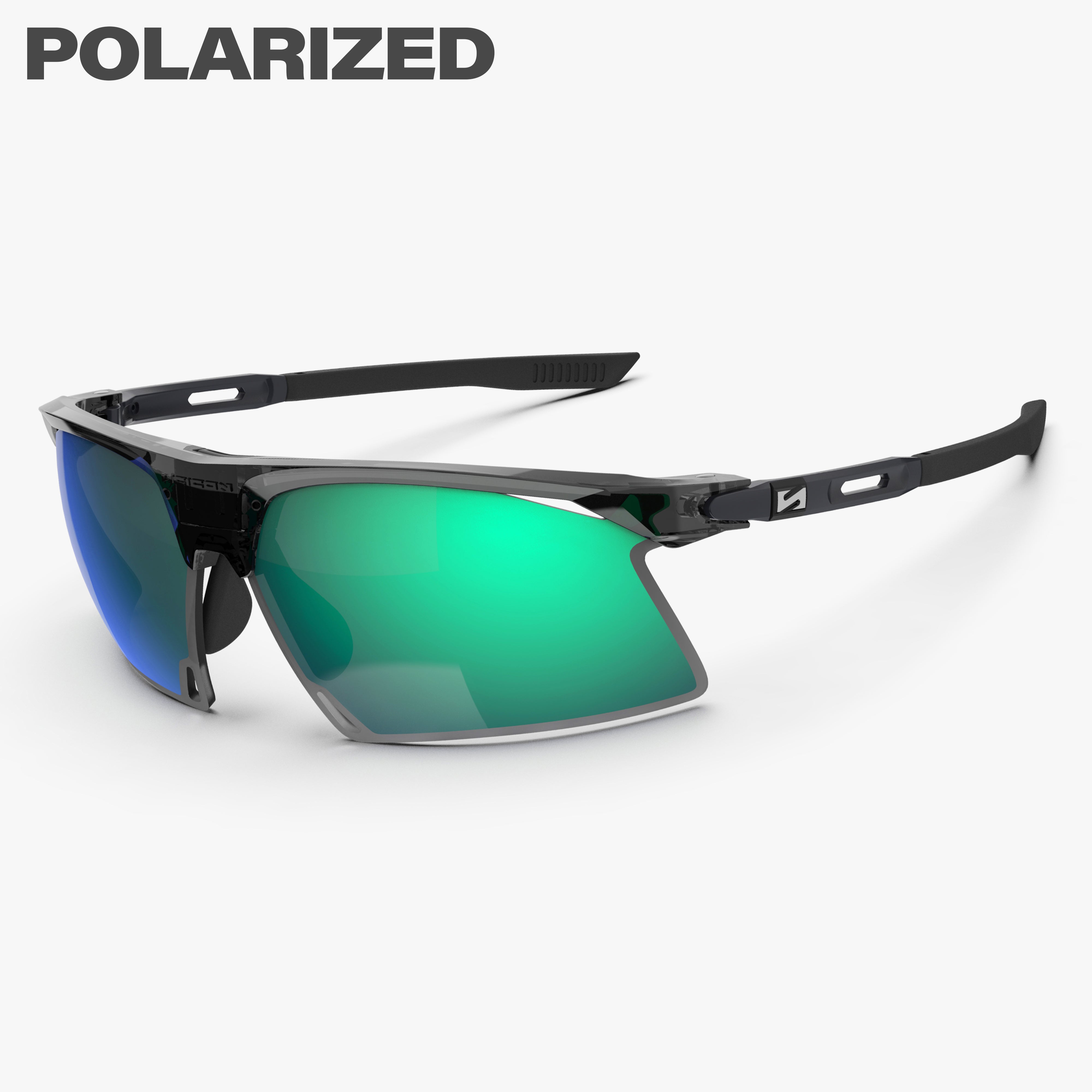
Each brand has its own focus. If you care about style, try Ray-Ban or Persol. For fishing, Costa Del Mar is a top choice. For running or biking, Oakley and Smith are strong picks.
Credit: sciconsports.com
Prescription Polarized Sunglasses
If you wear glasses, you can still enjoy the benefits of polarization. Many optical stores and online shops offer prescription polarized sunglasses. This means your lenses will match your vision needs and still block glare.
Process:
- Bring your latest prescription to the store or enter it online.
- Choose your frame and lens color.
- Wait for them to make your custom lenses (usually 1-2 weeks).
Cost: Prescription polarized sunglasses cost more. Prices start around $100 and can go up to $400 or more, depending on the brand and lens features.
Insurance tip: If you have vision insurance, ask if they cover part of the cost for prescription sunglasses.
What To Watch For When Shopping Online
Buying sunglasses online is easy, but there are risks. Here are some ways to protect yourself:
- Check the seller’s reviews: Real buyers give honest feedback.
- Look for official seller badges: Brands often list their approved sellers on their website.
- Read the return policy: Make sure you can return the sunglasses if they don’t fit or aren’t real.
- Watch for fake reviews: Too many 5-star reviews with similar wording can be a sign of fake products.
Extra tip: Many people forget to check the lens width and bridge size online. Measure your old sunglasses and compare.
How To Get The Best Deal
Everyone wants to save money. Here are some ways to get the best price on polarized sunglasses:
- Shop during sales: Black Friday, end-of-season, or holiday sales bring big discounts.
- Use coupons: Many online stores offer 10-20% off for new customers.
- Sign up for email alerts: Brands often send special deals to subscribers.
- Check outlet stores: You can find last year’s styles for up to 50% less.
- Student or military discounts: Some brands give extra discounts.
Timing tip: New sunglasses often come out in spring. Buy last year’s models in late summer for the lowest prices.
Lens Colors And Their Best Uses
Polarized lenses come in different colors. Each color has a purpose:
- Gray: Most popular; true color perception; good for everyday use.
- Brown/Amber: Increases contrast; best for driving and variable light.
- Green: Reduces glare while keeping color balance.
- Blue/Mirrored: Reduces glare from water; popular for boating and fishing.
- Yellow/Gold: Best for low light, not strong sun.
Non-obvious insight: Brown lenses can make shadows and bumps more visible on the road, which helps when driving.
Care And Maintenance Tips
A good pair of sunglasses can last for years if you take care of them. Here’s how:
- Clean lenses with a microfiber cloth: Never use your shirt or paper towels—they scratch the lens.
- Use lens cleaner: Water or special spray works best.
- Store in a hard case: Prevents scratches and breaks.
- Don’t leave in hot cars: Heat can warp plastic frames and damage the lens coating.
Pro tip: If your sunglasses get saltwater on them, rinse with fresh water right away. Salt can damage the coating.
Should You Buy Online Or In-store?
Many people ask if it’s better to shop online or in person. There’s no single answer—it depends on your needs.
Buy in-store if:
- You want to try before you buy.
- Fit and comfort are top priorities.
- You need expert help.
Buy online if:
- You want the best price.
- You already know your size and style.
- You want more choices.
I recommend trying a few pairs in-store first. Once you know what fits, you can look for deals online.
Environmental And Ethical Considerations
More people now care about where and how their sunglasses are made. Some brands use recycled materials or sustainable packaging. Others give back to communities or protect the environment.
For example, Costa Del Mar uses recycled fishing nets to make some frames. Warby Parker gives a pair of glasses to someone in need for every pair sold.
If these issues matter to you, check the brand’s website before you buy.
Real-world Example: My Search For Polarized Sunglasses
Let me share a quick story. Last summer, I wanted new sunglasses for a fishing trip. I went to a local optical store first, but the prices were high. Next, I tried Sunglass Hut. The staff helped me pick the right fit, but I wanted to check prices online.
I found the same pair on Amazon for 25% less. I made sure it was “sold and shipped by Amazon” to avoid fakes. When the sunglasses arrived, I used a polarization tester card to check the lenses. They passed!
What did I learn? Sometimes, it pays to do a bit of research and compare both in-store and online. But always check for return policies and make sure the seller is trusted.

Credit: www.hooksunglasses.com
When To Replace Your Sunglasses
Polarized sunglasses don’t last forever. Here are signs it’s time for a new pair: