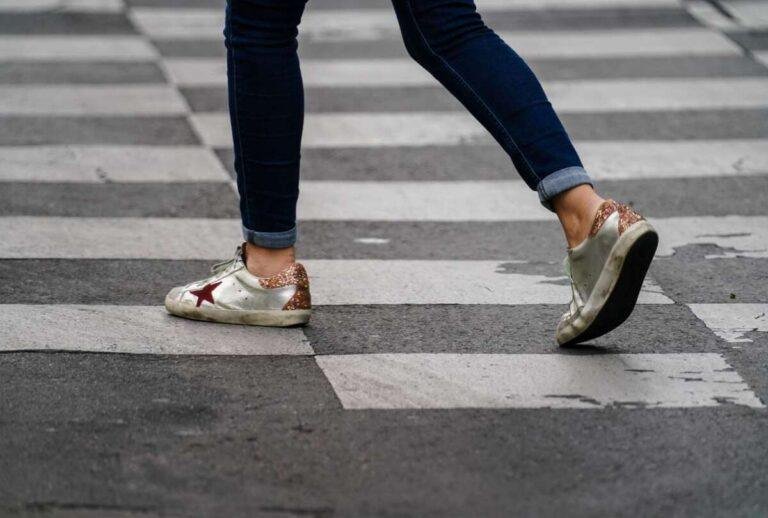
Golden Goose shoes look dirty because their scuffs, stains, and worn finishes are deliberately added for a vintage style.
If you have wondered why are Golden Goose shoes dirty straight out of the box, the answer is design, not poor quality. Golden Goose creates many sneakers with hand-finished marks, faded colors, distressed leather, and used-looking soles. This guide explains the brand’s design choices, how to tell intentional distress from real damage, and how to clean your shoes without ruining their character.
Why are Golden Goose shoes dirty by design?
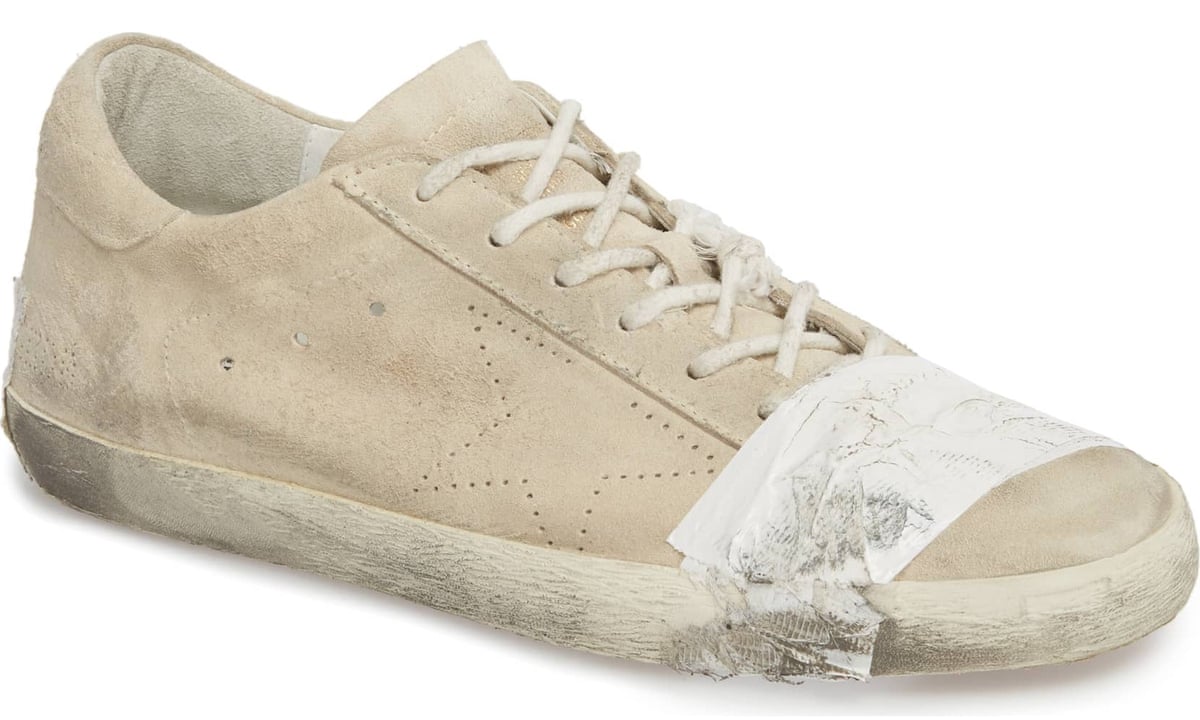
Golden Goose shoes are made to look worn from the start. The brand uses a distressed style that copies the natural marks found on well-loved sneakers. These marks may include dark smudges, faded panels, rough edges, paint-like streaks, and dirty-looking rubber soles.
The worn appearance is part of the shoe’s visual identity. Instead of selling a clean, perfect sneaker, Golden Goose sells a finished product that looks as if it already has a story. That is why are Golden Goose shoes dirty even when they are brand new.
The distressing process can vary by model. Some shoes have light scuffs, while others have heavy staining and strong color changes. The finish may be added by hand, so two pairs of the same style can look slightly different.
Common factory-made details include:
• Scuffed leather around the toe and heel
• Gray or brown marks on white panels
• Faded or yellowed rubber soles
• Frayed-looking laces or edges
• Cracked paint or metallic finishes
• Dark marks near the eyelets
• Uneven color on the upper
These details are usually cosmetic. They do not mean the shoe was returned, worn by another customer, or made with low-quality materials.


What makes Golden Goose sneakers look worn?
Several design techniques create the used appearance. The brand combines materials, surface treatments, and hand finishing to make each pair appear naturally aged.
Distressed leather and suede
Leather may be brushed, rubbed, or lightly marked to create a soft, worn effect. Suede can also show uneven color because its fine fibers reflect light in different directions.
This is one reason a new pair may look uneven. Smooth, uniform color is not always the goal. A little variation helps the shoe look more like a vintage find.
Marked rubber soles
The soles often feature dark areas, faded edges, and visible dirt-like marks. These marks may be added during production to suggest that the shoes have been worn on city streets.
Real dirt usually sits on top of the rubber and can move when wiped. Factory distressing may be part of the sole’s color or texture and will not disappear with gentle cleaning.
Hand-finished details
Many luxury sneakers receive extra finishing by hand. Small differences in brush marks, scuffs, and shading can therefore occur from one pair to another.
This hand-finished look is useful when understanding why are Golden Goose shoes dirty. The marks are not random defects. They help create the brand’s relaxed, high-fashion style.
Faded and uneven colors
A white panel may look cream, gray, or slightly yellow. A metallic star may appear rubbed at the edges. These effects are often intentional and help the shoes feel less formal.
Think of the finish like denim that has been washed and softened. The goal is not perfect uniformity. The goal is character.

Are Golden Goose shoes actually dirty?
Sometimes they are, but often they only look dirty. The difference depends on whether the mark is part of the original finish or appeared after wear.
A factory mark tends to look blended into the design. It may appear on both shoes, match the style of the model, or sit in a place where natural wear commonly occurs. Real dirt may look fresh, uneven, or raised on the surface.
You can inspect the shoes with these simple checks:
• Compare both shoes for matching distress marks.
• Look at the product photos from the retailer or brand.


• Check whether the mark changes when lightly wiped with a dry cloth.
• Look for dust around the welt, stitching, and sole grooves.
• Smell the shoe for dampness, smoke, mildew, or strong chemical odors.
• Inspect the box, tags, receipt, and seller information if authenticity is a concern.
A little unevenness is normal. However, heavy moisture, mold, a strong odor, broken stitching, or deep cuts are not normal signs of intentional distress.
This distinction matters when asking why are Golden Goose shoes dirty. A worn look can be part of the product, but actual contamination or damage requires attention.

How to tell intentional distress from damage
Intentional distress usually looks controlled. Damage looks random and may affect the shoe’s structure or comfort.
Signs of intentional distress
• Marks appear in several expected wear areas.
• The pattern fits the photos for that model.
• The leather remains flexible and intact.
• The sole is firmly attached.
• The stitching is even and secure.
• The shoes have no damp or musty smell.
Signs of real wear or damage
• A stain spreads beyond the original marked area.


• Leather is peeling, cracked, or brittle.
• The sole is separating from the upper.
• The inner lining is torn.
• The shoes feel wet or misshapen.
• Mold appears as fuzzy or powdery spots.
• The insole has deep compression or strong odor.
If you bought the pair from an unknown marketplace, do not assume every mark is part of the design. Compare the shoe with official images and ask the seller for clear photos of the sole, inside label, heel, and stitching.
Authenticity cannot be confirmed from dirt alone. Golden Goose designs vary widely, and some authentic models look much more distressed than others.

How to clean Golden Goose shoes safely
Cleaning Golden Goose sneakers requires a light touch. Aggressive scrubbing may remove the very finish that makes the pair distinctive.
Before cleaning, check the material. Leather, suede, canvas, and metallic panels need different care. If the shoe has unusual finishes or valuable embellishments, a professional cleaner is the safest choice.
What you need
• A soft cotton or microfiber cloth
• A soft shoe brush
• Mild soap
• Lukewarm water


• A clean white towel
• A suede brush for suede sections
• Leather conditioner approved for the shoe’s leather type
Avoid colored cloths because dye can transfer onto pale leather. Avoid soaking the shoes, too. Water can stain leather, loosen adhesives, and change the shape of the upper.
Gentle cleaning steps
-
Remove the laces and insoles if they are removable.
-
Brush away loose dust with a soft, dry brush.
-
Mix a small amount of mild soap with lukewarm water.
-
Dampen the cloth instead of wetting the shoe directly.
-
Test the solution on a hidden area.
-
Wipe dirty areas with small, gentle motions.
-
Use a separate damp cloth to remove soap residue.
-
Press the shoe with a towel to absorb moisture.
-
Let the sneakers air-dry at room temperature.
-
Brush suede lightly after it is fully dry.
Do not place the shoes near a radiator, heater, hair dryer, or strong sunlight. Fast heat can dry leather, warp the sole, and create darker water marks.
A useful rule is simple: remove dirt that threatens the material, but do not erase every scuff that belongs to the design.

What not to use on distressed Golden Goose shoes
Some popular cleaning products are too harsh for luxury sneakers. They may make the shoe look cleaner for a moment but cause permanent changes later.
Avoid these products unless a qualified shoe-care professional recommends them:
• Bleach
• Acetone or nail polish remover
• Strong degreasers
• Abrasive powder cleaners
• Rough kitchen sponges
• Melamine foam used with heavy pressure
• Household disinfectants
• Large amounts of saddle soap
• Washing machines
Bleach can yellow leather and weaken fibers. Acetone can remove paint, metallic coatings, and protective finishes. A rough sponge can create a bright patch that looks more unnatural than the original mark.
The same caution applies to the sole. A rubber eraser may remove surface dirt, but hard rubbing can leave a smooth or shiny spot. That spot may stand out against the factory-aged finish.
When people ask why are Golden Goose shoes dirty, they often want to make them look new. In practice, trying to make them perfectly clean can reduce their value and visual balance.

How to clean specific Golden Goose materials
Different parts of the sneaker need different methods. Treating every surface in the same way is a common mistake.
Leather
Use a barely damp cloth and mild soap. After drying, apply a small amount of suitable leather conditioner if the leather appears dry.
Do not condition suede, metallic leather, or heavily painted panels with a standard leather cream. The product can darken or flatten the finish.
Suede
Start with a dry suede brush. Brush in one direction, then lift the nap gently. For a small mark, use a suede eraser with very light pressure.
Never soak suede. Water can create a permanent ring or change the texture.
Canvas
Canvas usually tolerates gentle spot cleaning better than leather. Blot the area rather than rubbing it hard, and keep water away from leather trim.
Metallic panels
Use a dry or slightly damp microfiber cloth. Avoid polish and strong soap. Metallic coatings can fade or rub away quickly.
Rubber soles
A soft brush and mild soap can remove loose grime from the sole edge. Work slowly around painted sections because some Golden Goose soles contain intentional marks that may fade with cleaning.
How to keep Golden Goose shoes looking good
The best care plan prevents deep stains instead of trying to remove them later. These sneakers are designed to look relaxed, but they still benefit from careful use.
Follow these habits:
• Rotate the shoes so they can air out between wears.
• Use shoe trees or clean paper to help hold their shape.
• Store them in a cool, dry place.
• Keep them away from damp basements and hot closets.
• Wipe fresh spills quickly with a clean cloth.
• Untie the laces before removing the shoes.
• Avoid wearing them through deep puddles or heavy rain.
• Store each shoe in its dust bag if one is provided.
• Keep light shoes away from dark denim that may transfer dye.
Rain is especially risky for unfinished or pale leather. If the shoes become wet, remove excess water with a towel and let them dry slowly. Do not use heat to speed up the process.
In my experience with shoe-care advice, the most common mistake is over-cleaning. Owners see one dark mark and scrub the whole shoe. The result can be a clean patch that clashes with the rest of the intentional distressing.
Can you make Golden Goose shoes look less dirty?
Yes, but the best result is usually a softer, cleaner version of the original design rather than a completely new-looking sneaker.
Start with the areas that affect hygiene and comfort:
-
Clean the insoles or replace them if they hold odor.
-
Remove loose dirt from the sole grooves.
-
Wipe food, oil, and fresh spills from the upper.
-
Clean the inside lining with a lightly damp cloth.
-
Air the shoes fully before wearing them again.
Leave fixed scuffs, faded edges, and factory stains alone unless they bother you. These marks are often part of the model’s intended appearance.
If you want a more dramatic change, consult a sneaker restoration specialist. A professional may recolor or refinish certain areas, but restoration can change the original appearance and may not be reversible.
This is an important limitation: no cleaning method can safely remove every mark. Some finishes are built into the leather, paint, or sole. Trying to erase them may cause more damage than the mark itself.
Do dirty-looking Golden Goose shoes affect authenticity?
Not by themselves. Distressing is common across authentic Golden Goose models, so scuffs and marks cannot prove that a pair is genuine.
A proper authenticity review considers several details together:
• Seller history and purchase record
• Box and packaging quality
• Interior label and size information
• Stitching and panel alignment
• Star, heel tab, and sole construction
• Materials and overall shape
• Model-specific details
Be careful with sellers who claim that extreme dirt proves authenticity. It does not. Counterfeit shoes can also imitate a distressed look.
If the price is unusually low, the product photos are unclear, or the seller refuses close-up images, treat the purchase with caution. A receipt from an authorized retailer offers stronger evidence than a worn-looking sole.
Are Golden Goose shoes worth the price if they already look worn?
The answer depends on what you value. Buyers who enjoy handmade details, Italian production, fashion styling, and a vintage look may find the design worthwhile. Buyers who expect a spotless, uniform sneaker may feel disappointed.
The price also reflects more than the distressed marks. Materials, labor, brand positioning, retail costs, and construction all influence the final price. Still, a high price does not mean the shoes are indestructible.
Golden Goose sneakers can crease, stain, lose finish, and wear down like other shoes. The pre-worn design hides some new scuffs, but it does not protect the leather or sole from real damage.
Before buying, view several photos of the exact model. That step helps you understand why are Golden Goose shoes dirty and prevents surprise when the pair arrives.
Frequently Asked Questions
Why are Golden Goose shoes dirty when they are new?
Golden Goose adds scuffs, fading, stains, and worn details during production. These features create the brand’s signature vintage appearance and are usually intentional.
Can I wash Golden Goose shoes in a washing machine?
Machine washing is not recommended. Water, heat, and movement can damage leather, suede, adhesives, metallic panels, and the shoe’s distressed finish.
Should I remove the scuffs from Golden Goose sneakers?
Only remove scuffs that are real dirt or that affect hygiene. Many scuffs are part of the original design, so aggressive cleaning may leave uneven patches or damage the materials.
How can I tell if the dirt is real?
Real dirt may sit on the surface, change when gently wiped, or appear around stitching and sole grooves. Factory distress usually looks blended into the design and matches the style of both shoes.
Can rain damage Golden Goose shoes?
Yes. Rain can stain leather, affect suede, loosen adhesives, and change the shape of the shoe. If the sneakers get wet, blot them and let them air-dry slowly at room temperature.
Are Golden Goose shoes supposed to smell?
They may have a mild new-shoe or leather smell, but a strong musty, moldy, or chemical odor is not normal. That smell can indicate moisture, poor storage, or a product concern.
How often should I clean Golden Goose sneakers?
Clean them when they have real dirt, spills, or odor rather than on a fixed schedule. Light brushing and prompt spot cleaning are safer than frequent deep cleaning.
Conclusion
Golden Goose shoes look dirty because their distressed finish is a central part of the design. Scuffs, faded colors, marked soles, and uneven leather often appear before the first wear, giving the sneakers a vintage and handcrafted feel.
The safest approach is to clean real dirt gently while preserving intentional marks. Use mild products, avoid soaking and heat, and ask a professional for help with delicate leather, suede, or metallic details.
Now that you understand why are Golden Goose shoes dirty, you can care for them with confidence instead of scrubbing away their character. Share your favorite shoe-care tip or explore more guides before your next sneaker purchase.

Rubel Miah is the Senior Editor at MyStyleGrid.com, where he brings a sharp editorial eye and an unshakable love for fashion to everything he does. A true style addict, Rubel lives and breathes trends, from streetwear to high fashion, and has a knack for turning inspiration into impactful stories. With years of experience in fashion journalism and digital media, he curates content that empowers readers to express themselves through style. When he’s not editing features or forecasting the next big thing, you’ll find him hunting down vintage pieces or capturing street style moments around the city.