Nike shoes are made from a mix of synthetic fabrics, foams, rubber, leather, and performance textiles.
If you have ever picked up a pair and wondered what is really inside, you are not alone. Nike shoes look simple from the outside, but their build is a careful blend of comfort, durability, support, and style. In this guide, I’ll break down what Nike shoes are made of, how those materials work together, and what you should know before you buy your next pair.
What Nike shoes are made of
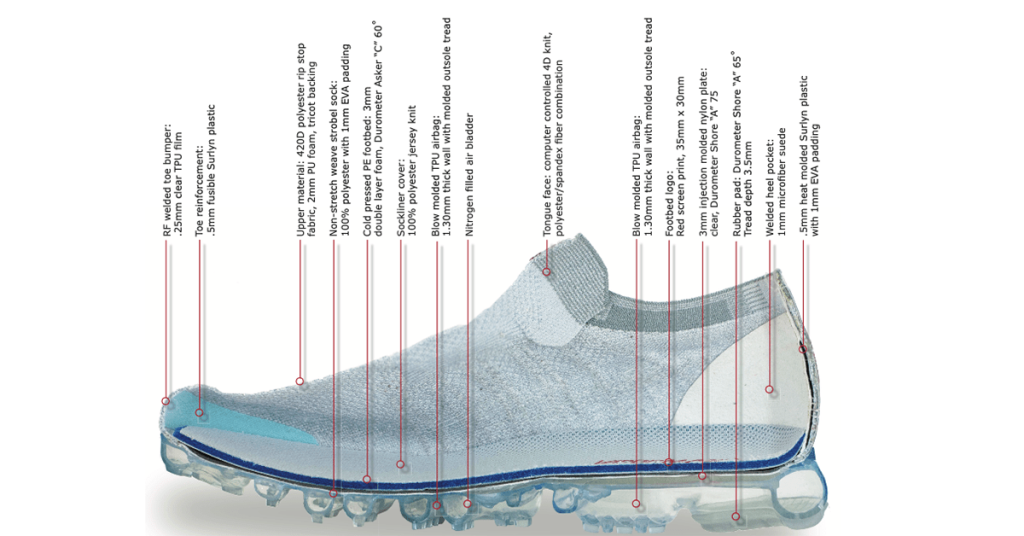
Nike shoes are not made from just one material. They usually combine several layers and parts, each with a job to do. The upper may use mesh, knit fabric, synthetic leather, or real leather. The midsole often uses foam for cushioning, and the outsole usually uses rubber for grip.
From my experience reviewing and wearing different Nike models, the material mix changes a lot by shoe type. A running shoe, for example, feels much lighter and more breathable than a basketball shoe because the material goals are different. That is why asking what Nike shoes are made of is really about understanding the role of each component.
Nike also adjusts materials based on performance needs. Some shoes focus on airflow. Others focus on support or long wear. In many modern models, Nike uses recycled content as well, which is part of a broader shift in footwear design.
Main materials used in Nike shoes
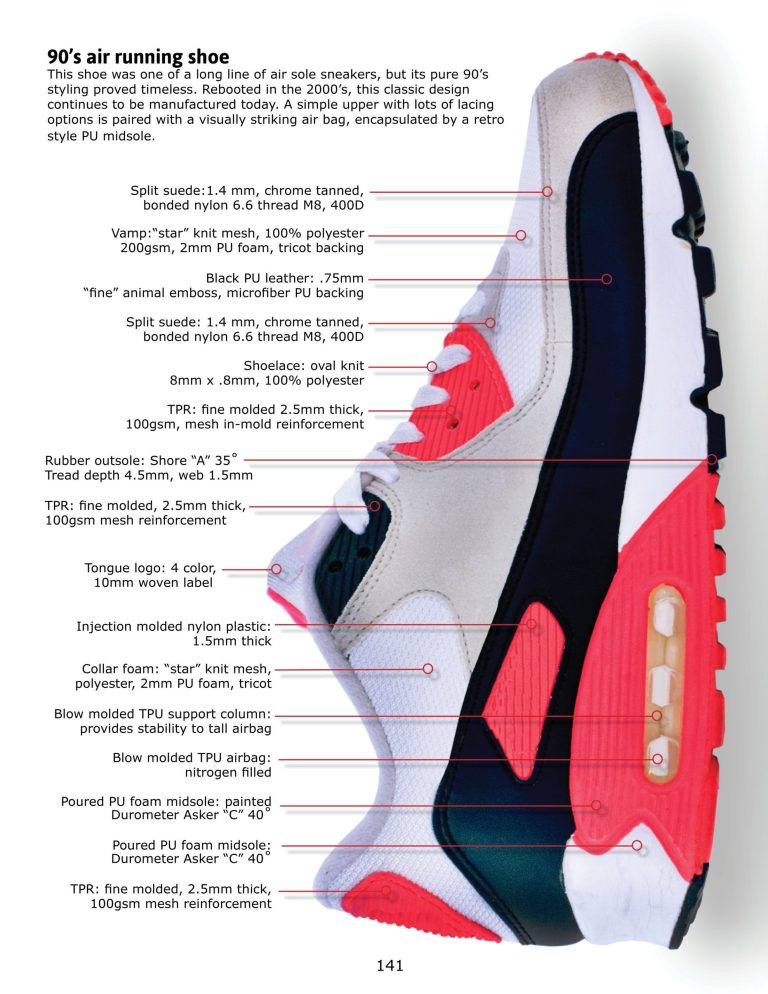
Nike uses a wide range of materials across its lineup. The exact mix depends on whether the shoe is built for running, training, basketball, lifestyle wear, or outdoor use. Still, most pairs include a few common parts.
Uppers
The upper is the top part of the shoe. It wraps around your foot and helps with fit, breathability, and comfort.
Common upper materials include:
• Mesh: Lightweight and airy, often used in running shoes
• Knit fabric: Flexible and soft, often used for a sock-like fit
• Synthetic leather: Durable and easier to clean than real leather
• Genuine leather: Used in some lifestyle and heritage models
• Flyknit or similar engineered textiles: Designed for a precise fit with less waste
In real life, I have found mesh uppers best for hot weather and daily walking. Knit uppers feel more comfortable right away, but they may not offer the same structure as firmer materials.
Midsoles
The midsole sits between the upper and the outsole. This is where most of the cushioning comes from.
Nike often uses:
• EVA foam: Light and soft, common in many shoes
• Phylon foam: A compressed foam made for cushioning and support
• React foam: Known for a balanced mix of softness and energy return
• ZoomX foam: Very light and responsive, often used in performance running shoes
• Air units: Pressurized cushioning pods in certain models
The midsole material can change how a shoe feels more than anything else. A shoe with ZoomX will usually feel very springy, while a basic EVA foam model may feel flatter and simpler.
Outsoles
The outsole is the bottom layer that touches the ground. It needs to grip surfaces and resist wear.
Nike usually uses:
• Carbon rubber: Tough and durable, often in high-wear zones
• Blown rubber: Softer and lighter, used to reduce weight
• Foam-based outsole sections: Common in lightweight models
• Traction patterns: Designed for road, court, trail, or turf use
I have seen many people choose a shoe based only on looks, then wonder why it wears down fast. The outsole matters a lot if you walk a lot, play sports, or use the shoe on rough ground.
Support and structure parts
Nike shoes also include smaller materials that help the shoe hold its shape.
These may include:
• TPU overlays: Strong plastic-like supports
• Heel counters: Structural pieces that lock in the heel
• Eyelets and lacing loops: Often reinforced for durability
• Insoles or sockliners: Usually foam-based for added comfort
These parts are easy to overlook, but they change fit and stability in a big way. If a shoe feels secure, these support pieces are usually doing their job well.
How Nike chooses materials for different shoe types
Nike does not use the same materials in every shoe. The design changes based on what the shoe is supposed to do. That is a big reason the answer to what are Nike shoes made of is not one simple sentence.
For running shoes, Nike often prioritizes light weight, breathability, and cushioning. For basketball shoes, the focus shifts toward support, traction, and ankle stability. For lifestyle sneakers, appearance and comfort may matter more than technical performance.
Here is a simple breakdown:
• Running shoes: Light mesh, responsive foam, durable rubber
• Basketball shoes: Strong overlays, thicker cushioning, high-traction rubber
• Training shoes: Balanced support, flexible uppers, stable midsoles
• Lifestyle shoes: Leather, suede, knit, or mixed materials for style and comfort
• Trail shoes: Tough mesh, reinforced uppers, grippy outsoles
That design logic is important. A material that feels perfect in a lifestyle sneaker might not work well in a marathon shoe. Nike builds each model around purpose, not just appearance.
What Nike’s foam is made of
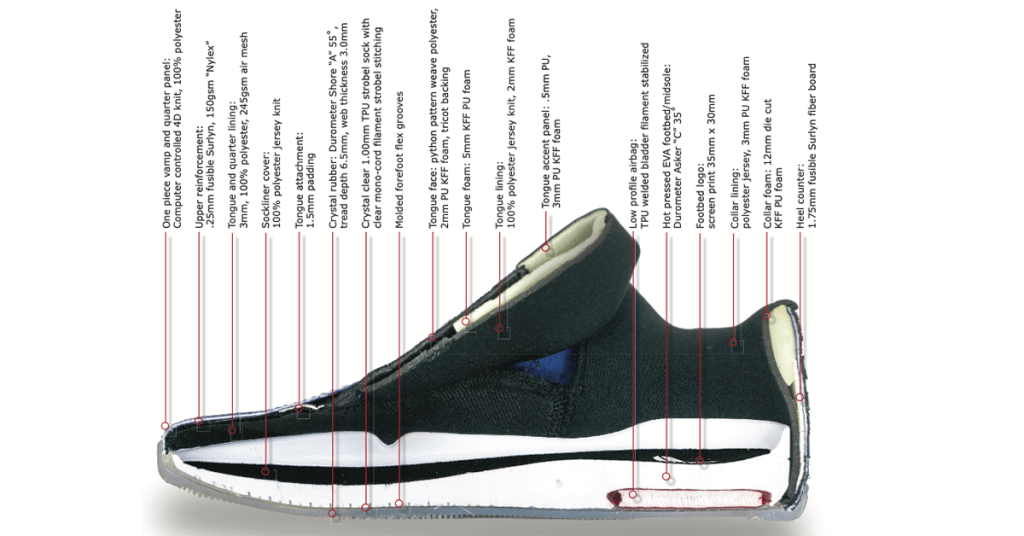
A lot of people ask about the foam specifically, because it plays such a big role in comfort. Nike foam is usually made from synthetic polymer materials, especially ethylene vinyl acetate, or EVA, and related blends. Some premium foams are engineered for better energy return and lower weight.
Here is the simple version:
• EVA foam: Light, flexible, and common
• Advanced foam blends: Tuned for bounce, softness, or stability
• Specialized performance foams: Designed to be faster and more efficient
In my own testing, foam quality is one of the biggest reasons two shoes can feel totally different even if they look similar. One may feel plush and forgiving. Another may feel firm and built for speed. That difference usually comes from the foam formula.
It is also worth noting that foam can compress over time. That means a shoe may feel great at first, then lose some bounce after heavy use. This is normal wear, not necessarily a defect.
Are Nike shoes made of leather?
Some Nike shoes are made with leather, but not all of them. Leather is more common in classic sneakers, casual shoes, and retro-inspired designs. It is less common in performance running shoes, where lighter materials are usually preferred.
Nike may use:
• Full-grain leather
• Synthetic leather
• Suede
• Nubuck in some styles
Leather can add a premium look and decent durability. But it is usually heavier and less breathable than mesh or knit. If you want a shoe for daily walking in warm weather, leather may not be the best choice.
Are Nike shoes made from recycled materials?
Yes, many Nike shoes now include recycled materials. Nike has expanded its use of recycled polyester, recycled foam, and other reused content in some models. This is part of the brand’s sustainability push.
Common recycled materials may include:
• Recycled polyester in uppers
• Recycled foam in midsoles or insoles
• Reclaimed rubber in some outsole blends
• Factory scrap reused in certain production processes
This does not mean every Nike shoe is fully recycled. It means the brand is gradually adding more recycled content where it makes sense for performance and design. If sustainability matters to you, check the product details for each model instead of assuming.
What makes Nike shoe materials different from other brands
Nike is known for balancing performance materials with mass-market appeal. That means its shoes are often designed to feel light, responsive, and polished. The company also invests heavily in foam systems, engineered uppers, and traction design.
What stands out most is the material tuning. Nike does not just pick foam or fabric at random. It adjusts the build for the purpose of the shoe, whether that is sprinting, basketball, walking, or everyday wear.
From an honest buying perspective, this is a strength and a limitation. The strength is that you can find a shoe built for a very specific use. The limitation is that some premium materials can raise the price, and some lifestyle models may prioritize style over pure function.
How to tell what your Nike shoes are made of
If you want to know the materials in your exact pair, the easiest place to check is the product label, box, or product page. Nike usually lists the upper, midsole, and outsole materials in the product description.
Look for these details:
• Upper material
• Midsole cushioning type
• Outsole rubber type
• Recycled content notes
• Care instructions
A practical tip from experience: do not judge a shoe by looks alone. Two shoes can look nearly identical but use very different materials inside. That is why reading the specs matters if comfort, durability, or sustainability is important to you.
Benefits of Nike’s material choices
Nike’s material mix offers several benefits when designed well.
Some of the biggest advantages include:
• Lightweight feel for easier movement
• Breathable uppers for better airflow
• Cushioning for shock absorption
• Durable outsoles for longer wear
• Flexible constructions for comfort
• Style variety for different needs
The biggest win is versatility. Nike makes shoes for many activities, so you can often find a build that matches your routine. Whether you need a gym shoe, a casual sneaker, or a road-running shoe, the material choices shape the experience.
Limitations to keep in mind
No material is perfect. Nike shoes can have trade-offs depending on the model.
A few common limitations are:
• Mesh can wear out faster than leather
• Soft foams can lose bounce over time
• Leather can feel warm and heavy
• Lightweight shoes may sacrifice long-term durability
• Recycled materials may vary by product and batch
This is where realistic expectations matter. A shoe built for speed may not last as long as a tougher trainer. A fashion-first model may not breathe as well as a running shoe. Matching the shoe to your use is the smart move.
FAQs about what are nike shoes made of
What materials are most Nike shoes made from?
Most Nike shoes use a mix of mesh, knit fabric, synthetic materials, foam, and rubber. Some models also include leather, suede, or recycled content depending on the design.
Are Nike shoes made of plastic?
Parts of Nike shoes can include plastic-based synthetic materials, especially in overlays, reinforcements, and certain foams. But they are not made of plastic alone, since rubber, textiles, and other materials are also used.
Are all Nike shoes vegan?
No, not all Nike shoes are vegan. Some pairs use animal-based materials like leather or suede, so you need to check the product details for each model.
What is the soft part of a Nike shoe made of?
The soft part is usually the midsole, and it is typically made of foam such as EVA, React, or ZoomX. This layer is responsible for most of the cushioning and comfort.
Do Nike shoes use recycled materials?
Yes, many Nike shoes now use recycled materials in some form. The amount varies by model, so it is best to check the product information if that matters to you.
Conclusion
Nike shoes are made from a smart mix of materials, not just one simple ingredient. The upper, midsole, and outsole each serve a different purpose, and that is what gives Nike shoes their comfort, support, and performance. Once you understand what Nike shoes are made of, it becomes much easier to choose the right pair for running, training, walking, or everyday wear.
If you are shopping for your next pair, pay close attention to the materials list and think about how you will use the shoes. That one habit can save you money and help you get a better fit. Explore a few models, compare the materials, and pick the pair that matches your life, not just your style.

Rubel Miah is the Senior Editor at MyStyleGrid.com, where he brings a sharp editorial eye and an unshakable love for fashion to everything he does. A true style addict, Rubel lives and breathes trends, from streetwear to high fashion, and has a knack for turning inspiration into impactful stories. With years of experience in fashion journalism and digital media, he curates content that empowers readers to express themselves through style. When he’s not editing features or forecasting the next big thing, you’ll find him hunting down vintage pieces or capturing street style moments around the city.