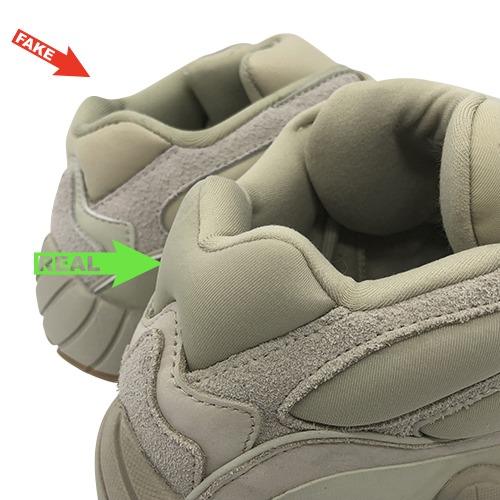
Check materials, stitching, labels, and seller history to spot a fake shoe fast.
I’ve spent years buying, inspecting, and authenticating footwear for friends and clients. This guide shows exactly how to tell if a shoe is fake, using clear checks, real-world tips, and practical examples you can use today. Read on and you’ll gain the confidence to spot fakes before you buy.
Why counterfeit shoes are everywhere
Counterfeit shoes are common because demand for popular styles beats supply. Brands create limited runs, and resellers push prices up. That gap makes room for fakes to appear online and in markets. Knowing the common fraud patterns helps you spot a fake shoe before you lose money.
How to tell if a shoe is fake: a step-by-step checklist
This section gives hands-on checks you can do in minutes. Use several checks together for the best result. If one check raises a red flag, dig deeper.
-
Inspect the box and packaging
- Look for correct logos, font, and labeling. Fake boxes often have blurry prints or wrong color shades.
- Check the SKU on the box against the brand’s site. Mismatched SKUs are a big sign a shoe may be fake.
-
Check materials and craftsmanship
- Feel the upper, midsole, and lining. Real brand materials usually feel consistent and high quality.
- Look for sloppy glue, uneven stitching, or extra glue marks. These are common with fake shoes.
-
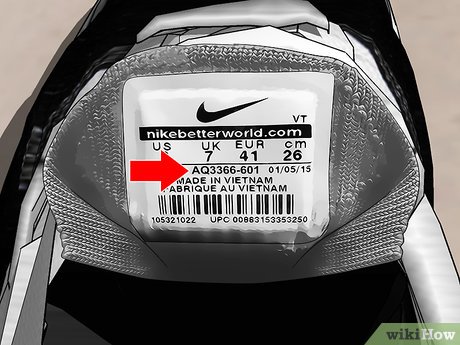
Examine labels, tags, and insole details
- Compare the label font, spacing, and content to official product images. Tiny spacing changes matter.
- Remove the insole if possible. Authentic shoes often have stamps, coding, or specific textures under the footbed.
-
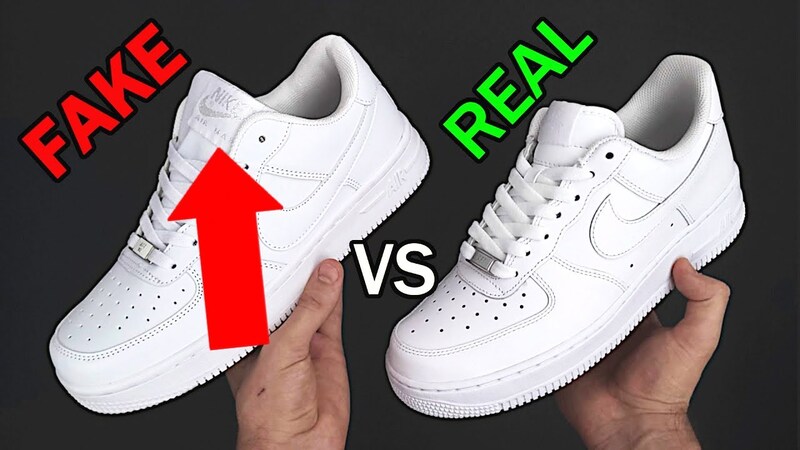
Verify logos and brand marks
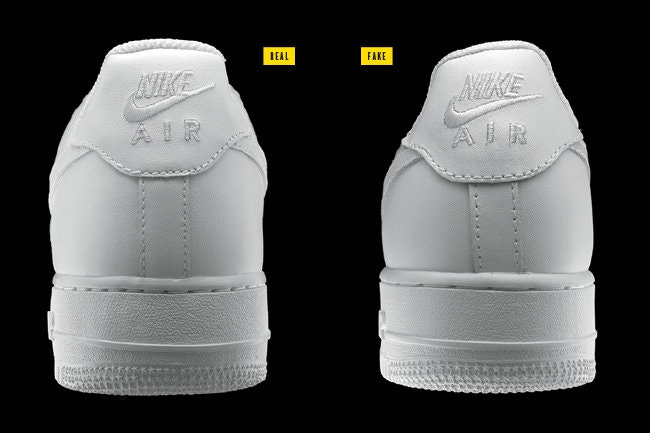
- Logos should be crisp and perfectly placed. Misaligned logos or different shapes often mean counterfeit.
- Check embossing depth and stitching around logos for consistency.
-
Compare weight, smell, and feel
- Fake shoes may feel lighter or heavier than the genuine model. Manufacturers aim for a precise balance.
- A strong chemical odor can indicate cheap materials used in counterfeits.
-
Check serial numbers, SKU, and barcodes
- Scan barcodes and search SKUs online. Valid models normally show up on the brand’s site or trusted retailers.
- Some brands use unique serial tags inside the shoe; confirm their pattern and print quality.
-
Evaluate the seller and price
- If the price is way below retail with no credible reason, treat that as a warning sign. Deep discounts often hide fakes.
- Check the seller’s reviews, return policy, and history. New accounts with many listings are riskier.
-
Inspect the listing images and descriptions
- Look for inconsistent images, stock photos from multiple sources, or missing close-ups of key details.
- Ask for serial numbers and close photos before buying. Legit sellers should provide them quickly.
-
Use multiple sources to cross-check
- Compare the shoe to photos on the brand’s website, verified retailer pages, and trusted review sites.
- Join community forums or groups dedicated to the brand to ask quick verification questions.

Short PAA-style questions
How fast can I tell if a shoe is fake?
You can spot some fakes in under five minutes by checking logos, stitching, and box SKUs. Deeper authenticity checks may take longer.
Is price alone proof a shoe is fake?
No. A low price is a red flag but not conclusive. Combine price with seller history and product details to decide.
Can I trust seller photos?
Only if they show high-resolution, consistent details and serials. Ask for more photos or a live video when unsure.

Common tell-tale signs by shoe type
Different shoes show different fake signals. Learn the specifics for sneakers, leather shoes, and athletic models.
-
Sneakers
- Midsoles often reveal fakes. Look for texture differences, missing foam patterns, or incorrect cushioning marks.
- Special tech (air bubbles, foam names) must match official specs and locations.
-
Leather and dress shoes
- Genuine leather has natural grain and edges that breathe. Fake leather often looks plastic or has uniform grain.
- Check soles and welt stitching. Poor glue and irregular stitching are common in fakes.
-
Sports and performance shoes
- Performance tech must match the brand’s description. If a listed tech is missing, the shoe might be fake.
- Examine tread patterns and traction details for accuracy.

Where to buy and how to avoid fakes
Choosing the right seller reduces risk a lot. Follow these safe buying habits.
- Buy from brand stores, official retailers, or verified brand marketplaces.
- Use payment methods with buyer protection, like credit cards or trusted escrow.
- Ask for receipts, original tags, and authentication cards when available.
- Avoid deals that require private transfers, gift cards, or unusual payment routes.
- When buying used, prefer local meetups where you can inspect the shoes in person.

Tools and resources for authentication
There are quick tools that help you confirm authenticity. Use them to back up visual checks.
- Brand authentication apps and verified reseller platforms offer expert checks.
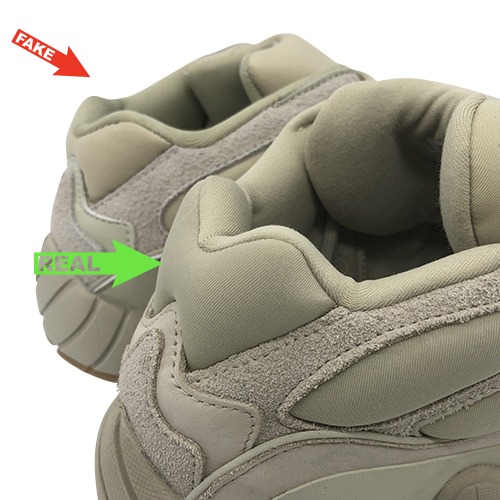
- Community forums and comparison guides show side-by-side authentic vs fake photos.
- Magnifying tools or macro phone lenses help read tiny tag fonts and material textures.
- Professional authenticators provide paid certificates; use them for high-value purchases.
Personal experience and lessons learned
I once bought a “limited” sneaker listing that looked perfect in photos. When the box arrived, the label font was slightly off and the serial didn't match. I returned it and learned to always ask sellers for a photo of the SKU on the box and the shoe’s inner tag. That simple step saves time and money. Over time I learned that a mix of close inspection and smart seller filtering prevents most fake shoe purchases.
Frequently Asked Questions of how to tell if a shoe is fake
How can I tell if a shoe is fake from photos?
Check for logo accuracy, stitching detail, and tag fonts. Ask for close-ups of the insole, box label, and inner tag to compare with official images.
Are low prices always a sign of a fake?
Low prices are a warning but not proof. Combine price checks with seller reputation, product details, and return policies before deciding.
Can app-based authenticators be trusted?
Many apps use trained experts and are reliable for common brands. For rare or very valuable shoes, combine app results with professional authentication.
What should I do if I suspect a fake after buying?
Contact the seller for proof of purchase and refund. If paid with a protected method, contact your payment provider and file a dispute quickly.
Is it worth paying for professional authentication?
Yes for high-value or collectible shoes. Professional checks reduce risk and can increase resale value by validating authenticity.
Conclusion
Spotting fake shoes is a skill you build with simple checks and good habits. Focus on materials, stitching, labels, seller credibility, and SKU verification to make confident buys. Start using the checklist in this article the next time you shop. If you want more help, leave a comment with the brand and listing details, subscribe for updates, or try a trusted authentication service to gain extra peace of mind.

Madison Clark is a footwear expert and the voice behind MyStyleGrid.com. She specializes in honest shoe reviews, style tips, and practical guides to help readers find the perfect pair for any occasion. With years of experience in blogging and content creation, Madison makes footwear knowledge simple, stylish, and easy to follow.