Yes — Birkenstock sandals often support healthy feet with firm arch support and roomy toe space.
I’ve studied foot health and worn Birkenstocks for years, so I’ll give you a clear, evidence-based take on are Birkenstock sandals good for your feet. This guide covers how their cork footbed works, who benefits most, when to avoid them, real-world tips for fit and break-in, and answers to common questions. Read on to decide if Birkenstock sandals are right for your feet and lifestyle.

How Birkenstock sandals work and why they feel different
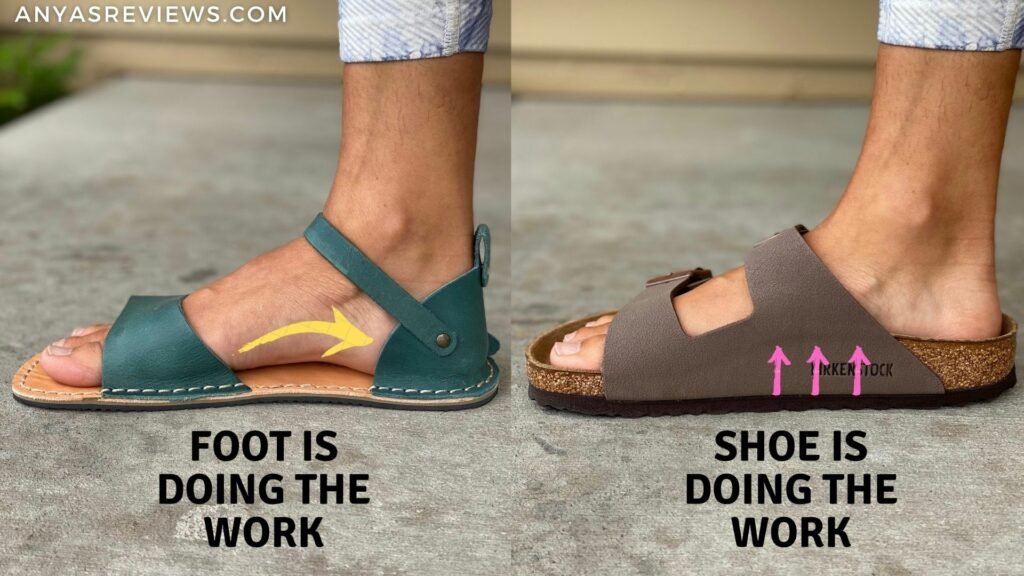
Birkenstock sandals use a contoured cork and latex footbed. The footbed molds to your foot over time. That creates a custom fit that holds the arch and heel in place.
Key footbed features:
- Deep heel cup that centers the heel.
- Firm arch support to reduce collapse.
- Raised toe bar that encourages natural toe flex.
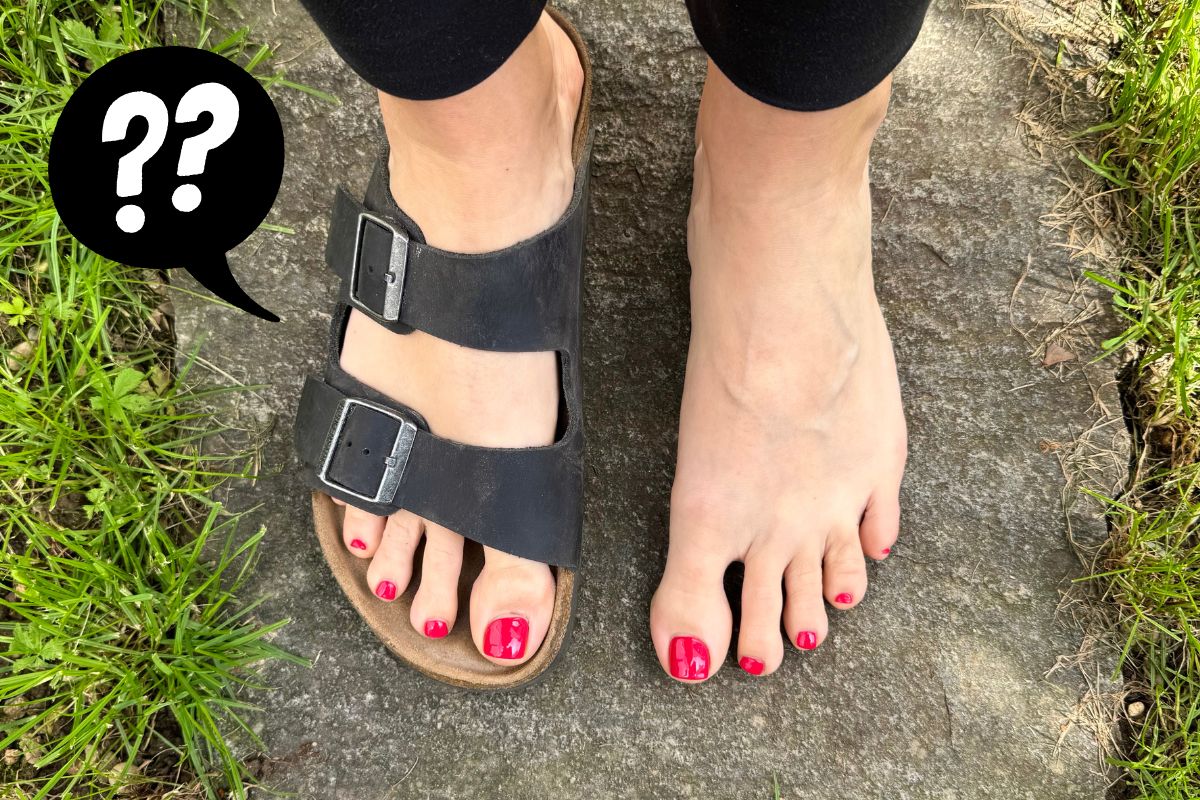
- Wide toe box that lets toes splay.
These design elements explain why people ask are birkenstock sandals good for your feet. The sandals aim to guide foot motion and reduce strain. Many foot specialists note that firm, shaped support can help alignment and comfort for daily wear.
Benefits for foot health
Birkenstock sandals can help many common foot problems. They provide stable support in a simple, low-tech way.
Top benefits:
- Reduced arch fatigue from firm arch support.
- Better balance due to the deep heel cup.
- Less forefoot pressure because of roomy toe space.
- Improved toe mechanics from the raised toe bar.
- Can be used instead of soft, unsupportive shoes that worsen pain.
Clinical and biomechanical reports show that structured, contoured footbeds can lower pain for conditions like mild plantar fasciitis and general arch soreness. This makes the question are birkenstock sandals good for your feet relevant for those seeking easy daily support.
Who benefits most from Birkenstock sandals
Not everyone gets the same outcome. Here are groups who often benefit:
- People with low to medium arches who need firm support.
- Those with general foot fatigue from standing or walking.
- Walkers who want a roomy toe box and stable heel.
- People seeking a simple, non-prescription orthotic alternative.
People with certain conditions should be cautious. Those with severe overpronation, unstable ankles, or unique structural issues may need custom orthotics or shoes with stronger motion control. If you wonder are birkenstock sandals good for your feet in your case, check with a podiatrist.
Potential drawbacks and who should avoid them
No shoe is perfect for everyone. Birkenstocks have limits you should know.
Possible downsides:
- Firm footbed can feel hard at first and needs break-in.
- Not very cushioned for high-impact sports or long runs.
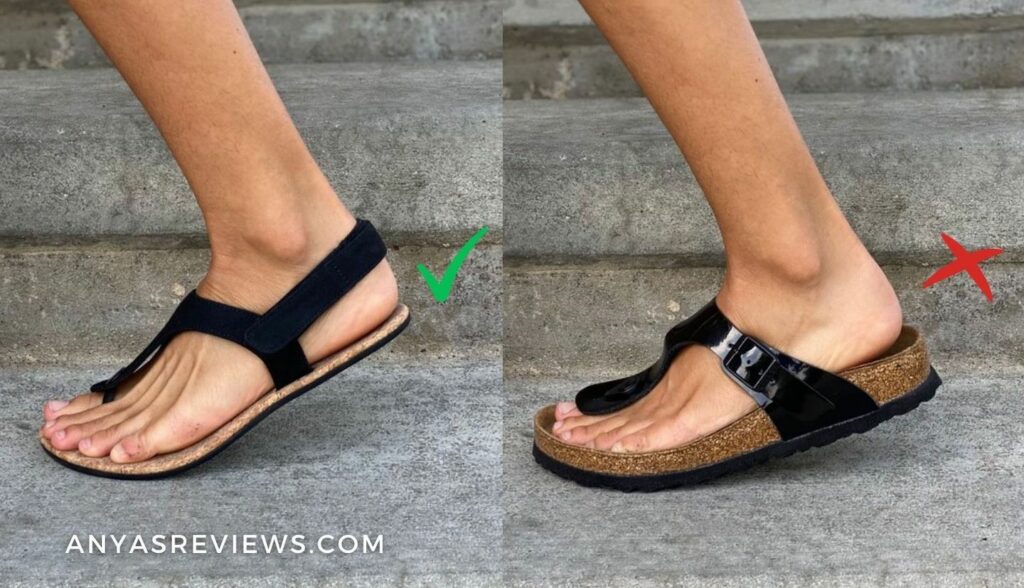
- Sandals lack ankle support for people with unstable ankles.
- Sizing and fit are crucial; wrong size can cause rubbing or poor support.
- The raised toe bar may feel odd to new wearers.
If you have diabetes with neuropathy, poor circulation, or active foot ulcers, avoid open sandals and consult a clinician before using Birkenstocks.

How to choose the right Birkenstock style and size
Choosing the right pair improves outcomes and comfort.
Steps to pick the right pair:
- Measure foot length and width while standing.
- Choose the correct footbed size and width (narrow/regular).
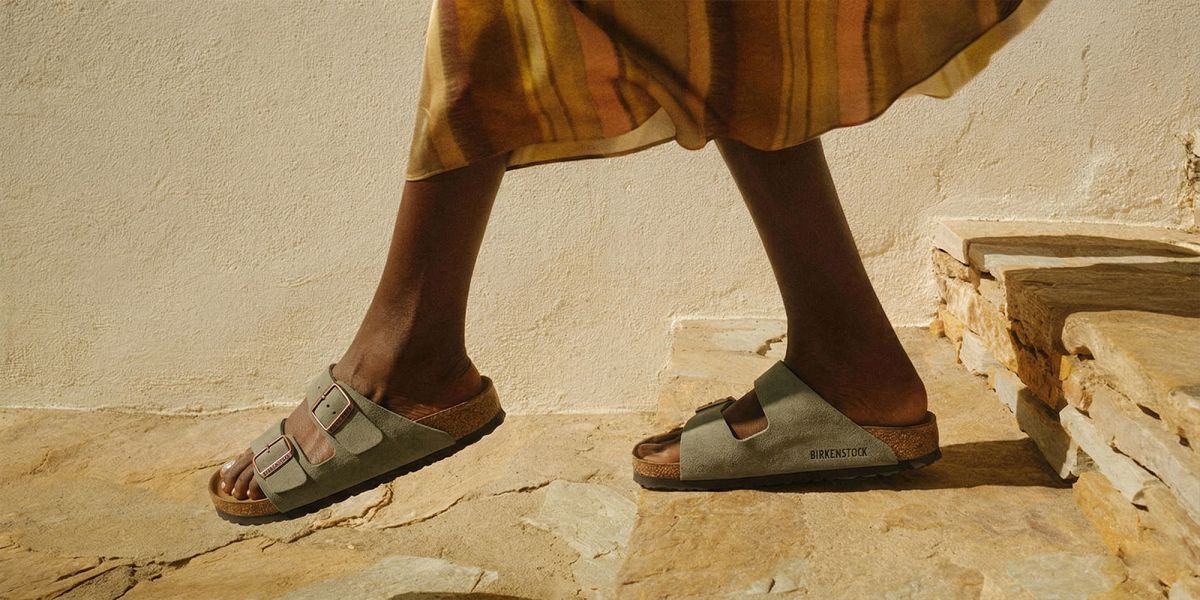
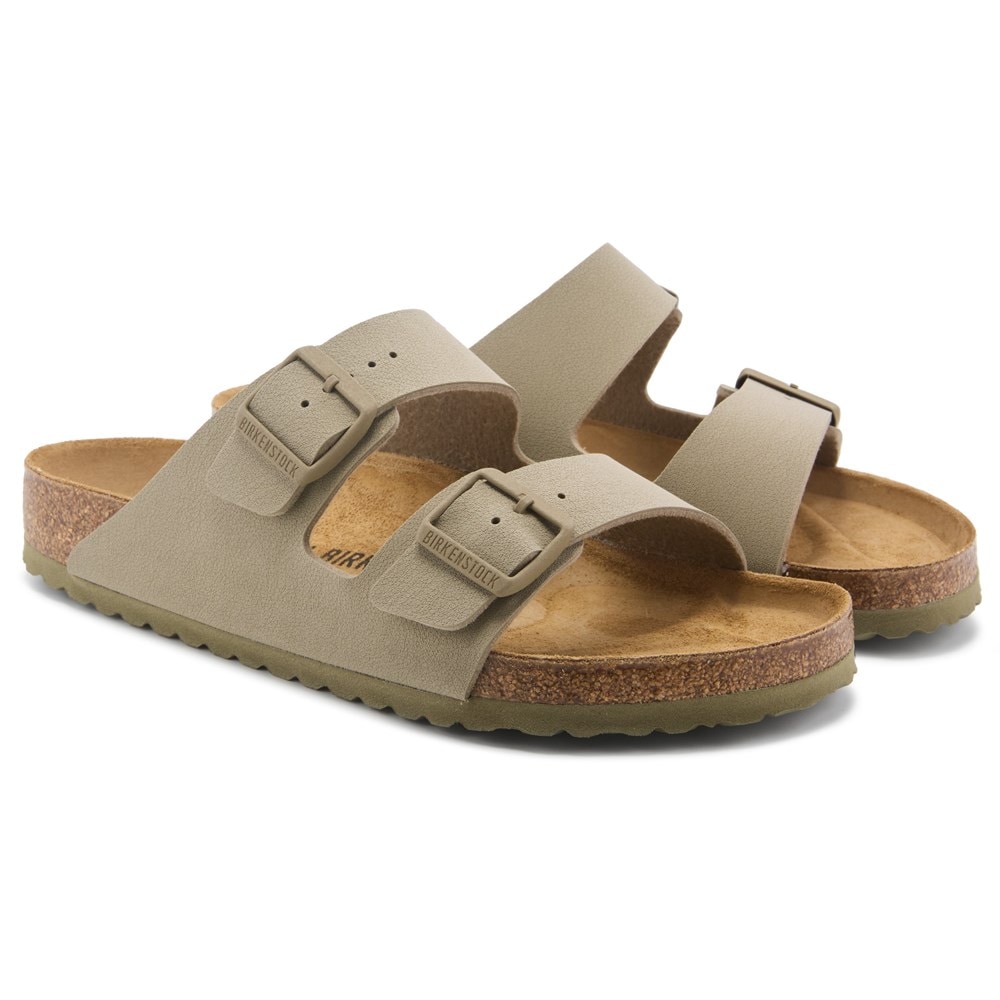
- Try models: Arizona (two straps) for adjustability, Boston (closed back) for more heel hold.
- Consider leather or suede for a softer break-in, cork for molding.
- Allow a thumb-width space at the toe.
Fit tips from personal experience:
- Buy in-store if possible to test the heel cup and toe bar.
- Expect a 2–4 week break-in for full molding.
- Rotate with another shoe while breaking them in to reduce blisters.
These steps answer practical concerns about are birkenstock sandals good for your feet by emphasizing fit and style choices.
Break-in, care, and maintenance
Caring for Birkenstocks helps them last and keeps support consistent.
Care basics:
- Avoid soaking cork; wipe with a damp cloth.
- Use a cork sealer occasionally for longevity.
- Let the footbed dry naturally if wet.
- Replace footbed or soles at a cobbler when worn.
- Use footbed cleaners designed for cork to remove grime.
Break-in tips:
- Start with short wear sessions, like 1–2 hours.
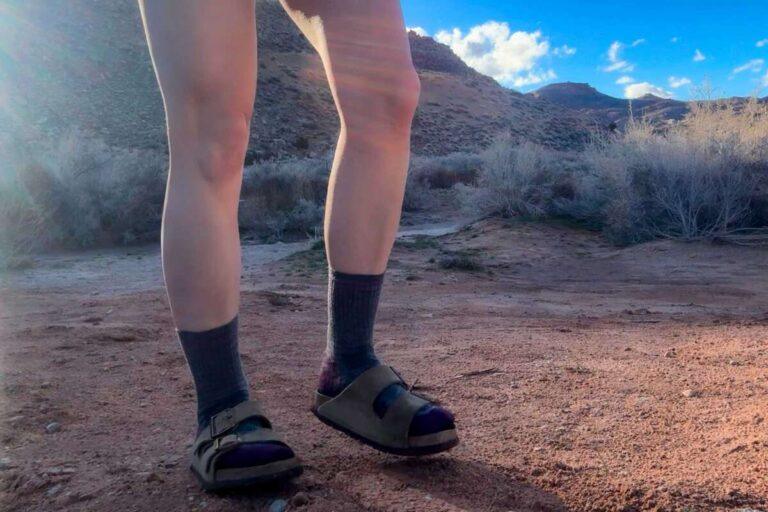
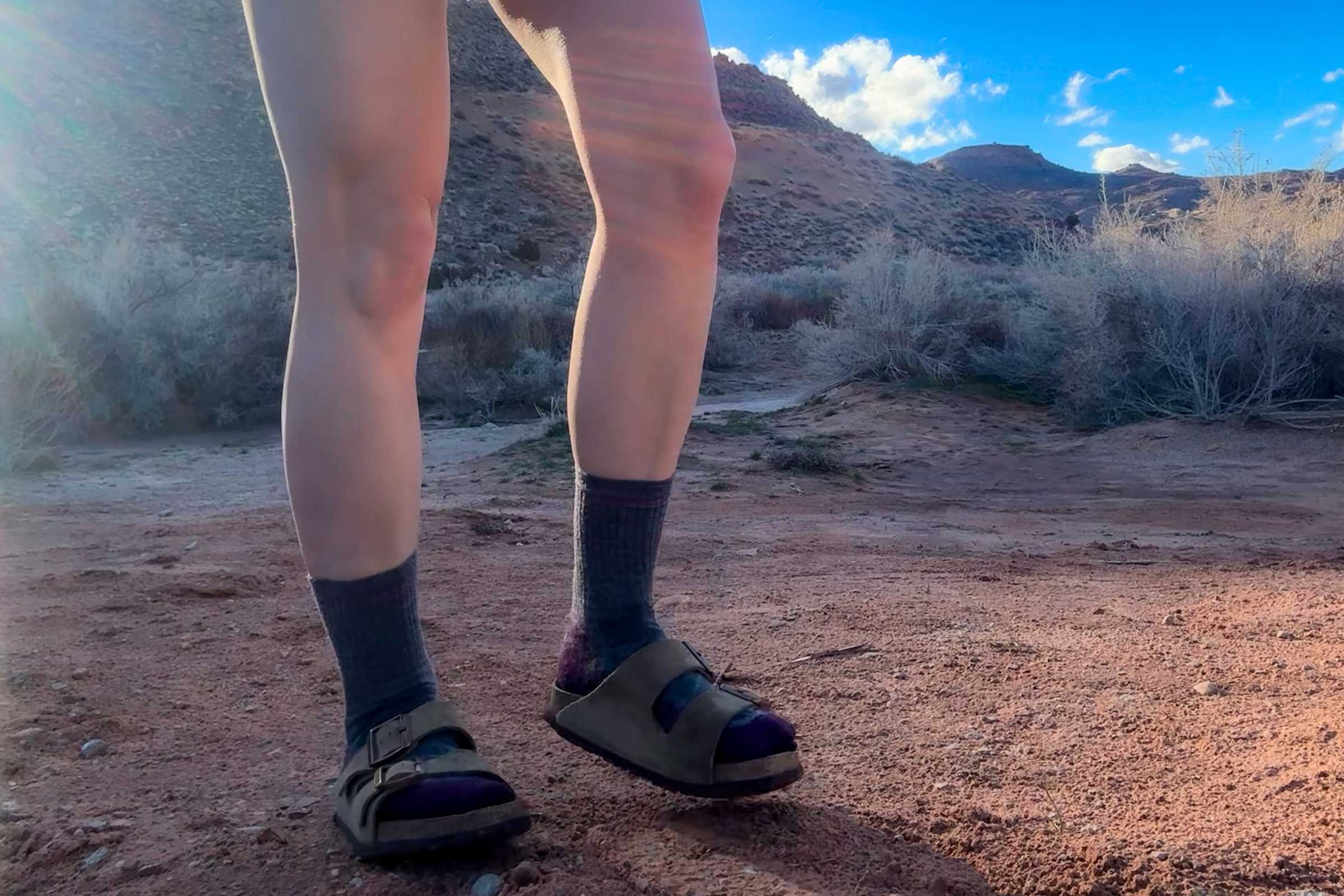
- Wear socks during early wear to reduce friction if needed.
- Gradually increase time over two weeks.
Proper care and patience make a big difference if you want to know are birkenstock sandals good for your feet long-term.
Personal experience and practical lessons
I’ve worn Birkenstocks for years. At first the footbed felt firm and odd. After a few weeks, my arches felt supported and my heel pain eased. I swap them with cushioned sneakers to avoid too much firm support all day.
Lessons learned:
- Break them in slowly to avoid blisters.
- Get the right width; too-tight straps ruin the support.
- They helped me with standing jobs but were not for long trail runs.
- For persistent pain, pair with a podiatrist’s recommendations.
These real-world notes show both benefits and limits when people ask are birkenstock sandals good for your feet.
PAA-style questions you might search
What makes Birkenstocks supportive?
Birkenstocks use a contoured cork footbed that supports the arch and centers the heel, offering firm, structured support.
Can Birkenstocks help plantar fasciitis?
They can reduce strain for mild cases by supporting the arch, but severe plantar fasciitis may need targeted therapy or custom orthotics.
How long do Birkenstocks take to mold?
The footbed begins to mold in a few weeks with regular wear and continues to adapt over months.
Frequently Asked Questions of are birkenstock sandals good for your feet
Are Birkenstock sandals good for people with flat feet?
Birkenstock sandals can help flat feet by offering firm arch support that reduces arch collapse. Severe flat feet may still benefit from custom orthotics.
Can I wear Birkenstocks every day?
You can wear them daily, but rotate with another shoe to vary support and cushioning. Long days on hard surfaces may require extra cushioning.
Do Birkenstocks worsen heel pain?
Most users report reduced heel pain thanks to the deep heel cup, but an ill fit or abrupt use can irritate heels initially. If pain persists, consult a specialist.
Are Birkenstocks suitable for walking long distances?
They are fine for casual walking and light hikes, but they lack the cushioning and ankle support of hiking shoes for long or rugged trails.
How should Birkenstocks fit to protect my feet?
They should feel snug in the heel, allow toe splay, and let the toe bar sit under your toes. Correct size and width are essential for support.
Conclusion
Birkenstock sandals are a solid, low-tech option for many people seeking structured, everyday foot support. They work best when sized correctly and broken in slowly. If you have mild to moderate arch or heel issues, they can reduce pain and fatigue. If you have complex or severe foot problems, combine them with professional advice.
Takeaway: Try a well-fitted pair, give them time, and watch how your feet respond. Ready to decide? Try them in-store, test for fit, and leave a comment about your experience or questions — I’ll help you sort it out.

Madison Clark is a footwear expert and the voice behind MyStyleGrid.com. She specializes in honest shoe reviews, style tips, and practical guides to help readers find the perfect pair for any occasion. With years of experience in blogging and content creation, Madison makes footwear knowledge simple, stylish, and easy to follow.