Shoe soles are usually made from rubber, foam, leather, plastic, or synthetic blends.
If you have ever wondered what are shoe soles made of, the answer is bigger than it looks. A sole is not just the bottom of a shoe. It is the part that affects grip, comfort, durability, shock absorption, and even how tired your feet feel at the end of the day. I have seen how the wrong sole can make a great shoe feel cheap, while the right one can make an ordinary pair feel like a smart buy.
What Shoe Soles Are and Why They Matter
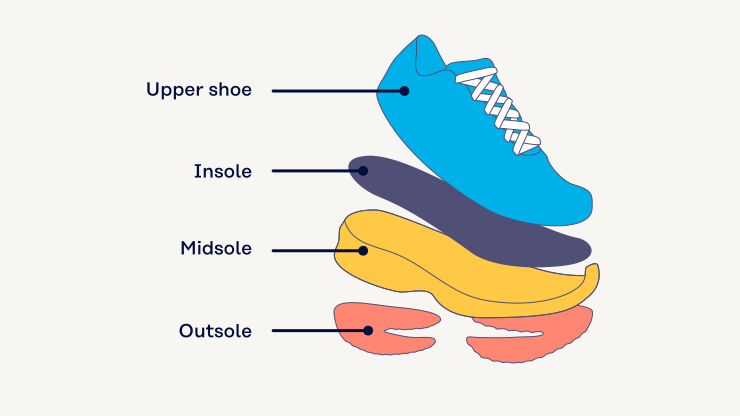
A shoe sole is the part that sits under your foot and touches the ground. In many shoes, it is actually made of more than one layer. The outer sole gives traction, while the midsole helps cushion impact.
When people ask what are shoe soles made of, they are often really asking what makes one shoe last longer, feel softer, or grip better. That depends on the material, the design, and how the shoe will be used. A running shoe, for example, needs different sole materials than a work boot or dress shoe.

What Are Shoe Soles Made Of?
Shoe soles are made from a mix of natural and synthetic materials. The most common ones are rubber, EVA foam, polyurethane, leather, TPU, and PVC. Some shoes also use cork, crepe, or blended compounds for specific performance needs.
Here is the simple truth: there is no single best sole material for every shoe. Each one has tradeoffs. Some are soft and light, while others are tough and long lasting.
Rubber
Rubber is one of the most common answers to what are shoe soles made of. It gives strong traction, resists wear, and works well in wet or slippery conditions.
There are two main types:
• Natural rubber, which is flexible and grippy
• Synthetic rubber, which can be engineered for better durability or cost control
In my experience, rubber soles are usually the safest choice for everyday use. They are especially good for sneakers, boots, and shoes that need solid grip.
EVA Foam
EVA stands for ethylene vinyl acetate. It is a lightweight foam used mostly in midsoles, but it also appears in full soles in some casual shoes.
EVA is soft, cushioned, and very light. The downside is that it can compress over time, which means it may lose bounce faster than tougher materials. If you have ever worn a shoe that felt amazing at first but flattened out after months of use, EVA was probably part of the story.
Polyurethane
Polyurethane, or PU, is another common sole material. It is denser than EVA and usually more durable. It also provides good cushioning and support.
PU soles are often found in work shoes, safety shoes, and some premium casual shoes. They tend to age better than soft foam, but they can feel heavier. If you want a shoe built for long wear, PU is a material worth paying attention to.
Leather
Leather soles are classic and often used in dress shoes. They look refined and feel elegant, but they are not the best for wet ground or rough use.
Leather soles are breathable and mold to the foot over time. That said, they need more care and can wear down faster than rubber. I have seen people choose leather soles for style first and comfort second, and that works fine if the shoe is for office or formal wear.
TPU
TPU means thermoplastic polyurethane. It is a tough synthetic material that resists abrasion and provides structure.
TPU is often used in high-performance or technical shoes. It can add stability, support, and wear resistance. It is not as soft as EVA, but it shines when a shoe needs strength and control.
PVC
PVC, or polyvinyl chloride, is a low-cost synthetic material used in some budget shoes. It is water resistant and easy to mold, which makes it popular in affordable footwear.
The downside is that PVC is usually less flexible and less comfortable than better sole materials. It can also feel stiff in cold weather. If you are shopping for everyday comfort, PVC is usually not my first pick.
Crepe
Crepe soles are made from textured natural rubber. They have a soft, slightly sticky feel and are often used in casual boots and heritage-style shoes.
They give a relaxed look and decent comfort. The tradeoff is that they can pick up dirt easily and may not offer the strongest long-term durability.
Cork and Other Natural Materials
Some soles use cork, especially in sandals and comfort shoes. Cork is lightweight, breathable, and molds well to the foot.
It is not used as often as rubber or foam, but it can be a smart choice for comfort-focused footwear. Other natural or blended materials may be added for softness, flexibility, or sustainability.
How Sole Materials Are Chosen
Brands do not pick sole materials at random. They balance comfort, cost, weight, durability, and the shoe’s purpose.
A running shoe needs cushioning and flexibility. A hiking boot needs grip and toughness. A dress shoe needs a clean look and a slim profile. That is why what are shoe soles made of changes so much from one shoe to another.
Here are the main factors designers consider:
• Traction: How well the sole grips different surfaces
• Cushioning: How much shock it absorbs
• Weight: How heavy the shoe feels on foot
• Durability: How long it resists wear
• Flexibility: How easily it bends with movement
• Water resistance: How well it handles rain, snow, or moisture
• Cost: How affordable it is to manufacture and buy
From a practical point of view, the best sole is the one that matches your daily life. A sole that feels perfect in a store may not be the right one for your commute, your job, or your climate.
The Main Parts of a Shoe Sole
When people ask what are shoe soles made of, it helps to know that the sole may have more than one layer.
Outsole
The outsole is the bottom layer that touches the ground. It is usually made from rubber, TPU, or another durable material.
This is the part that handles grip and wear. Tread patterns on the outsole help with traction and stability.
Midsole
The midsole sits between the outsole and the insole. It is usually made from EVA, PU, or foam blends.
This layer does most of the cushioning work. It helps absorb shock and makes walking or running feel easier on the joints.
Insole or Sockliner
The insole is the removable or built-in layer under your foot. It is often foam, gel, cork, or fabric-covered material.
It adds comfort and can also help with moisture control. Some people replace this layer for better arch support or fit.
What Sole Material Is Best for Different Shoes?
The best material depends on how you use the shoe. Different tasks call for different strengths.
• Running shoes often use EVA or foam blends for light cushioning
• Walking shoes often use rubber and soft foam for balance and comfort
• Work boots often use PU, rubber, or TPU for safety and durability
• Dress shoes often use leather or leather with rubber inserts
• Hiking shoes often use rubber with deep tread for grip
• Sandals often use cork, EVA, or rubber for light comfort
I have learned that people often buy shoes based on looks, then complain about pain later. The smarter move is to match the sole material to the job first, then choose the style.
Benefits and Limitations of Common Sole Materials
Each material has strengths and weak points. That is normal.
Rubber Benefits
• Strong grip
• Good durability
• Works well on many surfaces
Rubber Limitations
• Can be heavier than foam
• May feel less soft than cushioned materials
EVA Benefits
• Very light
• Soft and cushioned
• Good for casual comfort and sports shoes
EVA Limitations
• Can compress over time
• Not always the most durable choice
PU Benefits
• Strong durability
• Good support
• Often better for long wear
PU Limitations
• Can feel heavier
• May not feel as soft as EVA at first
Leather Benefits
• Classic look
• Breathable
• Molds to the foot
Leather Limitations
• Less water resistant
• Needs more maintenance
• Wears faster in harsh use
How to Tell What Your Shoe Sole Is Made Of
You do not need lab equipment to figure this out. A few simple checks can help.
• Read the label or product description
• Feel the weight of the shoe
• Press the sole to test softness and bounce
• Look at the tread and finish
• Check if the sole is marked with terms like rubber, EVA, PU, TPU, or PVC
A small tip from real-world experience: if the sole feels very light and squishy, it may be EVA or a foam blend. If it feels firmer and more rugged, rubber or PU is more likely.
Sustainability and Eco Friendly Sole Materials
More brands are asking what are shoe soles made of in a greener way. That has led to more recycled rubber, bio-based foams, and natural materials.
Some newer soles use recycled content from old shoes, tires, or manufacturing waste. Others use plant-based inputs to reduce fossil fuel use. These options are promising, but performance can vary, so it is smart to check both durability and environmental claims.
The key lesson here is simple: eco-friendly does not automatically mean better for every use. A sustainable sole still needs to hold up to your daily life.
Frequently Asked Questions
What is the most common material used in shoe soles?
Rubber is one of the most common materials used in shoe soles because it gives strong grip and good wear resistance. EVA foam is also very common, especially in cushioned midsoles and lightweight shoes.
Are rubber soles better than foam soles?
Rubber soles are usually better for traction and durability, while foam soles are better for lightness and soft cushioning. The better choice depends on whether you want grip or comfort more.
What are expensive shoe soles made of?
Higher-end shoe soles are often made of premium rubber, advanced PU, TPU, leather, or engineered foam blends. These materials are chosen for better performance, longer life, and a more refined feel.
Do shoe soles wear out fast?
Yes, all shoe soles wear out eventually. The speed depends on the material, how often you wear the shoes, and the surfaces you walk on.
Can shoe soles be replaced?
In many cases, yes. Some shoes, especially dress shoes and boots, can be resoled by a cobbler if the upper part is still in good shape.
What sole material is best for walking all day?
For all-day walking, rubber with cushioned EVA or PU usually works well. It gives a good mix of support, shock absorption, and durability.
Conclusion
Now you know what are shoe soles made of and why the material matters so much. From rubber and EVA to PU, leather, TPU, and PVC, each option has its own strengths, limits, and best use cases.
If you are buying shoes, do not stop at style alone. Check the sole material, think about your daily needs, and choose the one that fits your life best. That small decision can make a big difference in comfort, safety, and how long your shoes last. If this guide helped you, explore more footwear tips, share it with someone who is shopping for shoes, or leave a comment with the sole material you prefer most.

Rubel Miah is the Senior Editor at MyStyleGrid.com, where he brings a sharp editorial eye and an unshakable love for fashion to everything he does. A true style addict, Rubel lives and breathes trends, from streetwear to high fashion, and has a knack for turning inspiration into impactful stories. With years of experience in fashion journalism and digital media, he curates content that empowers readers to express themselves through style. When he’s not editing features or forecasting the next big thing, you’ll find him hunting down vintage pieces or capturing street style moments around the city.