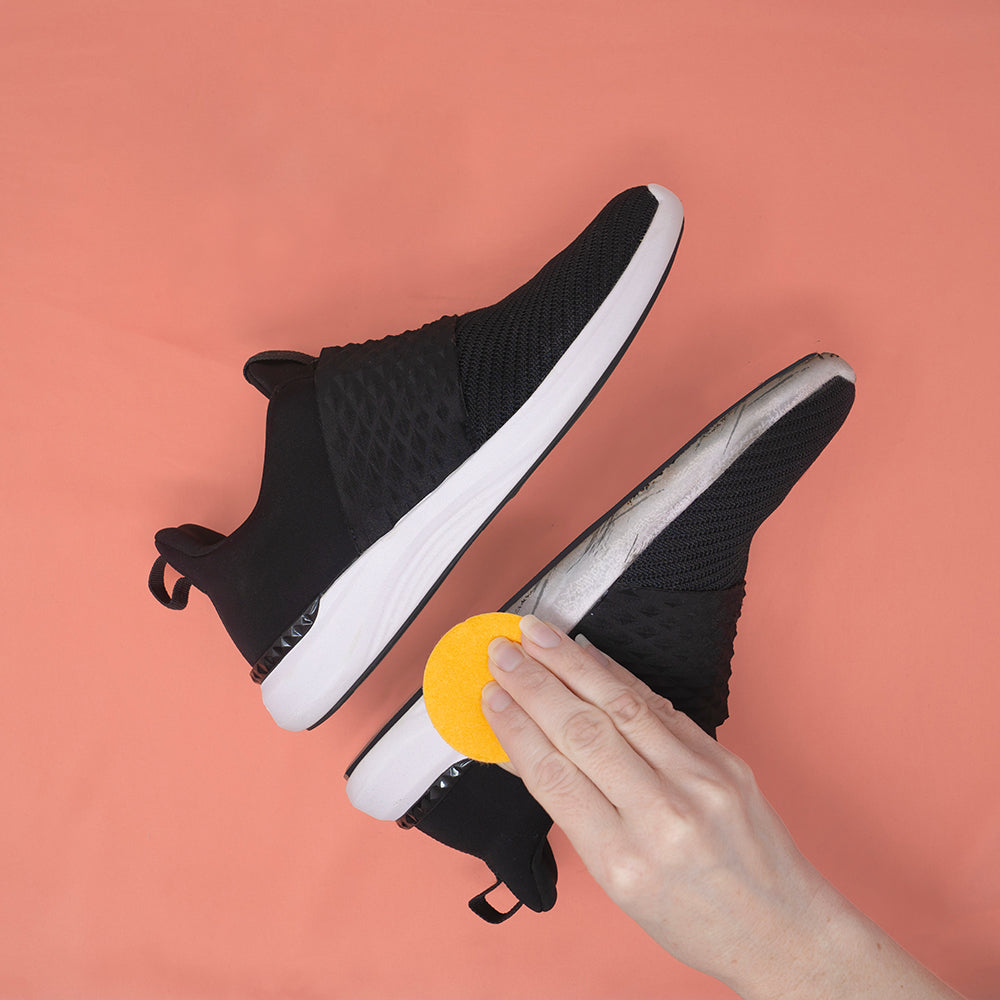
Scrub rubber with mild cleaner, a soft brush, and a magic eraser for bright, white soles.
I’ve cleaned hundreds of sneakers and casual shoes for friends, clients, and my own wardrobe. This guide shows exactly how to clean the soles of white shoes step by step, with safe methods, tools, and troubleshooting tips that work on rubber midsoles, outsoles, and painted trim. Read on for tested techniques, mistakes to avoid, and easy maintenance routines you can use today.
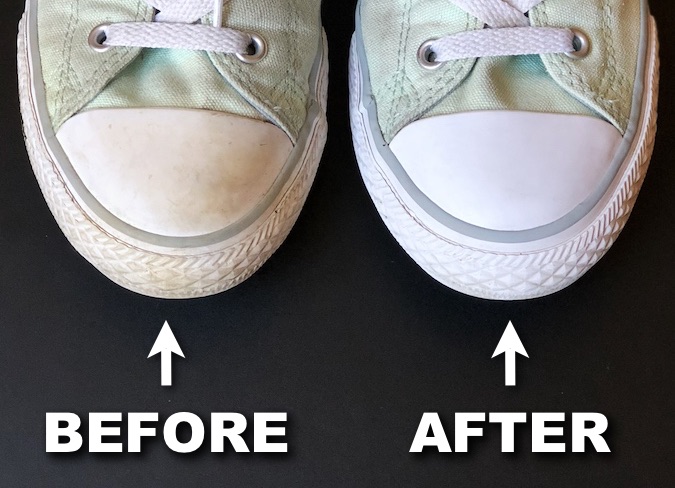
Why white soles get dirty
White soles show dirt fast because they contrast with grime. Road dust, oils, scuffs, and dye transfer from jeans all stick to rubber and textured soles. Understanding the cause helps you pick the best method for how to clean the soles of white shoes.
Common dirt types
- Surface dust and mud that brush off easily.
- Oil and grease that soak in and darken rubber.
- Dye transfer from clothing that leaves gray or blue streaks.
- Scuffs and abrasions that mark the finish and trap dirt.
Knowing the type of stain tells you whether to scrub, whiten, or treat gently.
Tools and supplies you’ll need
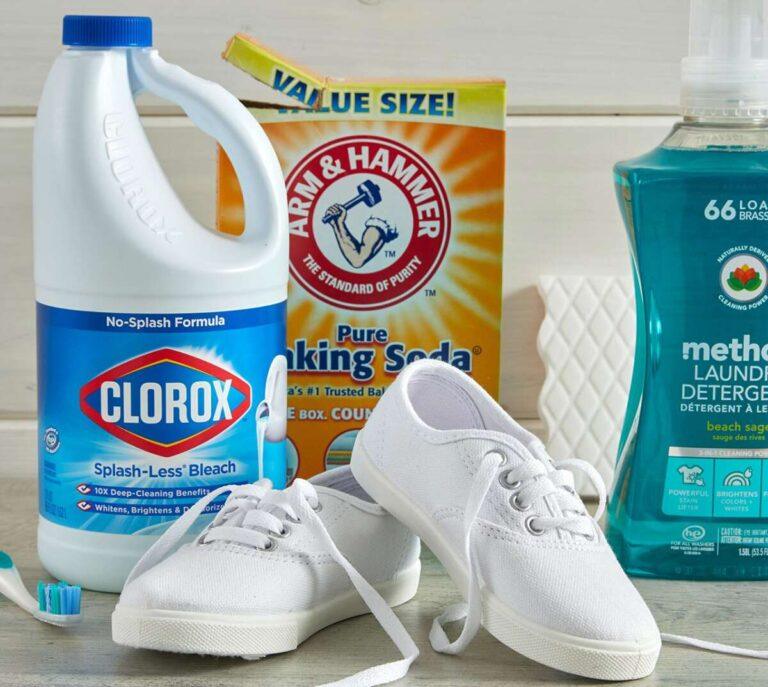
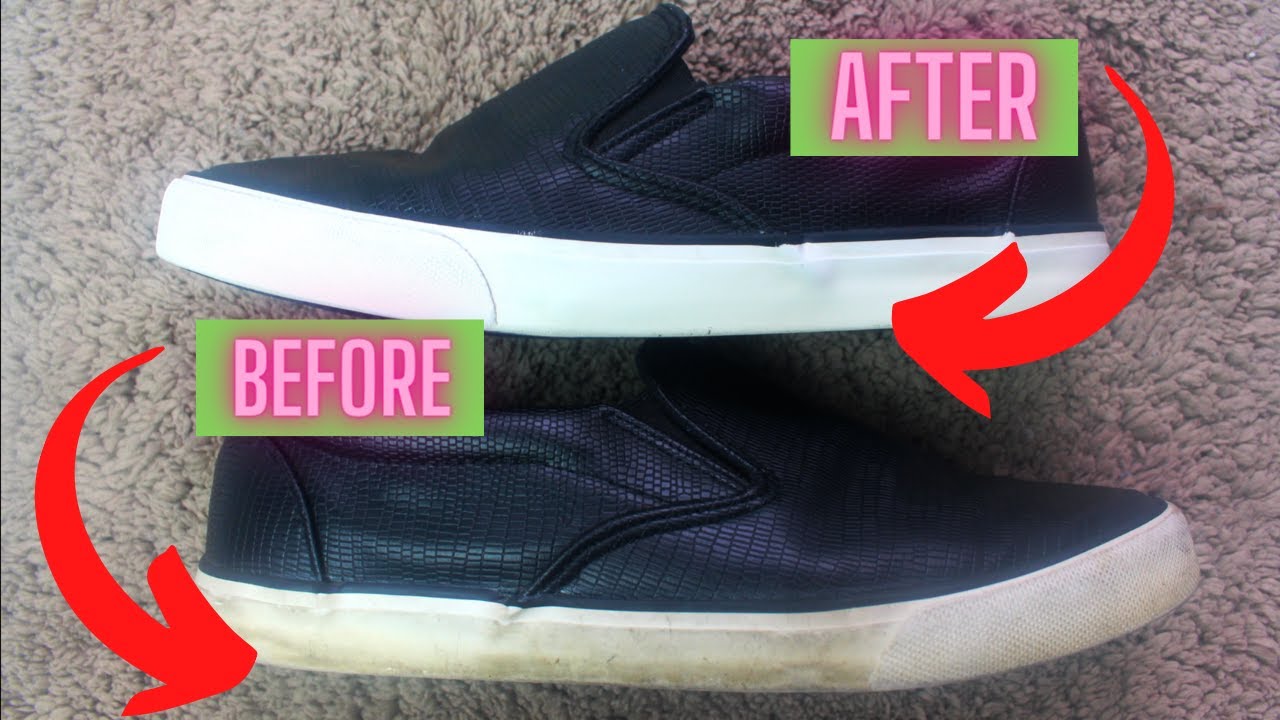
Use gentle, effective tools. Harsh chemicals can yellow or damage rubber. Here is a reliable kit for how to clean the soles of white shoes.
Essential items
- Soft-bristled toothbrush or sneaker brush for grooves.
- Microfiber cloths for wiping and drying.
- Mild dish soap or gentle laundry detergent.
- Magic eraser for scuffs and surface marks.
- Baking soda and white vinegar for a DIY whitening paste.
- Hydrogen peroxide for stubborn stains (use sparingly).
- Soft sponge and bowl of warm water.
- Optional: shoe cleaner made for rubber and a small pumice stone for heavy grime.
I always keep a travel kit with a brush, cloth, and magic eraser. It saves shoes from permanent staining when dirt is fresh.
Step-by-step cleaning methods
Below are clear, short methods for different dirt types. Pick the one that matches your problem and follow the steps.
General quick clean (best for light dirt)
- Remove laces and wipe loose dirt with a dry cloth.
- Mix a few drops of dish soap with warm water.
- Dip the brush, scrub the sole in circular motions.
- Wipe with a damp cloth and dry with a towel.
Magic eraser for scuffs and marker-like stains
- Wet the magic eraser and squeeze out excess water.
- Gently rub the scuff until it fades.
- Rinse and dry.
Baking soda and vinegar whitening paste for yellowed or stained rubber
- Mix 1 tablespoon baking soda, 1 tablespoon white vinegar, and 1 teaspoon water to form a paste.
- Apply to sole, scrub with a toothbrush, let sit 10 minutes.
- Rinse thoroughly and dry.
Hydrogen peroxide booster for deep stains
- Mix 1 part hydrogen peroxide with 2 parts baking soda to form a paste.
- Apply only to rubber areas, not fabric.
- Let sit 5–15 minutes, scrub gently, rinse well.
Machine-wash caution
- You can machine wash some canvas shoes, but remove insoles and laces first. Use a gentle cycle and a mesh bag.
- Do not machine wash most shoes with painted or delicate rubber trims.
- Machine washing is rarely the best way for how to clean the soles of white shoes that have deep rubber stains.
Quick answers to common method questions
Will baking soda damage rubber? No, used as a paste and rinsed, baking soda is safe for most rubber soles.
Can I use bleach? Avoid straight bleach on rubber; it can yellow and weaken some materials.
Is the magic eraser abrasive? It is mildly abrasive; use gentle pressure to avoid scuffing.
I recommend testing any method on a small hidden spot first.

Deep cleaning and whitening techniques
When light cleaning fails, use stronger but safe approaches. These methods are for persistent yellowing or heavy dye transfer.
Sun and peroxide method
- Apply a thin layer of a baking soda and hydrogen peroxide paste.
- Place shoes in direct sunlight for 30–60 minutes.
- Sunlight activates peroxide and can help lift stains.
- Rinse and dry.
Oxygen bleach soak (for canvas with rubber trim)
- Mix oxygen-based powder with warm water according to package directions.
- Soak soles only for 10–20 minutes.
- Scrub, rinse, and air dry.
Sanding and pumice (for textured, heavily stained outsoles)
- Very gently rub a pumice stone over deep stains.
- Clean residue and finish with soap and water.
- Do not use on glossy or painted soles.
Limitations and safety
- Avoid repeated peroxide or abrasive treatments; they can weaken glue and finishes.
- Do not use chlorine bleach on colored trims or leather parts.
- Always dry thoroughly to prevent glue failure.
These steps reflect years of trial and error cleaning sneakers I use daily.

Maintenance and prevention tips
Cleaning regularly keeps soles bright and reduces the need for deep fixes. Small habits pay off.
Simple habits
- Wipe soles after each wear. It takes 20 seconds.
- Apply a protective spray on fabric uppers to prevent dye transfer.
- Rotate shoes to avoid constant wear on one pair.
- Store shoes in a cool, dry place away from direct sunlight.
Quick on-the-go fixes
- Keep a magic eraser in your bag for instant scuff removal.
- Use sanitizing wipes for quick spill cleanup.
- For fresh mud, let it dry, then knock off chunks before wiping.
Preventive care reduces how often you need to learn how to clean the soles of white shoes deeply.
:strip_icc()/cleaning-products-white-shoes-31161151-c04faf79ee6c4bc3bd0b09fd880870e0.jpg)
Troubleshooting common problems
If a method doesn’t work, try a targeted approach. Here are common issues and fixes.
Yellowing after cleaning
- Cause: oxidation or residue from harsh cleaners.
- Fix: Try a mild peroxide paste and sunlight, then rinse well.
Sticky or gummy residue
- Cause: melted salts, sugar, or degraded adhesives.
- Fix: Clean with warm soapy water and a soft brush. If residue persists, a tiny amount of rubbing alcohol on a cloth may help.
Painted trim peeling
- Cause: aggressive scrubbing or harsh chemicals.
- Fix: Stop scrubbing and consider professional repair for aesthetic touch-ups.
Sole separation or glue failure
- Cause: prolonged soaking or heat.
- Fix: Repair with shoe glue designed for footwear and clamp while curing.
Small mistakes I made early on included overusing bleach and scrubbing too hard with metal tools. Those errors cost me a few shoes. Learn from those missteps and be gentle.

Frequently Asked Questions of how to clean the soles of white shoes
How often should I clean the soles of white shoes?
Clean soles after every few wears for light dirt, or immediately after heavy staining. Regular quick cleaning prevents deep staining and makes maintenance easier.
Can I use bleach to whiten white soles?
Avoid straight chlorine bleach on rubber; it can yellow or damage the material. Use oxygen-based cleaners or a baking soda and peroxide paste instead.
Will a magic eraser ruin my shoes?
A magic eraser is mildly abrasive but effective for scuffs. Use gentle pressure and test on a small area first to avoid dulling glossy finishes.
Is it safe to put shoes in the washing machine?
Some canvas shoes can be machine washed on a gentle cycle with a mesh bag. Do not machine wash leather, glued trims, or shoes with delicate rubber paint.
How do I remove dye transfer from jeans on my white soles?
Use a paste of baking soda and dish soap, scrub gently, and rinse. For stubborn transfer, a small amount of rubbing alcohol on a cloth can lift color spots without damaging rubber.
Conclusion
Keeping white soles bright is mostly about timing, the right tools, and gentle techniques. Use soft brushes, mild cleaners, and spot treatments like magic erasers or baking soda mixes to tackle most stains. Test methods on a small area, avoid harsh bleach, and make quick wipes part of your routine to prevent heavy buildup. Try one method today and stick to a simple upkeep plan to keep your shoes looking fresh.
Take action: pick one cleaning method from this guide and try it on a single pair this week. Share your results, subscribe for more care tips, or leave a comment with what worked for you.

Madison Clark is a footwear expert and the voice behind MyStyleGrid.com. She specializes in honest shoe reviews, style tips, and practical guides to help readers find the perfect pair for any occasion. With years of experience in blogging and content creation, Madison makes footwear knowledge simple, stylish, and easy to follow.