Buy men’s boots by matching the boot’s purpose, fit, material, and sole to your daily needs.
Learning how to buy mens boots is easier when you treat the process like choosing a reliable tool. The right pair should fit well, suit your lifestyle, handle your local weather, and match the clothes you already wear. This guide explains the details that matter, from boot types and leather quality to sizing, comfort, care, and value.
Start With the Boot’s Main Purpose
The best way to learn how to buy mens boots is to decide where and when you will wear them. A boot made for office clothes may not work for hiking, while a rugged work boot can look too heavy with a suit.
Think about your daily routine before you look at brands or colors. Your answer will narrow the choices and help you avoid buying a stylish pair that sits unused in your closet.
Common boot uses include:
• Everyday casual wear with jeans, chinos, or cords
• Office wear with dress pants
• Work sites that require protection and grip
• Hiking, camping, and outdoor travel
• Cold, wet, or snowy weather
• Motorcycling or other special activities
• Formal events where a refined shape matters
For daily city wear, leather lace-up boots, Chelsea boots, chukka boots, and service boots are useful choices. For demanding work, look for safety features such as a protective toe, slip-resistant outsole, electrical hazard protection, and a construction approved for your job.
Never assume that one boot can handle every task. A smooth leather Chelsea boot may look polished, but it is not a replacement for a waterproof hiking boot. Purpose comes first because comfort, safety, and durability depend on it.
Know the Main Types of Men’s Boots
Boot design affects fit, comfort, style, and function. Understanding the basic types makes how to buy mens boots much less confusing.
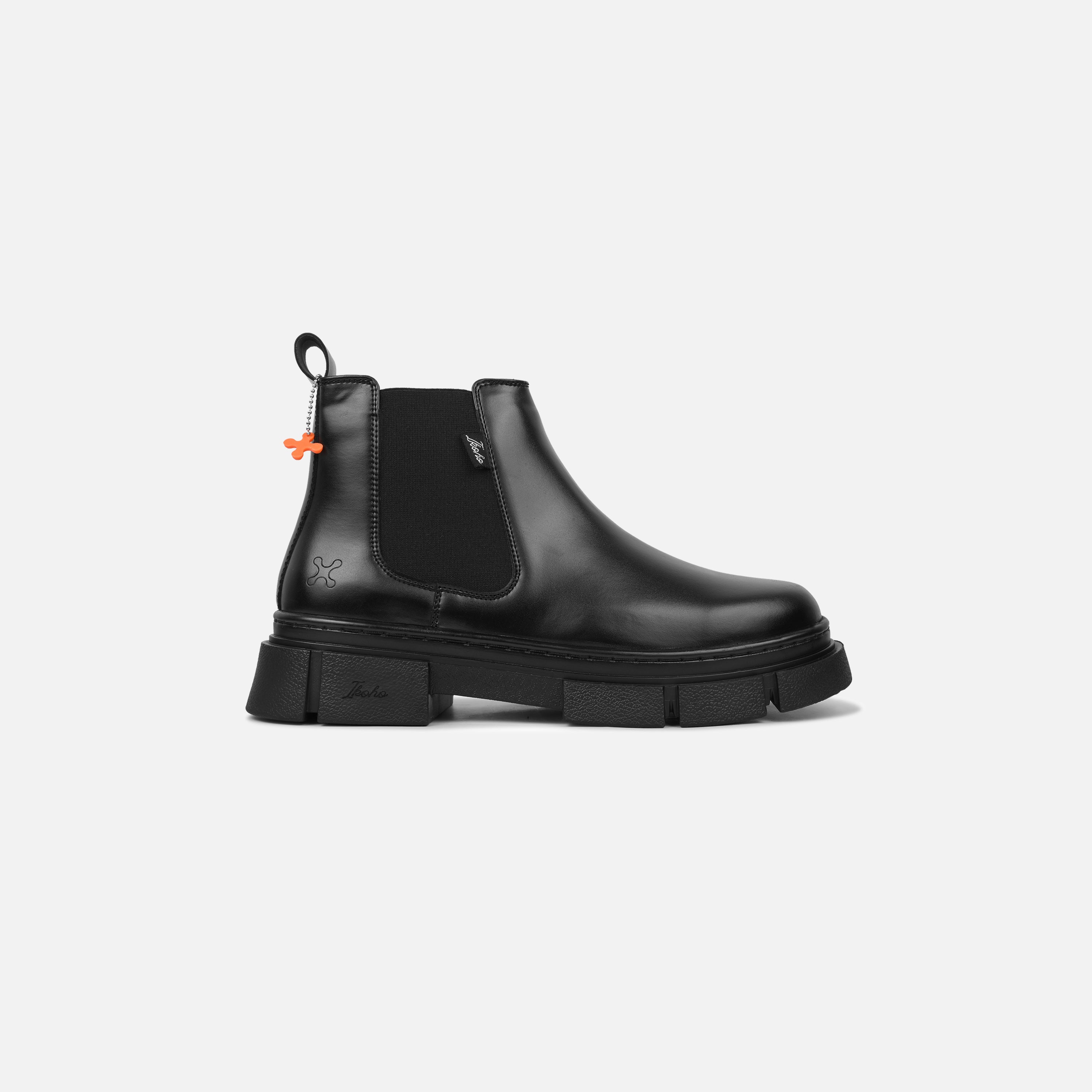
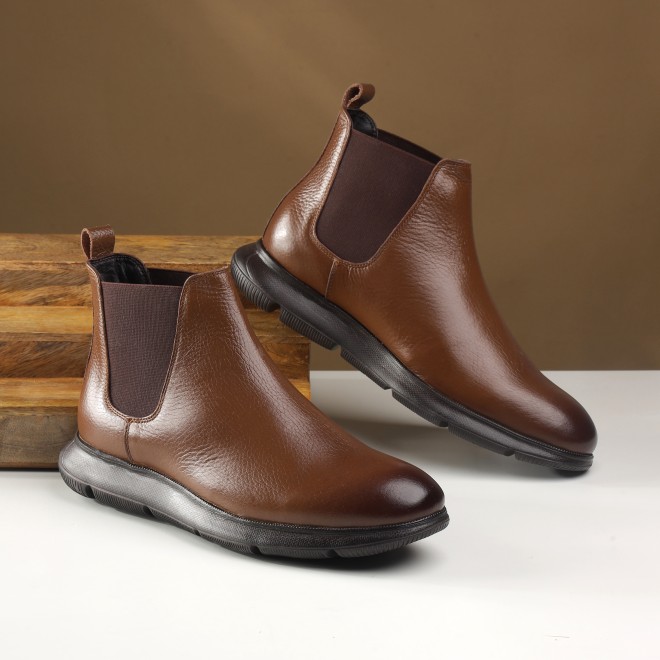
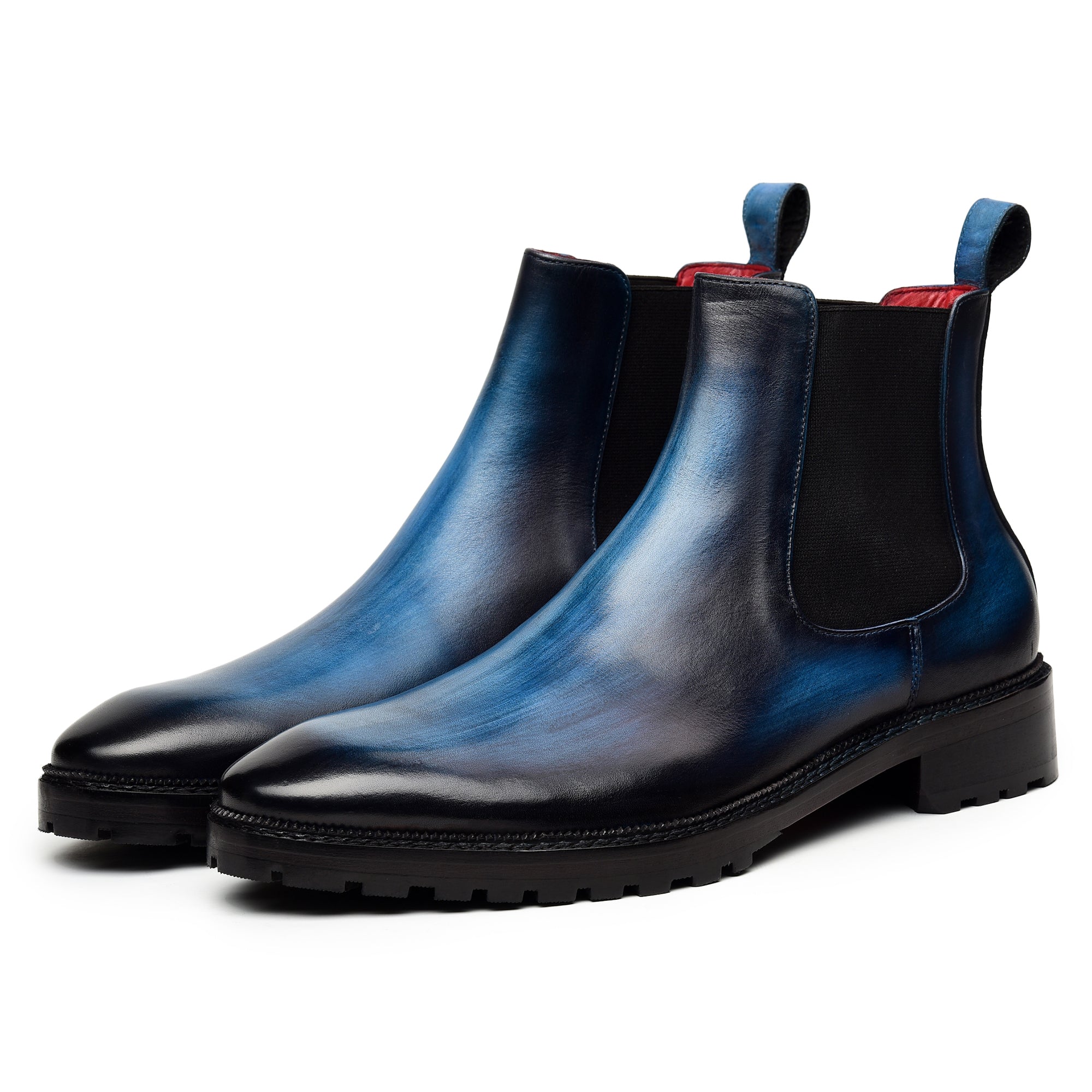
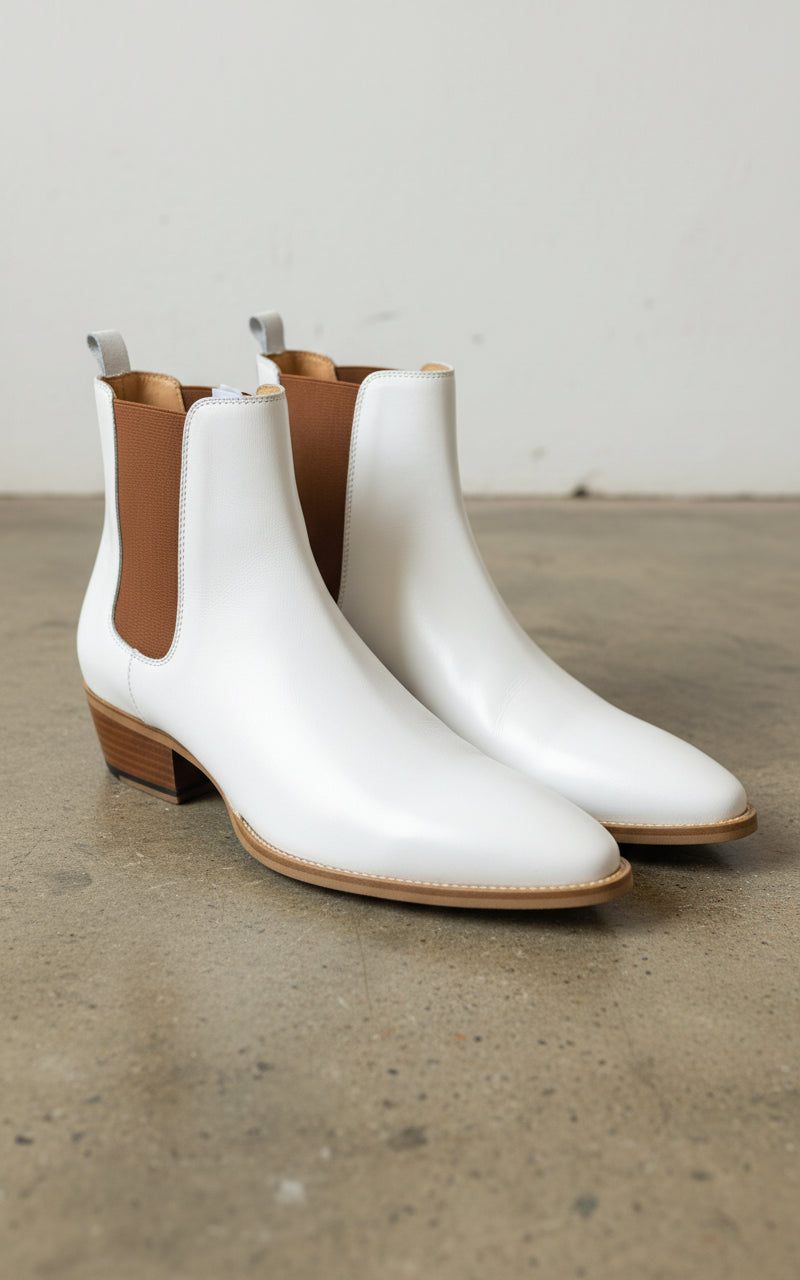
Chelsea boots
Chelsea boots have elastic side panels and no laces. They are easy to put on and work well with jeans, chinos, and smart-casual outfits.
Choose a sleek leather pair for a refined look. Choose a thicker sole and rounder toe for casual wear. The ankle should feel secure without pressing into your leg.
Chukka boots
Chukka boots usually have a short shaft and two or three pairs of eyelets. Suede chukkas suit casual outfits, while smooth leather versions can work in many offices.
They are often lighter than taller boots. However, suede can stain more easily and may need extra protection in wet weather.
Work boots
Work boots are built for protection and long hours on hard surfaces. They may include steel, alloy, or composite safety toes, reinforced stitching, cushioning, and oil-resistant soles.
Check your workplace rules before buying. Some jobs require a specific safety rating, toe type, or sole standard. A fashionable boot is not enough if it does not meet the requirements of your work site.
Hiking boots
Hiking boots offer traction, ankle support, and protection from rough ground. Some are light and flexible, while others have a firm sole and more structure for heavy packs or steep trails.
Waterproof hiking boots can help in rain and wet grass. They may feel warmer and less breathable than non-waterproof boots, so choose based on your climate and activity.
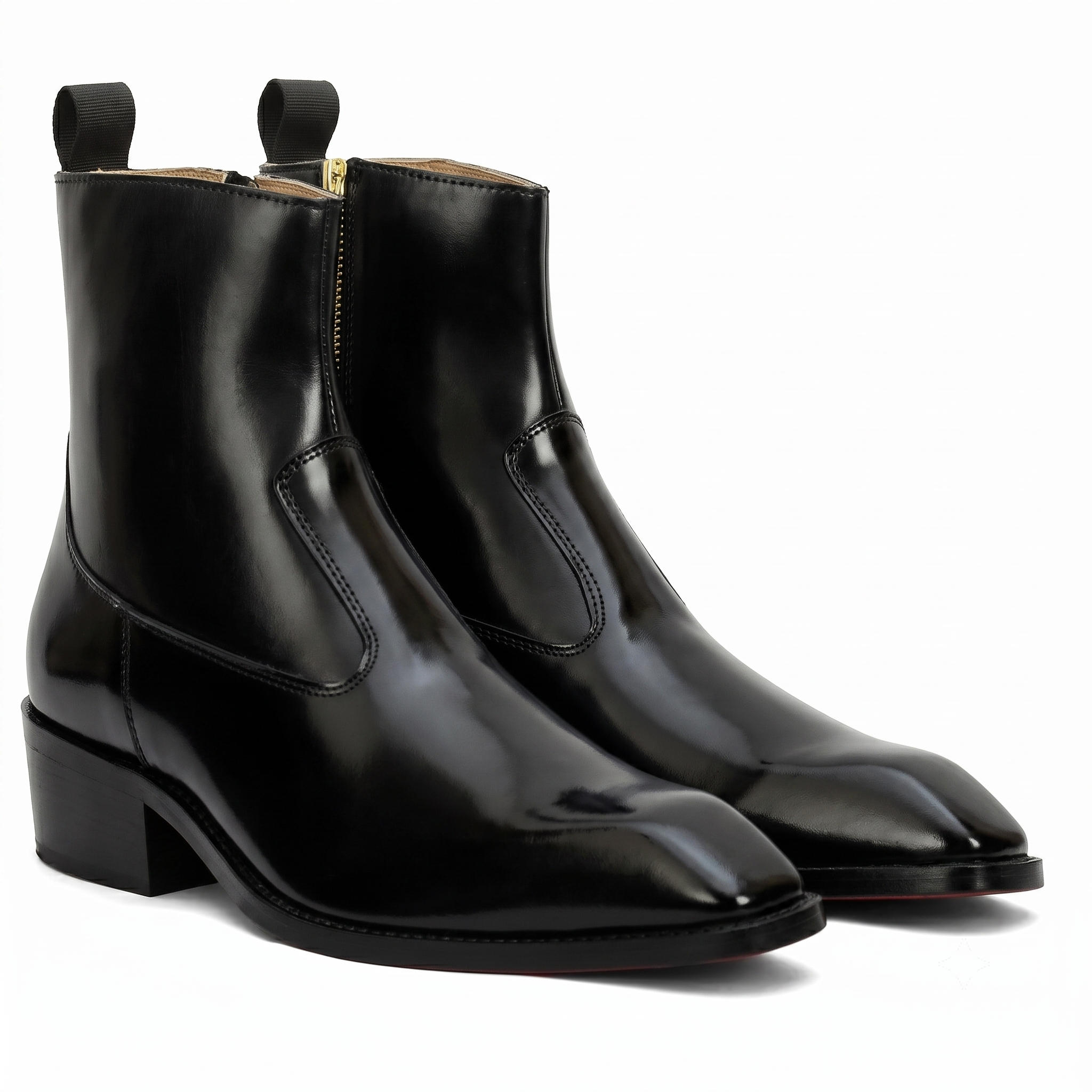
Dress boots
Dress boots have a narrow shape, smooth leather, and a clean sole. They are designed to look sharp with tailored clothing.
Do not buy a dress boot that squeezes your toes. A formal appearance never makes up for poor fit, and tight footwear can cause pain during long events.
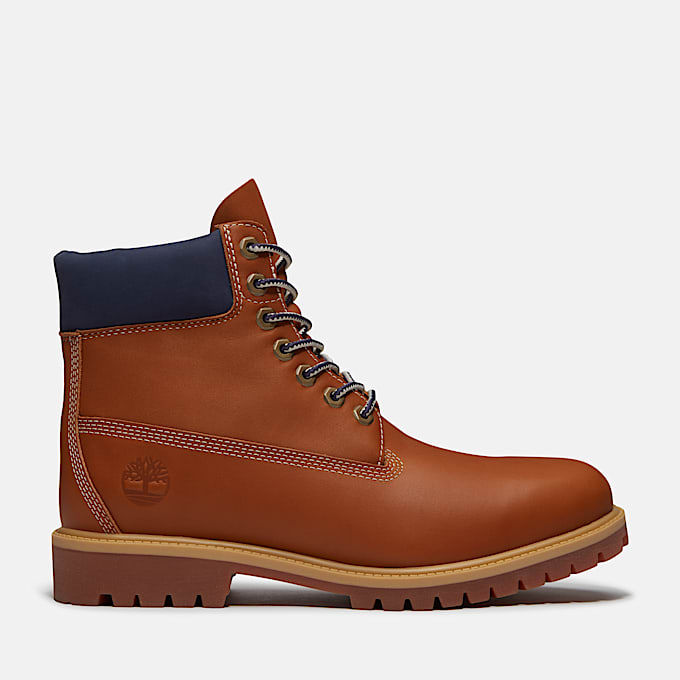
Service and engineer boots
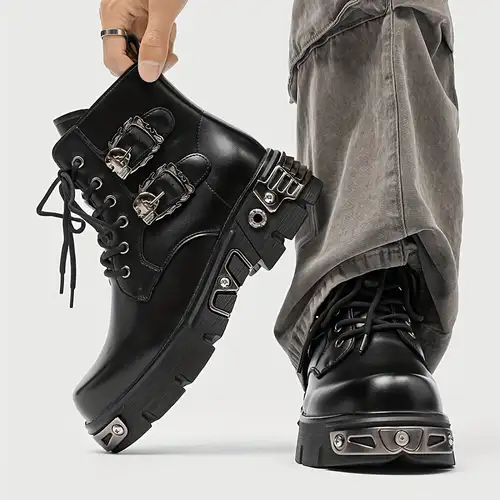
Service boots often have sturdy leather, a lace-up front, and a durable sole. Engineer boots may use straps or buckles and often have a taller shaft.
These styles can last for years when cared for properly. They may also require a break-in period, especially when made with thick leather.
Measure Your Feet Before You Shop
A good fit is the most important part of how to buy mens boots. Do not rely only on your usual sneaker size because boot sizing can vary by brand, shape, and construction.
Measure your feet at the end of the day. Feet often swell slightly after walking, so an evening measurement gives you a more realistic fit.
Use these steps:
-
Place a sheet of paper on a hard floor.
-
Stand on the paper while wearing the socks you plan to use.
-
Trace around each foot or ask someone to help.
-
Measure the length from the heel to the longest toe.
-
Measure the widest part of the foot.
-
Compare both measurements with the brand’s size chart.
Your feet may not be the same size. Always fit the larger foot, then use a suitable insole or lacing method if the other boot feels slightly loose.
Try boots with the socks you will wear most often. Thick winter socks can change the fit by half a size or more. A boot that fits well with thin dress socks may feel too tight with wool socks.
Check the Fit in Five Key Areas
When you learn how to buy mens boots, focus on how the boot feels while standing and walking. Fit is not just about the number printed inside the boot.
Toe room
Your toes should have enough space to move and spread. They should not touch the front when you walk downhill or stop suddenly.
A small amount of space in front of your longest toe is normal. Too much space can make your foot slide, while too little can cause bruised toes and black toenails.
Width
The widest part of your foot should sit over the widest part of the boot. The boot should feel close but not painful.
If the sides bulge over the sole, the boot is too narrow. If your foot slides from side to side, it may be too wide or have the wrong shape.
Heel hold
Your heel may lift slightly in a new lace-up boot. A small amount of movement can improve as the sole flexes and the upper softens.
Your heel should not rise dramatically with every step. Excessive movement can cause blisters, rubbing, and poor stability.
Instep
The instep is the top of your foot. Laces should hold this area securely without creating pressure or numbness.
If the boot feels tight across the instep, try a different last, a wider size, or a style with adjustable lacing.
Ankle and shaft
The ankle should feel supported but not squeezed. Taller boots should not pinch your calf or cut into the back of your leg.
Walk, bend, climb stairs, and sit while trying on boots. These simple movements reveal pressure points that may not appear when you stand still.
Choose the Right Boot Material
Materials affect comfort, appearance, water resistance, care, and price. Understanding them is a central part of how to buy mens boots.
Full-grain leather
Full-grain leather keeps the outer surface of the hide. It is often strong, develops character, and can last a long time with proper care.
It may feel stiff at first. Quality full-grain leather often softens with use, but it should never cause severe pain during the break-in period.
Top-grain leather
Top-grain leather has been lightly corrected or finished. It can offer a smooth, consistent look and may feel more flexible than heavy full-grain leather.
Its performance depends on the thickness, finish, and construction. The term alone does not guarantee a premium boot.
Suede and nubuck
Suede has a soft, brushed surface. Nubuck is made from the outer side of the hide and usually has a finer, stronger nap.
Both can look excellent with casual clothing. They need brushing and protection from stains, salt, and heavy rain.
Synthetic materials
Synthetic leather and textile uppers can be light, affordable, and easy to clean. Some modern materials offer good water resistance and breathability.
They may not develop the same patina as natural leather. Their lifespan depends heavily on the material quality, stitching, and how often you wear the boots.
Waterproof membranes
A waterproof membrane can block water while allowing some moisture vapor to escape. This is useful for rain, snow, and wet trails.
Waterproof does not mean invincible. Water can still enter through the tongue, seams, openings, or worn areas. A waterproof boot may also feel warmer than a non-waterproof style.
Inspect the Sole and Boot Construction
The upper gets most of the attention, but the sole controls traction, comfort, and service life. When considering how to buy mens boots, inspect the bottom as carefully as the leather.
Look for a sole that matches the ground you use most:
• Lugged rubber soles provide strong traction on loose or wet ground.
• Flat rubber soles work well for city streets and casual wear.
• Leather soles look formal and can feel smooth, but they offer less grip in rain.
• Crepe soles are soft and comfortable but may wear faster on rough pavement.
• Oil-resistant soles suit many work environments.
• Lightweight foam soles reduce weight but may compress over time.
Boot construction also matters. Cemented boots have an upper bonded to the sole. They are often light and flexible, but resoling may be difficult.
Goodyear welted and storm-welted boots use a strip that joins the upper, insole, and outsole. These boots can often be resoled, though construction quality still varies.
Blake-stitched boots are flexible and have a slimmer look. They may be less resistant to water because the stitching passes through the inside of the shoe.
A welt alone does not prove that a boot is well made. Check the stitching, edge finishing, heel attachment, lining, and overall symmetry. Uneven stitching or visible gaps can signal poor quality.
Pick a Style That Works With Your Wardrobe
A practical answer to how to buy mens boots must include clothing. The best boot is one you will wear often, not one that looks impressive in a product photo.
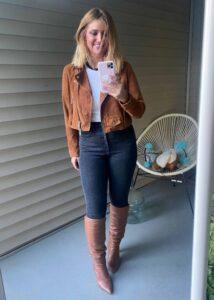
For a flexible first pair, consider medium-brown or dark-brown leather. Brown boots work with blue jeans, gray pants, olive chinos, and many casual outfits.
Black boots create a sharper look. They pair well with black jeans, charcoal trousers, dark denim, and modern office clothing.
Use these simple style rules:
• Match the formality of the boot to your clothes.
• Wear sleek boots with tailored pants.
• Wear rugged boots with denim, flannel, canvas, and casual jackets.
• Avoid pairing very bulky boots with narrow trousers.
• Let the pant hem rest naturally over the boot without bunching too much.
• Match the belt loosely to the boot color, but do not worry about perfect color matching.
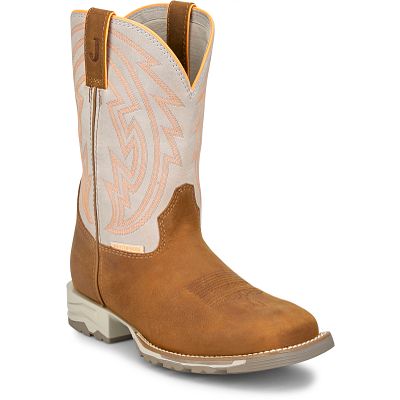
A rounded toe is usually versatile. A pointed toe looks dressier, while a square toe may suit workwear or western styles. Choose the shape that fits your foot and your wardrobe.
Set a Realistic Budget
Price is useful, but it is not a perfect measure of quality. A high-priced boot can have poor materials, while a reasonably priced boot can offer excellent value.
Think about cost per wear. A pair that costs more but lasts for years may be cheaper over time than several low-quality pairs that wear out quickly.
Before buying, check:
• The type and thickness of the upper material
• The quality of the outsole
• The stitching and bonding
• Whether the boot can be resoled
• The warranty and return policy
• The availability of replacement parts
• The comfort after a full try-on
In my experience, one common mistake is buying the cheapest boot for a job that requires daily wear. The buyer saves money at checkout but pays later through sore feet, early sole failure, or another replacement purchase.
At the same time, do not spend extra only for a famous label. You are paying for materials, construction, comfort, service, and design—not just a logo.
Shop Online Without Guessing
Online shopping can work well if you use a careful process. It becomes risky when shoppers choose size from memory and ignore the return policy.
A reliable online method includes:
-
Measure both feet.
-
Read the brand’s size guide.
-
Check whether the boots run large, small, narrow, or wide.
-
Review the upper, lining, sole, and construction details.
-
Read customer reviews for comfort and fit patterns.
-
Confirm the return window and return shipping cost.
-
Order from a seller with clear product information.
Do not trust every review equally. Look for repeated comments from buyers with similar needs, such as wide feet, long work shifts, or wet weather use.
When the boots arrive, try them indoors on a clean floor. Wear your normal socks and walk for several minutes. Do not remove tags or alter the boots until you are sure the fit is right.
A useful lesson I learned early is that a boot can feel comfortable for two minutes and uncomfortable after twenty. Test the heel, toe box, instep, and sole before deciding to keep it.
Break In New Boots Safely
Leather boots may need time to soften, but breaking them in should be gradual. Severe pain is not a sign that the boot will eventually fit.
Start by wearing the boots indoors for short periods. Then use them for brief walks before wearing them for a full workday or long trip.
Helpful steps include:
• Wear comfortable socks that reduce friction.
• Use thin blister patches on known hot spots.
• Lace the boots differently if pressure builds across the instep.
• Apply conditioner only when the leather needs it.
• Avoid soaking new leather boots to force them to soften.
• Rotate between two pairs when possible.
Some boots do not need much break-in at all. Soft leather, flexible soles, and padded linings often feel comfortable sooner. The shape of the boot matters as much as the material.
Care for Men’s Boots
Good care protects your investment and improves comfort. The care routine depends on the material, so always follow the maker’s instructions when available.
For smooth leather:
• Brush away dirt after wear.
• Wipe off salt and grime with a damp cloth.
• Let wet boots dry at room temperature.
• Use conditioner when the leather looks dry.
• Apply polish when you want extra color and shine.
For suede and nubuck:
• Brush the surface with a suitable brush.
• Treat stains with a product made for that material.
• Use a water-repellent spray that is labeled for suede or nubuck.
• Avoid ordinary leather wax unless the product specifically allows it.
Use cedar shoe trees when possible. They help absorb some moisture and support the boot’s shape. Never dry boots on a radiator or with a high-heat dryer because heat can damage leather, adhesives, and finishes.
Give boots time to rest between wears. This lets moisture evaporate and can reduce odor and lining wear.
Mistakes to Avoid When Buying Boots
Knowing what not to do makes how to buy mens boots easier and saves money.
Buying only by appearance
A boot may look perfect online but feel wrong on your foot. Always prioritize fit, use, and comfort over photographs.
Choosing the wrong size
Do not buy a smaller size because you expect leather to stretch. Leather may soften and give slightly, but it will not reliably add length.
Ignoring foot shape
Some brands use narrow lasts, while others offer wide or roomy shapes. Your foot may need a wide toe box, high instep, or extra arch support.
Wearing boots without proper socks
Thin cotton socks can trap moisture and create friction. Match your socks to the boot’s use and season.
Expecting waterproof boots to stay waterproof forever
Waterproof finishes and membranes can wear down. Keep boots clean, inspect seams, and renew treatments when appropriate.
Wearing one pair every day
Daily use without rest can speed up odor, lining damage, and sole wear. Rotation is one of the easiest ways to extend boot life.
Ignoring the return policy
Even careful shoppers can receive a boot with the wrong shape. A clear return policy gives you room to test the fit safely.
How to Buy Mens Boots for Wide or Difficult Feet
People with wide feet, high arches, flat feet, or sensitive toes need to shop by shape rather than size alone. A larger size may create extra length without giving enough width, which can cause sliding and blisters.
Look for brands that offer multiple widths. A round or anatomical toe box may be more comfortable than a pointed design. Removable insoles can also help if you need custom orthotics.
If you have persistent foot pain, numbness, swelling, or a known foot condition, ask a podiatrist for advice. General shopping tips cannot replace professional assessment.
For high arches, adjustable lacing and supportive insoles may help. For flat feet, focus on stable construction and a footbed that feels supportive without creating pressure.
A Simple Buying Checklist
Use this checklist when you are ready to buy:
• Purpose: What activity will the boots handle?
• Fit: Is there toe room, secure heel hold, and enough width?
• Material: Does it suit your weather and care habits?
• Sole: Does it provide the right grip and flexibility?
• Construction: Is it durable enough for your use?
• Style: Will it match your usual clothes?
• Comfort: Can you walk in it without pressure points?
• Value: Does the expected lifespan justify the price?
• Returns: Can you send the boots back if the fit is wrong?
This checklist turns how to buy mens boots into a clear decision instead of an impulse purchase. If a boot fails several points, keep looking.
Frequently Asked Questions About How to Buy Mens Boots
Should men buy boots one size larger?
Not usually. Choose the size that gives your toes room while holding your heel securely, and account for the socks you will wear.
How much room should be in the toe of a boot?
Your longest toe should not touch the front, even when walking downhill. A small amount of space is normal, but too much can make your foot slide.
Are leather boots better than synthetic boots?
Neither is always better. Leather can offer durability, comfort, and a natural patina, while synthetic materials may be lighter, less costly, and easier to maintain.
How do I know if boots are good quality?
Check the material, stitching, sole attachment, lining, heel, and overall finish. Also consider the return policy, warranty, and whether the boots can be repaired or resoled.
Can I wear men’s boots in the rain?
Some boots are designed for wet weather, but not all are waterproof. Look for sealed construction or a waterproof membrane, and maintain the boots according to the material.
How long should men’s boots last?
Lifespan depends on construction, materials, weather, work demands, and care. A well-made pair that is rotated and maintained can last for years, while heavily used low-cost boots may wear out much sooner.
Conclusion
Learning how to buy mens boots comes down to five core choices: purpose, fit, material, sole, and value. Measure your feet, try boots with the right socks, inspect the construction, and choose a style that fits your real life.
Do not rush the decision because the right boots should support your feet and earn regular wear. Use the checklist above, compare trusted options, and share your own boot-buying experience or questions in the comments.

Rubel Miah is the Senior Editor at MyStyleGrid.com, where he brings a sharp editorial eye and an unshakable love for fashion to everything he does. A true style addict, Rubel lives and breathes trends, from streetwear to high fashion, and has a knack for turning inspiration into impactful stories. With years of experience in fashion journalism and digital media, he curates content that empowers readers to express themselves through style. When he’s not editing features or forecasting the next big thing, you’ll find him hunting down vintage pieces or capturing street style moments around the city.