Yes, spikeless golf shoes are good for most golfers because they offer comfort, grip, and easy everyday wear.
The best spikeless golf shoes now use rubber traction lugs, stable midsoles, and water-resistant materials. They can perform well on the course and feel more natural off it. Still, the right choice depends on your swing, course conditions, walking habits, and how much support your feet need.
What Are Spikeless Golf Shoes?
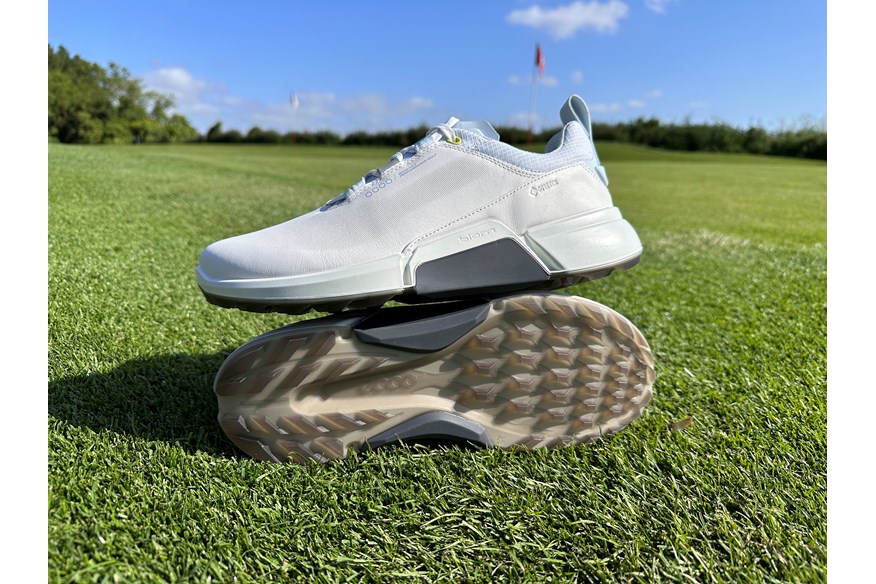
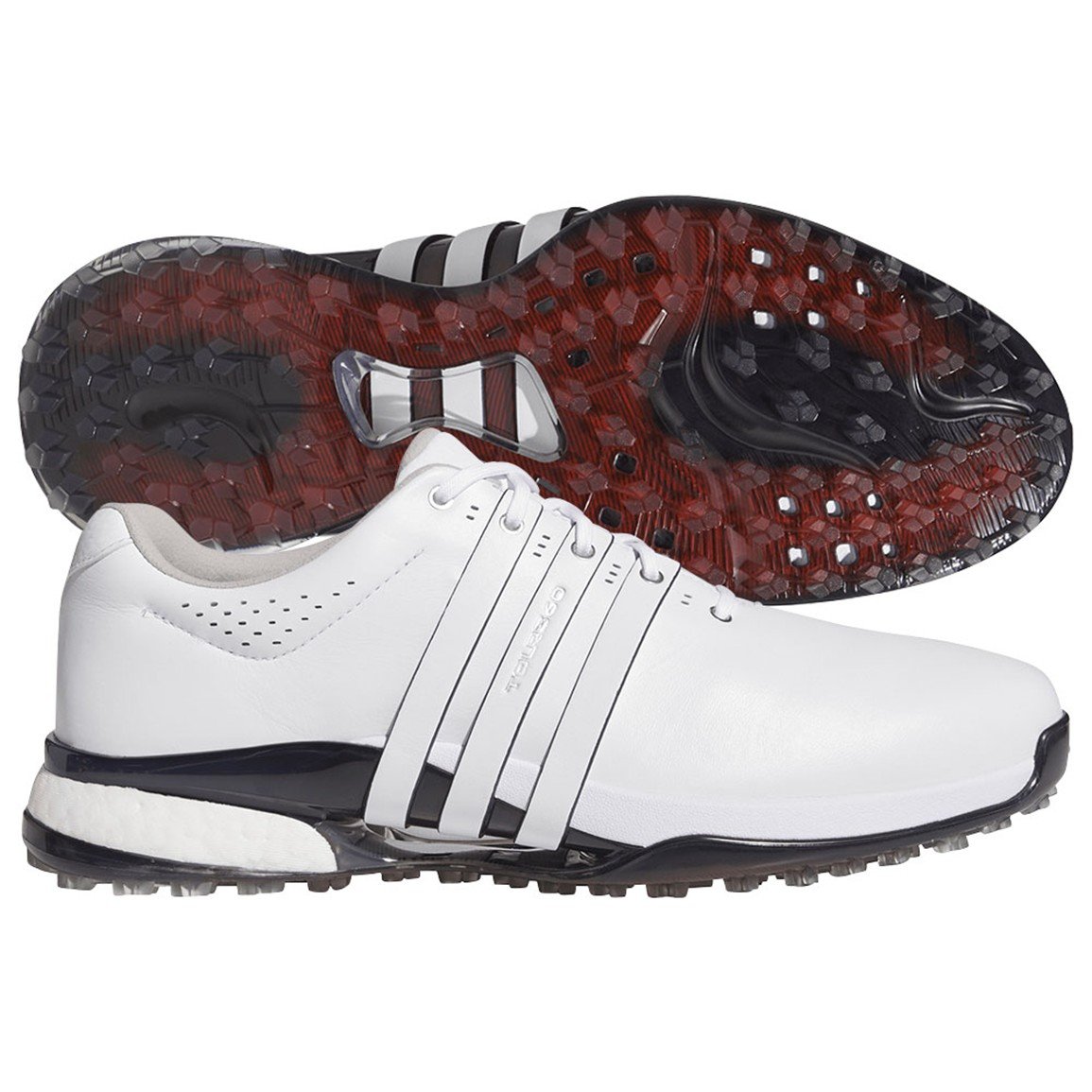
Spikeless golf shoes are golf shoes without removable metal or plastic spikes. Instead, they use molded rubber lugs, nubs, or traction patterns on the outsole to grip the turf.
Modern designs look much like athletic shoes. Some have a low-profile running-shoe shape, while others look like classic leather golf shoes. Most models are built for walking, so they often have soft cushioning and flexible uppers.
The key point is simple: spikeless shoes replace traditional cleats with built-in traction. This makes them more versatile, but their grip can vary from one model to another.
Are Spikeless Golf Shoes Good for Golf?
Yes, spikeless golf shoes are good for golf in most normal playing conditions. They provide enough traction for walking, setting up, and making a controlled swing on dry or moderately damp turf.
The rubber outsole spreads pressure across the foot. This can make the shoe feel stable without the sharp pressure created by traditional spikes. Many golfers also like the smoother feel when walking from the tee to the green.
However, spikeless golf shoes are not perfect for every golfer or every course. Very wet ground, steep slopes, deep rough, and powerful swings can expose the limits of some lightweight models.
The best answer to “are spikeless golf shoes good” depends on three things:
- The quality of the outsole
- The weather and turf conditions
- Your need for stability during the golf swing
A well-designed spikeless shoe can perform better than a low-quality soft-spike shoe. The name alone does not determine performance.
How Do Spikeless Golf Shoes Provide Traction?
Spikeless golf shoes create grip through many small contact points. These points press into the grass and help resist sliding during the swing.
Some shoes use wide rubber lugs. Others use circular patterns, ridges, or flexible traction pods. The best outsole designs place more rubber under the heel, forefoot, and outer edge of the foot.
During a golf swing, your feet need both grip and movement. Your back foot may rotate, while your front foot must help you stay balanced as your body turns. A good spikeless outsole allows this motion without letting the foot slide.
Traction also depends on the rubber compound. Softer rubber may grip better on hard surfaces, but it can wear faster. Firmer rubber may last longer, but it may feel less sticky on smooth or wet ground.
This is why two shoes that both look “spikeless” can perform very differently. The outsole pattern, rubber quality, shoe shape, and fit all matter.

Main Benefits of Spikeless Golf Shoes
Spikeless golf shoes have become popular for good reasons. They solve several problems that golfers often face with traditional golf footwear.
They Are Comfortable for walking
most golfers spend several hours on their feet. A round can involve walking four to six miles, depending on the course layout and how directly you travel between shots.
Spikeless shoes often feel more like trainers or walking shoes. Their flexible soles and cushioned midsoles can reduce foot fatigue during a long round.
This is especially useful if you walk instead of using a cart. A comfortable shoe may help you stay focused late in the round, when sore feet can affect your posture and swing.
They Work on and Off the Course
Many spikeless golf shoes have a casual design. You can often wear them in the clubhouse, on the drive home, or during a quick stop for lunch.
That convenience matters. You do not always need to change shoes in the parking lot. Some golfers also use spikeless shoes for travel because one pair can serve several purposes.
Still, avoid wearing them for long periods on rough pavement. Concrete and asphalt can wear down the traction lugs faster than grass.
They Are Easy to Walk In
Traditional spikes can feel stiff or awkward on paths, bridges, and hard ground. Spikeless shoes usually feel smoother when you walk between holes.
This can make a major difference on courses with long cart paths or many paved areas. Your feet receive more even contact, and the shoe does not have hard spikes pressing into the sole.
They Create Less Damage to Greens
Modern spikeless golf shoes are generally gentle on putting surfaces. Their low-profile traction reduces the risk of leaving deep marks in the green.
You should still drag your feet as little as possible. Any shoe can damage turf if you twist aggressively or walk carelessly.
They Are Often Quieter
Spikeless shoes make less clicking noise on hard surfaces. This can be helpful in the clubhouse and around the practice green.
The quieter design also feels less formal and more natural for golfers who prefer athletic footwear.

Limitations of Spikeless Golf Shoes
The answer to “are spikeless golf shoes good” is not always yes. Their limits become clearer in difficult conditions or when a golfer needs maximum support.
They May Slip on Wet Turf
Wet grass reduces friction. If the outsole has shallow lugs or worn rubber, the shoe may slide during the downswing.
This is more likely on damp slopes, wet rough, or soft ground. A shoe with deep, wide traction patterns will usually perform better than a smooth lifestyle-style model.
They May Offer Less Twist Resistance
A powerful swing creates strong rotational force. Some soft, flexible shoes allow too much movement between the foot and the ground.
That does not mean flexibility is bad. Golf shoes need some flex. But the midsole and outsole should still help control side-to-side movement.
Golfers with fast swing speeds may prefer a firmer shoe with a wider base and stronger heel support.
They Can Wear Faster on Pavement
Spikeless traction is made from rubber. Repeated walking on asphalt, concrete, and rough parking lots can smooth the lugs.
Once the traction pattern becomes shallow, grip can decline. This is one reason to limit off-course wear, even when the shoes are comfortable.
Waterproof Models May Feel Warm
Waterproof membranes help keep feet dry, but they can reduce airflow. In hot weather, a waterproof shoe may feel warmer than a breathable mesh model.
Think about your local climate. A breathable shoe may be better for dry summer rounds, while a waterproof shoe may be worth the extra warmth in cool, wet weather.
Spikeless Golf Shoes Versus Spiked Golf Shoes
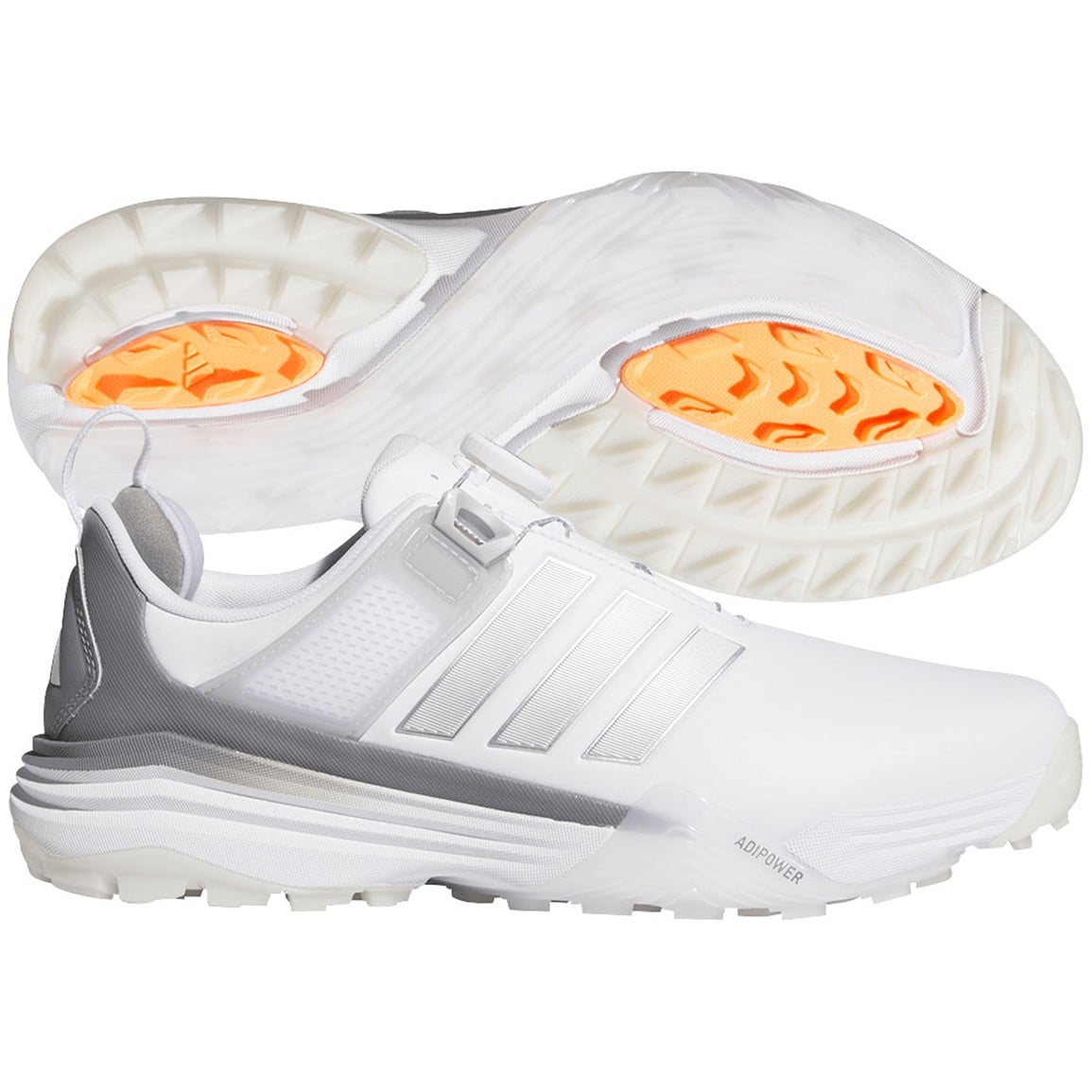
Both types can work well. The better option depends on your priorities.
| Feature | Spikeless golf shoes | Spiked golf shoes |
|---|---|---|
| Comfort while walking | Usually very high | Varies by model |
| Grip on wet turf | Good to very good | Often very good |
| Off-course use | Easy | Usually limited |
| Stability | Good in quality models | Often excellent |
| Maintenance | Low | Spikes may need replacement |
| Feel on pavement | Smooth | Less comfortable |
| Best for | Casual play and walking | Wet conditions and maximum traction |
Spiked shoes may be the better choice if you regularly play in heavy rain, walk steep courses, or generate high rotational force. Spikeless shoes may be better if you value comfort, flexibility, and everyday use.
Some golfers keep both types. They use spikeless shoes in dry weather and spiked shoes when the ground is soft or slippery.

Are Spikeless Golf Shoes Good in Rain?
Spikeless golf shoes can be good in rain if they have a waterproof upper and a strong traction outsole. Their performance depends more on the design than on the absence of spikes.
Look for these features:
- A waterproof membrane or sealed upper
- Deep rubber lugs
- A wide outsole
- A secure heel counter
- A tongue that helps block water
- A warranty against water leaks
No golf shoe can provide perfect grip on every wet surface. Mud, wet leaves, and steep slopes can challenge both spikeless and spiked shoes.
For frequent rainy play, choose a model designed for wet weather rather than a casual sneaker with a golf logo. Water resistance and traction are separate features. A shoe can keep water out and still have weak grip.
Are Spikeless Golf Shoes Good for Walking?
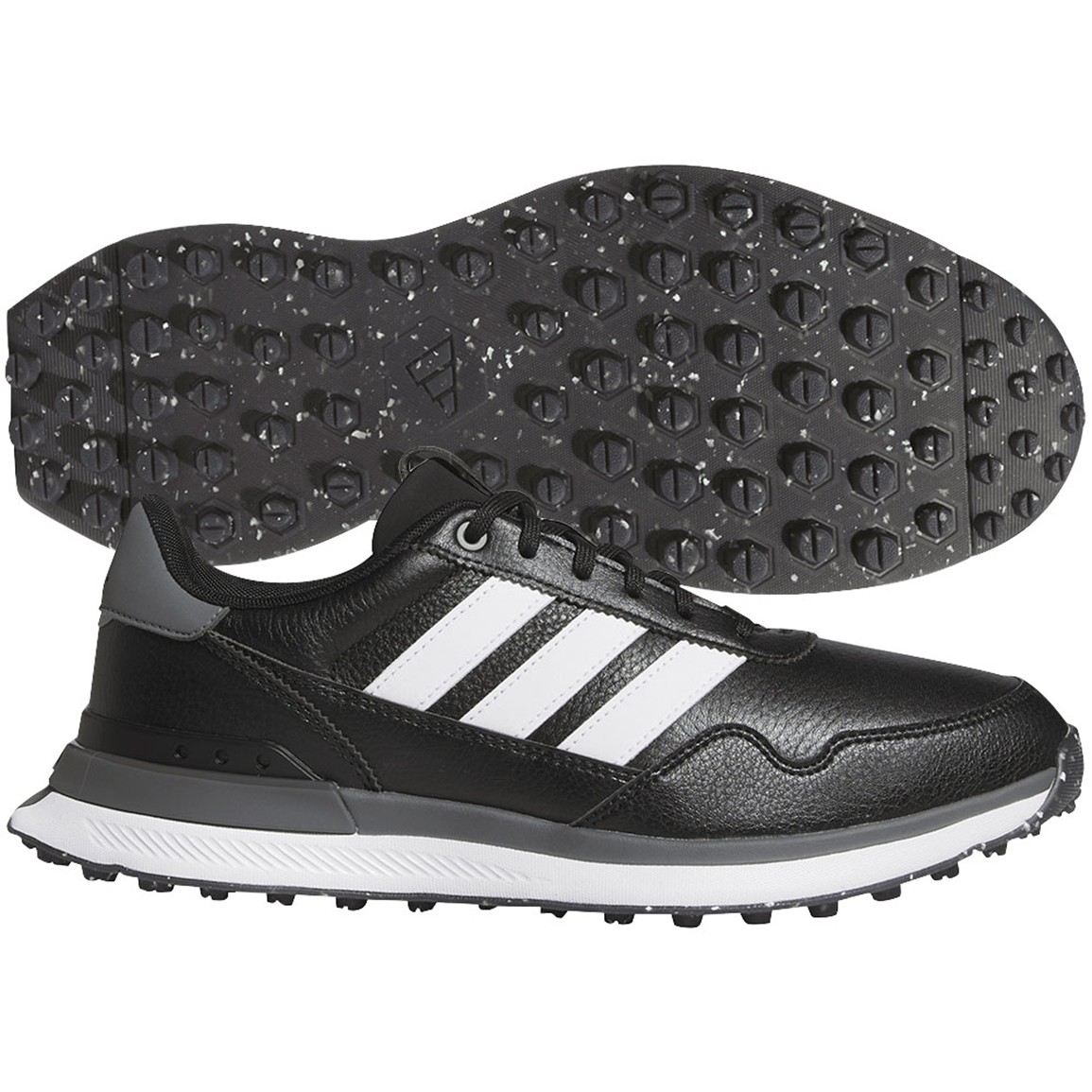
Spikeless golf shoes are often an excellent choice for walking golfers. Their flexible sole, lighter weight, and cushioned midsole can make an 18-hole round less tiring.
When testing a walking shoe, pay attention to more than softness. Excessive softness can reduce stability. The shoe should bend near the toes but remain firm through the middle of the foot.
A good walking golf shoe should also have:
- A stable heel
- Enough room for toe movement
- Cushioning that does not flatten quickly
- Breathable materials
- A secure lacing system
- Traction that works on grass and paths
Try shoes in the afternoon when your feet are slightly larger. Wear the socks you normally use for golf. Walk, bend, and make a few slow practice swings before buying.
How to Choose the Best Spikeless Golf Shoes
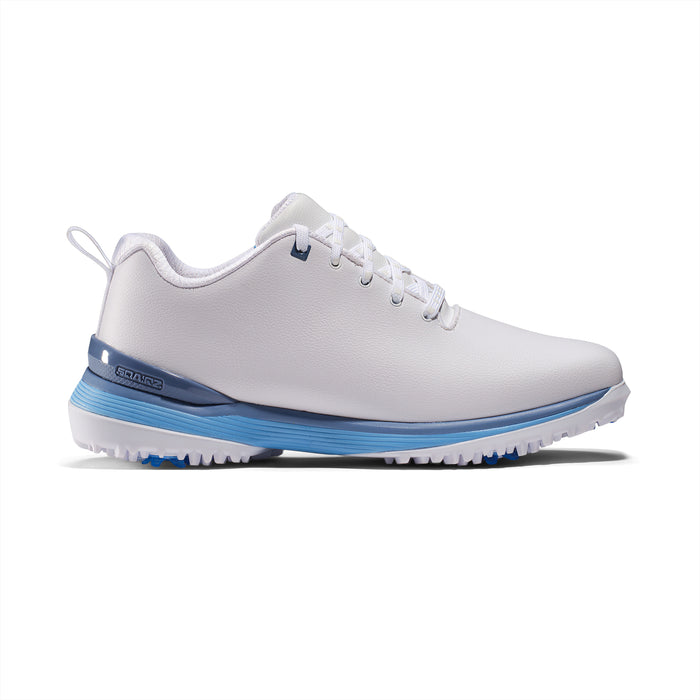
Finding a good pair requires more than choosing a popular brand. Your feet and playing conditions should guide the decision.
Check the Fit
Your heel should stay in place when you walk. Your toes should have room to spread, but your foot should not slide inside the shoe.
A thumb-width space in front of the longest toe is a useful starting point. However, foot shape differs, so comfort and security matter more than a fixed measurement.
Inspect the Outsole
Turn the shoe over and study the traction. Look for rubber that covers the full outsole, not only small patches.
Deep, well-spaced lugs usually handle grass better than a nearly flat sole. A broad heel and forefoot can also improve balance.
Match the Shoe to Your Course
For a dry, flat course, a lightweight breathable shoe may be enough. For a hilly course with damp turf, choose deeper traction and stronger support.
Consider where you play most often, not where you play once a year.
Consider Waterproofing
Waterproof shoes are useful for early morning rounds and wet climates. Breathable shoes may feel better in hot, dry areas.
Some manufacturers offer water-resistant shoes rather than fully waterproof designs. These may protect against light dew but may not handle steady rain.
Look at the Return Policy
Foot shape is personal. A shoe that feels perfect to one golfer may cause pressure for another.
A clear return policy lets you walk indoors and check the fit before using the shoes on the course.
Common Mistakes to Avoid
Many problems blamed on spikeless shoes actually come from poor fit or poor selection.
Avoid these mistakes:
- Buying a casual sneaker with very shallow traction
- Choosing a shoe that is too loose in the heel
- Wearing new shoes for 18 holes without breaking them in
- Ignoring waterproofing in a wet climate
- Using golf shoes mainly on pavement
- Choosing maximum softness when you need strong stability
- Assuming a high price guarantees a perfect fit
One practical lesson is to test shoes with your full golf stance. Stand with your feet shoulder-width apart, rotate your hips, and make slow practice swings. You may notice movement that does not appear during normal walking.
Comfort is important, but a golf shoe must also stay connected to the ground.
How Long Do Spikeless Golf Shoes Last?
A quality pair of spikeless golf shoes may last one to three years for a regular golfer. The actual lifespan depends on use, care, body weight, walking habits, and playing conditions.
A golfer who walks twice a week may wear out a pair sooner than someone who plays once a month. Hard pavement also wears rubber faster than grass.
Replace the shoes when:
- The traction lugs are visibly smooth
- The outsole separates from the upper
- The midsole feels flat
- Water enters through worn areas
- Your heel begins to move inside the shoe
- The shoe causes new foot, knee, or ankle pain
Do not wait for a complete tear. Loss of traction or support can affect comfort and balance before the damage looks dramatic.
How to Care for Spikeless Golf Shoes
Proper care can protect both the upper and the outsole.
- Remove grass and mud after each round with a soft brush.
- Wipe the shoes with a damp cloth.
- Let them dry at room temperature.
- Remove the insoles if they hold moisture.
- Avoid heaters, hair dryers, and direct high heat.
- Store the shoes in a dry, ventilated place.
- Use a second pair if you play often.
Never place wet golf shoes in a closed golf bag for several days. Trapped moisture can create odor and damage adhesives.
If the manufacturer allows it, a suitable water-repellent treatment may help protect the upper. Check the care instructions first because some treatments can harm synthetic materials or waterproof membranes.
Who Should Wear Spikeless Golf Shoes?
Spikeless golf shoes suit many types of golfers, including:
- Beginners who want one comfortable pair
- Golfers who walk the course
- Players in dry or moderately wet climates
- People who dislike stiff golf shoes
- Travelers who need versatile footwear
- Casual golfers who play a few times each month
- Players who spend time on paved paths
Spiked shoes may be better for golfers who play in frequent rain, compete on hilly courses, or want maximum stability during a fast swing.
Your age, handicap, and swing speed do not automatically decide the answer. Foot shape, course conditions, and comfort often matter more.
Frequently Asked Questions About Are Spikeless Golf Shoes Good
Are spikeless golf shoes good for beginners?
Yes, spikeless golf shoes are good for beginners because they are comfortable, versatile, and easy to walk in. Choose a pair with real golf traction rather than a flat casual sole.
Can you wear spikeless golf shoes on the green?
Yes, you can wear spikeless golf shoes on the green. Walk carefully and avoid dragging or twisting your feet, since any outsole can mark delicate turf.
Are spikeless golf shoes waterproof?
Some spikeless golf shoes are waterproof, while others are only water resistant or fully breathable. Check the product details for a waterproof membrane, sealed seams, and the manufacturer’s water-protection guarantee.
Do spikeless golf shoes have enough grip?
Quality spikeless golf shoes usually have enough grip for normal swings and dry or mildly damp turf. Deep lugs, firm rubber, and a stable fit improve traction.
Are spikeless golf shoes better than spikes?
Spikeless golf shoes are better for comfort, walking, and off-course use. Spiked shoes may be better for very wet turf, steep courses, and golfers who need maximum rotational stability.
Can you wear spikeless golf shoes every day?
You can wear spikeless golf shoes every day, but regular pavement use may wear down the traction lugs. For longer life, use them mainly on grass and clean them after each round.
Conclusion
So, are spikeless golf shoes good? For most golfers, yes. They offer strong comfort, useful traction, easy walking, and the convenience of wearing one pair on and off the course.
Their main limits appear in very wet conditions, on steep terrain, or when a golfer needs maximum swing stability. Focus on fit, outsole design, waterproofing, and course conditions instead of choosing by appearance alone.
Try on a few models, make slow practice swings, and inspect the traction before you buy. If you have experience with spikeless golf shoes, share your favorite model and playing conditions in the comments.

Rubel Miah is the Senior Editor at MyStyleGrid.com, where he brings a sharp editorial eye and an unshakable love for fashion to everything he does. A true style addict, Rubel lives and breathes trends, from streetwear to high fashion, and has a knack for turning inspiration into impactful stories. With years of experience in fashion journalism and digital media, he curates content that empowers readers to express themselves through style. When he’s not editing features or forecasting the next big thing, you’ll find him hunting down vintage pieces or capturing street style moments around the city.