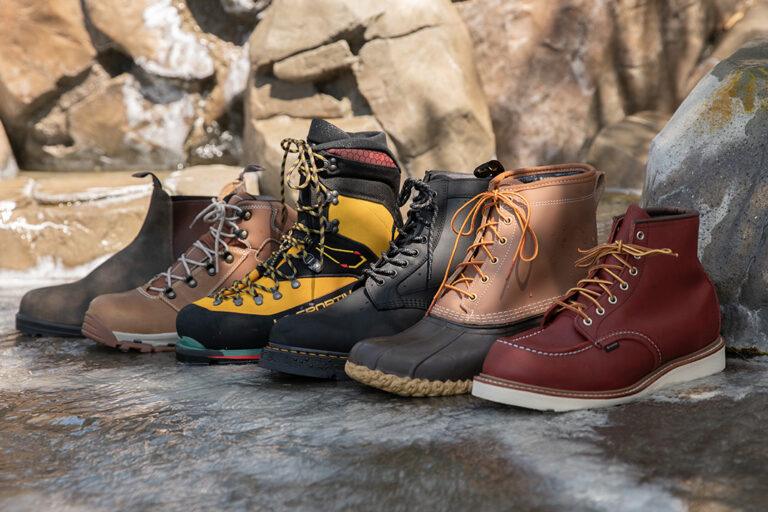
The best men's boots match your daily needs, fit your feet well, and offer lasting comfort, grip, and support.
Finding what are the best men's boots depends on where you wear them, how often you walk, and what your feet need. A rugged work boot, a sleek Chelsea boot, and a waterproof hiking boot can all be excellent choices, but they serve very different roles. This guide breaks down the best types, key materials, fit tips, trusted features, and common mistakes so you can buy with confidence.
What are the best men's boots?
The best men's boots are not always the most expensive pair. They are the boots that fit well, suit your lifestyle, and perform in the conditions you face.
For most men, a strong boot should offer:
• A secure fit without tight spots
• Enough toe room for natural movement
• Good heel support
• A sole with suitable grip
• Durable materials
• Comfort for the time you plan to wear them
• Easy care and repair options
The best men's boots for office wear may have smooth leather and a slim shape. The best men's boots for outdoor work may need waterproofing, toe protection, and a heavy rubber sole. The right answer changes with the job.
When I assess boots, I start with use rather than appearance. A stylish boot that causes heel pain is a poor choice. In the same way, a heavy work boot can feel tiring when worn for casual city walks.

Best men's boots by use
A clear purpose makes shopping much easier. Think about your normal week, then choose the boot type that fits your routine.
Best men's boots for everyday wear
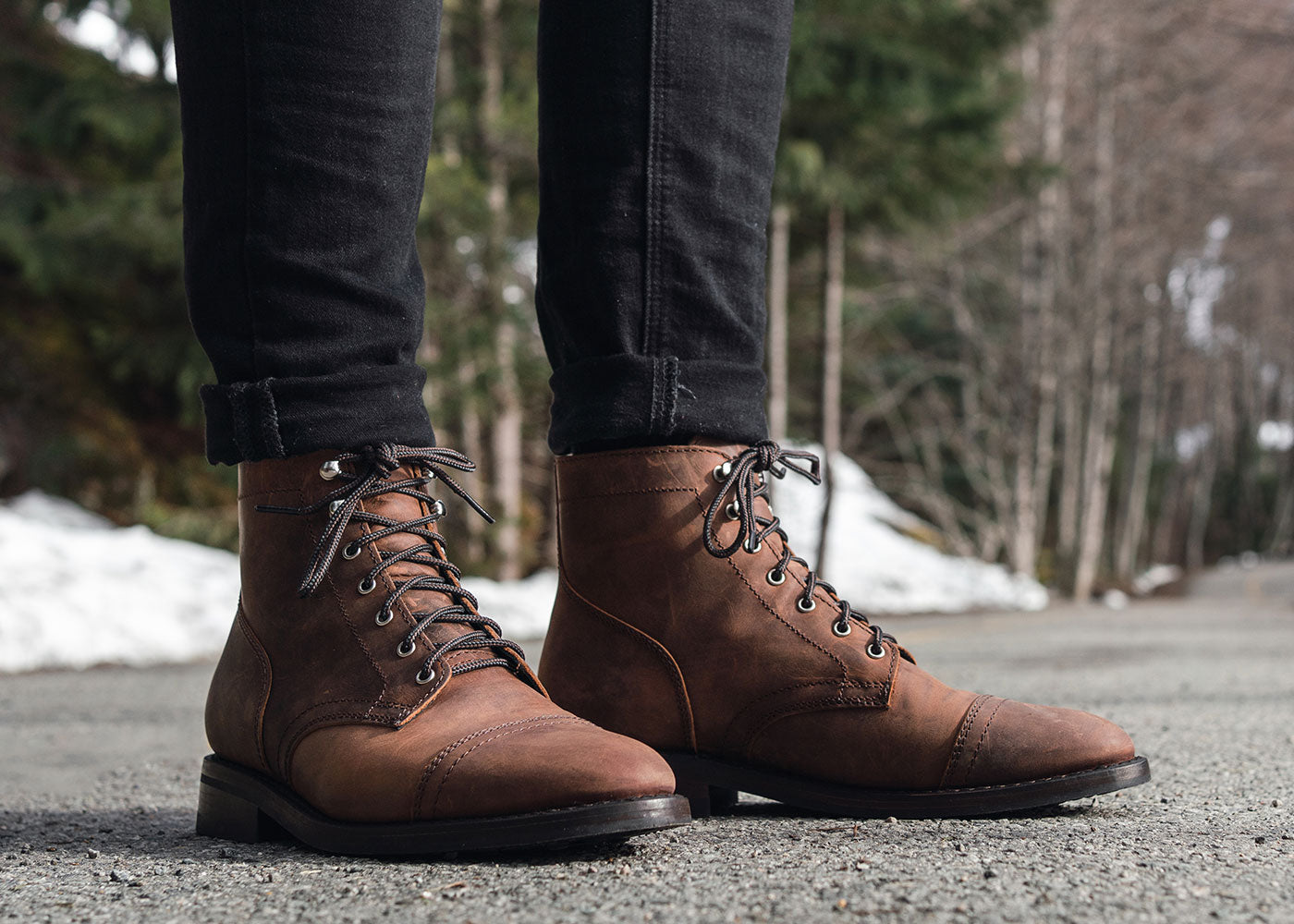
For daily use, look for a leather lace-up boot, chukka, or Chelsea boot. These styles work well with jeans, chinos, and casual trousers.
Choose a medium-weight design with a flexible sole. Full-grain leather can last for years when cared for, while suede offers a softer and more relaxed look.
A good everyday boot should not feel like a hiking shoe unless you need outdoor grip. It should support your foot while still feeling easy to wear in stores, at work, or during a night out.
Best men's boots for work
Work boots should protect your feet and reduce fatigue. Important features may include:
• A safety toe made from steel, composite, or alloy
• Slip-resistant rubber outsoles
• Electrical hazard protection when required
• Strong stitching and reinforced eyelets
• Cushioning under the heel and forefoot
Steel toes offer strong impact protection, but composite toes are often lighter and do not conduct cold as quickly. Always check your employer’s safety rules before buying. A boot must meet the correct workplace standard, not just look tough.
Best men's boots for hiking
Hiking boots need grip, stability, and protection from rough ground. A high-cut boot can support the ankle, but it may feel less flexible than a low hiking shoe.
For short trails, lightweight hiking boots are often enough. For heavy packs, steep slopes, or wet ground, choose stronger ankle support, deep lugs, and a waterproof upper.
Waterproof boots can keep rain out, but they may also hold heat inside. If you hike in warm weather, breathable mesh or a non-waterproof boot may feel better.
Best men's boots for winter
Winter boots should protect against cold, snow, slush, and ice. Look for insulation, sealed seams, waterproof materials, and a sole designed for cold surfaces.
A warm lining alone does not make a boot safe on ice. Deep rubber lugs and a stable heel matter just as much. For severe cold, check the temperature rating, but treat it as a guide rather than a promise. Activity level, socks, and fit all affect warmth.
Best men's boots for rain
Rain boots often use rubber or waterproof synthetic materials. They are useful in heavy rain, muddy yards, and wet commutes.
For long walks, avoid choosing a boot that feels loose around the heel. A loose heel can cause rubbing and blisters. A removable insole can also help the boot dry faster after a wet day.
Best men's boots for formal outfits
Dress boots include Chelsea boots, cap-toe boots, and sleek lace-up styles. Black and dark brown leather are the most flexible colors.
The shape should be neat without squeezing your toes. A slim sole looks refined, but a rubber sole can offer better traction and comfort than a thin leather sole.
How to choose the best men's boots
Boot shopping becomes simpler when you check the main parts in order. Start with fit, then consider material, sole, support, and weather protection.
1. Check the fit
Try boots later in the day. Feet often swell after hours of standing and walking.
Wear the socks you expect to use with the boots. Then check these points:
• Your toes should not touch the front
• Your heel should stay mostly in place
• The widest part of your foot should match the widest part of the boot
• The boot should bend near the ball of your foot
• Your toes should move freely
Some heel movement is normal in a new lace-up boot. However, repeated rubbing is a warning sign. Do not assume every boot will “break in” enough to fix a poor fit.
2. Understand boot materials
Full-grain leather is strong and develops a natural patina. It can resist wear well, but it needs regular cleaning and conditioning.
Top-grain leather is usually sanded or finished for a smoother look. It can offer a good mix of appearance and durability.
Suede has a soft texture and casual style. It needs protection from water, oil, and dirt.
Synthetic materials can reduce weight and cost. Some modern synthetic boots also dry faster than leather. Their lifespan varies widely, so inspect the stitching, lining, and sole before buying.
3. Inspect the sole
The outsole controls grip, comfort, and wear. Rubber soles usually offer strong traction and better wet-weather performance.
Leather soles can look elegant and feel smooth on dry floors. They may slip on wet surfaces and often need more care.
Look for a sole with enough depth for your use. Deep lugs help on trails and mud. A flatter pattern may feel quieter and more comfortable on pavement.
4. Consider construction
Several construction methods affect durability and repairability.
• Goodyear welt: A strong stitched method that can often be resoled
• Blake stitch: A flexible construction with a slimmer profile
• Cemented construction: A lighter and often less costly method
• Direct attach: A sole bonded or molded directly to the upper
A welted boot may offer long-term value, but it can feel stiff at first. A cemented boot may feel comfortable right away, but replacement options can be limited.

Features that matter most
Boot marketing can include many terms. Some matter a lot, while others may add little value for your needs.
Waterproofing
Waterproof leather, sealed seams, and a waterproof membrane can help keep feet dry. Yet no waterproof boot stays perfect forever. Creases, worn seams, and damaged coatings can create entry points for water.
If you need waterproof boots, check whether the tongue is gusseted. This design connects the tongue to the sides of the boot and helps block water.
Cushioning
Cushioning can make hard floors feel easier on your feet. However, very soft cushioning may reduce stability for some users.
A useful boot balances shock absorption with firm support. If you stand all day, pay close attention to the midsole and insole rather than judging the boot by its upper alone.
Arch support
Arch needs vary from person to person. A boot should support your foot without pressing painfully into the arch.
If you have persistent foot pain, speak with a podiatrist. Boots cannot correct every foot problem, and an insert may need to match your specific condition.
Toe protection
Safety toes are essential in many jobs. Steel, composite, and alloy toes can all provide protection when the boot meets the required safety standard.
A safety toe should not press against your toes. Try the boot while standing and walking. Your toes need space even when the foot slides slightly forward.
Ankle support
A taller boot can protect the ankle from scrapes and provide a more secure feel on uneven ground. Still, ankle height alone does not guarantee stability.
A firm heel counter, secure lacing, and a stable sole also matter. For everyday city use, a very stiff ankle may create more discomfort than benefit.
Popular boot styles explained
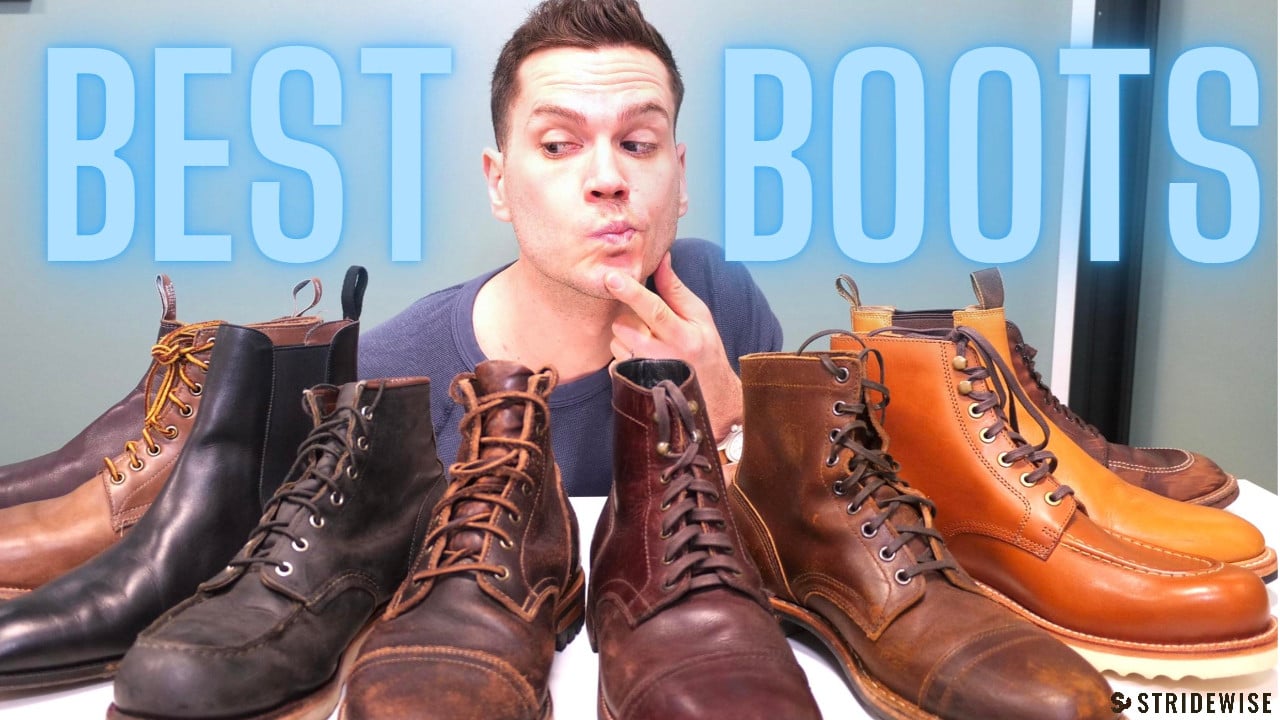
Different boot styles suit different clothing and settings. Knowing the basic shapes helps you avoid buying a boot that rarely leaves your closet.
Chelsea boots
Chelsea boots have elastic side panels and a clean profile. They are easy to put on and work with jeans, chinos, and smart-casual clothing.
Choose a rounded or almond toe for versatility. A very pointed toe can look less natural with casual clothes.
Chukka boots
Chukkas usually have a low ankle height and a simple lace system. Suede chukkas offer a relaxed look, while leather versions can appear more polished.