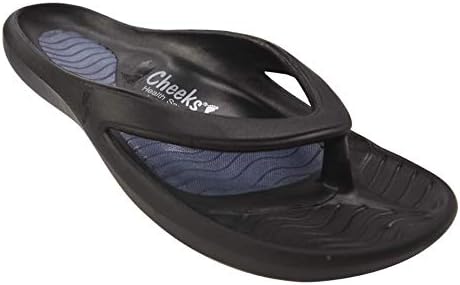
Tony Little Cheeks sandals appear to have been discontinued or quietly removed from major retail channels.
If you remember their soft feel, raised heel, and easy slip-on design, you are not alone. Many shoppers still search for what happened to Tony Little Cheeks sandals because the shoes once appeared in television shopping ads and online stores but are now hard to find. This guide explains what likely happened, why the line disappeared, where buyers may still find pairs, and how to choose a safe replacement.

What happened to Tony Little Cheeks sandals?
Tony Little Cheeks sandals seem to have left regular retail sales. The brand no longer has the same visible presence on television shopping networks and large online stores. New pairs may still appear through resale sites, old inventory, or independent sellers, but the main product line is not widely promoted.
There does not appear to be a clear public announcement that explains the exact reason. In cases like this, a footwear line may end because of low sales, supplier changes, new product plans, or a shift in retail strategy. It is also possible that the sandals were phased out without a formal notice.
Tony Little Cheeks sandals were part of a comfort footwear range linked to fitness personality Tony Little. The line focused on casual shoes that felt soft and easy to wear. Its appeal came from comfort rather than high-fashion styling.
The simplest answer is that Tony Little Cheeks sandals were likely discontinued or became inactive as a regular product line. That does not mean every pair vanished. It means the original sales and marketing system appears to have ended.

Why did Tony Little Cheeks sandals become difficult to find?
Several common retail factors can explain why Tony Little Cheeks sandals disappeared from view.
Product lines often change
Television retailers regularly replace older products with new designs. A sandal may sell well for a period, then lose shelf space when a newer style offers better margins or a fresher look.
This is common in comfort footwear. Brands may keep the name but change the sole, color range, packaging, or supplier. In other cases, the product is simply retired.
Retail partnerships can end
Many specialty footwear products depend on one or two major sellers. If a contract ends, the product can disappear quickly even when some customers still like it.
This may explain what happened to Tony Little Cheeks sandals. If the main retail partner stopped carrying them, shoppers would see fewer listings and fewer television promotions.
Manufacturing can become harder
Sandals require reliable materials, molds, packaging, and quality checks. A small change in production costs can make an older product less profitable.
Foam, rubber, synthetic leather, and shipping costs have all changed over time. A company may decide that updating an older sandal costs more than launching a new one.
Customer demand may have shifted
Comfort shoe buyers now have many choices. Slip-on sandals, recovery shoes, walking sandals, and adjustable orthopedic styles compete for the same customers.
A product can remain popular with loyal users but still fail to attract enough new buyers. That can lead to a quiet phaseout.
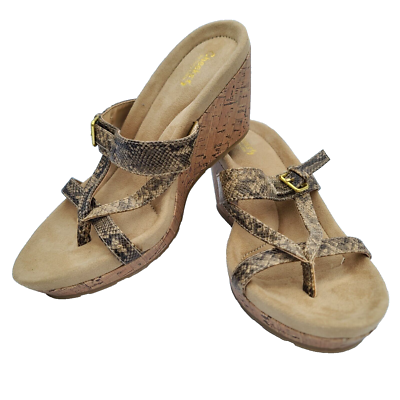
What made Tony Little Cheeks sandals popular?
The appeal of Tony Little Cheeks sandals came from simple comfort features. They were designed for casual use, errands, travel, and relaxed days at home.
Common features associated with the line included:
• Soft or cushioned footbeds that reduced pressure under the foot
• Lightweight construction for easy daily wear
• Slip-on or open sandal designs
• Casual colors that worked with simple clothing
• Flexible soles for short walks and routine activities
• A comfort-focused shape rather than a formal shoe shape
Many people liked sandals that felt soft right away. That matters because stiff shoes can cause rubbing on the heel, toes, or sides of the foot.
Still, “comfortable” does not mean perfect for every foot. Some wearers need strong arch support, a firm heel counter, or an adjustable strap. A soft sandal may feel good for a short period but offer limited support during long walks.
This is one reason it helps to separate cushioning from support. Cushioning is like a soft pillow. Support is more like a stable frame. Good footwear often needs both.

Are Tony Little Cheeks sandals still available?
Some Tony Little Cheeks sandals may still be available, but they are usually found through secondary sellers rather than normal retail channels.
You may see them on:
• Online resale marketplaces
• Auction websites
• Thrift stores
• Estate sales
• Closet-clearout listings
• Small independent shoe sellers
• Online stores selling old or excess inventory
Availability can vary by size, color, and condition. A common size may sell quickly, while unusual sizes may remain listed for months.
When searching, try several versions of the product name:
-
“Tony Little Cheeks sandals”
-
“Cheeks by Tony Little”
-
“Tony Little comfort sandals”
-
“Tony Little women’s sandals”
-
“Tony Little slip-on sandals”
Check the photos closely. Some listings use the Tony Little name for related shoes but not the original Cheeks sandal. Look for the logo, footbed design, outsole pattern, and product tags.

How to buy used Tony Little Cheeks sandals safely
Buying discontinued footwear can work, but it requires more care than buying a new pair from a known retailer.
Check the sole
Rubber and foam can break down with age. Look for cracks, peeling, deep yellowing, or a sole that looks dry and brittle.
A sandal may look new but still be unsafe if it sat in heat for many years.
Review the footbed
Inspect the insole for hard spots, deep compression, stains, or flaking material. A worn footbed can change how your foot lands.
Ask about storage
A seller may know whether the sandals were kept in a closet, garage, attic, or damp basement. Cool, dry storage is better than hot or humid storage.
Confirm the return policy
Used footwear can fit differently from current shoes. A return option protects you if the sandal is the wrong size or feels unstable.
Avoid suspicious listings
Be careful when:
• The price is much higher than similar listings
• The seller uses only stock photos
• The product description is vague
• The seller will not show the sole
• The listing claims the shoes are “rare” without proof
• The payment method offers little buyer protection
The best listing shows several clear photos and states whether the sandals are new, worn, tried on, or vintage stock.

How should Tony Little Cheeks sandals fit?
A good fit should feel secure without squeezing the foot. Your toes should not hang over the front, and your heel should not slide off the back with each step.
Measure both feet near the end of the day. Feet often swell slightly after standing and walking. Use the larger measurement when comparing it with a seller’s size chart.
Pay attention to these fit points:
• The widest part of your foot should sit fully on the footbed.
• The straps should not cut into the skin.
• Your toes should have room to move.
• Your heel should remain stable.
• The sole should bend near the ball of the foot.
Do not rely on the size alone. Older footwear can use different sizing standards, and materials may stretch with use.
If you have diabetes, reduced feeling, serious swelling, or a history of foot wounds, ask a qualified health professional before wearing old or poorly supported sandals. Footwear should not create pressure points that you cannot feel.

What are good alternatives to Tony Little Cheeks sandals?
If you cannot find Tony Little Cheeks sandals, look for the features you liked rather than copying the brand name.