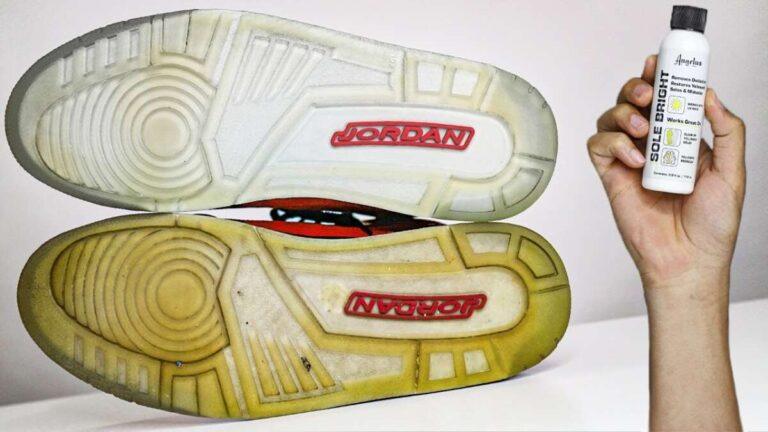
Clean soles with soap, water, a stiff brush, and spot cleaners for stubborn grime.
I’ve cleaned thousands of shoes in my years working with footwear and gear. In this guide I will walk you through how to clean the sole of a shoe step by step, explain tools and safe cleaners, share real-world tips, and help you avoid common mistakes. Read on if you want soles that look and perform better — fast and without damage.

Why cleaning the sole matters and when to do it
A clean sole helps grip, extends shoe life, and prevents dirt transfer to floors. Regular cleaning stops mud, salt, and grime from building up. It also keeps tread channels clear so traction stays strong.
I recommend checking and cleaning soles after muddy walks, heavy gardening, winter salt exposure, or when sticky messes are visible. If you use athletic shoes daily, clean the soles once a week. For occasional wear, clean every few weeks or after visibly dirty outings.

Tools and supplies you need
Gathering the right tools makes how to clean the sole of a shoe quick and safe. Keep a simple kit ready.
- Stiff brush for rubber and deep grooves
- Old toothbrush for tight areas
- Warm water and mild dish soap for general cleaning
- Baking soda or white vinegar for odors and stains
- Magic eraser or sneaker cleaner for scuffs on white soles
- Cloths or microfiber towels for drying
- Optional: rubbing alcohol, hydrogen peroxide, or specialized sole cleaner for stubborn stains
From experience, a small plastic scraper or an old credit card helps lift dried mud before brushing. Having supplies ready saves time and prevents damage.

Step-by-step: how to clean the sole of a shoe (basic method)
Follow these easy steps for most shoes with rubber or synthetic soles.
-
Rinse off loose dirt
- Tap soles together or rinse under running water to dislodge loose mud.
-
Scrape dried debris
- Use a plastic scraper or old card to remove clumps from tread channels.
-
Mix a soap solution
- Combine warm water with a few drops of dish soap in a bowl.
-
Scrub the sole
- Dip the stiff brush and scrub the sole and grooves. Use an old toothbrush for small areas.
-
Rinse and wipe
- Rinse with running water or wipe with a damp cloth until soap is gone.
-
Dry thoroughly
- Pat with a towel and air dry away from direct heat. Check grooves for remaining dirt and repeat if needed.
This basic method covers the majority of how to clean the sole of a shoe tasks. For white midsoles, use a magic eraser for bright results.

Removing specific stains and problems
Different messes need different approaches. Below are targeted fixes I use often.
-
Mud and clay
- Let mud dry, scrape off, then scrub with soapy water.
-
Salt and winter residue
- Wipe with a mix of water and white vinegar to dissolve salts, then rinse.
-
Oil and grease
- Apply dish soap directly, let sit five minutes, then scrub. For heavy grease, sprinkle baking soda, let absorb, then brush.
-
Ink or dye transfer
- Dab rubbing alcohol on a cloth and rub gently. Test on a small area first.
-
Yellowing on white soles
- Use a paste of baking soda and hydrogen peroxide. Apply, let sit 10 minutes, scrub, then rinse.
I once cleaned a pair of work boots with oil stains. The baking soda lift combined with hot water made a dramatic difference. Always test cleaners in a hidden spot first.

How to clean soles of different shoe types
Not all soles are the same. Match technique to material.
-
Rubber or synthetic soles
- Use soap, brush, and a magic eraser for scuffs.
-
Foam or EVA soles
- Be gentle. Use soft brush and mild soap to prevent breakdown.
-
Leather-soled dress shoes
- Avoid soaking. Use a damp cloth and a soft brush. Condition leather soles after cleaning.
-
Spiked or cleated soles
- Remove spikes when possible and clean channels with a brush or wooden pick.
Knowing the sole material helps you choose the right method for how to clean the sole of a shoe without causing harm.

Drying, finishing, and restoring grip
Proper drying keeps soles in good shape and maintains traction.
-
Air dry at room temperature
- Avoid direct heat like radiators or hair dryers that can warp soles.
-
Re-tighten or replace worn spikes
- For cleats, inspect and replace worn studs.
-
Add grip if needed
- Use sole protectors or non-slip pads if the sole has smoothed out.
-
Revive white rubber
- After cleaning, a small amount of white toothpaste rubbed on white soles can brighten them further. Rinse and dry.
I learned to air dry shoes with shoe trees for dress shoes. It preserves shape while soles dry.