Choose frames that balance your face shape, fit your features, and block 100% of UVA and UVB rays.
Learning how to pick sunglasses for your face is about more than matching a frame to a face shape. The right pair should suit your features, feel secure, protect your eyes, and match your daily needs. This guide combines styling principles, fit checks, lens facts, and practical lessons to help you shop with confidence.
Why face shape matters when choosing sunglasses
Your face shape gives you a useful starting point. It helps you find frames that balance your natural lines instead of copying them.
Think of your sunglasses as a visual frame around a picture. The frame can soften sharp angles, add structure to soft curves, or make a long face look more balanced. Still, face shape is only one part of the choice. Your brow line, cheekbones, nose bridge, and face width matter just as much.
When learning how to pick sunglasses for your face, first look at these key details:
• Face length compared with face width
• Jawline shape
• Forehead width
• Cheekbone position
• Natural brow shape
• Nose bridge height and width
• Overall frame size
Most people have a mix of face shapes. You may have an oval forehead, a square jaw, and high cheekbones. That is normal. Use face shape as a guide, not a strict rule.
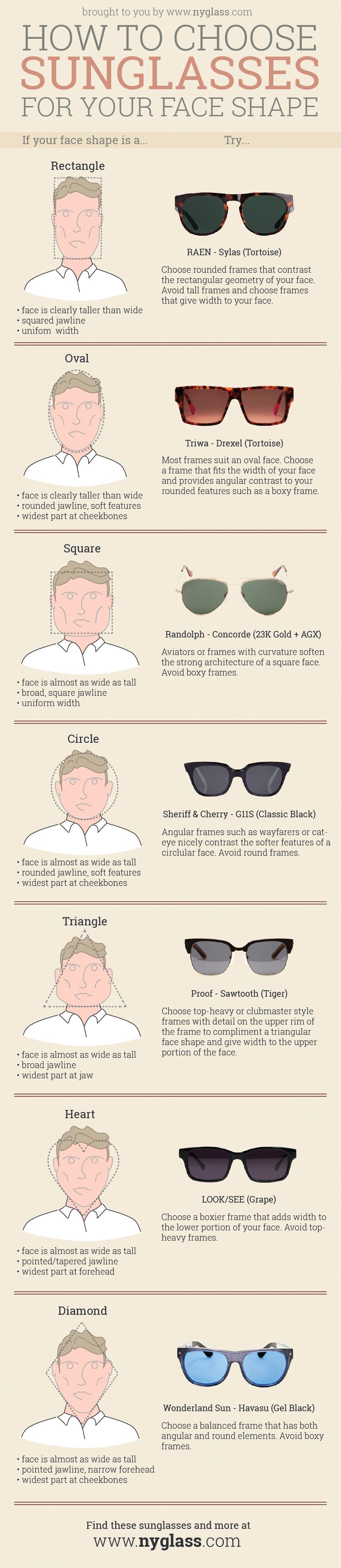
How to identify your face shape
You can identify your face shape with a mirror, a washable marker, or a phone photo. Pull your hair back, face the camera, and keep your head level.
Trace the outside of your face on the mirror or study the photo. Compare the widest areas and notice whether your jaw looks rounded, sharp, or broad.
Oval face
an oval face is usually longer than it is wide. It often has a gently curved jaw and cheekbones that are wider than the forehead and chin.
Most frame styles work well with an oval face. Look for frames that are at least as wide as the broadest part of your face. Wayfarer, aviator, round, rectangular, and cat eye frames can all work.
Avoid frames that are too large. Oversized sunglasses may cover your brows and make your face look smaller.
Round face
A round face has soft curves, full cheeks, and similar face width and length. The jaw usually has no strong corners.
Angular frames can add useful contrast. Try square, rectangular, geometric, or browline sunglasses. A taller frame can also add length to the face.
Very small, round frames may make the face look fuller. This does not mean you must avoid round sunglasses. Choose a frame with a firm bridge or sharper outer edges for better balance.
Square face
A square face usually has a broad forehead, strong cheekbones, and a defined jaw. The width and length may look similar.
Round and oval sunglasses can soften these strong lines. Aviators, rounded rectangles, and curved frames are often flattering.
Very boxy frames may repeat the shape of your jaw too closely. If you like square frames, choose softer corners or thinner rims.
Long or oblong face
An oblong face is longer than it is wide. The forehead, cheeks, and jaw may have similar widths.
Choose sunglasses with more lens height. Oversized, aviator, square, and round frames can add visual width and make the face look more balanced.
Small, narrow frames may make the face appear longer. A frame with a strong top line can also help shorten the visual length of the face.
Heart shaped face
A heart shaped face often has a wider forehead, high cheekbones, and a narrow chin.
Try aviator, oval, round, or soft cat eye frames. These shapes can balance the upper face without adding too much width near the temples.
Avoid very heavy top rims if they make your forehead look wider. Light colors and thin frames can create a softer effect.
Diamond face
A diamond face is widest near the cheekbones. It often has a narrower forehead and a defined chin.
Oval and cat eye sunglasses can highlight the eyes and soften the cheek area. Rimless frames and gentle curves are also worth trying.
Avoid frames that are much wider than your cheekbones. They may make the middle of your face look broader.
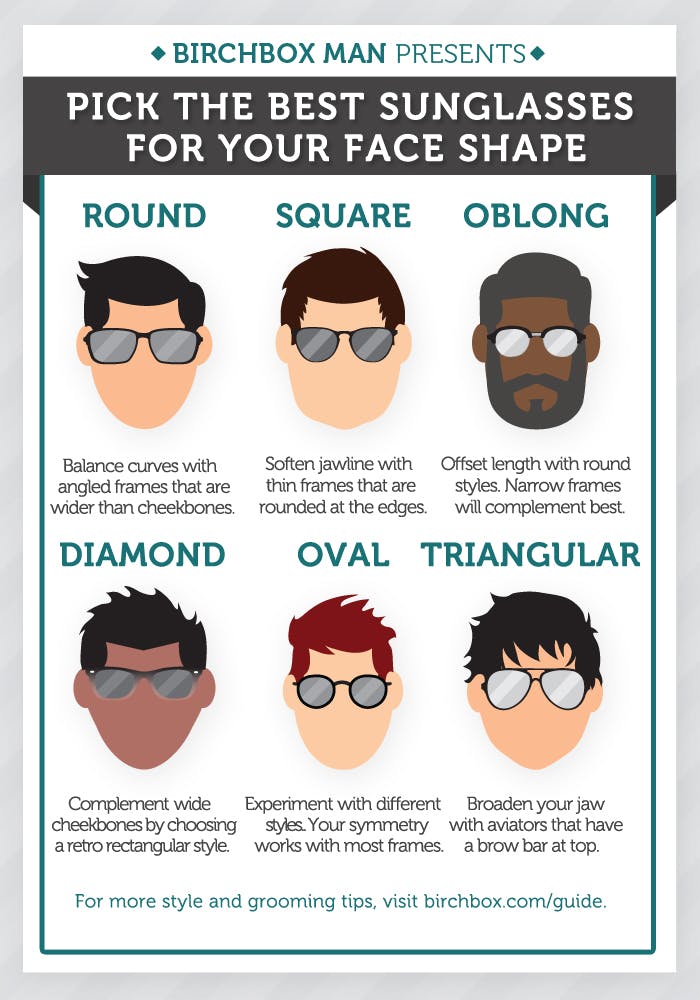
How to pick sunglasses for your face shape
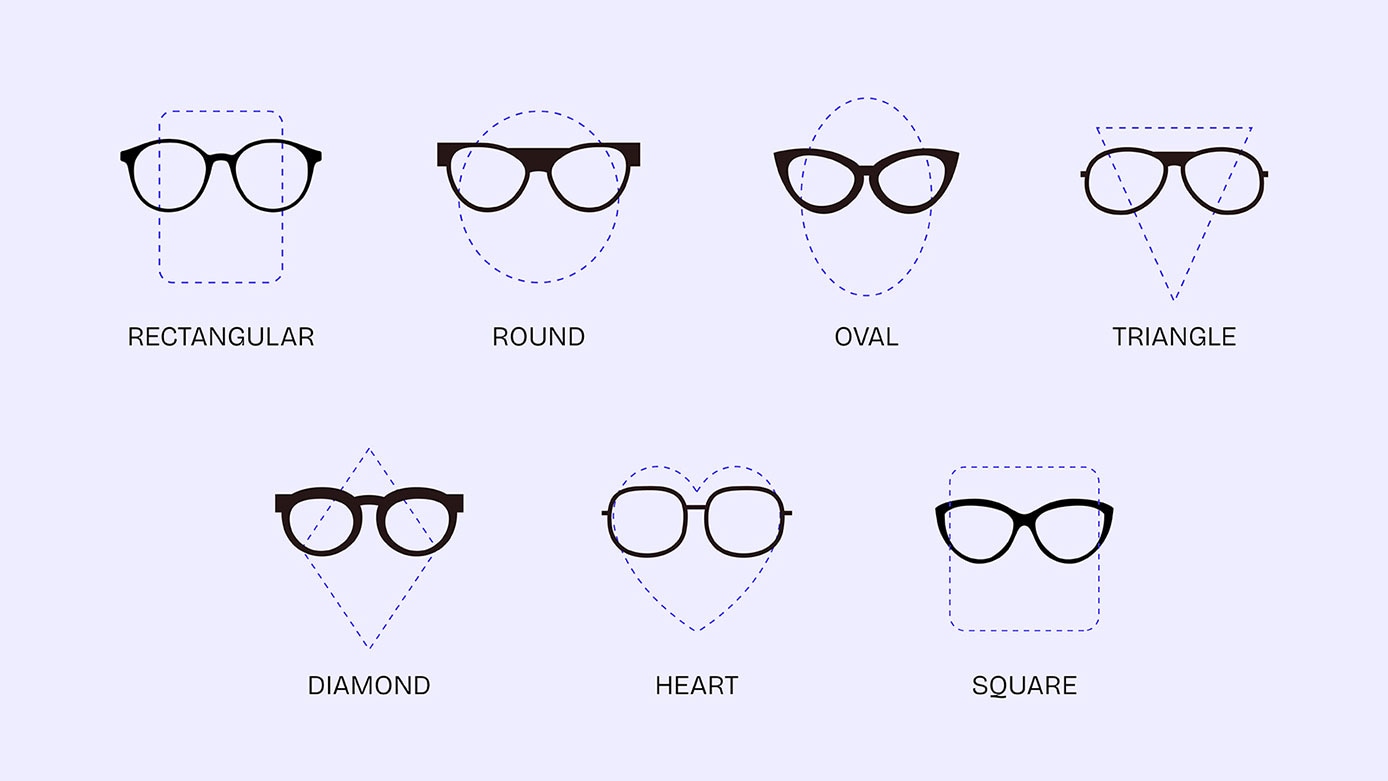
Once you know your face shape, compare frame shapes with your natural features. The goal is balance, not strict contrast.
Here is a simple guide:
• Oval face: Most shapes work, but match the frame width to your face.
• Round face: Choose angular frames to add structure.
• Square face: Try round or oval frames to soften strong lines.
• Long face: Select taller lenses and wider frames.
• Heart shaped face: Choose soft, balanced shapes with a lighter lower rim.
• Diamond face: Look for oval, rimless, or gentle cat eye frames.
Color also affects balance. Dark frames look stronger and more defined. Light or translucent frames feel softer. Bright colors draw attention to the eyes and temples.
Your personal style matters, too. Face shape advice should guide you, not limit you. The best pair is one that makes you feel comfortable and looks natural with your clothes and lifestyle.
Check the frame fit before you buy
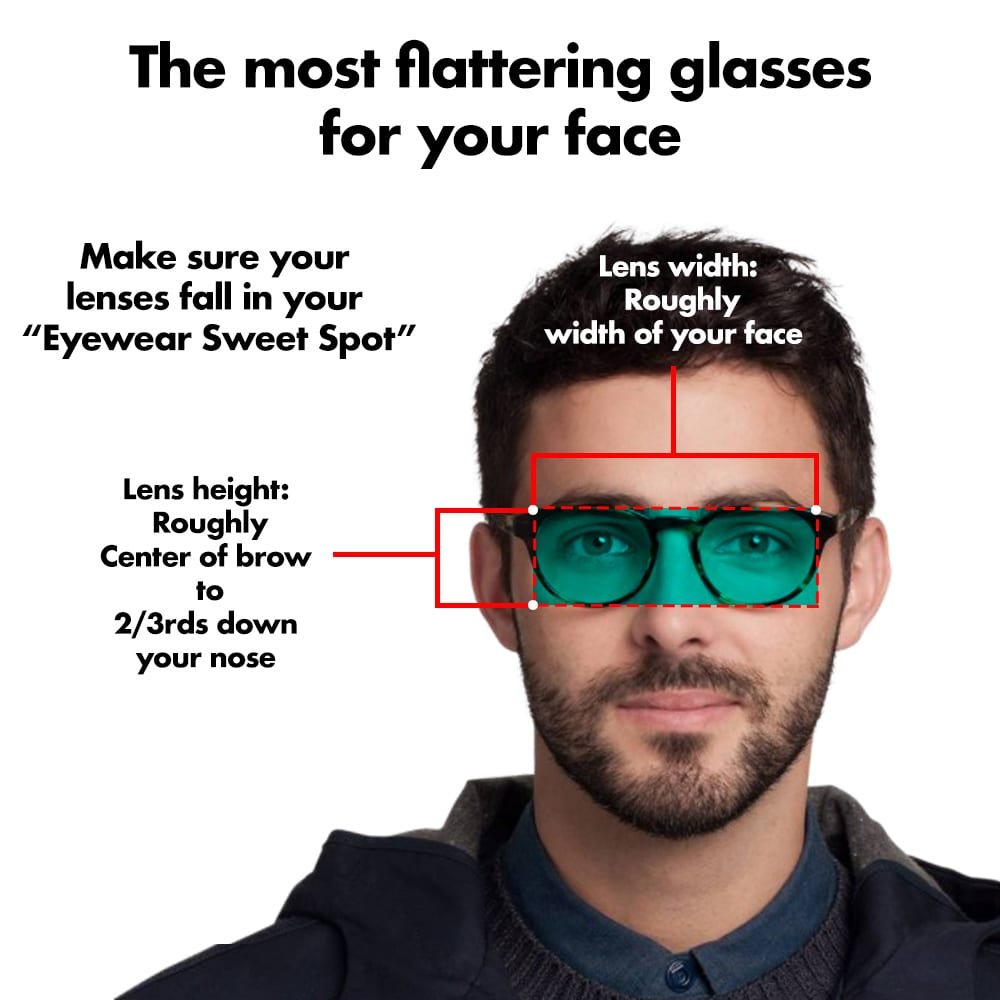
A stylish frame is not a good choice if it slides down, pinches, or blocks your view. Learning how to pick sunglasses for your face means learning how a proper fit should feel.
Use this quick fit check:
-
Look straight ahead. Your eyes should sit near the center of each lens.
-
Check the frame width. It should not extend far beyond your temples or press into them.
-
Test the bridge. The sunglasses should sit securely without leaving painful pressure.
-
Smile and move your face. The frame should not touch your cheeks.
-
Look down. The sunglasses should stay in place without sliding.
-
Check the arms. They should rest comfortably behind your ears.
The frame should follow your face without sitting on your cheeks. If the glasses slide, an optician may adjust the nose pads or temple arms. Small adjustments can turn an almost-right pair into a comfortable one.
When I test frames, I move my head, smile, and look down before judging the style. I once chose a pair that looked perfect in a store mirror but slipped every time I walked outside. The lesson was simple: style matters, but movement reveals the truth.

Choose lenses that protect your eyes
Eye protection is the most important part of any sunglasses choice. The American Academy of Ophthalmology recommends sunglasses that block 99% to 100% of UVA and UVB radiation. A label that says “UV400” usually means the lenses block light up to 400 nanometers, including UVA and UVB rays.
Do not confuse dark lenses with UV protection. A very dark lens without proper UV filtering can allow your pupils to widen while harmful rays still reach your eyes.
Look for these lens features:
• 100% UVA and UVB protection
• UV400 protection
• Impact resistant materials for active use
• Polarization to reduce glare
• Prescription compatibility when needed
• A lens color suited to your activity
Polarized lenses reduce glare from flat surfaces such as water, snow, roads, and car hoods. They can improve comfort while driving or spending time outdoors. However, polarization does not replace UV protection.
Gray lenses usually keep colors fairly natural. Brown and amber lenses can increase contrast in some conditions. Yellow lenses may help in low light, but they are not a substitute for clear vision or proper eye protection.
Match sunglasses to your lifestyle
The best sunglasses for you depend on where and how you use them. A fashion frame for a café may not be the best choice for cycling, fishing, or driving.
For driving
Choose lenses that reduce glare without making the road too dark. Gray polarized lenses are often a practical choice. Make sure the frame does not block your side vision.
Some car displays can look darker or distorted through polarized lenses. Test your sunglasses with your vehicle before taking a long trip.
For sports and outdoor work
Choose lightweight, secure frames with impact resistant lenses. Wraparound styles can reduce light entering from the sides.
For cycling, running, or hiking, look for rubber nose pads and temple grips. These features help the sunglasses stay in place when you sweat.
For water and snow
Polarized lenses can reduce harsh glare from water and bright snow. Choose full UV protection and a frame that limits light from entering around the edges.
Snow reflects a large amount of sunlight. Wear sunglasses even on cold, cloudy days because UV exposure can still reach your eyes.
For everyday wear
Comfort, color, and versatility matter most. A medium sized frame in gray, brown, black, tortoiseshell, or clear acetate can work with many outfits.
If you wear sunglasses often, consider buying one classic pair and one activity specific pair. This approach is often more useful than forcing one pair to suit every situation.
Select the right frame material
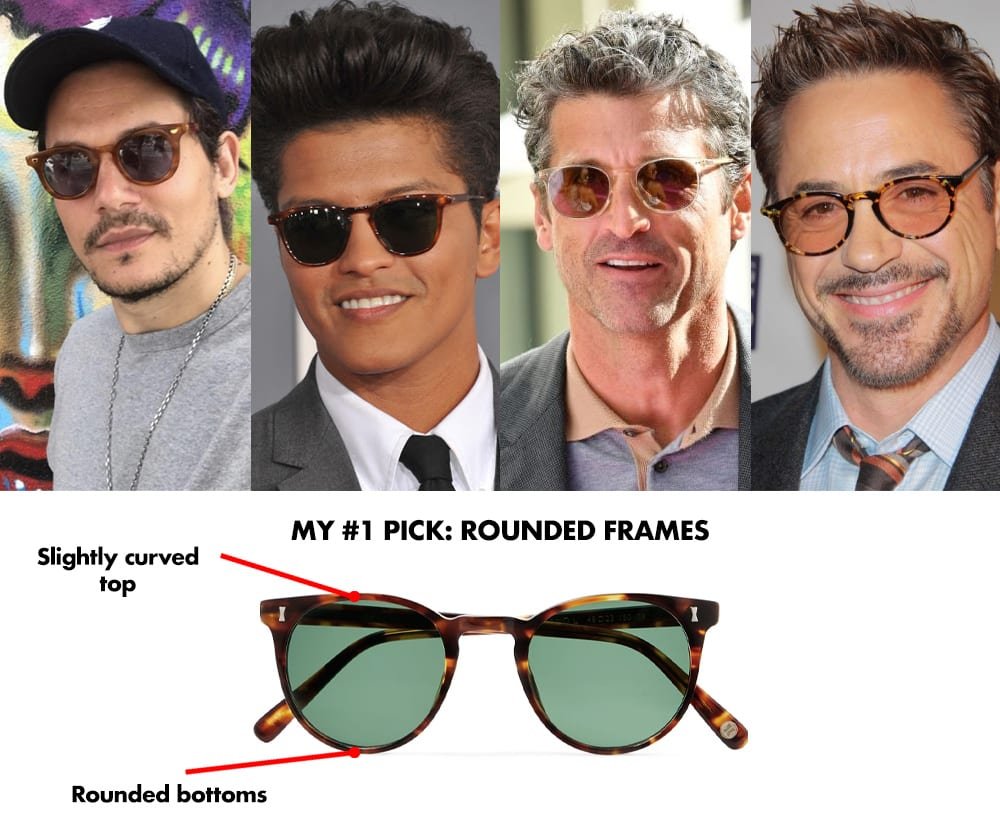
Frame material changes the weight, strength, comfort, and price of sunglasses.
• Acetate: Strong, lightweight, and available in many colors and patterns.
• Plastic: Often affordable and light, though quality can vary.
• Metal: Slim and adjustable, but some metals may irritate sensitive skin.
• Titanium: Lightweight, durable, and often helpful for people who dislike heavy frames.
• Nylon or sports polymers: Flexible and useful for active lifestyles.
If you have sensitive skin, look for hypoallergenic materials and avoid frames that cause redness. People with metal allergies may prefer acetate, titanium, or plastic.
Lens material matters too. Polycarbonate lenses are light and impact resistant. Glass lenses can offer excellent optical clarity but are heavier and may break more easily during active use.

Consider prescription and vision needs
Prescription sunglasses can provide clear vision and sun protection in one pair. You can order them through an eye care professional or a trusted optical provider.
Your prescription may affect the frame you can choose. Strong prescriptions may work better with smaller frames because they reduce lens thickness and weight. An optician can explain which lens materials and frame shapes suit your prescription.
People with light sensitivity, dry eye, cataracts, or other eye conditions may need more specific advice. Sunglasses can improve comfort, but they do not treat an eye disease. Ask an eye care professional if bright light causes pain, sudden glare, or unusual vision changes.
Children also need proper sunglasses. Choose impact resistant lenses, a secure fit, and full UV protection. Avoid buying a pair based only on appearance.
Common mistakes to avoid
Many shopping mistakes happen because people judge sunglasses only in a mirror. The mirror shows style, but it does not show comfort, protection, or real world performance.
Avoid these common errors:
• Choosing a frame that is too narrow because it looks fashionable
• Assuming dark lenses always offer strong UV protection
• Ignoring pressure at the temples or behind the ears
• Buying a frame that rests on the cheeks
• Picking a size based only on the model’s face
• Forgetting how the sunglasses work with your hairstyle or hat
• Buying low quality lenses without checking the protection label
• Ignoring side glare during outdoor activities
One of my early mistakes was choosing a large frame because it looked dramatic in a photo. In daily use, it caught wind, slipped down, and covered too much of my face. Now I check fit in motion and view the frame from the side before buying.
A simple shopping method
Use this five step method when trying on sunglasses:
-
Start with protection. Confirm 100% UVA and UVB or UV400 protection.
-
Find your frame size. Compare the frame with your face width and temple position.
-
Test the shape. Choose curves or angles that balance your natural features.
-
Check comfort. Move, smile, look down, and wear the pair for several minutes.
-
Match the lens to your needs. Consider glare, driving, sports, prescription use, and light sensitivity.
Take a photo from the front and side if you are unsure. A phone photo often shows the frame size more clearly than a close mirror view.
Do not rush the decision. A good pair should feel like part of your face, not a heavy object sitting on it.
Frequently asked questions about how to pick sunglasses for your face
What sunglasses look best on an oval face?
Most sunglasses work well on an oval face because its proportions are balanced. Choose a frame that is no wider than the broadest part of your face and avoid very oversized styles that hide your features.
How do I choose sunglasses for a round face?
Angular frames, such as square or rectangular styles, can add structure to a round face. Choose a frame with enough width and avoid very small shapes that may make the face look fuller.
Should sunglasses be wider than your face?
Sunglasses should usually be close to the width of your face, not much wider. A frame that extends far past the temples may look oversized and can allow more side glare.
Are polarized sunglasses better for your eyes?
Polarized sunglasses reduce glare from roads, water, and snow, which can improve visual comfort. They do not automatically provide UV protection, so always check for 100% UVA and UVB protection or a UV400 label.
What color sunglasses are best?
Gray lenses provide natural color, while brown or amber lenses may improve contrast in some settings. The best color depends on your activity, but lens color is less important than verified UV protection.
Can I wear round sunglasses with a round face?
Yes, you can wear round sunglasses with a round face. Choose a round frame with a strong bridge, darker rim, or slightly wider shape to add definition and balance.
How should sunglasses fit on the nose?
Sunglasses should sit securely without pinching or sliding. They should not leave painful pressure marks, rest heavily on the cheeks, or move when you smile or look down.
Conclusion
Knowing how to pick sunglasses for your face becomes easier when you combine face shape, frame size, comfort, lens protection, and lifestyle needs. Use your face shape as a guide, but trust the fit and your own style.
Always check for 100% UVA and UVB protection or UV400 labeling. Try the sunglasses in motion, test the bridge and temples, and choose lenses that suit your daily activities.
Use these tips the next time you shop, and you will be far more likely to find sunglasses that look good, feel comfortable, and protect your eyes. Share your favorite frame style or explore more eyewear guides to make your next choice even easier.

Rubel Miah is the Senior Editor at MyStyleGrid.com, where he brings a sharp editorial eye and an unshakable love for fashion to everything he does. A true style addict, Rubel lives and breathes trends, from streetwear to high fashion, and has a knack for turning inspiration into impactful stories. With years of experience in fashion journalism and digital media, he curates content that empowers readers to express themselves through style. When he’s not editing features or forecasting the next big thing, you’ll find him hunting down vintage pieces or capturing street style moments around the city.