Choose sunglasses that balance your face’s widest points and echo its natural angles for a flattering, comfortable fit.
After years of trying frames on clients, friends, and myself, I have learned that how to pick sunglasses for your face shape is less about strict rules and more about balance. Your face shape offers a useful starting point, but frame size, bridge fit, lens quality, and personal style matter just as much. This guide will help you spot your face shape, compare frame styles, avoid common mistakes, and choose sunglasses that look good and protect your eyes.

Why Your Face Shape Matters When Choosing Sunglasses
Face shape helps you find frames that create visual balance. For example, round frames can soften a square face, while angular frames can add structure to a round face. The best pair does not hide your features. It works with them.
Think of sunglasses as a picture frame. A good frame supports the picture without taking over. The right sunglasses should fit your face, suit your style, and feel comfortable for hours.
When learning how to pick sunglasses for your face shape, focus on these four points:
- Balance: Choose frames that contrast with or complement your natural features.
- Proportion: Match the frame size to the width and height of your face.
- Comfort: Check the bridge, temples, and nose pads for a secure fit.
- Protection: Choose lenses that block 99% to 100% of UVA and UVB rays.
The American Academy of Ophthalmology recommends sunglasses that offer complete protection from ultraviolet radiation. Dark lenses alone do not guarantee safety. A very dark lens without UV protection can let your pupils open wider while harmful rays still enter your eyes.
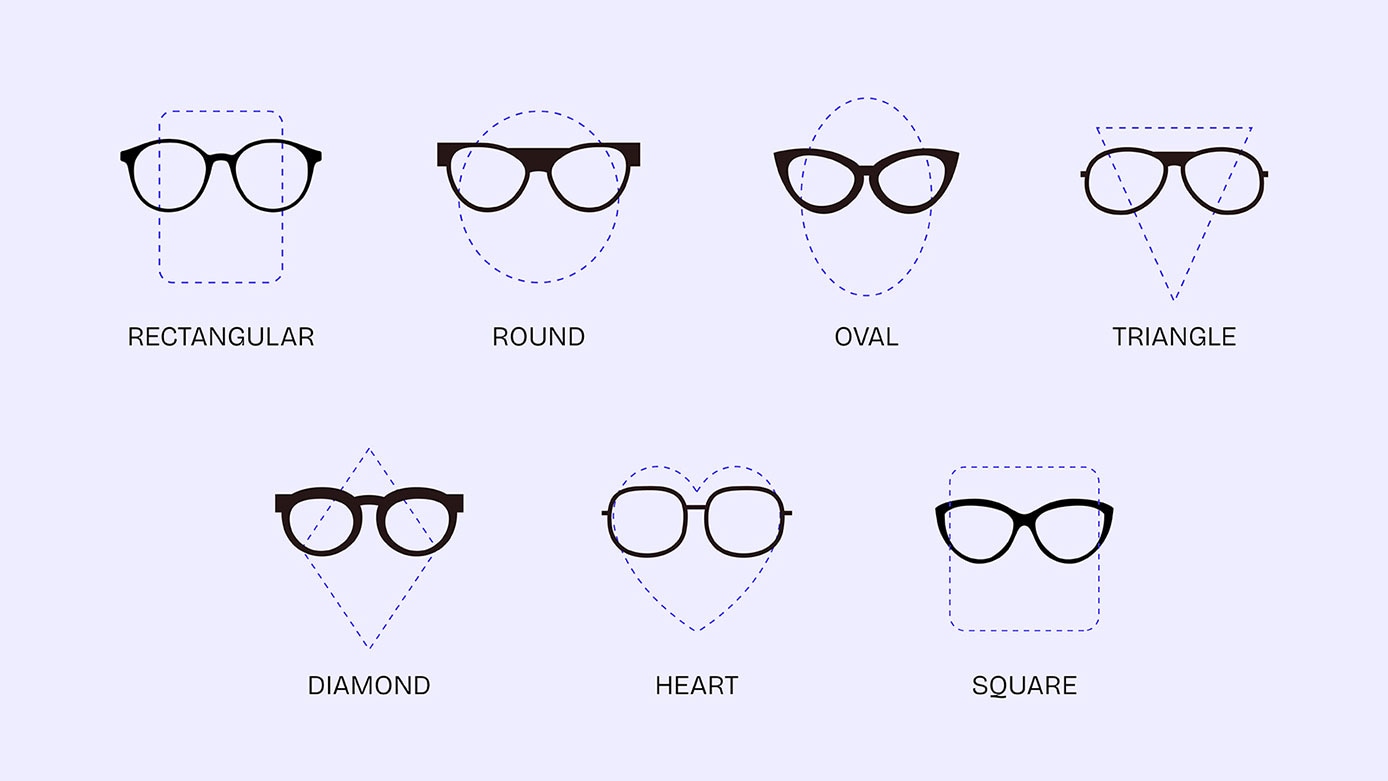
How to Identify Your Face Shape
Your face may not fit one perfect category. Many people have a mix of two shapes. Still, identifying your main shape makes shopping much easier.
Stand in front of a mirror with your hair pulled back. Look at the widest part of your face, the shape of your jaw, and whether your face is longer than it is wide.
You can also take a straight-on photo and trace the outline of your face on the screen. Avoid using a close-up selfie, since a phone camera can make your nose and forehead look larger than they are.
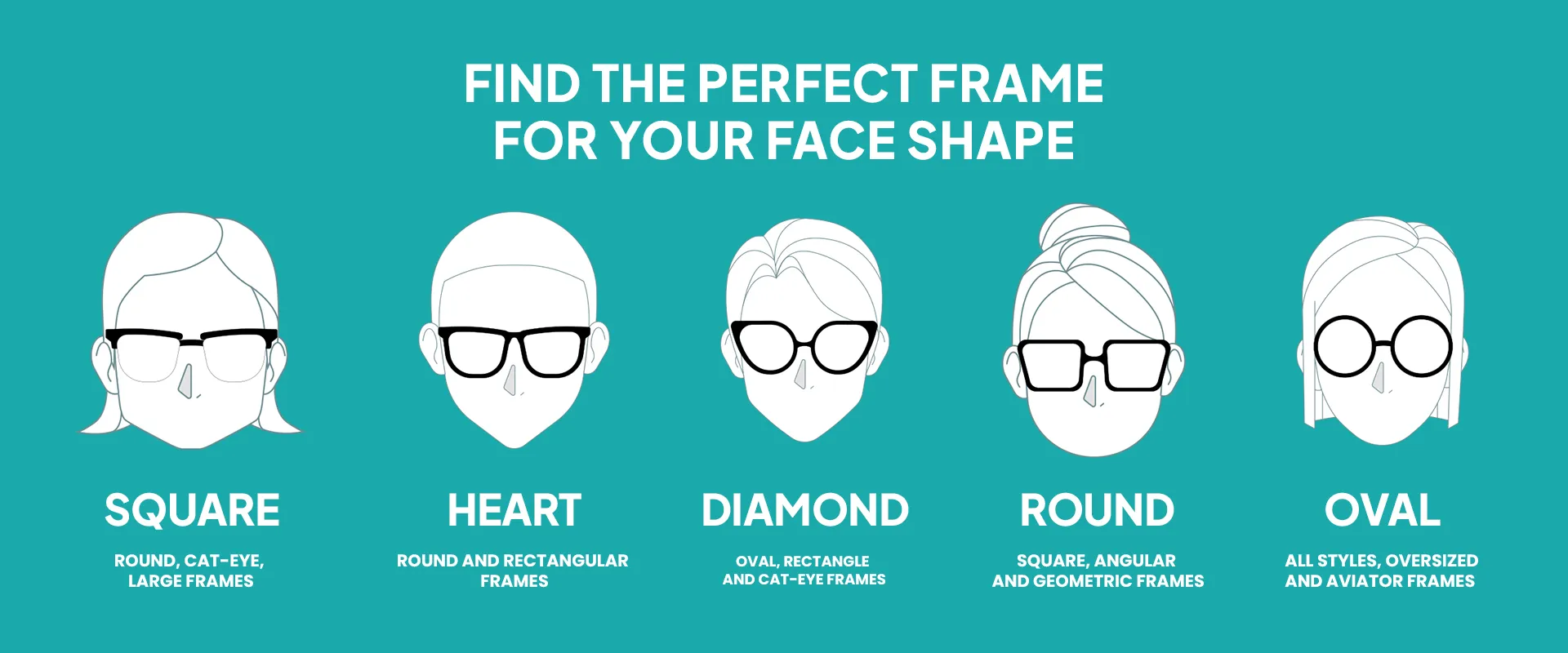
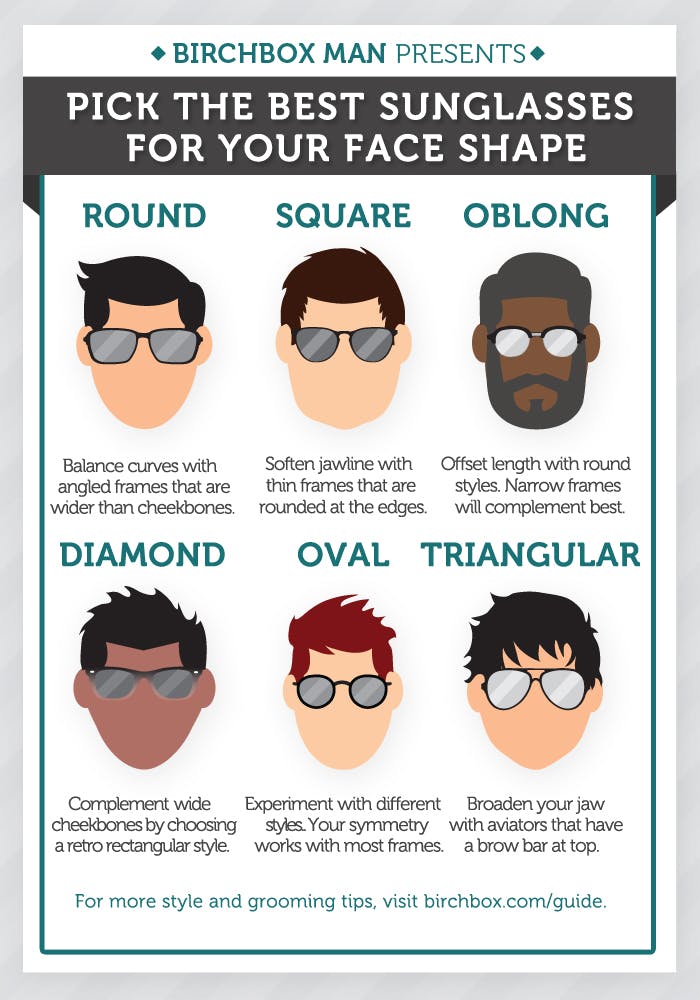
Round face
A round face usually has soft cheeks, a curved hairline, and a rounded jaw. Its width and length often appear close to equal.
The goal is to add a little length and definition. Look for:
- Rectangular frames
- Square frames
- Cat-eye sunglasses
- Browline frames
- Slightly wider frames
Avoid very small, narrow, or fully circular frames if you want more structure. They may make the face appear even rounder.
Square face
A square face often has a broad forehead, strong cheekbones, and a defined jaw. The width and length may look similar, but the features appear more angular.
Rounded styles can soften those lines. Good choices include:
- Round frames
- Oval frames
- Soft cat-eye styles
- Thin metal frames
- Aviators with curved lenses
Very sharp, boxy frames can repeat the angles of a square face. That look can work if you prefer a bold, strong appearance, but it may not create much contrast.
Oval face
An oval face is usually longer than it is wide, with balanced proportions and a gently curved jaw. Many frame styles work well with this shape.
You can try:
- Aviators
- Wayfarer-style frames
- Round frames
- Geometric frames
- Oversized sunglasses
- Classic rectangular frames
The main concern is proportion. Very large frames can overwhelm delicate features, while very narrow frames may look out of balance.
Heart-shaped face
A heart-shaped face often has a wider forehead, high cheekbones, and a narrower chin. The lower half of the face may look more delicate than the upper half.
Frames that draw attention downward can create balance. Consider:
- Light-colored frames
- Rimless sunglasses
- Oval frames
- Round frames
- Thin cat-eye styles
- Bottom-heavy frames
Very thick or oversized top-heavy frames may make the forehead look wider. That is not always a problem, but it is worth noticing when comparing styles.
Oblong or rectangular face
An oblong face is longer than it is wide. It may have a straight cheek line and a longer nose or forehead.
The best sunglasses often add width and visual height. Try:
- Oversized frames
- Tall lenses
- Aviators
- Round frames
- Bold browline frames
- Frames with a low bridge
Avoid very narrow frames with short lenses. They can make the face seem longer.
Diamond-shaped face
A diamond-shaped face is widest at the cheekbones. The forehead and chin are usually narrower.
You can balance this shape with frames that soften the cheek area and add width near the brow. Consider:
- Oval frames
- Cat-eye frames
- Rimless designs
- Browline sunglasses
- Soft rectangular frames
Extremely narrow frames may not provide enough balance. A slightly wider frame often creates a more natural look.

How to Pick Sunglasses for Your Face Shape
Once you know your face shape, compare the frame’s lines with your features. Contrast often creates balance, while similar lines create a softer, more blended effect.
Here is a simple guide:
| Face shape | Frames to try | Styles to approach with care |
|---|---|---|
| Round | Square, rectangular, cat-eye | Small circular frames |
| Square | Round, oval, aviator | Very boxy frames |
| Oval | Most styles | Frames much wider than your face |
| Heart | Rimless, oval, light cat-eye | Heavy top frames |
| Oblong | Oversized, tall, aviator | Narrow, short lenses |
| Diamond | Oval, browline, soft rectangle | Very narrow frames |
These are guidelines, not laws. Personal style can change the effect. A person with a round face may love round sunglasses, and they can look excellent when the frame is large enough and well fitted.
When learning how to pick sunglasses for your face shape, try to judge the whole design. Lens color, frame thickness, bridge shape, and temple details can change how a pair looks on you.
Use contrast for a defined look
Choose angular frames for a round face or rounded frames for a square face. This approach gives your features more definition.
For example, a round-faced person might try black rectangular sunglasses with a firm top line. The sharp shape can make the face look longer and more sculpted.
Use harmony for a softer look
Choose frames that repeat some of your natural lines. Soft oval sunglasses can look gentle on an oval face. Rounded aviators may also suit someone who wants a relaxed, easy style.
This method works well for people who do not want their sunglasses to feel dramatic.
Match the frame to your features
Frame thickness should relate to your facial features. Strong brows and a defined jaw can often support thicker frames. Smaller or softer features may look better with thin metal, clear acetate, or rimless designs.
This does not mean you must avoid bold frames. It means the frame should feel intentional rather than like it is wearing you.

Find the Right Sunglasses Size and Fit
Face shape is only half the answer. A pair can match your shape and still look wrong if it does not fit your measurements.
Look for a frame that sits close to the sides of your face without pressing your temples. The frame should not slide down when you smile or look down.
Check these fit points:
- The frame width should be close to the width of your face.
- Your eyes should sit near the center of each lens.
- Your eyebrows can show slightly, but they should not be fully hidden by a thick frame.
- The frame should not touch your cheeks when you smile.
- The bridge should rest securely without pinching.
- The temples should sit straight behind your ears.
- The lenses should cover your eyes without leaving large gaps.
Many sunglasses have three numbers printed on the inside arm. They usually show lens width, bridge width, and temple length, such as 54□18 140. These numbers can help you find a similar fit when replacing a pair you already like.
Check the bridge
The bridge is the part that rests across your nose. If it is too wide, the sunglasses may slide down. If it is too narrow, the frame may pinch or leave red marks.
People with a low nose bridge often prefer adjustable nose pads, a keyhole bridge, or frames designed with a lower bridge fit. People with a higher bridge may prefer a standard bridge that sits higher and feels stable.
Check the lens height
Lens height affects both comfort and appearance. Tall lenses can balance a long face and offer more coverage. Shorter lenses may look neat on smaller faces but can feel less protective around the sides.
Your sunglasses should block bright light from multiple angles. Wraparound designs offer extra coverage for outdoor sports, driving, and beach trips.
Try the smile test
Put on the sunglasses and smile naturally. If the frame lifts onto your cheeks, it may be too large, too low, or shaped incorrectly for your face.
I learned this lesson after buying a stylish oversized pair that looked perfect while I stood still. After ten minutes of talking and smiling, the lenses touched my cheeks. A slightly smaller frame solved the problem and felt much better.

Choose Sunglass Lenses for Eye Protection
A flattering frame cannot replace safe lenses. Look for a label that says 100% UV protection or UV400. Both indicate protection against UVA and UVB radiation.
UV exposure can contribute to eye conditions such as cataracts and damage to the skin around the eyes. Sunglasses also reduce squinting and glare, which can make outdoor activities more comfortable.
Lens colors and what they do
Lens color affects vision and mood, but color alone does not determine UV safety.
- Gray lenses reduce brightness while keeping colors fairly natural.
- Brown or amber lenses can improve contrast in some settings.
- Green lenses may reduce glare while preserving a balanced view.
- Yellow lenses can increase contrast in low-light conditions, but they are not ideal for bright sun.
- Rose lenses may make some scenes feel brighter, but they are not a universal choice for driving.
Polarized lenses reduce reflected glare from surfaces such as water, snow, roads, and car hoods. They can be useful for fishing, boating, driving, and long days outside.
Polarization does not automatically mean UV protection. Always check for both features.
Consider prescription and activity needs
Prescription sunglasses should be made with lenses that match your prescription and lifestyle. An optician can help you choose lens thickness, coating, and frame shape.
For sports, select impact-resistant lenses and frames made for movement. For driving, avoid lenses so dark that they reduce visibility in tunnels or at night. Never wear dark sunglasses at night unless they are specifically designed for that purpose.
Choose Frames That Match Your Style
The best answer to how to pick sunglasses for your face shape should include your lifestyle. A frame may suit your face but fail to suit your wardrobe, job, or daily habits.
Ask yourself where you will wear the sunglasses most often.
- For everyday use, choose a versatile frame in black, tortoiseshell, brown, gray, or clear acetate.
- For travel, choose a durable frame with strong UV protection and a protective case.
- For sports, look for a secure fit, impact resistance, and wraparound coverage.
- For formal clothing, try thin metal, subtle tortoiseshell, or refined browline frames.
- For a bold fashion look, explore geometric shapes, colored lenses, or bright acetate.
Your sunglasses can also reflect your personal style. Aviators often feel classic and relaxed. Cat-eye frames can feel playful and polished. Rectangular frames can look clean and modern. Round frames can create a creative or vintage mood.
Do not buy a frame only because it is popular. Trends change quickly, but a comfortable pair that suits your features can serve you for years.
Common Mistakes to Avoid
Small errors can make a good frame feel uncomfortable or look unbalanced. Most are easy to prevent.
Choosing a frame that is too narrow
A narrow frame may pinch your temples and leave too much of your face exposed. It can also make your cheeks look wider by comparison.
The frame should usually be at least as wide as your cheekbones. Some styles can sit slightly narrower, but comfort should guide the final choice.
Choosing a frame that is too large
Oversized sunglasses can look stylish, but they may slide, touch your cheeks, or cover your eyebrows. Large lenses can also create glare from light entering through the sides.
Try oversized styles with adjustable nose pads or a secure bridge. The goal is bold coverage, not constant adjustment.
Ignoring your nose and ears
A frame can look perfect from the front and still cause pain behind your ears. Check the fit from every angle.
Your nose bridge, cheek height, and ear position all affect comfort. This is why online shopping works best when you already know your measurements.
Buying for color alone
A beautiful color cannot fix poor fit or weak UV protection. Check the lens label and frame comfort before choosing the shade.
Assuming expensive means better
Price can reflect materials, design, hinges, or brand reputation, but it does not guarantee proper UV protection. Affordable sunglasses can protect your eyes when they carry a clear UV400 or 100% UV protection label.
Forgetting your eyebrows
A thick upper frame can change the apparent shape of your eyebrows. Try the sunglasses with your usual hairstyle and makeup, if you wear them.

How to Shop for Sunglasses Online
Online shopping gives you more choice, but it requires a careful process. Start with a pair you already own and like. Read the size numbers on the temple and compare them with the new frame.
Use the virtual try-on tool as a guide, not a final answer. Phone cameras can change proportions, and screen size can make frames look larger or smaller than they are.
Before ordering, check:
- The exact frame measurements
- The return period
- The UV protection claim
- The lens material
- The bridge style
- Customer comments about fit
- Whether replacement lenses are available
If you have a pair that fits well, measure it with a ruler. Compare its width, bridge, and lens height with the online listing.
When learning how to pick sunglasses for your face shape online, buy from a seller with a clear return policy. Even accurate measurements cannot predict every detail, such as nose pad pressure or temple comfort.

How to Pick Sunglasses for Your Face Shape and Skin Tone
Skin tone does not decide whether sunglasses will fit your face, but it can help you choose a frame color that feels balanced.
Warm skin tones often pair well with:
- Gold
- Bronze
- Brown
- Warm tortoiseshell
- Olive
- Cream
Cool skin tones may suit:
- Silver
- Black
- Gray
- Blue
- Clear crystal
- Cool tortoiseshell
Neutral skin tones can often wear both warm and cool shades. Hair color and clothing also matter, so use these ideas as a starting point rather than a strict rule.
Frame color can change the mood of the same shape. A black cat-eye may look dramatic, while a translucent brown cat-eye may feel soft and casual.
Caring for Your Sunglasses
Proper care protects both your investment and your vision. Store sunglasses in a hard case when you are not wearing them. Loose sunglasses in a bag can collect scratches, dust, and pressure damage.
Clean the lenses with clean water and a microfiber cloth. If needed, use a small amount of lotion-free dish soap. Avoid paper towels, clothing, and household glass cleaner, which may scratch lenses or damage coatings.
Do not leave sunglasses on a hot dashboard. High heat can warp acetate frames and affect lens coatings. If your frame feels loose, an optical shop can often adjust it quickly.
Replace sunglasses when the lenses become deeply scratched, the frame no longer fits, or the UV label is unclear. Scratches can create glare and make vision less comfortable.
Frequently Asked Questions About How to Pick Sunglasses for Your Face Shape
What sunglasses look best on a round face?
Square, rectangular, and cat-eye sunglasses often add useful structure to a round face. Choose a frame that is slightly wider than your cheekbones and avoid very small circular styles if you want a more defined look.
What sunglasses suit a square face?
Round, oval, and curved aviator frames can soften the strong lines of a square face. If you prefer a bold look, a square frame can also work, but choose one with softer corners.
Can I wear sunglasses that match my face shape?
Yes. Matching frame lines with your face can create a soft and harmonious style. For example, round sunglasses can look natural on a round face when they are large enough and well fitted.
How should sunglasses fit my face?
Your eyes should sit near the center of the lenses, and the frame should not press your temples or touch your cheeks. The sunglasses should stay in place when you smile, move, or look down.
Are polarized sunglasses better for your eyes?
Polarized lenses reduce reflected glare from roads, water, and snow, which can improve visual comfort. They do not automatically provide UV protection, so confirm that the lenses also block 100% of UVA and UVB rays.
What color sunglasses are safest?
Lens color does not determine safety. Gray, brown, green, and other colors can be safe when the lenses provide 100% UVA and UVB protection or carry a UV400 rating.
Should sunglasses cover your eyebrows?
There is no single rule. A frame may cover part of your eyebrows, but it should not feel so tall or heavy that it overwhelms your face or blocks your natural expression.
Conclusion
Learning how to pick sunglasses for your face shape starts with balance, but it should end with comfort, eye protection, and confidence. Identify your main face shape, compare frame lines, check the measurements, and confirm that the lenses block UVA and UVB rays.
Treat face shape advice as a helpful map, not a strict rulebook. Try different styles, move around in each pair, and choose the sunglasses that make you feel comfortable and ready to step outside. Explore a few frame shapes this week, and share your favorite style or fit tip in the comments.

Rubel Miah is the Senior Editor at MyStyleGrid.com, where he brings a sharp editorial eye and an unshakable love for fashion to everything he does. A true style addict, Rubel lives and breathes trends, from streetwear to high fashion, and has a knack for turning inspiration into impactful stories. With years of experience in fashion journalism and digital media, he curates content that empowers readers to express themselves through style. When he’s not editing features or forecasting the next big thing, you’ll find him hunting down vintage pieces or capturing street style moments around the city.